Attractions and Places To See around La Luisiana - Top 10
Attractions and places to see around La Luisiana, a municipality in the province of Seville, Spain, offer a blend of historical landmarks, cultural sites, and natural areas. Founded in 1768 as part of a colonization project, the town reflects its history with European settlers. The area provides opportunities to explore its heritage and natural surroundings.
Best attractions and places to see around La Luisiana
- The most popular attractions is Écija, a settlement protected as a historical-artistic complex. It is known for its 11 towers and is considered one of the most important Historical Sites in Andalusia.
- Another must-see spot is Plaza de España (El Salón), Écija, a settlement and man-made monument. This central square, also known as “El Salón,” is the historical, social, and leisure center of Écija, surrounded by civil and religious buildings.
- Visitors also love Parish of Santa María and Santa Bárbara, Écija, a religious building and historical site. Its tower dates back to the 15th century, and the church itself was extensively renovated and rebuilt in the 18th century.
- La Luisiana is known for historical landmarks, cultural sites, and natural features. The region offers a variety of attractions to see and explore, from ancient Roman sites to colonial-era architecture and countryside walks.
- The attractions around La Luisiana are appreciated by the komoot community, with 16 upvotes and 24 photos shared by visitors.
Last updated: June 29, 2026
Plaza de España (El Salón), Écija
Highlight • Settlement
Translated by Google •
Tip by

Parish of Santa María and Santa Bárbara, Écija
Highlight • Religious Site
Translated by Google •
Tip by

Sign up now to discover places like this
Get recommendations on the best single tracks, peaks, & plenty of other exciting outdoor places.
Sign up for free
Peñaflor Palace
Highlight • Historical Site
Even from the outside, it is one of the most iconic images of the city.
Translated by Google •
Tip by

Church of Santiago
Highlight • Religious Site
The current tower was built between 1757 and 1766. It is one of the most typical of the city, with its large brick body decorated with locally influenced tiles typical of the province of Seville.
Translated by Google •
Tip by

Écija
Highlight • Settlement
Translated by Google •
Tip by

Sign up for free to discover even more attractions around La Luisiana.
Sign up for free
Already have an account?
Start today with a free account
Your next adventure awaits.
Login or Signup

Tips from the Community

Located in the historic center of the city, also known as “El Salón”, it is configured as the most important civic and social center and serves as the main square. Under the direction of the City Council, it has a rectangular plan and a perimeter of more than 400 meters, which corresponds to an area of 0.80 hectares. It is surrounded by a series of civil and religious buildings, and depending on the buildings located there, important streets and some small squares of great architectural and monumental interest meet.
4
0
The old parish church of Santa María belonged to the Gothic-Mudejar type of church. It seems that it was built by D. Pedro Fernández Gragera, a knight in the service of San Fernando in the reconquest of Écija. According to sources, it was completed in 1262. The structure was designed with three naves and a polygonal head, later two side naves were added, so its plan was irregular, with a tower, a patio with orange trees and a cemetery. The building was extensively renovated in the 16th and 17th centuries, with the church being demolished and rebuilt in 1758.
4
0
The Peñaflor Palace, one of the most important sights in Écija Even from the outside, it is one of the most iconic images of the city.
5
0

The tower's origins date back to the 15th century, when it was built on an ancient Arab tower. Due to lightning damage in 1892, it was partially demolished, and the first part of the old Mudejar tower remains today as a bell tower.
3
0
Its large balcony running along the facade distinguishes it from the rest of the buildings in Écija. It is a 13th century palace, recently restored and inhabited until 1958.
4
0
It is one of the most elegant churches in Andalusia, built in the Gothic-Mudejar style of the 15th century. The temple underwent significant renovations in the late Renaissance and early Baroque periods. The current tower was built between 1757 and 1766. It is one of the most typical of the city, with its large brick body decorated with locally influenced tiles typical of the province of Seville.
1
0
The central square in Ecija. The town hall is located here and is surrounded by historical and religious buildings. A city lettering can also be found here.
3
0

Écija is a municipality of Seville but nevertheless, this municipality is closer to the province of Córdoba than to the provincial capital, Seville. The city popularly known as Ciudad del Sol, the City of Towers and the Pan of Andalusia (because of its high temperatures, especially during the summer seasons). It is considered one of the most important Historical Sites in Andalusia.
3
0
Frequently Asked Questions
What historical landmarks can I explore in La Luisiana?
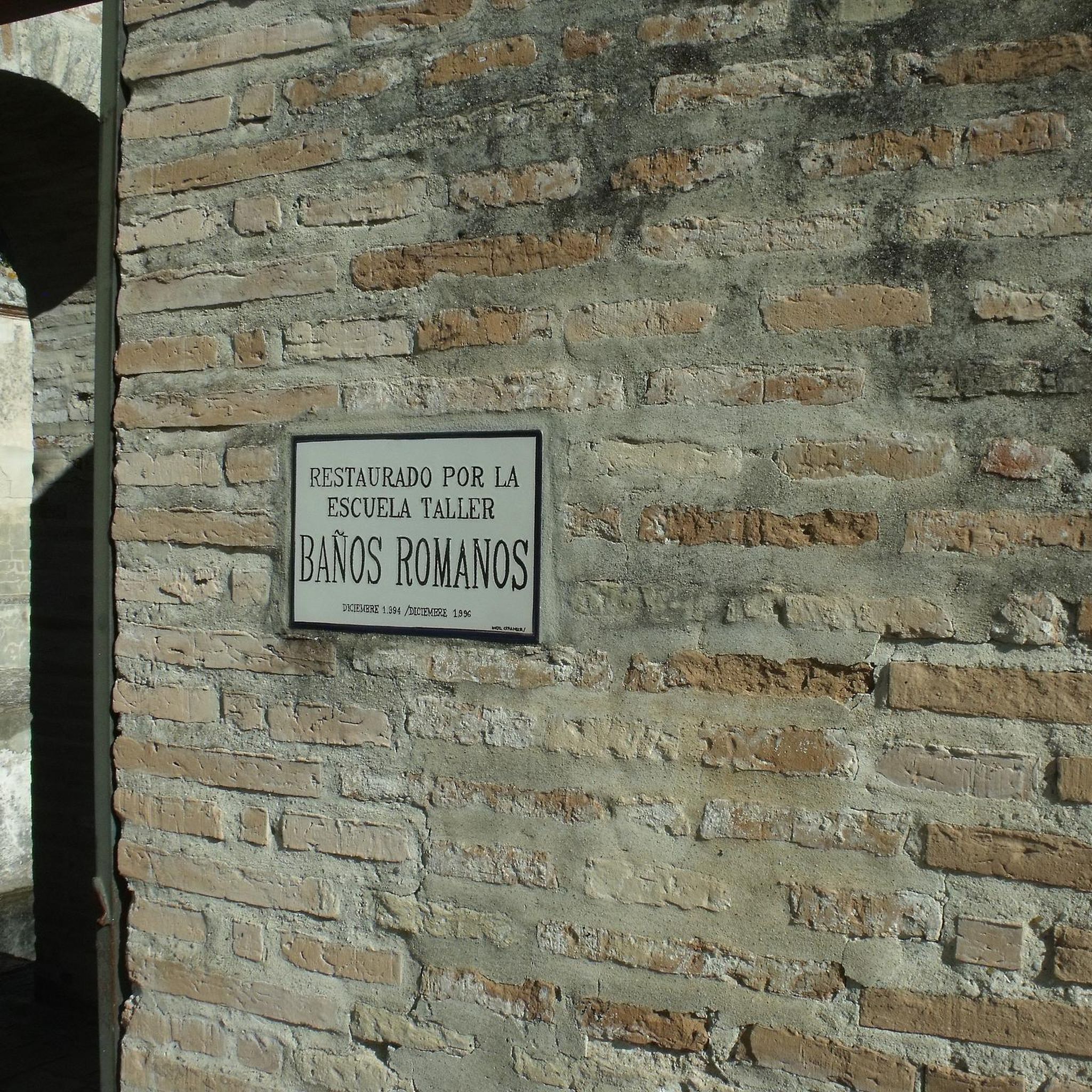
La Luisiana offers a rich history with several notable landmarks. You can visit the ancient Roman Baths and Los Borricos Fountain, which are considered significant archaeological sites. The town also features the Plaza de España (El Salón), a central square with buildings dating back to the town's creation, including the Town Hall and the 18th-century Baroque-style Casa de Postas. Don't miss the Cortijo Nuevo Telegraph Tower and the Pósito Municipal, an old grain reservoir.
Are there any significant religious sites to visit in the area?
Yes, the La Purísima Concepción Parish Church, inaugurated in 1769, is a prominent religious site with Baroque origins. It's located in Plaza Pablo de Olavide. Additionally, in the nearby hamlet of El Campillo, you can find the Virgen de los Dolores Church, built in a colonial Baroque style with a Neo-classical main altar and 18th-century art.
Where can I enjoy nature and outdoor activities near La Luisiana?
For nature lovers, Merendero Arroyo Fuentes Madre is a recommended spot for picnics and enjoying the outdoors. The region also offers several countryside walks and routes, including La Campiña-Cordoba-Sevilla, Ruta Bética-Romana, and the Vía Verde de la Campiña. Exploring the natural surroundings by bike is also a popular option.
What cycling routes are available in the La Luisiana area?
The area around La Luisiana is great for cycling. You can find various routes, including a challenging 107 km 'Roman Baths of La Luisiana – Scenic Gravel Path loop from La madre' or a moderate 25 km 'Scenic Gravel Path – Fuentes de Andalucía loop from La Luisiana'. For more options, check out the Cycling around La Luisiana guide.
Are there hiking trails around La Luisiana?
Yes, there are several hiking trails available. You can explore routes like the 'Route of the Vía Verde de la Campiña - round trip from Écija' (18 km, moderate) or shorter, easier options such as the 'Church of Santiago – Peñaflor Palace loop from Écija' (6 km). Discover more trails in the Hiking around La Luisiana guide.
What is the cultural heritage of La Luisiana?
La Luisiana has a unique cultural heritage stemming from its founding in 1768 as a colonization project under King Carlos III, with settlers primarily from Germany and France. This influence is still evident in its culture and cuisine. The town celebrates an annual German festival, reflecting its diverse roots. You can also experience this heritage through local gastronomy, trying cured meats, *picadillo*, *aliño de patatas*, and the famous *picos* and *rosquillas de pan*.
Are there family-friendly attractions around La Luisiana?
Yes, several attractions are considered family-friendly. The town of Écija, with its historical-artistic complex, is a great option for families. The Peñaflor Palace is also listed as family-friendly. Exploring the central squares and enjoying countryside walks can also be enjoyable for families.
Are any attractions in La Luisiana wheelchair accessible?
The Plaza de España (El Salón) in Écija is noted as wheelchair accessible, making it a good option for visitors with mobility needs. It's a central hub surrounded by historical and religious buildings.
What are some notable towns or settlements near La Luisiana worth visiting?
The most popular nearby attraction is Écija, known for its 11 towers and protected as a historical-artistic complex. Another interesting settlement is Fuentes de Andalucía, where you can explore its alleys and admire 18th-century Andalusian manor architecture.
What is the best time of year to visit La Luisiana?
Given that the region, particularly Écija, is known for high temperatures during summer, the best time to visit La Luisiana and its surrounding attractions would generally be during the spring (March to May) or autumn (September to November). These seasons offer more moderate and pleasant weather for exploring historical sites and enjoying outdoor activities.
How can I explore the attractions in La Luisiana?
La Luisiana is a town that is easily discoverable on foot, allowing visitors to immerse themselves in its monuments and culturally diverse atmosphere. Many of the historical sites are centrally located. For exploring the wider natural areas and nearby towns, cycling or driving are good options, with various routes available.
Are there options for running trails near La Luisiana?
Yes, if you enjoy running, there are several trails available. You can find moderate-difficulty loops such as the 'Écija – Statue of Miguel de Cervantes loop from Écija' (9.5 km) or a 'Running loop from Cerro de San Cristóbal' (7.9 km). For more detailed routes, consult the Running Trails around La Luisiana guide.
Most popular routes around La Luisiana

Get inspired with the komoot mobile app


Explore more
Still not found the Highlight you’re looking for? See guides of the top attractions in other regions:
