Attractions and Places To See around Alfambra - Top 9
Best attractions and places to see around Alfambra showcase its rich history, diverse natural beauty, and cultural heritage. Situated in the province of Teruel, the area is characterized by the Alfambra River valley, contrasting with more arid steppes and cultivated fields. Visitors can explore historical structures, unique natural formations, and various outdoor activity routes. The region offers a blend of historical significance and natural landscapes.
Best attractions and places to see around Alfambra
- The most popular attractions is Puerto de…
Last updated: May 17, 2026
Puerto de Cabigordo top of the col sign.
Highlight • Mountain Pass
Translated by Google •
Tip by

Mountain pass from Cedrillas to Ababuj
Highlight • Mountain Pass
Tip by

Sign up now to discover places like this
Get recommendations on the best single tracks, peaks, & plenty of other exciting outdoor places.
Sign up for free
Monument to the Sacred Heart of Jesus of Alfambra
Highlight • Monument
Translated by Google •
Tip by

Dirt track towards the hill of Castelfrío
Highlight • Trail
Translated by Google •
Tip by
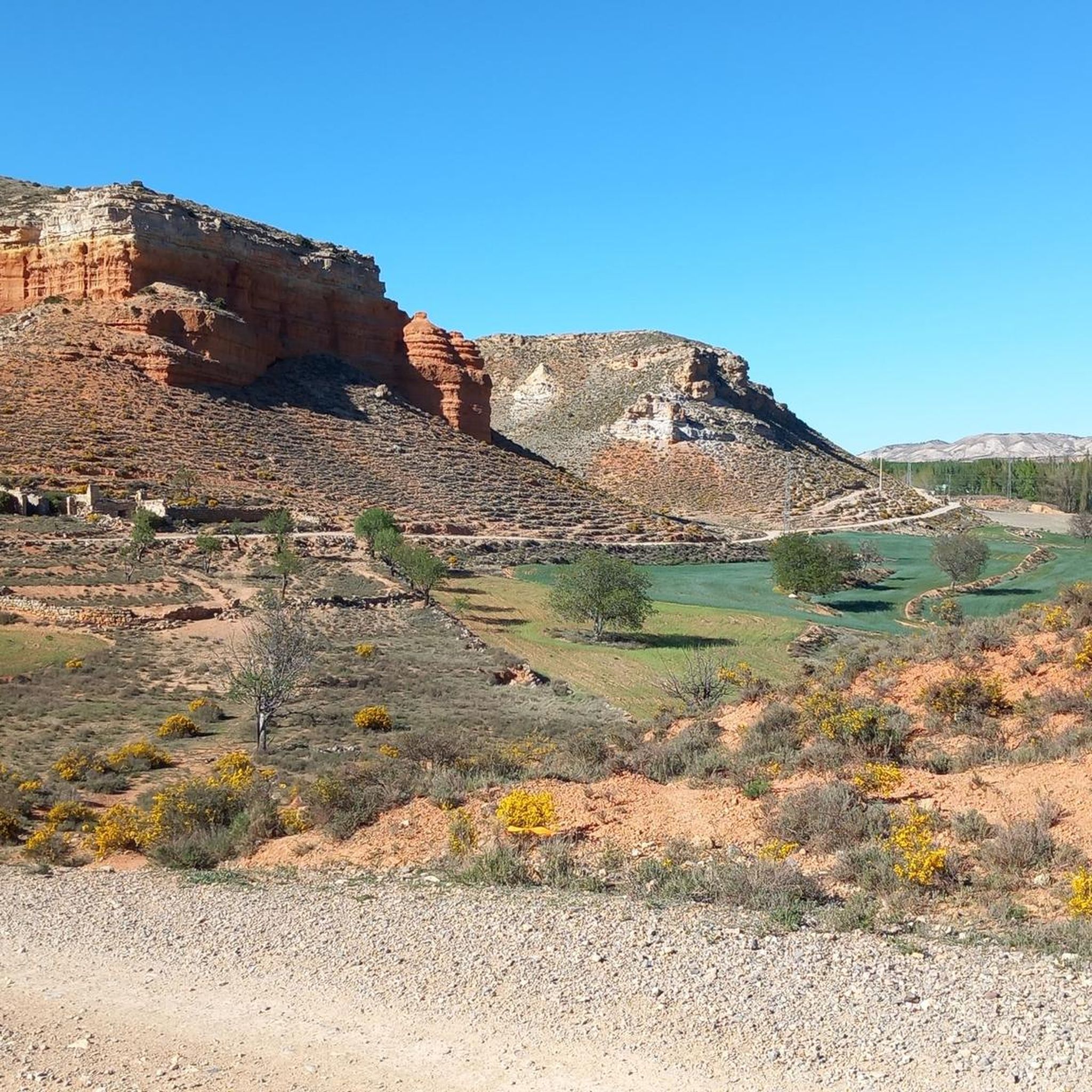
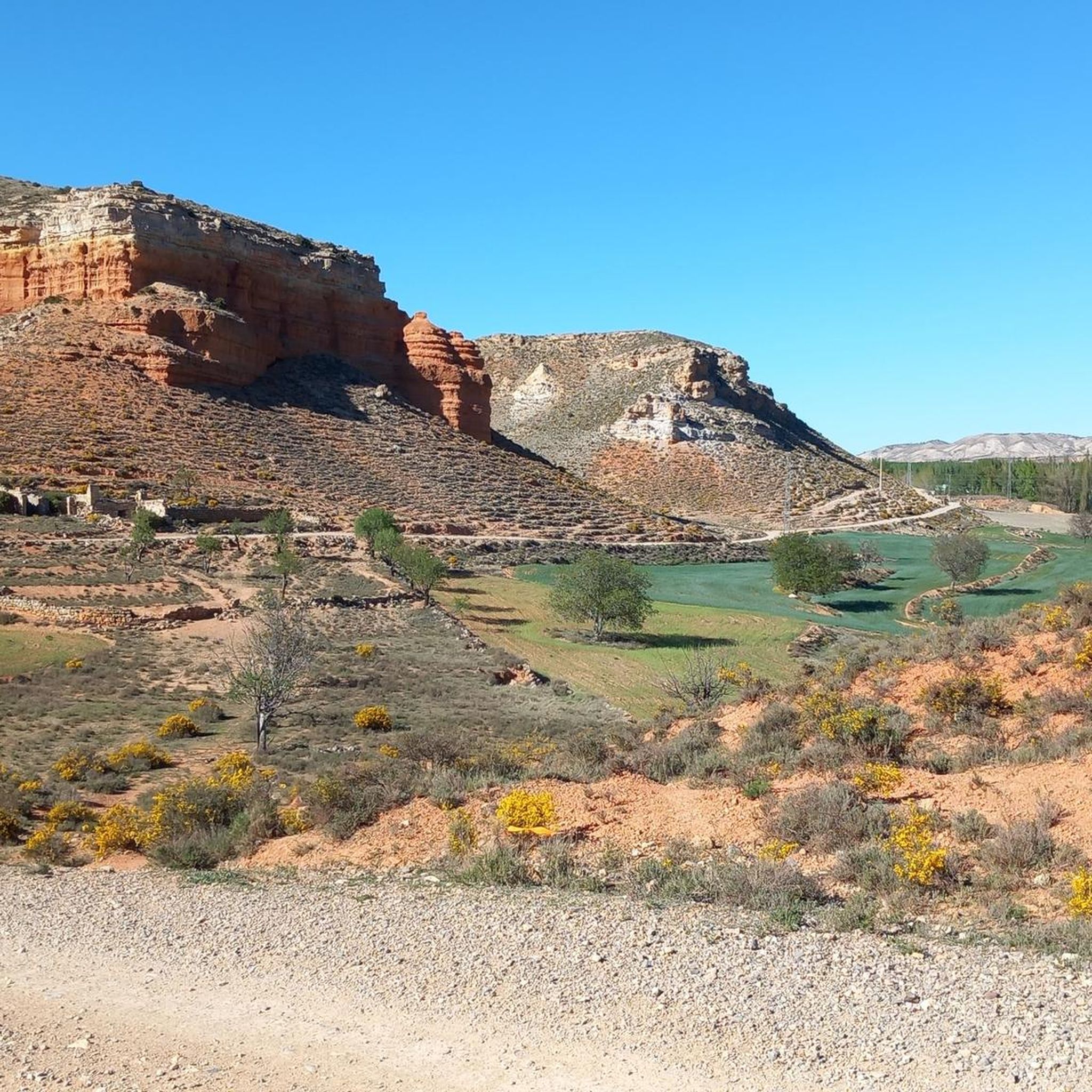
Las Parameas de las Tierras Altas
Highlight • Natural
Translated by Google •
Tip by
Sign up for free to discover even more attractions around Alfambra.
Sign up for free
Already have an account?
Start today with a free account
Your next adventure awaits.
Login or Signup
Popular around Alfambra
Tips from the Community

great slope with a great panorama!
0
0
Great scenery, a bit rough with the fully loaded gravel bike, but definitely an absolute tip!
0
0

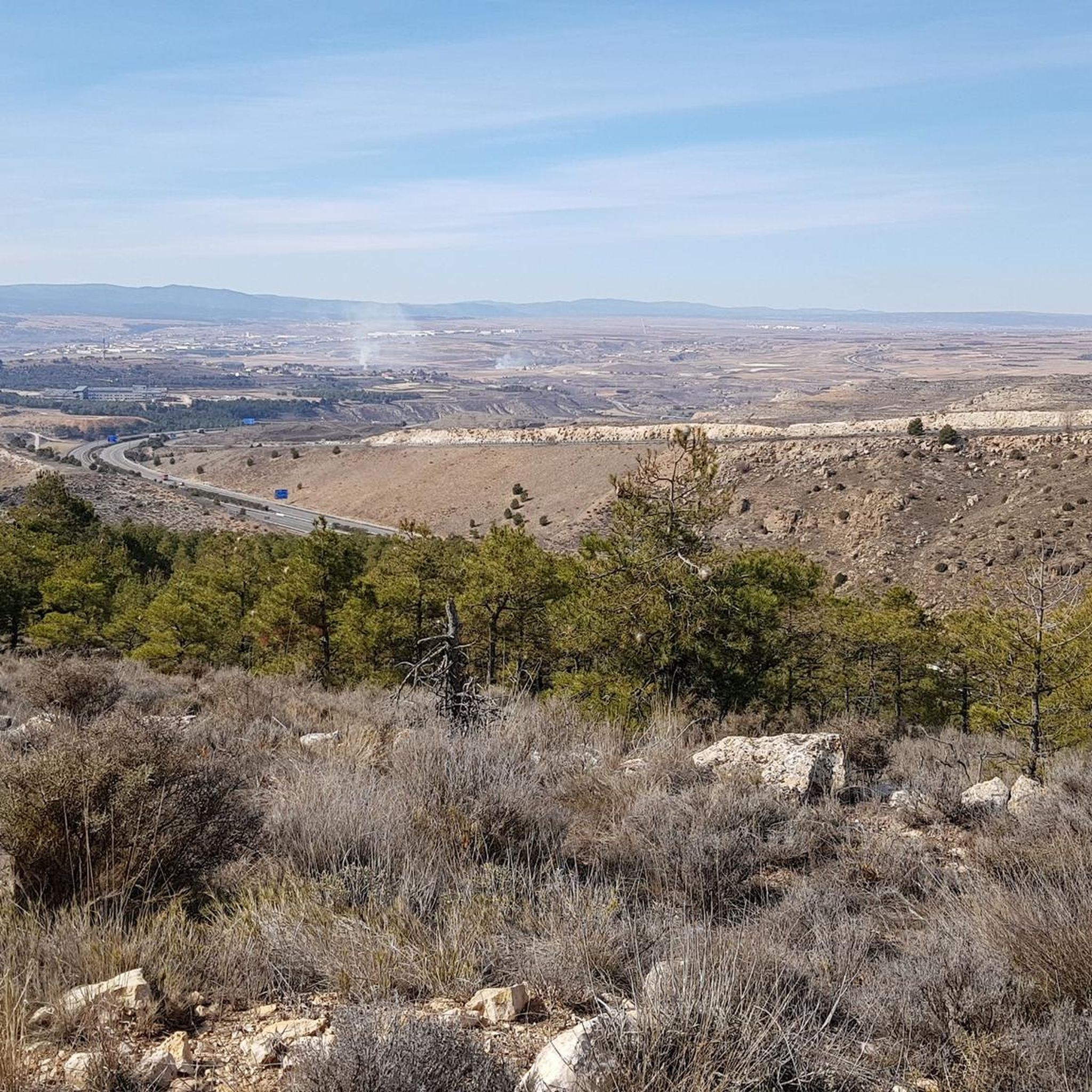
Port with a very beautiful final spot, hard at certain times due to the sun, there are no shadows or fountains. The descent has slightly deteriorated areas, you have to be attentive to the asphalt. Mountain pass with a very beautiful alpine landscape. It is a short mountain pass, it can be hard at certain times due to the sun, there are no shadows or sources. The descent has slightly deteriorated areas, you have to pay attention to the asphalt.
0
0

A remote and unique area that every bicycle lover should visit if they never have the chance. These are the Parameas de las Tierras Altas, one of the highlights of the bikepacking route through Alto Alfambra and Sierra del Pobo.
1
0
Alfambra is a town and municipality in the province of Teruel where we highlight the Christ of Alfambra, the Castle of the same name, the beetroot museum or the climb to the Monument to the Sacred Heart of Jesus with impressive views of the town and the valley.
1
0

We are facing a long port, with 3 ascent areas, among which 2 flat or descent areas are interspersed. We have the most complicated part at the end with 4 kilometers at 8% on average, although from kilometer 5 to 7 it will also require effort with ramps of 7 and 8%. http://www.puertos-en-bici.com/2013/07/puerto-de-cabigordo_5658.html
1
0

Road in good condition but very hot in summer and cold in winter, with the occasional chance of snow at the top. There are no fountains for a long stretch so stock up well before heading out.
1
0

An unusual place in emptied Spain. Difficult to find something or someone.
0
0
Frequently Asked Questions
What historical sites can I explore in Alfambra?
Alfambra boasts a rich history. You can visit the Parish Church of Nuestra Señora de la Asunción, known for its Classicist façade. The remnants of The Castle and Cistern, dating back to the 12th and 13th centuries, offer a glimpse into the town's past. Additionally, the Hermitage of Santa Ana features unique architecture and 18th-century paintings. Don't miss the Monument to the Sacred Heart of Jesus of Alfambra, which, while more recent, is a significant landmark offering impressive views.
Where can I find the best panoramic views in Alfambra?
For breathtaking panoramic views, head to the Monument to the Sacred Heart of Jesus of Alfambra. Erected in 1956, it provides impressive vistas of the town and the surrounding valley. Another excellent spot is the Dirt track towards the hill of Castelfrío, which offers fantastic views of the valleys and mountains in the 'Empty Mountains' area.
Are there hiking trails near Alfambra's attractions?
Yes, Alfambra offers several hiking opportunities. You can explore routes like the Route of Castelfrío (PR TE 35) or the Route of Los Alcamines (PR TE 36), which connects Alfambra with nearby towns. Other trails include the Route of the Virgen del Campo and various paths through Sierra Palomera and Barranco de la Hoz. For more detailed hiking options, you can check out the MTB Trails around Alfambra guide, which also features some mixed-use trails.
What cycling routes are available around Alfambra?
Alfambra is a great area for cycling. The Vía Verde of Alfambra is a popular choice, largely following an old railway track for 28 kilometers towards Corbalán-Teruel, suitable for cycling or horseback riding. There's also the BTT Route (Valley of the Alfambra-Castelfrio). For more specific cycling routes, explore the Cycling around Alfambra guide or the Road Cycling Routes around Alfambra guide, which include options like the challenging Puerto de Cabigordo.
What natural features can I explore along the Alfambra River?
The Vega of the Alfambra River is a central natural feature. Its banks combine lush riparian vegetation with cultivated areas, including orchards and fruit trees. It's a habitat for birds of prey like kestrels and buzzards, and you might even spot native crabs and otters along its shores. The river valley contrasts beautifully with the more arid steppes of the region.
Are there any unique museums in Alfambra?
Yes, Alfambra is home to the unique Beet Museum. Housed in a modernist building, this museum collects farm tools from the beet harvesting period and provides an audiovisual presentation about beet cultivation, offering insight into the region's agricultural heritage.
What is the Reloj Analemático?
Alfambra features a rare Reloj Analemático, an analemmatic sundial built directly on the ground. What makes it unique is that the observer acts as the gnomon, telling the approximate time by their own shadow. It's noted as one of the few and largest of its kind in Aragon and Spain.
Are there family-friendly activities or attractions in Alfambra?
While specific 'family-friendly' categories aren't highlighted, many of Alfambra's natural and historical sites can be enjoyed by families. The Vía Verde of Alfambra is suitable for easy cycling or walking with children. Exploring the Beet Museum offers an educational and engaging experience. Gentle walks along the Alfambra River or visiting the Monument to the Sacred Heart of Jesus for its views can also be pleasant family outings.
When is the best time to visit Alfambra for outdoor activities?
The best time to visit Alfambra for outdoor activities largely depends on the specific activity. Summers can be very hot, and winters can be cold with occasional snow, especially at higher elevations like Puerto de Cabigordo. Spring and autumn generally offer milder temperatures, making them ideal for hiking, cycling, and exploring the natural landscapes comfortably.
What unique geological formations can be found in the area?
The Altabás Ravine is recognized for the beauty of its limestone walls and distinctive rock formations. Additionally, areas like Las Parameas de las Tierras Altas offer remote and unique landscapes, particularly appreciated by gravel biking enthusiasts for their striking scenery.
Are there any challenging outdoor activities in Alfambra?
Yes, for those seeking a challenge, the Puerto de Cabigordo presents a long and demanding ascent for cyclists, with challenging sections and varying gradients. The Dirt track towards the hill of Castelfrío is also noted for its great slope. Additionally, the Earth track to Castelfrío hill is known for its steep incline and panoramic views, offering a strenuous but rewarding climb.
What kind of wildlife can be seen in the Alfambra region?
The Vega of the Alfambra River is a key area for wildlife observation. It serves as a natural habitat for various birds of prey, including kestrels and buzzards. In the river itself, native crabs and otters can still be found along its shores, making it a good spot for nature enthusiasts.
Most popular routes around Alfambra

Get inspired with the komoot mobile app


Explore more
Still not found the Highlight you’re looking for? See guides of the top attractions in other regions:
