The best cycling routes around Alfambra
5.0
(3)
28
riders
5
rides
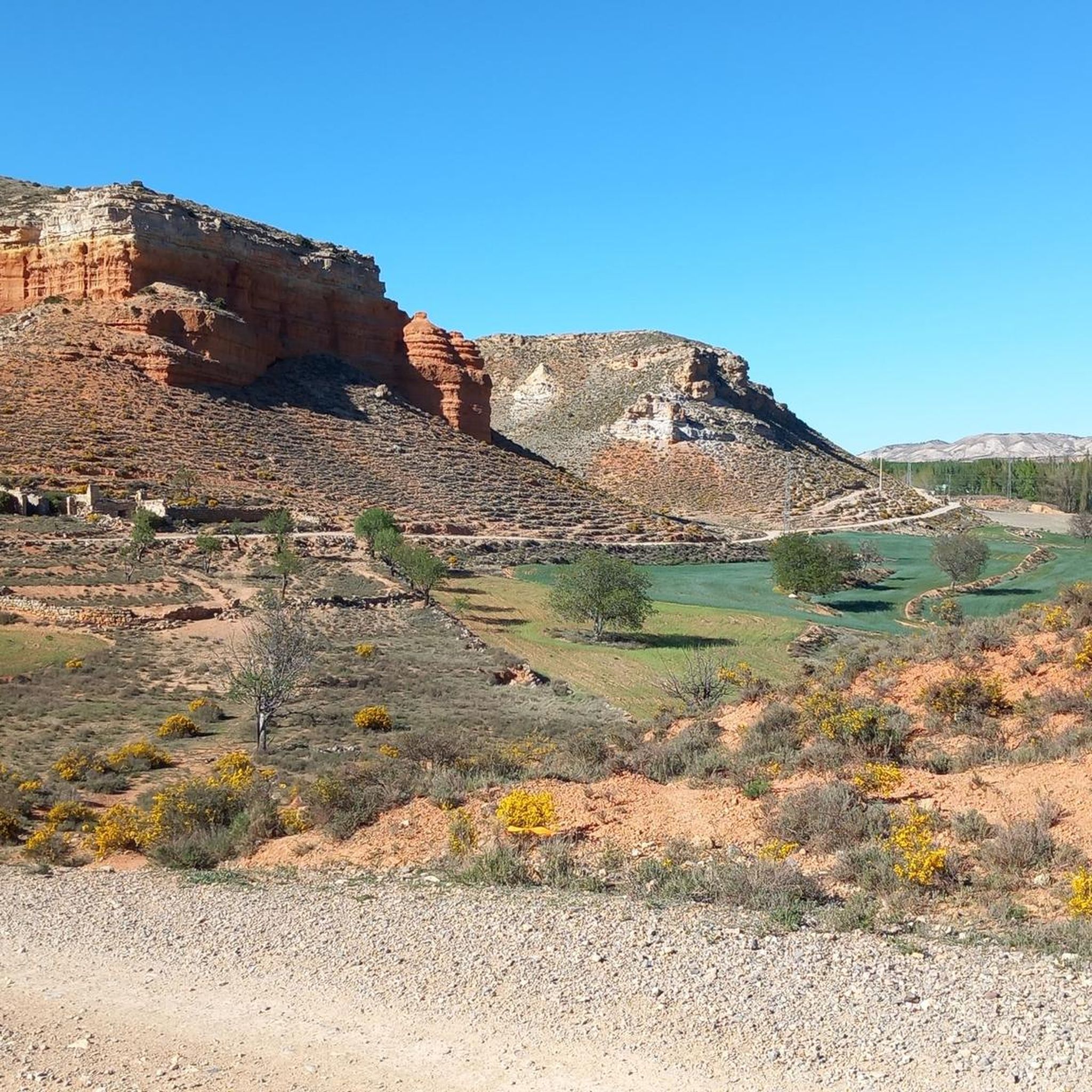
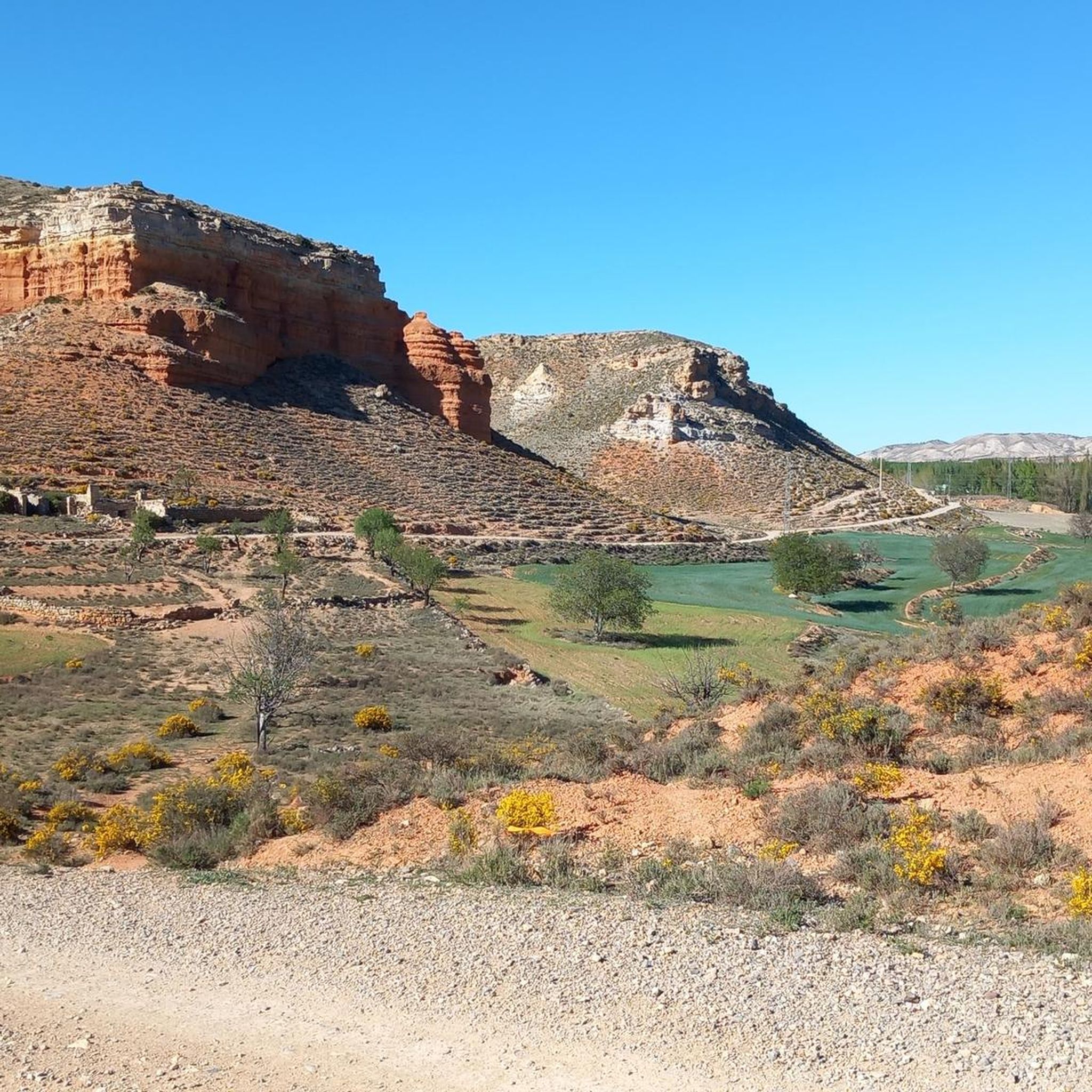
Touring cycling around Alfambra offers diverse landscapes shaped by the Alfambra River valley, providing a green oasis amidst more arid environments. The region features extensive agricultural areas, including orchards and poplar plantations, alongside hilly reddish terrains to the north. These varied geological and geomorphological characteristics, including structural platforms and wide, flat-bottomed valleys, create a compelling backdrop for cycling. The area's natural features make it suitable for exploring on two wheels.
Best touring cycling routes around Alfambra
- The most popular touring…
Last updated: May 25, 2026
5.0
(1)
14
riders
62.8km
04:58
440m
440m
Moderate bike ride. Good fitness required. Mostly paved surfaces. Suitable for all skill levels.
5.0
(1)
4
riders
60.5km
03:52
630m
630m
Hard bike ride. Very good fitness required. Mostly paved surfaces. Suitable for all skill levels.

Sign up for free
5.0
(1)
5
riders
75.4km
04:55
1,050m
1,050m
Hard bike ride. Very good fitness required. Mostly paved surfaces. Suitable for all skill levels.
2
riders
38.7km
02:56
400m
400m
Moderate bike ride. Good fitness required. Mostly paved surfaces. Suitable for all skill levels.
3
riders
70.3km
05:48
1,140m
1,140m
Hard bike ride. Very good fitness required. Mostly paved surfaces. Suitable for all skill levels.
Our route recommendations are based on thousands of hikes, rides, and runs completed by other people on komoot.
Start today with a free account
Your next adventure awaits.
Login or Signup
Popular around Alfambra
Tips from the Community

What to see in Teruel (must-sees) Oval Staircase Monumental entrance to the historic center in Neo-Mudéjar style, with reliefs of the Lovers of Teruel. Plaza del Torico The heart of the city, surrounded by Modernist buildings and bars. Mudéjar Towers Torre del Salvador (open to visitors, with a viewpoint). San Martín and San Pedro Churches. Cathedral of Santa María de Mediavilla Spectacular Mudéjar roof and unique dome. Mausoleum of the Lovers Romantic and tragic story, next to the Church of San Pedro. Los Arcos Aqueduct Historical walk along the Renaissance aqueduct. Teruel Provincial Museum To discover local archaeology and art. Dinópolis Dinosaur theme park, ideal if you are traveling with children.
8
0
Visiting Teruel is a highly recommended experience if you enjoy history, architecture, and charming villages. It's a small city, easy to explore on foot, and is renowned for its Mudéjar art, a UNESCO World Heritage Site, and for the famous legend of the Lovers of Teruel.
7
0
The Los Arcos Aqueduct is located in Teruel, on Calle Bajo los Arcos (also known as Camino Bajo los Arcos), and is one of the city's most emblematic monuments. Construction: Between 1537 and 1554, designed by the French architect Quinto Pierres Vedel. Function: It served as both an aqueduct and a viaduct, supplying water to the city and allowing passage over the ravine.
4
0

This aqueduct is also a viaduct, as the piers of the second section are open to traffic. It is a work by the Frenchman Quinto Pierres Vedel, begun in 1537 and completed by the end of the 16th century. It consists of two tiers of arches. This bridge compensates for the difference in elevation between medieval and modern Teruel.
2
0


There is a beautiful natural landscape here.
0
0
Teruel has a rich and fascinating history that dates back to ancient times. The city of Teruel was founded in 1171 by Alfonso II of Aragon. During the Middle Ages, Teruel became an important commercial and military centre.
18
0
Frequently Asked Questions
What kind of terrain can I expect on touring cycling routes around Alfambra?
The terrain around Alfambra is quite varied. You'll find routes that follow the Alfambra River valley, characterized by a green oasis with riparian vegetation and agricultural areas like orchards. To the north, the landscape transitions into hilly reddish terrains. The region's geology includes structural platforms and wide, flat-bottomed valleys, offering a diverse backdrop for cycling.
Are there any easy touring cycling routes suitable for beginners in Alfambra?
While many routes in the Alfambra area are rated moderate to difficult, the region is actively developing its cycling infrastructure. The Old Railway Track – Teruel Cathedral Square loop from Teruel, which largely follows an old railway line, is a moderate option that might be more accessible for those looking for a less strenuous ride compared to the more challenging routes with significant elevation changes.
What are some natural features or landmarks I can see along the cycling routes?
Cycling around Alfambra offers views of the Alfambra River valley, extensive agricultural areas, and unique reddish hilly terrains. You can also discover historical sites like the remains of a 12th and 13th-century castle overlooking Alfambra village, and the Monument to the Sacred Heart of Jesus of Alfambra. Other natural highlights include the Puerto de Cabigordo top of the col sign and the Las Parameas de las Tierras Altas.
Are there any long-distance touring cycling options that connect Alfambra with other towns?
Yes, a particularly recommended route for touring cyclists connects Alfambra with the provincial capital, Teruel. This approximately 30-kilometer route utilizes the initial stretch of the former Teruel-Mequinenza mining railway and passes through charming towns like Tortajada, Villalba Baja, Cuevas Labradas, and Peralejos. The region is also planning to extend the Vía Verde of Alfambra to connect with the Ojos Negros route, potentially creating over 170 km of cycling infrastructure.
What is the best time of year to go touring cycling in Alfambra?
Alfambra's climate, being in rural Teruel, generally offers pleasant conditions for cycling during spring and autumn. These seasons typically provide milder temperatures, making longer rides more comfortable. Summers can be hot, especially in the open, arid areas, while winters can be cold.
Are there any circular touring cycling routes available?
Yes, several routes are designed as loops. For example, the challenging The Staircase of Teruel – Teruel Cathedral Square loop from Teruel and the Old Viaduct of Teruel – Valdecebro Station Rest Area loop from Teruel offer circular journeys, allowing you to start and end in the same location.
What do other touring cyclists say about the routes in Alfambra?
The touring cycling routes around Alfambra are highly rated by the komoot community, with an average score of 5.0 stars from 3 reviews. Cyclists often appreciate the diverse landscapes, from the green Alfambra River valley to the unique reddish hills, and the opportunity to explore less-traveled parts of rural Spain.
Can I find routes that are suitable for mountain biking as well?
While this guide focuses on touring cycling, the region does cater to mountain biking enthusiasts. The Vía Verde of Alfambra, a 28-kilometer route largely following an old railway track, is suitable for mountain biking. Additionally, the Ruta BTT (Valley of the Alfambra-Castelfrio) specifically explores the Alfambra Valley and the Castelfrío area for mountain bikers.
Are there any routes that offer significant elevation challenges for experienced cyclists?
Absolutely. For experienced touring cyclists seeking a challenge, routes like The Staircase of Teruel – Teruel Cathedral Square loop from Teruel feature significant elevation changes, with over 1000 meters of ascent and descent, providing a demanding and rewarding experience.
What kind of natural environment defines the Alfambra region for cycling?
The Alfambra region is characterized by the Alfambra River valley, which acts as a vibrant green oasis with lush riparian vegetation and extensive agricultural fields. This contrasts with more arid, steppe-like environments and transitions into hilly reddish terrains to the north. The river itself supports diverse wildlife, including raptors, native crabs, and otters, making for a rich natural experience.
Are there any unique cultural or historical points of interest to visit in Alfambra?
Beyond cycling, Alfambra offers unique attractions. You can visit Aragon's only analemmatic sundial, which is also one of the largest in Spain, where your shadow indicates the time. There's also the Beet Museum, showcasing traditional farm tools and the history of beet cultivation. The village also features the remains of a 12th and 13th-century castle on a strategic hill.
Most popular routes around Alfambra
Most popular attractions around Alfambra

Get inspired with the komoot mobile app


Explore more
Browse the best Cycling routes in other regions.
