Attractions and Places To See around Laviana - Top 20
Best attractions and places to see around Laviana, a municipality in Asturias, Spain, offers a diverse landscape within the Nalón River basin, surrounded by mountains. The region is characterized by its blend of historical landmarks, natural features, and cultural heritage. Visitors can explore sites reflecting Asturian tradition and its industrial past.
Best attractions and places to see around Laviana
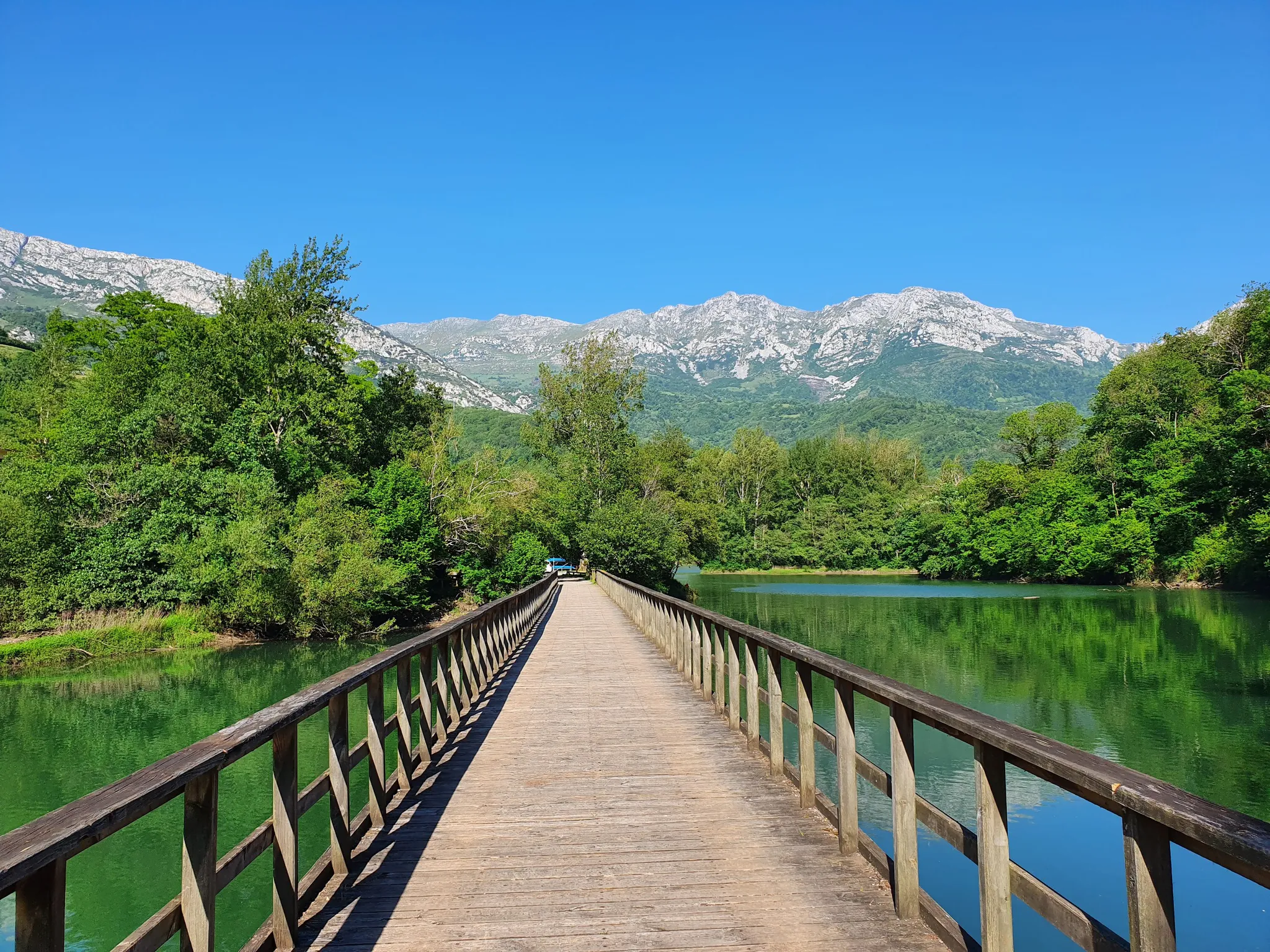
- The most popular attractions is Soto de Agues Village, a settlement located at 430 m altitude. It preserves traditional architecture, including a church from 1805, and serves as a starting point for several mountain routes.
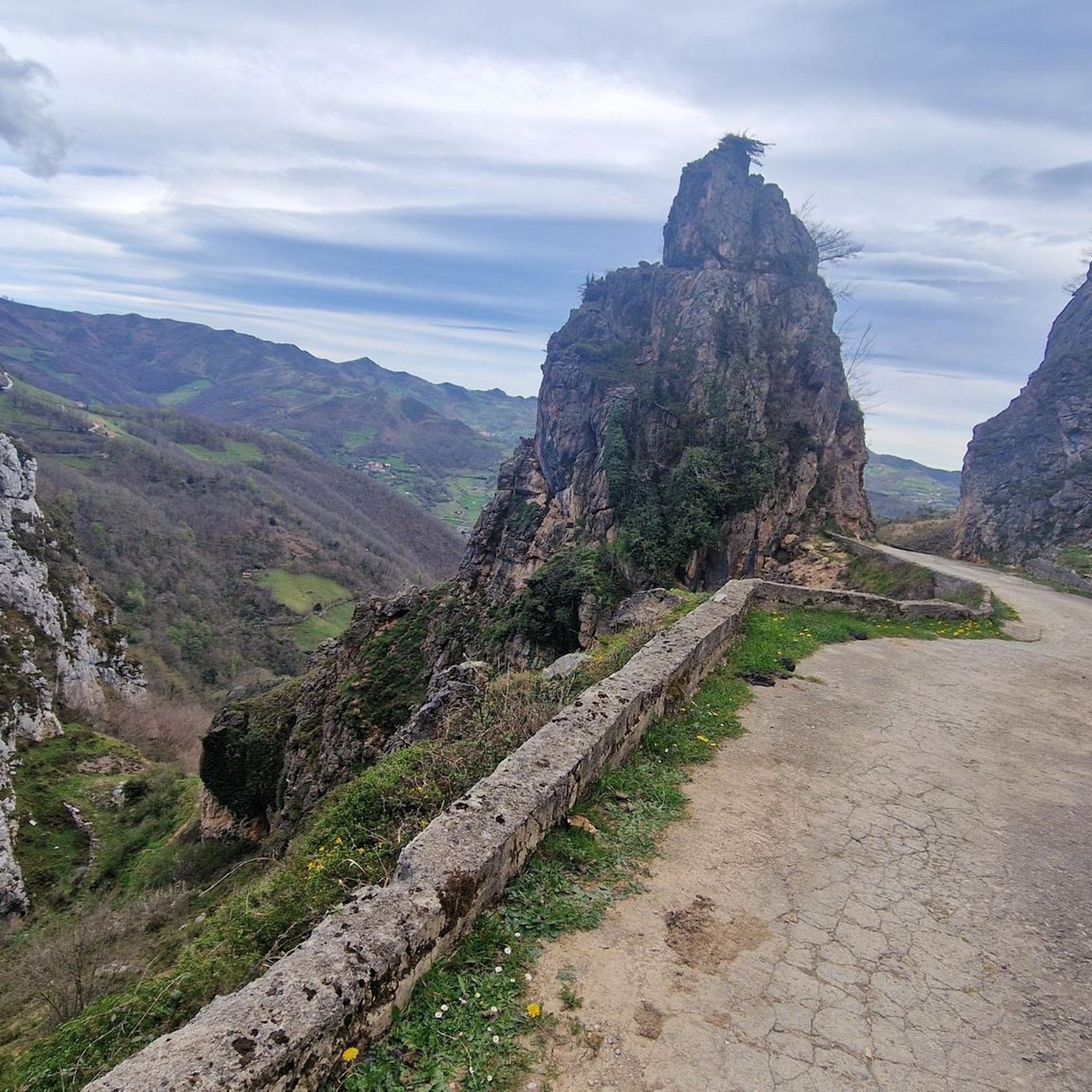
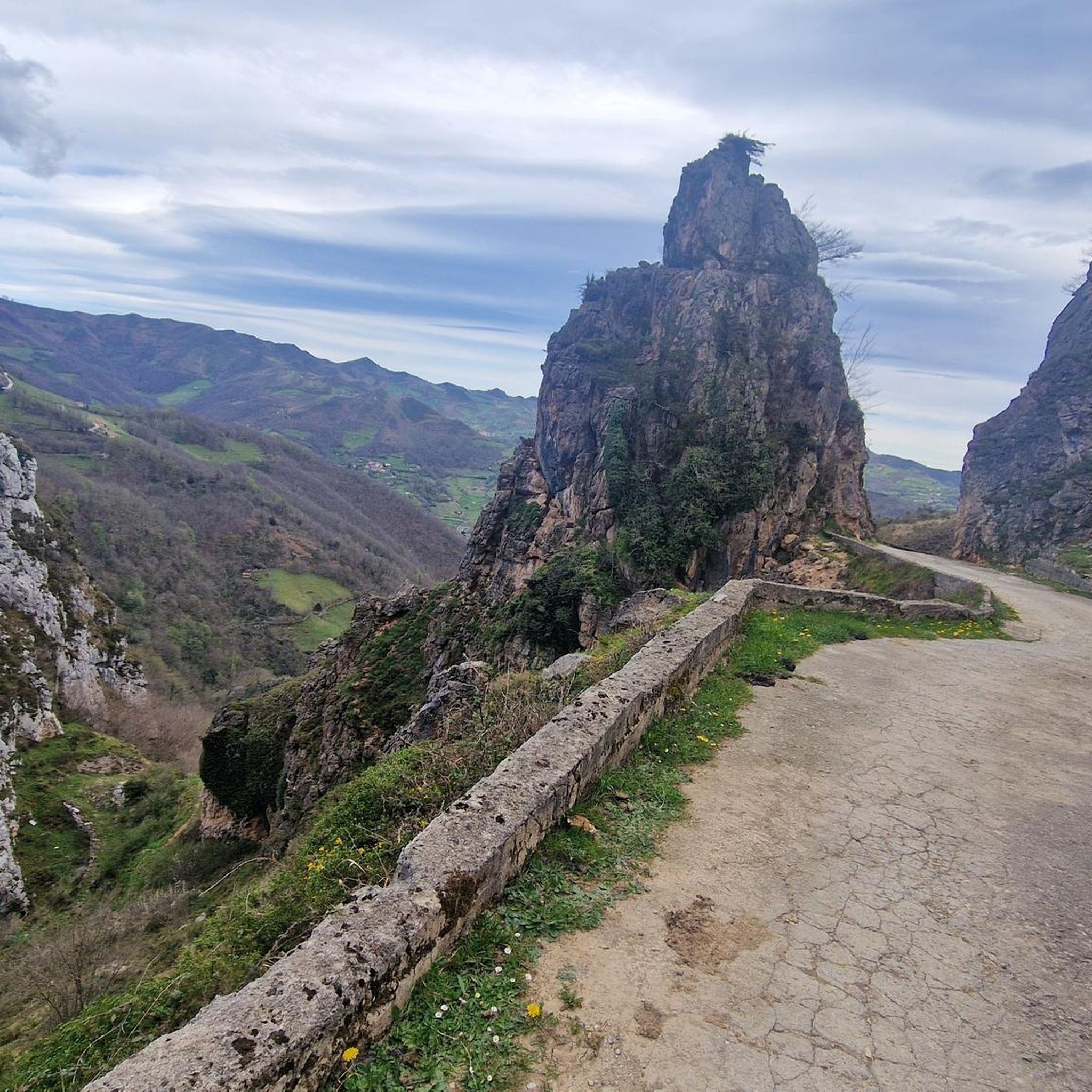
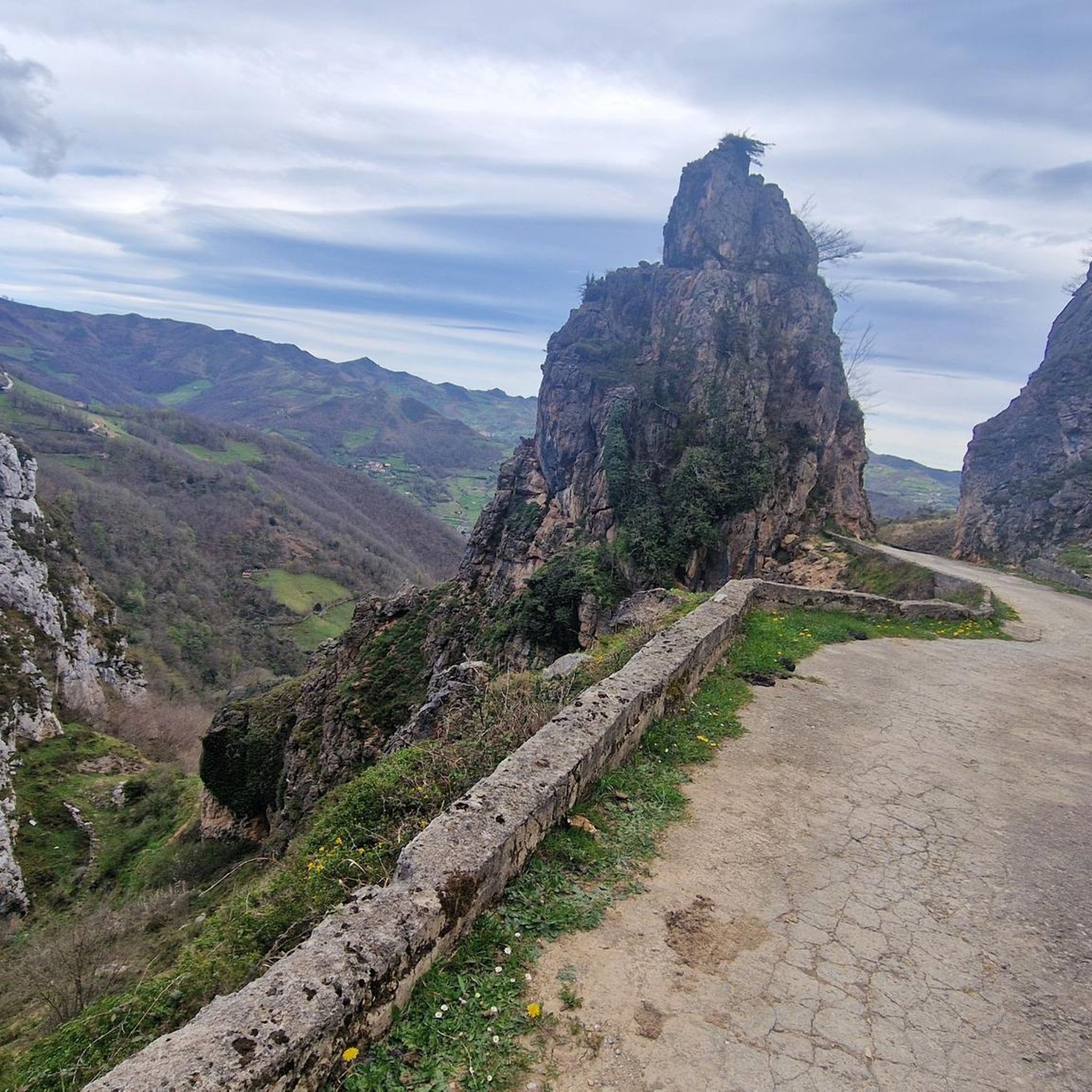
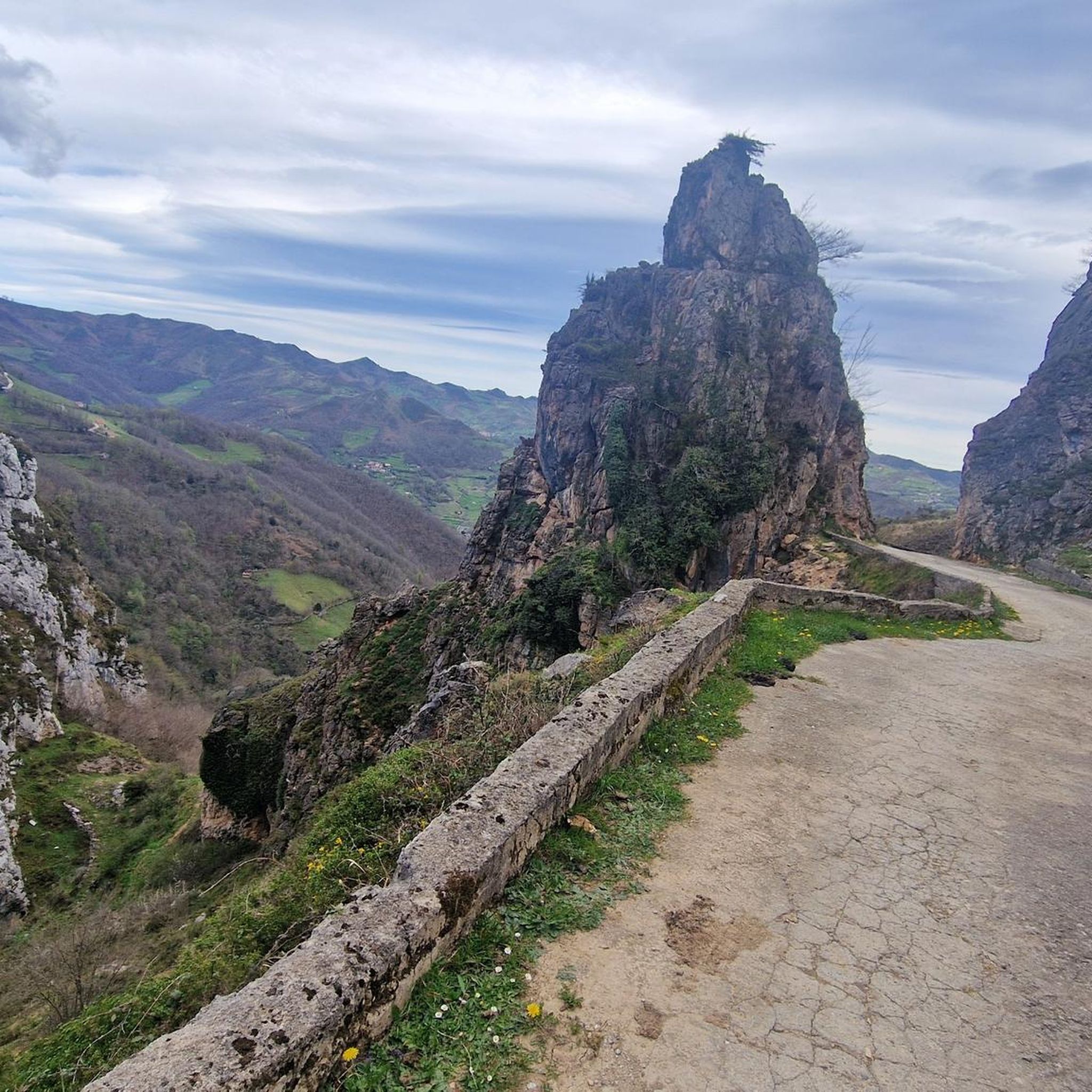
- Another must-see spot is Les Praeres – Sierra de Peñamayor, a summit known for its challenging climb with an average slope of 12.89% to an altitude of 740 m. Visitors can expect impressive views and a bar at the top.
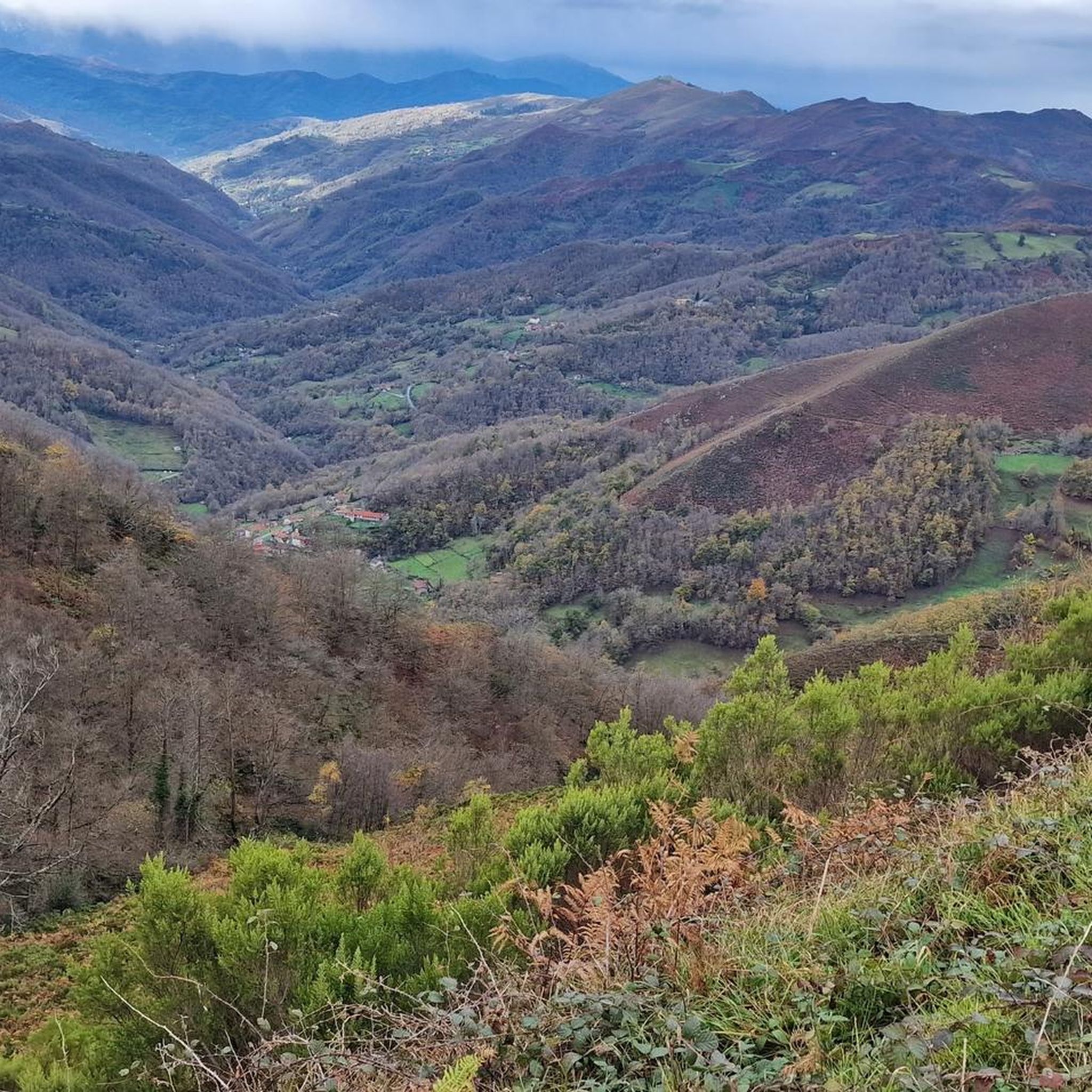
- Visitors also love View of the forest near Bocarreal, a viewpoint on the GR 105 trail. It offers views of the forest from both a distance and within, characteristic of Asturias' landscapes.
- Laviana is known for its historical sites, natural monuments, and scenic viewpoints. The area provides a variety of attractions to see and explore, from ancient churches to mountain passes and natural springs.
- The attractions around Laviana are appreciated by the komoot community, with 9 highlights featuring photos and receiving 21 upvotes.
Last updated: July 7, 2026
Soto de Agues Village
Highlight • Settlement
Translated by Google •
Tip by

Monument to the Maquis
Highlight • Monument
Translated by Google •
Tip by

Sign up now to discover places like this
Get recommendations on the best single tracks, peaks, & plenty of other exciting outdoor places.
Sign up for free
Alto de Santo Emiliano
Highlight • Mountain Pass
Climb Features
• The summit is located at an altitude of approximately 515-519 meters, depending on the slope.
• There are two main slopes:
• From Langreo (Sama):
• Length: 5.2 to 5.4 km
• Elevation gain: ~309 m
• Average gradient: 5.7%
• Maximum gradient: ~7% (no double-digit ramps)
• Road in good condition with a fairly constant gradient.
• From Mieres (via Rioturbio):
• Length: 7.1 to 7.5 km
• Elevation: ~291-314 m
• Average gradient: 3.9%-4.4%
• Initially, a gentle 2-3% section, then a 3.5 km stretch at 5-7% with occasional ramps at 8-9%
Translated by Google •
Tip by

Fuensanta Natural Mineral Spring
Highlight • Natural Monument
Translated by Google •
Tip by
Les Praeres – Sierra de Peñamayor
Highlight • Summit
From this point we can continue along the dirt road until we reach the sign.
Translated by Google •
Tip by

Sign up for free to discover even more attractions around Laviana.
Sign up for free
Already have an account?
Start today with a free account
Your next adventure awaits.
Login or Signup
Other adventures around Laviana

Tips from the Community

Those who live do not forget all the guerrillas, linking loyal support points of the resistance in their fight for peace, freedom, and a more humane and just world. This guerrilla struggle in Asturias lasted for 15 years, from October 21, 1937, to October 13, 1952.
1
0

The Les Praeres pass, meaning "meadows" in Spanish, is a beautiful crossing point for the surrounding peaks. There's also a bar and restaurant with a mountain atmosphere. As if that weren't enough, there's a deer, rescued as a puppy by the bar's owner, who freely roams the area like a pet.
0
0

The Alto de Santo Emiliano is a classic Asturian cycling pass, located between the municipalities of Mieres and Langreo, connecting the Nalón and Caudal basins in an area with a long mining and cycling tradition. Climb Features • The summit is located at an altitude of approximately 515-519 meters, depending on the slope. • There are two main slopes: • From Langreo (Sama): • Length: 5.2 to 5.4 km • Elevation gain: ~309 m • Average gradient: 5.7% • Maximum gradient: ~7% (no double-digit ramps) • Road in good condition with a fairly constant gradient. • From Mieres (via Rioturbio): • Length: 7.1 to 7.5 km • Elevation: ~291-314 m • Average gradient: 3.9%-4.4% • Initially, a gentle 2-3% section, then a 3.5 km stretch at 5-7% with occasional ramps at 8-9%
0
0

Several routes depart from Soto de Agues, including the typical Ruta del Alba.
0
0

Beautiful place, with impressive views and a bar where you can have a drink or something to eat.
0
0
Monument dedicated to the guerrillas who hid in the mountains during the Spanish Civil War.
0
1

Soto de Agues is a town in the council of Sobrescobio, located at 430 m altitude, at the end of one of the branches of the SC-2 road. It is divided into three neighborhoods: San Andrés, Agues and Soto. It preserves good examples of traditional architecture, a church dating from 1805, dedicated to San Andrés, and two hermitages, dedicated to San Antonio and Santa Ana, respectively. It is the starting point of several mountain routes, such as those of the Ruta del Alba (P. R. AS-62) and Cullargayos (P. R. AS-63).
11
0

From Soto de Argues you can start several mountain routes. The best known is perhaps the dawn route. A route that runs along paths that are comfortable to walk.
1
0
Frequently Asked Questions
What historical landmarks can I explore in Laviana?
Laviana boasts a rich history reflected in its landmarks. You can visit the Iglesia de Santa María de la Asunción, consecrated in 1899, or the older Santuario de Nuestra Señora del Otero, possibly from the 15th century. Don't miss the defensive Torreón de El Condao, originally Roman, or the Romanesque Iglesia de San Nicolás de Villoria from the 12th century. The municipality also features historic bridges like Puente de Arco and Puente de Villoria.
Are there any natural springs or unique geological features to see?
Yes, Laviana is home to the Fuensanta Natural Mineral Spring, a site with history dating back to Roman times. In the Peña Mea massif, you can discover the impressive Ojo de Buey (L'Arcón de la Finistra), a natural rock formation over 20 meters in diameter created by erosion.
What are the best places for scenic views and photography?
For breathtaking vistas, head to Les Praeres – Sierra de Peñamayor, a summit offering impressive views. Another excellent spot is the View of the forest near Bocarreal, located on the GR 105 trail, where you can admire Asturias' characteristic forests from both a distance and within. The Peña Mea mountain also provides spectacular valleys and mountain views.
What kind of outdoor activities can I do around Laviana?
Laviana is ideal for outdoor enthusiasts. You can explore numerous hiking routes, including the Coto Musel or Mine Route, El Condao-La Xamoca Route, Les Foces del Raigusu Route, and the Peña Mea Ascent. For more options, check out the hiking routes around Laviana. Cyclists can enjoy challenging climbs like the Alto de Santo Emiliano or explore various road cycling routes and general cycling routes in the area.
Are there any family-friendly attractions or activities in Laviana?
Families can enjoy the traditional charm of Soto de Agues Village, which offers easy access to walking routes suitable for various levels. The Fuensanta Natural Mineral Spring is also a family-friendly historical site. Additionally, Princes Park in Pola de Laviana is a lovely green space perfect for outdoor activities with children.
Where can I learn about Laviana's industrial heritage?
Laviana's past is deeply tied to coal mining. You can learn about this history at sites like Pozo Funeres, a former mine. Other industrial heritage locations include the Mine of Coto Musel, the Carrio Colliery in Barredos, and the Drift Mining Route at Musel Colliery.
What cultural insights can I gain in Laviana?
Explore the Centro de Interpretación Armando Palacio Valdés / Casa Natal de D. Armando Palacio Valdés in Entrialgo. This museum celebrates the life and work of the renowned Lavianese writer Armando Palacio Valdés, whose novel 'La aldea perdida' is set in 19th-century Laviana. The municipality also preserves a rich ethnographic heritage, visible in traditional housing, horreos, paneras, grinding mills, and public springs.
What is the best time of year to visit Laviana for outdoor activities?
Autumn is a particularly striking time to visit, especially for wildlife observation, as the rutting of deer is a notable spectacle in Laviana's forests. Generally, spring and early autumn offer pleasant weather for hiking and cycling, avoiding the peak heat of summer and potential winter snows in higher elevations.
Are there any protected natural areas near Laviana?
Yes, Laviana is part of the Protected Landscapes of the Mining Basins and is situated close to the Redes Natural Park, which is a Biosphere Reserve. This park offers numerous hiking routes and excellent opportunities for bird watching at reservoirs like Tanes and Rioseco.
What are 'Casas Indianas' and where can I see them?
Casas Indianas are grand houses built by Asturian emigrants who made their fortunes abroad and returned to their homeland. In Pola de Laviana, you can find several examples of these distinctive buildings, such as the Casa de los Leones and Casa de los Caballos, showcasing unique architectural styles.
What do visitors enjoy most about the attractions around Laviana?
Visitors frequently appreciate the blend of historical sites, natural beauty, and opportunities for outdoor adventure. Highlights like Soto de Agues Village are loved for their traditional architecture and as starting points for mountain routes. The challenging climb and impressive views from Les Praeres – Sierra de Peñamayor are also highly rated, often complemented by a bar at the top.
Most popular routes around Laviana
Most popular attractions around Laviana

Get inspired with the komoot mobile app


Explore more
Still not found the Highlight you’re looking for? See guides of the top attractions in other regions:
