The best cycling routes around A Pastoriza
4.6
(11)
131
riders
15
rides
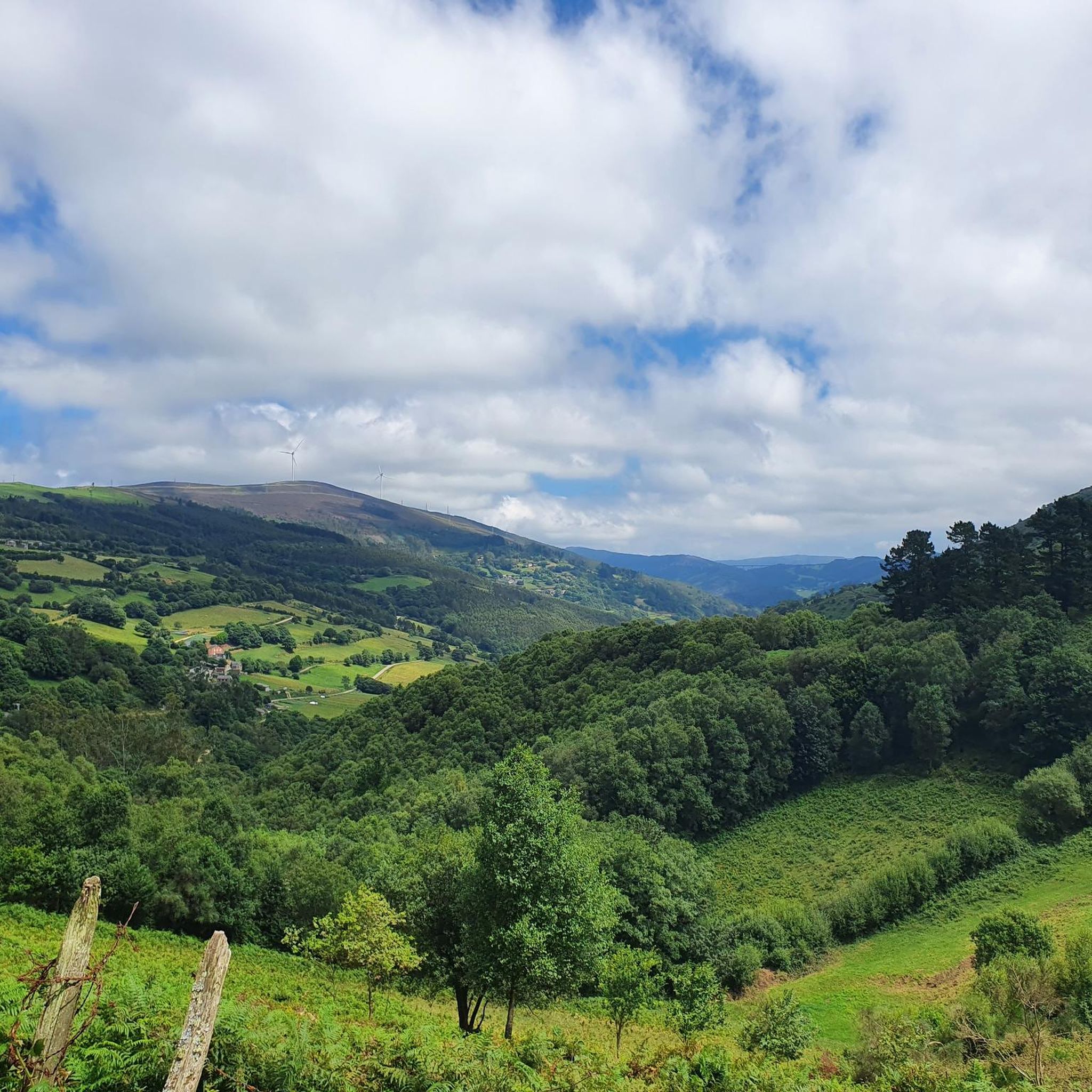
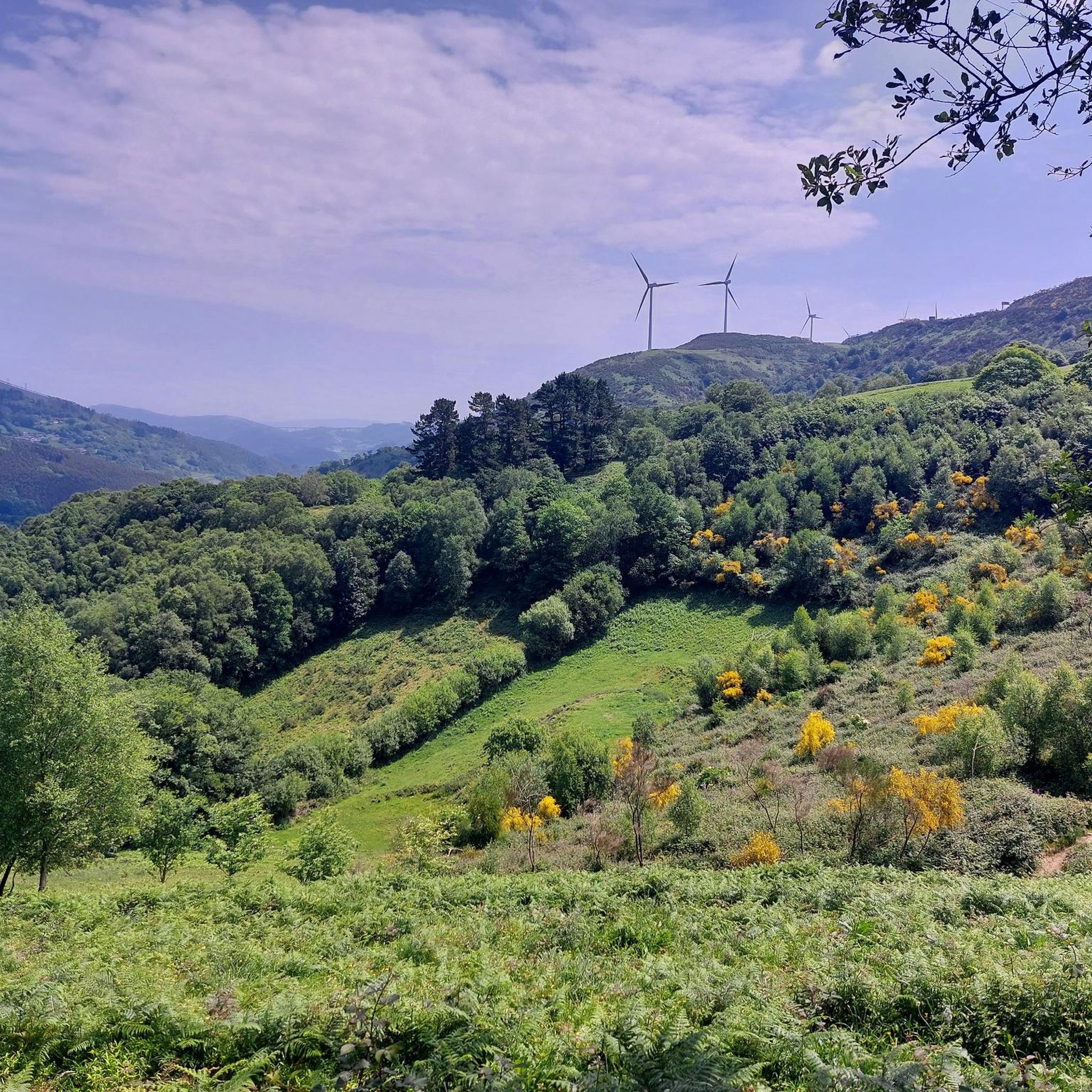
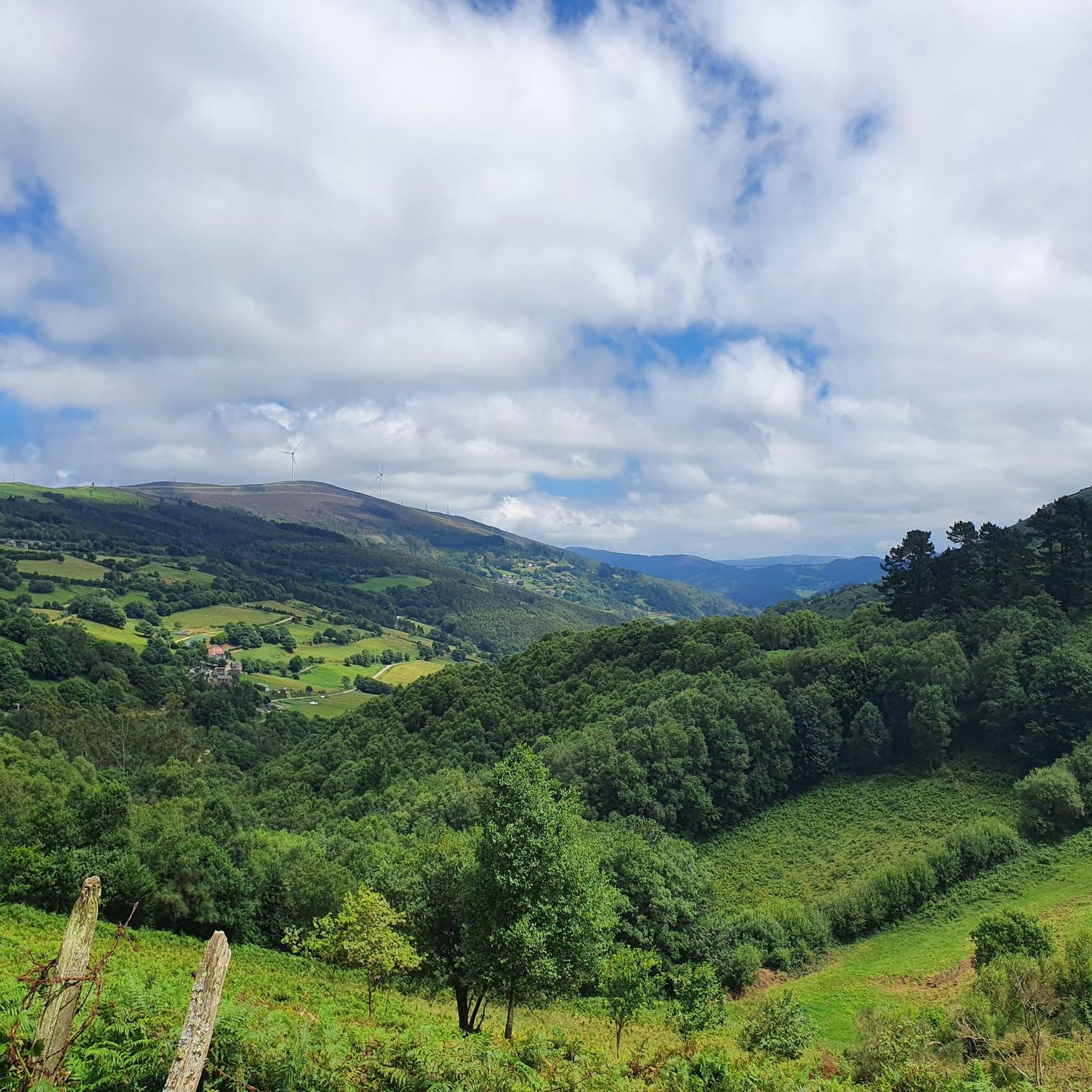
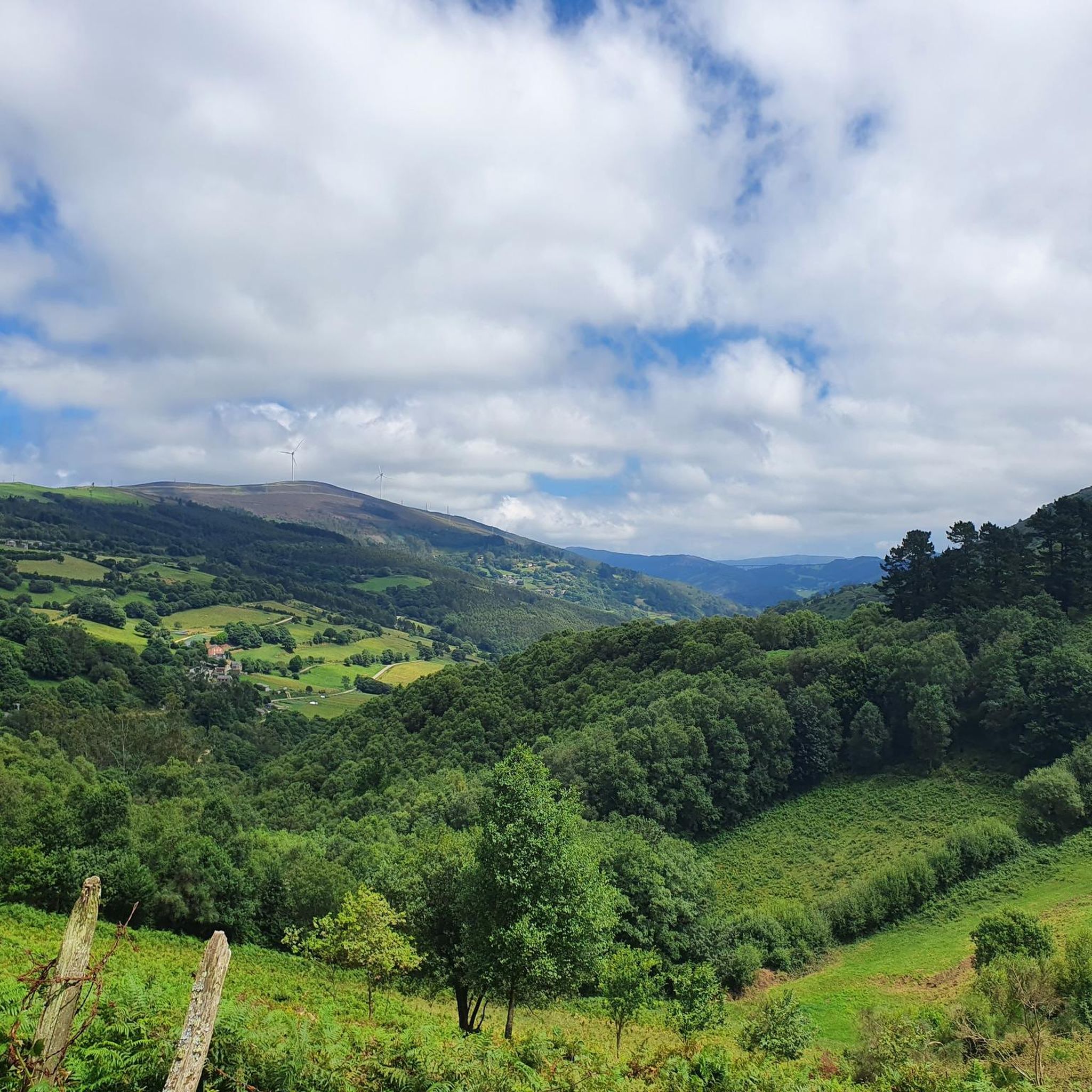
Touring cycling routes around A Pastoriza traverse a landscape characterized by rolling hills and river valleys, often featuring significant elevation changes. The region includes areas around historical sites like the Monastery of San Salvador and natural features such as the Tronceda river Waterfalls. These routes frequently involve sustained climbs and descents, reflecting the challenging terrain of the area.
Best touring cycling routes around A Pastoriza
- The most popular touring cycling route is Mondoñedo – return via Tronceda river Waterfalls,…
Last updated: August 11, 2026
1
riders
25.2km
02:11
700m
700m
Hard bike ride. Very good fitness required. Mostly paved surfaces. Suitable for all skill levels.
48.1km
03:56
1,420m
1,420m
Hard bike ride. Very good fitness required. Some segments of this route may be unpaved and difficult to ride.

Sign up for free
43.4km
03:07
870m
870m
Hard bike ride. Very good fitness required. Some segments of this route may be unpaved and difficult to ride.
4.5
(4)
37
riders
97.9km
06:47
1,660m
1,660m
Hard bike ride. Very good fitness required. Mostly paved surfaces. Suitable for all skill levels.
14
riders
47.2km
04:45
1,370m
1,370m
Hard bike ride. Very good fitness required. You may need to push your bike for some segments of this route.
Get access to more routes and recommendations from other explorers.
Sign up for free
Already have an account?
Our route recommendations are based on thousands of hikes, rides, and runs completed by other people on komoot.
Start today with a free account
Your next adventure awaits.
Login or Signup
Tips from the Community

Buen Camino, always inspiring 🤙
0
0

A good way to find inspiration at the start of a cycle touring trip is to cycle unhurriedly following the universal yellow arrows of the Camino de Santiago. In Ribadeo begins the Natural Route of the Cantabrian Route and it is also the entrance to Galicia of the Camino del Norte or Camino de la Costa from Asturias, in both ways it is known the Camino de Santiago that runs along the Cantabrian coast from Irún to Santiago de Compostela. The Jacobean route leaves the Cantabrian coast and faces the first stage through the interior of Galicia, the landscape, the language and the cultural signs change but the faithful yellow arrows remain along with the inseparable Compostelan scallop shell along the Camiño Norte. The main purpose of including this variant in the trip is to connect with the Natural Route of San Rosendo and to discover the landscapes and villages that this ancient pilgrimage route travels between Mondoñedo and Foz. The connection point between the Camino de Santiago and the Natural Route is in Vilanova de Lourenzá, an ancient town of the Bridge from other times, when pilgrims sought asylum and protection in the hospitium of the Benedictine monastery of San Salvador. The meeting of the two routes is precisely at the medieval bridge over the Baos river, at the entrance to the town, and one could continue directly along the Natural Route of San Rosendo towards the coast, but the visit to the historic city of Mondoñedo is fundamental, former seat of courts, lordships and bishoprics, it has an old town declared a Historic-Artistic Site with arcades, cobbled streets and facades decorated with coats of arms and crests. The two routes coexist in the villages of the route until the Plaza de la Catedral de Mondoñedo, then you have to return along the same route and in Lourenzá undertake the descent towards the coast through the parishes of Casolga and Celeiro, in the mountains of the Masma river valley, the river collector that flows into the estuary of Foz. The landmarks of the Natural Route of San Rosendo pass through the basilica of San Martiño de Mondoñedo, the ancient site of Mindumneto, refuge of the bishop of Braga, Sabarico, in the mid-9th century and seat of the diocese until the year 1112, it is the oldest preserved cathedral in Spain and the first raised in southern Europe, built in the 6th century. The signs of the Route continue through the forests that lead to the panoramic spot of the hermitage of Obispo Santo and finally descend to the coastal platform, connecting with the Natural Route of the Cantabrian Route on the outskirts of Foz to finish the cycling stage by touring the coast of the Gulf of Masma to Cape Burela.
0
0

The two routes coexist in the villages on the way to the Mondoñedo Cathedral Square, then you have to return along the same route and in Lourenzá begin the descent towards the coast through the parishes of Casolga and Celeiro, in the mountains of the river valley. Masma, the river collector that flows into the Foz estuary. The milestones of the San Rosendo Natural Trail pass by the basilica of San Martiño de Mondoñedo, the ancient place of Mindumneto, refuge of the bishop of Braga, Sabarico, in the mid-9th century and seat of the diocese until the year 1112, it is the cathedral oldest preserved in Spain and the first built in southern Europe, built in the 6th century. The signs of the Camino continue through the forests that lead to the panoramic spot of the Obispo Santo hermitage and finally go down to the coastal platform, connecting with the Natural Path of the Cantabrian Route on the outskirts of Foz to finish the cycling stage along the coast. from the Gulf of Masma to Cape Burela.
0
0

In 1973, a decree of protection was approved by the Spanish State for all the old hórreos and cabazos existing in Galicia and Asturias, which attempted to halt the consequences of the abandonment of the rural way of life and the loss of the use of the horreos. Some of the Galician hórreos have the status of historical-artistic monuments, such as that of the presbytery of Santa Comba de Carnota, built in 1768, or the group of hórreos of Combarro.
1
1
Frequently Asked Questions
How challenging are the touring cycling routes in A Pastoriza?
The touring cycling routes in A Pastoriza are generally considered challenging. The region is characterized by rolling hills, river valleys, and significant elevation changes, meaning routes frequently involve sustained climbs and descents. All 14 routes listed are rated as 'difficult', catering to experienced touring cyclists seeking demanding adventures.
How many touring cycling routes are available in A Pastoriza?
There are 14 touring cycling routes available around A Pastoriza, all of which are rated as difficult due to the region's hilly and varied terrain.
Are there any touring cycling routes that pass by waterfalls?
Yes, the route Mondoñedo – return via Tronceda river Waterfalls is a popular option that leads past the Tronceda river Waterfalls. You can also find the Salto do Coro Waterfall as a nearby natural monument.
What historical or cultural landmarks can I explore along the touring cycling routes?
Several routes offer a blend of challenging terrain and cultural interest. For instance, the Mondoñedo – tour around the Monastery of San Salvador and Trabada explores the area around the Monastery of San Salvador. Other notable nearby attractions include the Mondoñedo Cathedral, the Castro de Viladonga Archaeological Site, and the Hornos de Vilaoudriz.
Are there any circular touring cycling routes in A Pastoriza?
Yes, many of the routes in A Pastoriza are designed as circular tours. For example, the Monastery of San Salvador – Old bridge loop from Abadín offers a substantial circular journey, and the Hornos de Vilaoudriz – Vilaoudriz Kilns loop from As Rodrigas is another excellent circular option.
What do other touring cyclists say about the routes in A Pastoriza?
The touring cycling routes in A Pastoriza are highly rated by the komoot community, with an average score of 4.9 stars from more than 10 reviews. Over 160 touring cyclists have used komoot to explore the varied and challenging terrain, often praising the scenic river valleys and historical landmarks.
What kind of natural landscapes will I encounter on a touring cycling route here?
You will traverse a landscape rich in natural beauty, characterized by rolling hills, lush river valleys, and significant elevation changes. Routes often feature rural landscapes, such as those found on the Meira – tour around Riotorto, and you might encounter natural monuments like the Cospeito Lagoon or the Source of the Miño River.
Are there any long-distance touring cycling routes available?
While all routes are challenging, some offer longer distances suitable for extended rides. The Monastery of San Salvador – Old bridge loop from Abadín is one of the longer options, covering nearly 100 km with substantial elevation gain.
What is the best time of year for touring cycling in A Pastoriza?
Given the significant elevation changes and challenging terrain, spring and autumn generally offer the most pleasant conditions for touring cycling in A Pastoriza, with milder temperatures and less extreme weather. Summers can be warm, and winters may present colder temperatures and potentially wet conditions, making the demanding routes even more challenging.
Are there any specific points of interest or hidden gems to look out for?
Beyond the well-known landmarks, the region holds several interesting spots. You might discover the Consuelo Mine, or architectural features like Galician hórreos and the Fonte Vella (Old Fountain), which add character to the rural landscapes.
Most popular attractions around A Pastoriza

Get inspired with the komoot mobile app


Explore more
Browse the best Cycling routes in other regions.
