Attractions and Places To See around Friera De Valverde - Top 13
Attractions and places to see around Friera De Valverde include a variety of historical sites and natural landscapes. The region is characterized by the presence of the Esla River, which features several notable bridges and viewpoints. Visitors can explore sections of the Camino de Santiago Sanabrés, offering insights into the area's cultural heritage. The area provides opportunities to discover historical settlements and significant architectural structures.
Best attractions and places to see around Friera De Valverde
- The most popular attractions is…
Last updated: May 17, 2026
Quintos Bridge Over the Esla River
Highlight • Bridge
Translated by Google •
Tip by

Stone Bridge over the Esla River
Highlight • Bridge
Translated by Google •
Tip by

Sign up now to discover places like this
Get recommendations on the best single tracks, peaks, & plenty of other exciting outdoor places.
Sign up for free
Mozarabic Way Along the Esla River
Highlight • Trail
Translated by Google •
Tip by

View of the Esla River
Highlight • Viewpoint
Translated by Google •
Tip by
Tábara
Highlight • Settlement
Translated by Google •
Tip by
Sign up for free to discover even more attractions around Friera De Valverde.
Sign up for free
Already have an account?
Start today with a free account
Your next adventure awaits.
Login or Signup
Popular around Friera De Valverde

Tips from the Community

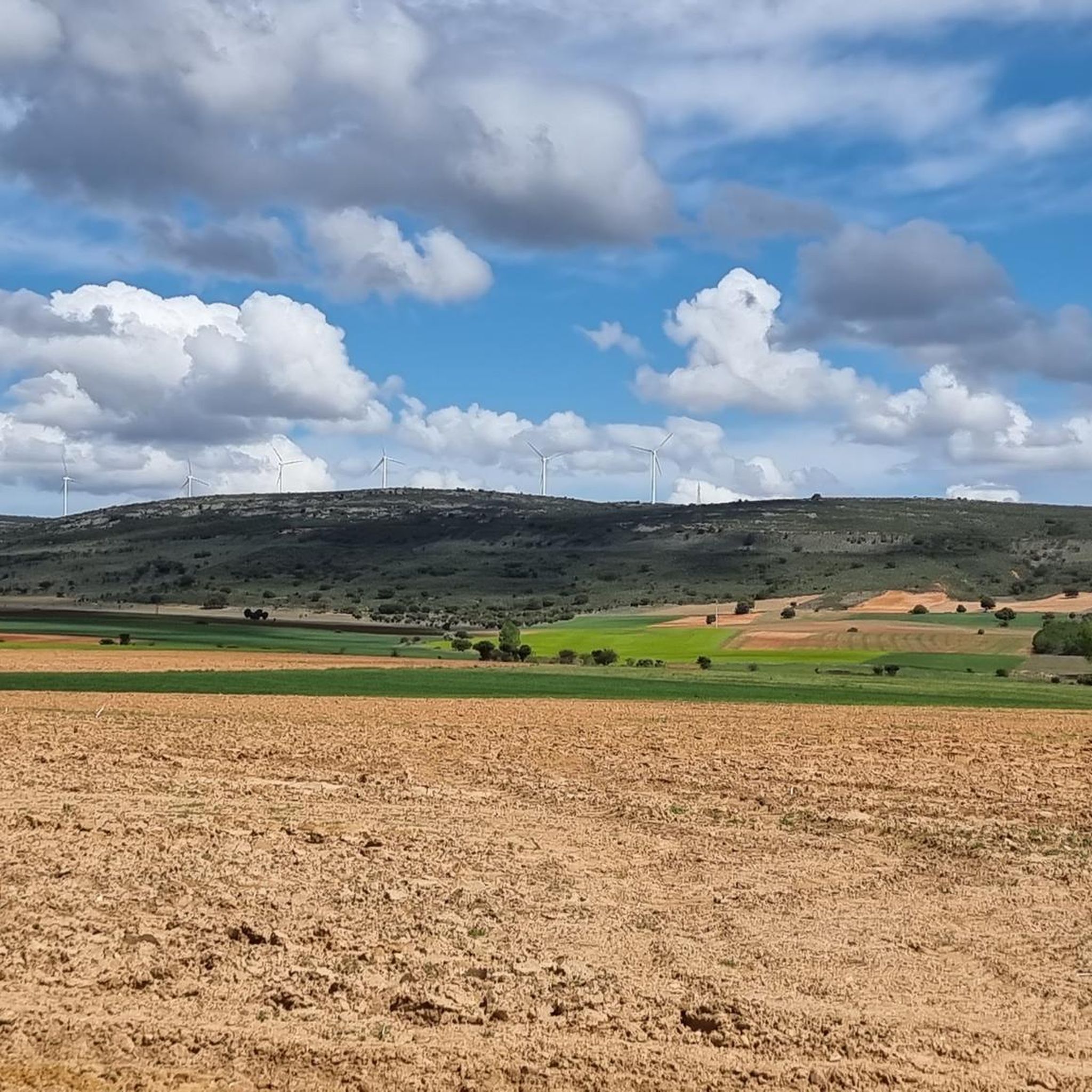
Tábara is a Spanish municipality of about 830-950 inhabitants located in the province of Zamora, within the autonomous community of Castile and León. This small village stands at an altitude of 749 meters and is the capital of the Tierra de Tábara comarca. It represents a center of great historical-cultural importance, as well as being a fundamental stop for pilgrims traveling the Camino Sanabrésl
1
0

Legend has it that during a flood in the early 20th century, a cart carrying its entire load of wheat was swept away, and the next day it reappeared intact beneath the central arch of the bridge, as if the river had kept it to return it. The locals considered it a miracle and for years left dried ears of wheat among the stones as an offering. Even today, in summer, when the water level drops, some of those ears can still be seen trapped in the cracks of the old wall.
0
0

Tábara, located in the northwest of the province of Zamora (Castilla y León), is a town with a rich medieval history, a stunning natural setting, and a significant cultural heritage. Origins: These date back to the Bronze Age and Roman period. Middle Ages: It was an important monastic center with the Monastery of San Salvador de Tábara, founded by Saint Froilán in the 9th century at the behest of Alfonso III.
10
0

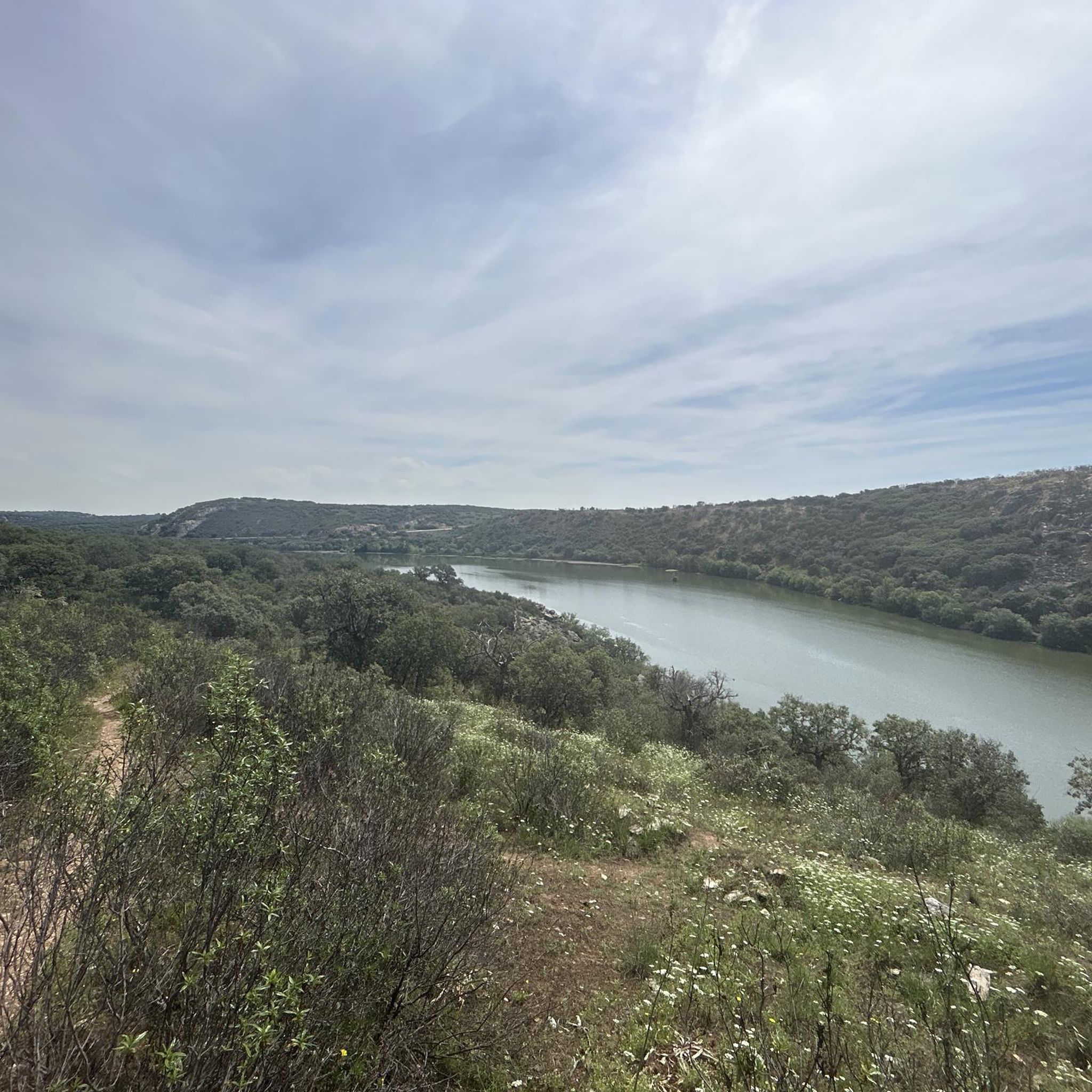
Wonderful view, sure-footedness and good shoes are important. Better not to go when it's raining.
0
1

This is a beautiful place to cross the Elsa River. The views are beautiful, and the old stone bridge with the arches is impressive.
1
0

Spectacular stone bridge with 9 symmetrical arches that crosses the Esla River. It was built in 1920 to connect the trade route between the Zamora regions of Tierra de Campos and Tábara. The bridge is located on the Jacobean route known as Camino Mozárabe Sanabrés, which allows pilgrims to cross into Zamora and Galicia beyond.
3
1
On the west bank of the Esla River is the site of archaeological importance of El Castillon dating from the Bronze and Iron Ages. The views from up here are spectacular. You can understand why this site was selected for a settlement.
1
1
The Quintos bridge over the Esla river is located on the road between Zamora and Galicia. It unites the Zamora regions of Tierra de Tábara and Tierra de Campos, forming a link on the Camino de Santiago Sanabrés.
4
1
Frequently Asked Questions
What natural features can I explore around Friera De Valverde?
The region is defined by the Esla River, offering various natural landscapes. You can find expansive river vistas at the View of the Esla River, which is a great spot for a break. The Mozarabic Way Along the Esla River also provides an experience between unique rock formations and the river landscape.
Are there any historical sites or settlements to visit near Friera De Valverde?
Yes, the area is rich in history. You can visit Tábara, a town with a significant medieval history, including the former Monastery of San Salvador de Tábara and a Romanesque church. Additionally, the historical bridges like the Quintos Bridge Over the Esla River and the Stone Bridge over the Esla River are notable historical structures.
Can I experience the Camino de Santiago near Friera De Valverde?
Absolutely. The Quintos Bridge Over the Esla River forms a link on the Camino de Santiago Sanabrés. You can also follow a section of this Jacobean route along the Mozarabic Way Along the Esla River, which offers a scenic walk next to the river.
What kind of hiking trails are available around Friera De Valverde?
There are several hiking opportunities. For an easy walk, consider the "Río Esla from Puente Quintos – circular by Camino Mozárabe Sanabrés" or the "Quintos Bridge – View of the Esla River loop from Aparcamiento y mirador." You can find more hiking routes, including moderate and difficult options, on the Hiking around Friera De Valverde guide.
Are there any family-friendly attractions in the area?
The Stone Bridge over the Esla River is considered family-friendly, offering beautiful views and an impressive structure. The historical settlement of Tábara also provides an interesting cultural experience for families.
What are the best outdoor activities to do near Friera De Valverde?
Beyond exploring the attractions, you can enjoy various outdoor activities. There are numerous routes for mountain biking, road cycling, and hiking. For detailed options, check out the MTB Trails around Friera De Valverde, Road Cycling Routes around Friera De Valverde, and Hiking around Friera De Valverde guides.
What is the best time to visit Friera De Valverde attractions?
While specific seasonal information isn't provided for all attractions, the region's river landscapes and historical sites can be enjoyed throughout much of the year. For outdoor activities like hiking and cycling, spring and autumn generally offer the most pleasant weather. Summers can be warm, and winters might be cooler, but the historical sites remain accessible.
Are there any circular walking routes near Friera De Valverde?
Yes, you can find circular routes for hiking. An easy option is the "Río Esla from Puente Quintos – circular by Camino Mozárabe Sanabrés," which is about 6.5 km long. Another easy circular route is the "Quintos Bridge – View of the Esla River loop from Aparcamiento y mirador." More options are available in the Hiking around Friera De Valverde guide.
What do visitors enjoy most about the attractions around Friera De Valverde?
Visitors particularly appreciate the beautiful views of the Esla River, especially from viewpoints like the View of the Esla River. The impressive architecture of the historical bridges, such as the Quintos Bridge, and the experience of walking sections of the Camino Mozárabe Sanabrés along the river are also highly valued.
Are there any easy walks suitable for all fitness levels?
Yes, there are easy walking options. The "Río Esla from Puente Quintos – circular by Camino Mozárabe Sanabrés" is an easy 6.5 km route. Another accessible option is the "Quintos Bridge – View of the Esla River loop from Aparcamiento y mirador," which is around 4.7 km. These routes offer pleasant experiences without significant difficulty. You can explore more easy trails in the Hiking around Friera De Valverde guide.
What kind of bridges can I find in the Friera De Valverde area?
The area is known for its historical bridges, particularly over the Esla River. The Quintos Bridge Over the Esla River is a notable masonry stone structure built in 1920 with nine semicircular arches. Another impressive structure is the Stone Bridge over the Esla River, which offers beautiful views and has a local legend associated with it.
Most popular routes around Friera De Valverde

Get inspired with the komoot mobile app


Explore more
Still not found the Highlight you’re looking for? See guides of the top attractions in other regions:
