Attractions and Places To See around Cabezón De Cameros - Top 20
Best attractions and places to see around Cabezón De Cameros include a blend of historical sites, traditional architecture, and natural features. This municipality, located in La Rioja's Sierra de Cameros, is characterized by its mountainous terrain and the Leza River. The area's history is linked to transhumance and sheep farming, evident in its cultural landscape. Visitors can explore well-preserved villages and significant natural points of interest.
Best attractions and places to see around Cabezón De Cameros
- The most popular attractions…
Last updated: July 7, 2026
Puerto de la Rasa (1,420 m)
Highlight • Mountain Pass
Translated by Google •
Tip by

San Román de Cameros
Highlight • Settlement
Translated by Google •
Tip by

Sign up now to discover places like this
Get recommendations on the best single tracks, peaks, & plenty of other exciting outdoor places.
Sign up for free
Torremuña
Highlight • Settlement
Translated by Google •
Tip by
Church of San Martín
Highlight • Religious Site
Translated by Google •
Tip by

Church of San Martín de Pradillo
Highlight • Religious Site
The relief of the municipality is marked by the valley …
Translated by Google •
Tip by

Sign up for free to discover even more attractions around Cabezón De Cameros.
Sign up for free
Already have an account?
Start today with a free account
Your next adventure awaits.
Login or Signup

Tips from the Community

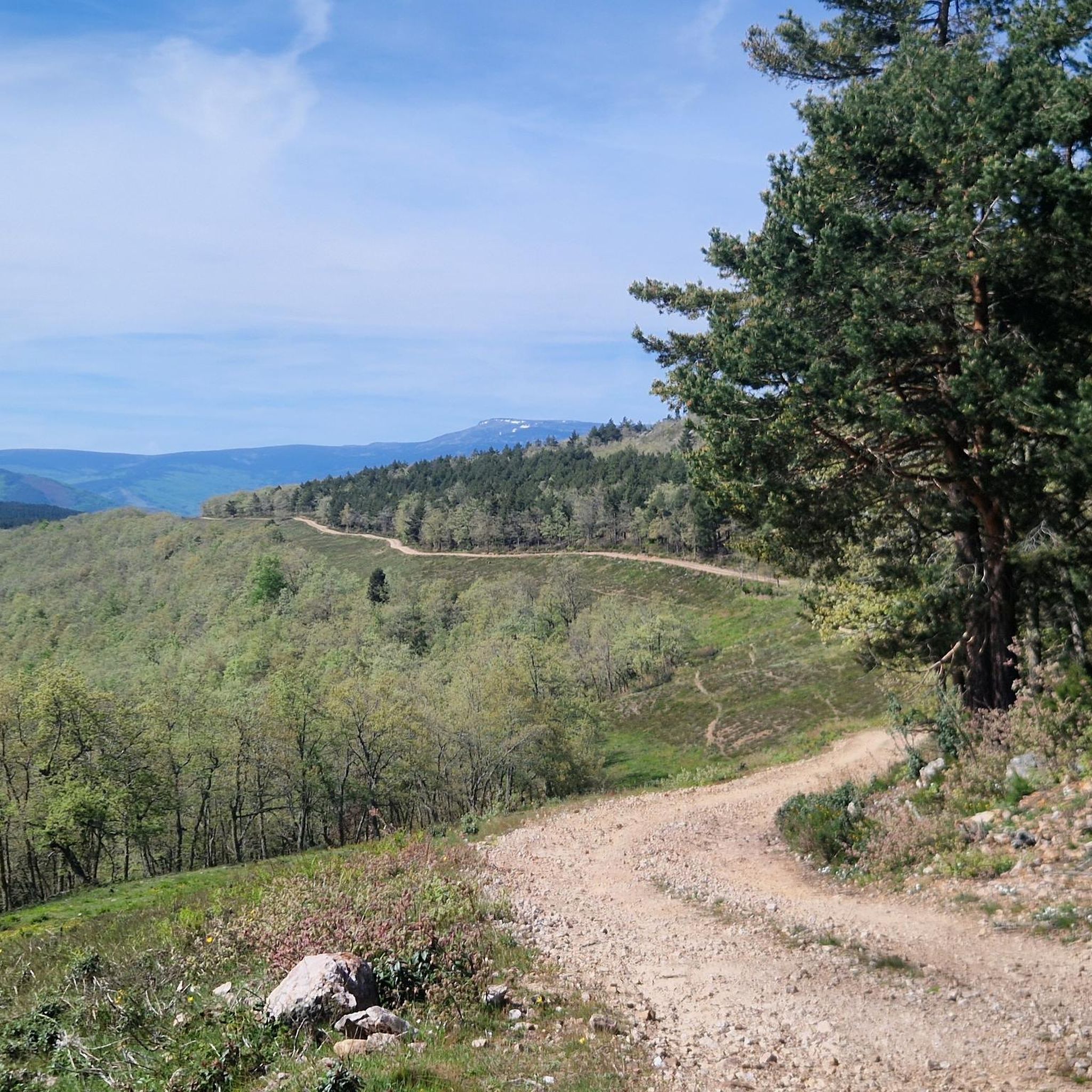
One of the most mythical ports for cyclists from La Rioja and especially for those from Logroño.
0
0

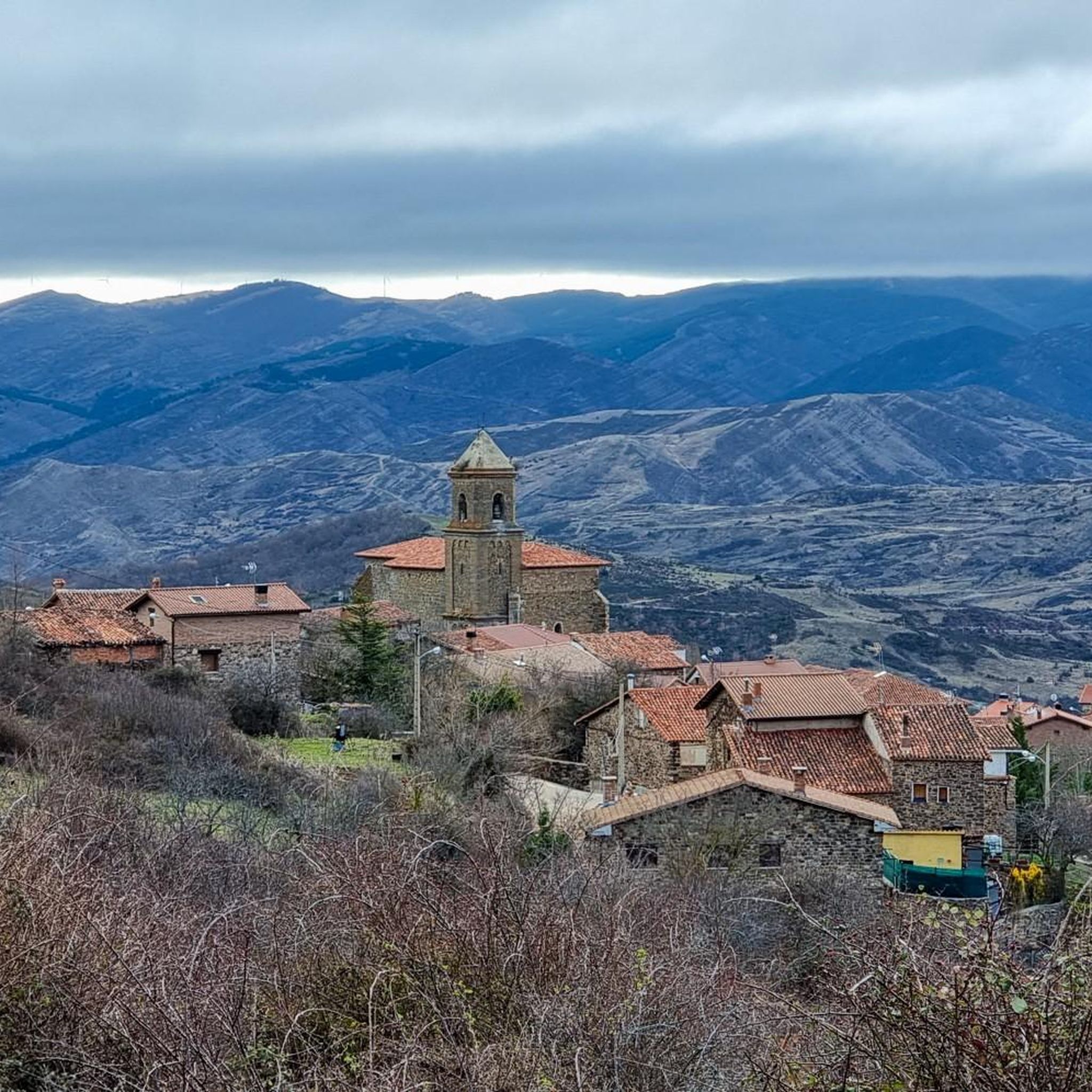
Torremuña is a town that had only 13 inhabitants in 2011. It is crowned by the church of Santa María La Blanca, which is in ruins. In ancient times, the town prospered thanks to the production of cereals, legumes and wool yarn. Little by little it became depopulated and in 1971 three Spanish-Flemish tables from the 16th century were stolen from its church.
0
0

The port of La Rasa is one of the busiest ports for the Tour of La Rioja, where it is considered a first-class port. The slope that ascends from the Iregua river is somewhat harder than its opposite, although the distance is somewhat similar. You will find successive horseshoe curves that allow you to gain perspective of the valley.
0
0

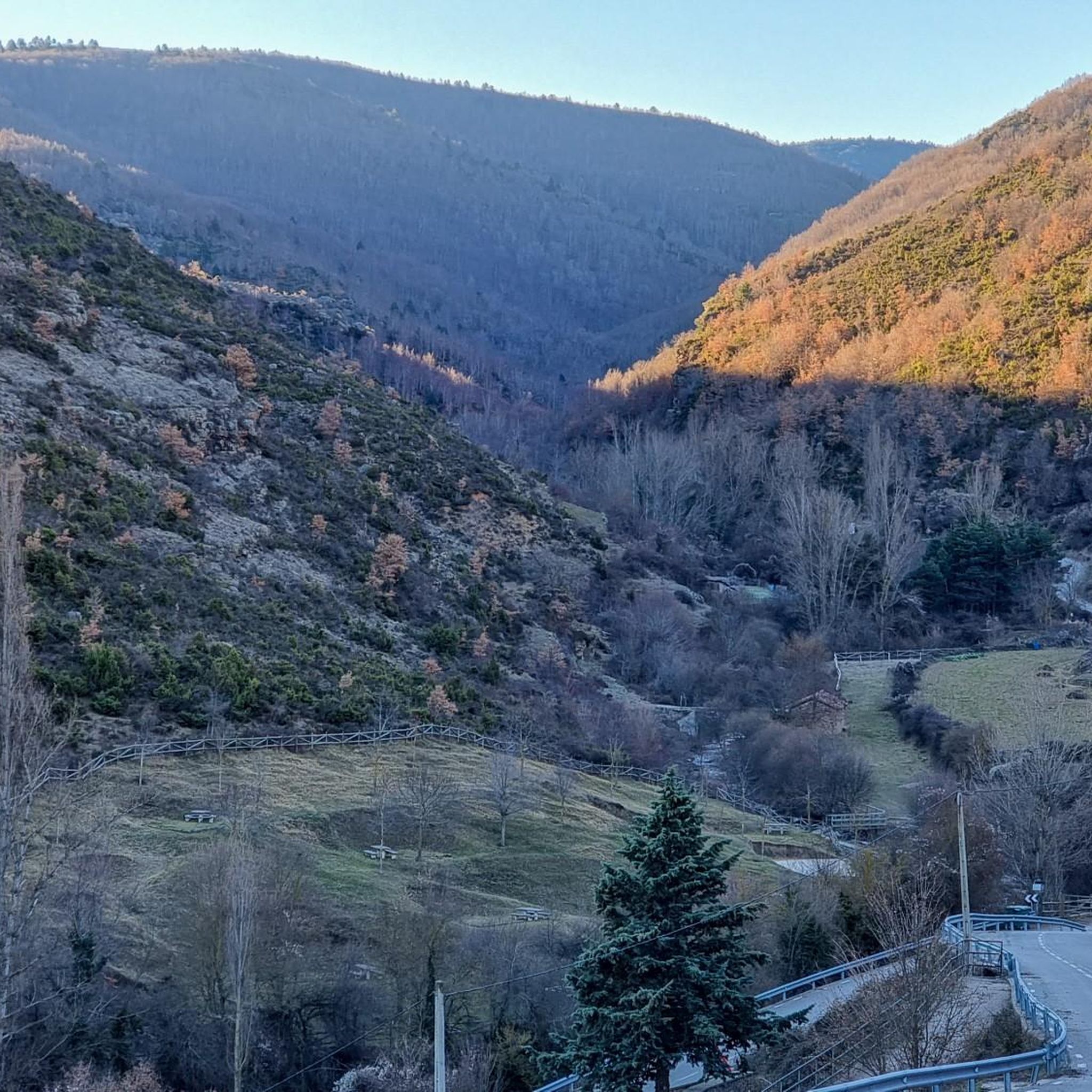
Small town at an altitude of 880 meters within the Tierra de Cameros region, specifically in the Camero Nuevo subregion. The relief of the municipality is marked by the valley of the Iregua river through which the streams come down from the high mountains of the Sierra de Camero Nuevo. In the middle of the town stands the parish church of San Martín, which consists of a Baroque part and another part from the 18th century.
3
0

It began to be built in the year 1545 in a masonry factory. It is a church with a rectangular plan, with a nave with three sections with chapels between buttresses, a transept and an octagonal apse with three levels. It is covered by star-shaped ribbed vaults of different layouts, and has slightly pointed arches. The three-section sacristy is a Baroque construction from the 17th and 18th centuries. The two-bodied tower is from the end of the 16th century. Inside the parish church, the main altarpiece stands out, built in walnut wood, dating from the beginning of the 18th century.
1
0
Interesting church, with an exterior with large arches and an attached tower. The altarpiece is a work of art.
0
0

In the middle of the old town, with very nice arcades.
1
0

In the 18th century, it is known that Torremuña produced cereals, legumes and wool yarn, in addition to having huge pastures. The church of Santa María la Blanca had its splendor in the 12th century when it was acquired by the bishops of Calahorra. Depopulation was reducing the town and in 1971 three Spanish-Flemish panels from the 16th century were stolen from its church. The last census of 2010 registered 10 inhabitants, the times that I have passed through the town recently I have only found an elderly couple who are amazed to see a group pass by by bike, we always stop to contemplate the ruins of the church and the views of the valley of Leza.
0
0
Frequently Asked Questions
What historical and architectural sites can I explore in Cabezón de Cameros?
Cabezón de Cameros is rich in history and traditional architecture. You can visit the 16th-century Church of Nuestra Señora de la Asunción, known for its Baroque reredos. Stroll through the village to admire well-preserved 19th-century houses built by 'Indianos,' featuring masonry and adobe construction. Don't miss the iconic Stone Bridge over the Leza River. Additionally, the nearby settlement of San Román de Cameros also boasts traditional stone architecture and streets.
Are there any natural attractions or viewpoints near Cabezón de Cameros?
Absolutely. The Leza River and its poplar-lined banks offer tranquil spots for relaxation. You can also find two symbolic Centenary Trees within the village. For stunning vistas, the Puerto de la Rasa (1,420 m) provides expansive views of the Leza and Iregua valleys. A short drive away, the Leza Canyon Viewpoint near Soto en Cameros offers spectacular views and opportunities to spot griffon vultures.
Where can I see dinosaur footprints in the area?
Just 1 km from Cabezón de Cameros, accessible via Calle Fragua, you can visit the Valdemayor Ichnite Site. This archaeological site preserves fascinating footprints of Iguanodons from the Lower Cretaceous period, offering a unique glimpse into prehistoric life.
What outdoor activities are popular around Cabezón de Cameros?
The mountainous terrain around Cabezón de Cameros is ideal for outdoor enthusiasts. You'll find numerous marked trails for hiking, cycling, and mountain biking. Popular routes include those around the Puerto de la Rasa and the challenging Cerro 1800 Trail for mountain biking. The Puerto de Sancho Leza is also a popular route for cyclists and hikers.
Are there hiking trails suitable for different difficulty levels?
Yes, the region offers a variety of hiking trails. For detailed information on routes, including difficulty, elevation, and characteristics, you can explore the Hiking around Cabezón De Cameros guide. This includes options like the moderate San Román Dehesa loop or the easy Viguera Waterfall loop.
What about cycling and mountain biking routes?
Cyclists and mountain bikers will find plenty of options. The MTB Trails around Cabezón De Cameros guide and the Cycling around Cabezón De Cameros guide provide details on routes ranging from moderate to difficult, such as the challenging Torre en Cameros – San Román Dehesa MTB loop or various cycling routes from San Román de Cameros.
What is the best time of year to visit Cabezón de Cameros?
The region is enjoyable throughout the year, but spring and autumn are particularly pleasant for outdoor activities like hiking and cycling, with milder temperatures and beautiful natural scenery. Summer is also popular, especially for enjoying the river and exploring the cooler mountain areas. Winter offers a different charm, though some higher trails might be less accessible.
Are there any family-friendly activities in Cabezón de Cameros?
Families can enjoy exploring the traditional architecture of Cabezón de Cameros and San Román de Cameros. The Valdemayor Ichnite Site with dinosaur footprints is a particularly engaging activity for children. Easy walks along the Leza River or shorter, less strenuous hiking trails are also suitable for families.
Where can I find accommodation or places to eat in the area?
Cabezón de Cameros and the wider Cameros region offer rural accommodation options, including guesthouses and rural houses. While Cabezón de Cameros itself is quaint, the larger town of San Román de Cameros, a short distance away, serves as a base with more services, including bars and restaurants where you can taste typical Rioja dishes.
What is the Sierra de Cebollera Natural Park, and how far is it?
The Sierra de Cebollera Natural Park is located on the northern slope of the Iberian System, offering extensive forests of pines, beeches, and oaks, along with mountain streams. It's a significant natural area in the broader Cameros region, providing opportunities for deeper immersion in nature. It's a short drive from Cabezón de Cameros, making it an excellent day trip destination.
Can I visit caves near Cabezón de Cameros?
Yes, the Ortigosa de Cameros Caves, specifically the Caves of 'La Paz' and 'La Viña,' are a notable attraction in the wider Cameros region. These tourist caves offer an opportunity to explore spectacular formations of stalactites, stalagmites, and other calcareous formations, providing a unique underground experience.
What is the significance of the Church of San Martín?
The Church of San Martín, constructed in 1545, is a significant religious building in the area. It features a rectangular plan with a nave, chapels, and an octagonal apse. Inside, visitors can admire a prominent main altarpiece from the early 18th century, making it a key historical and architectural highlight.
Most popular attractions around Cabezón De Cameros

Get inspired with the komoot mobile app


Explore more
Still not found the Highlight you’re looking for? See guides of the top attractions in other regions:
