The best road cycling routes around Robres Del Castillo
105
riders
5
rides
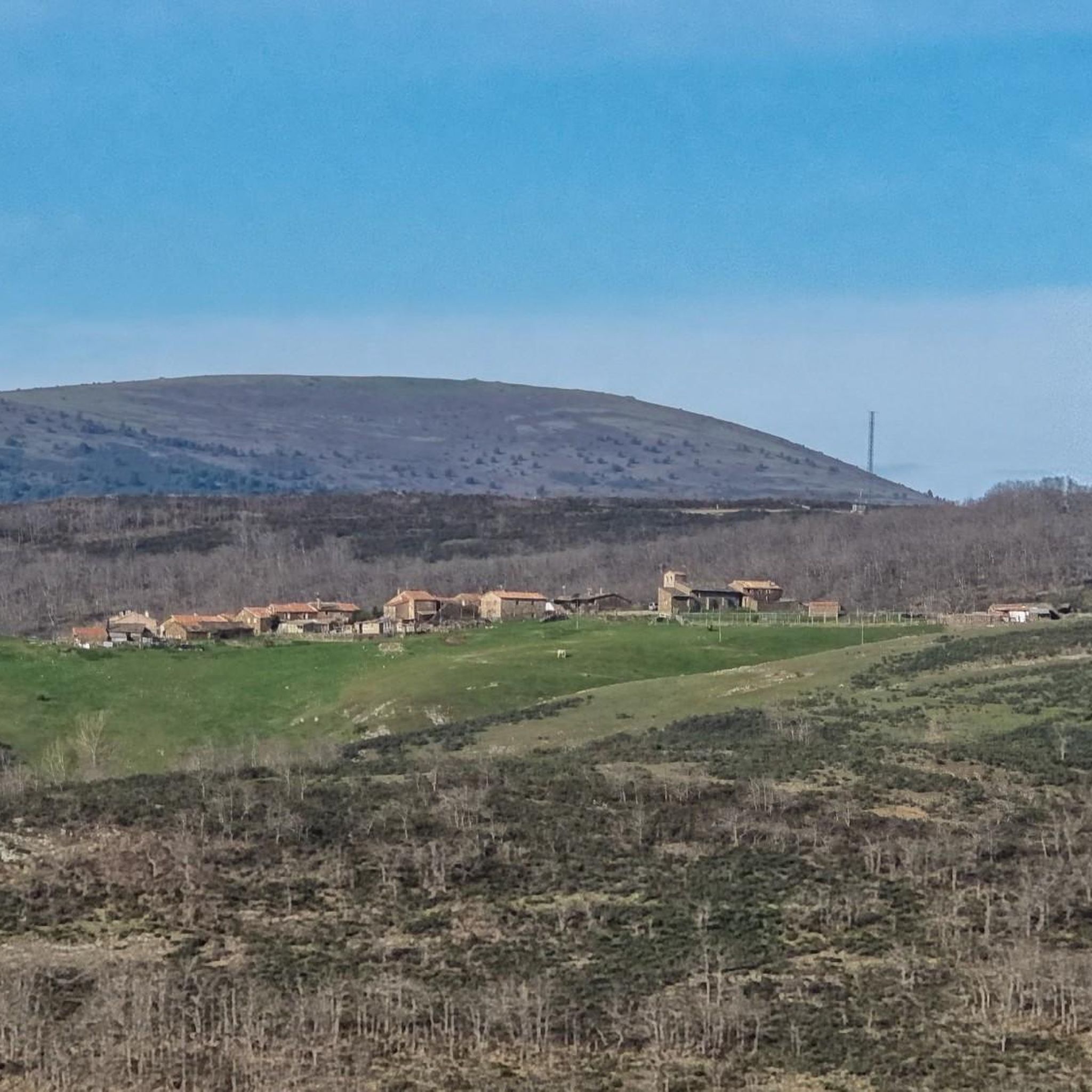
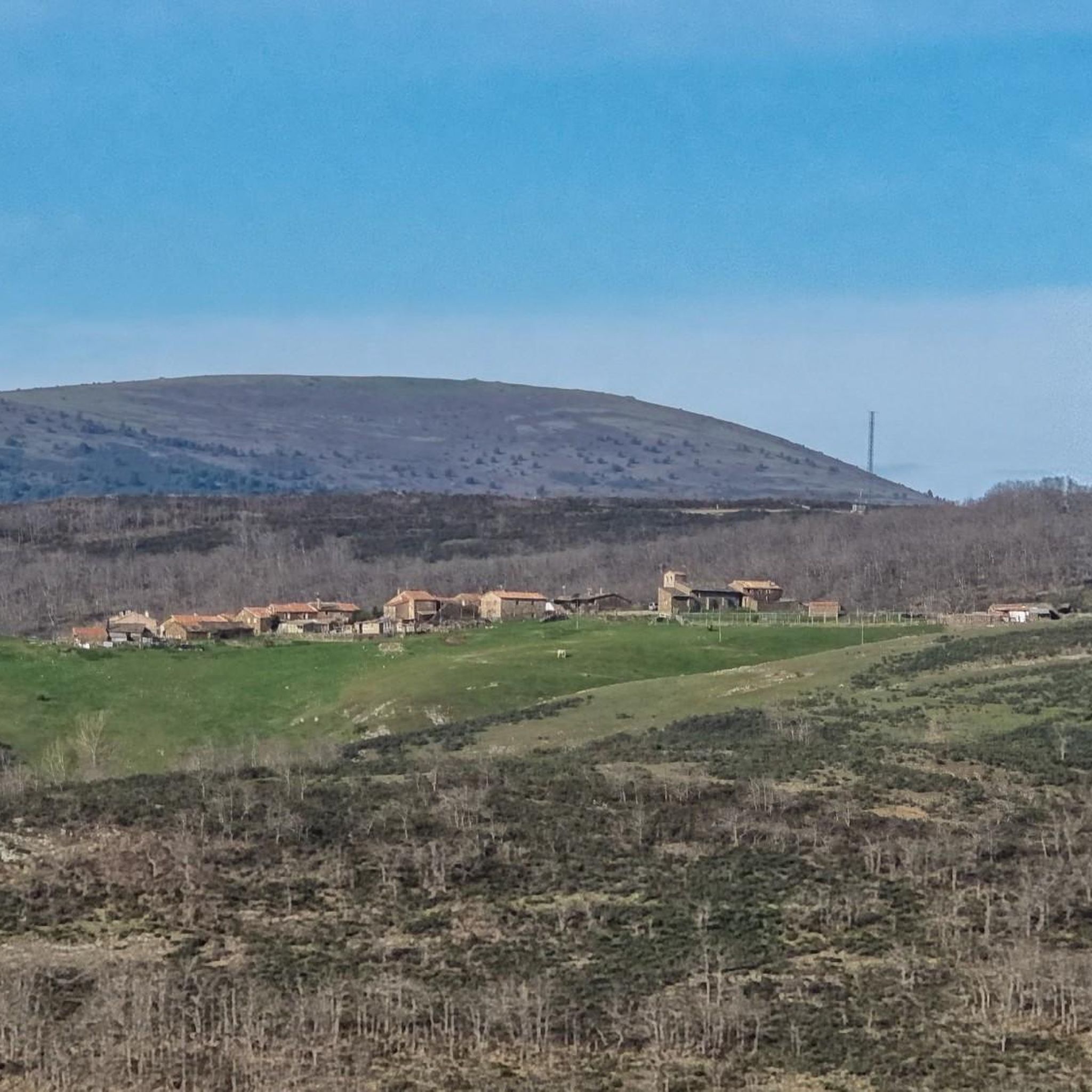
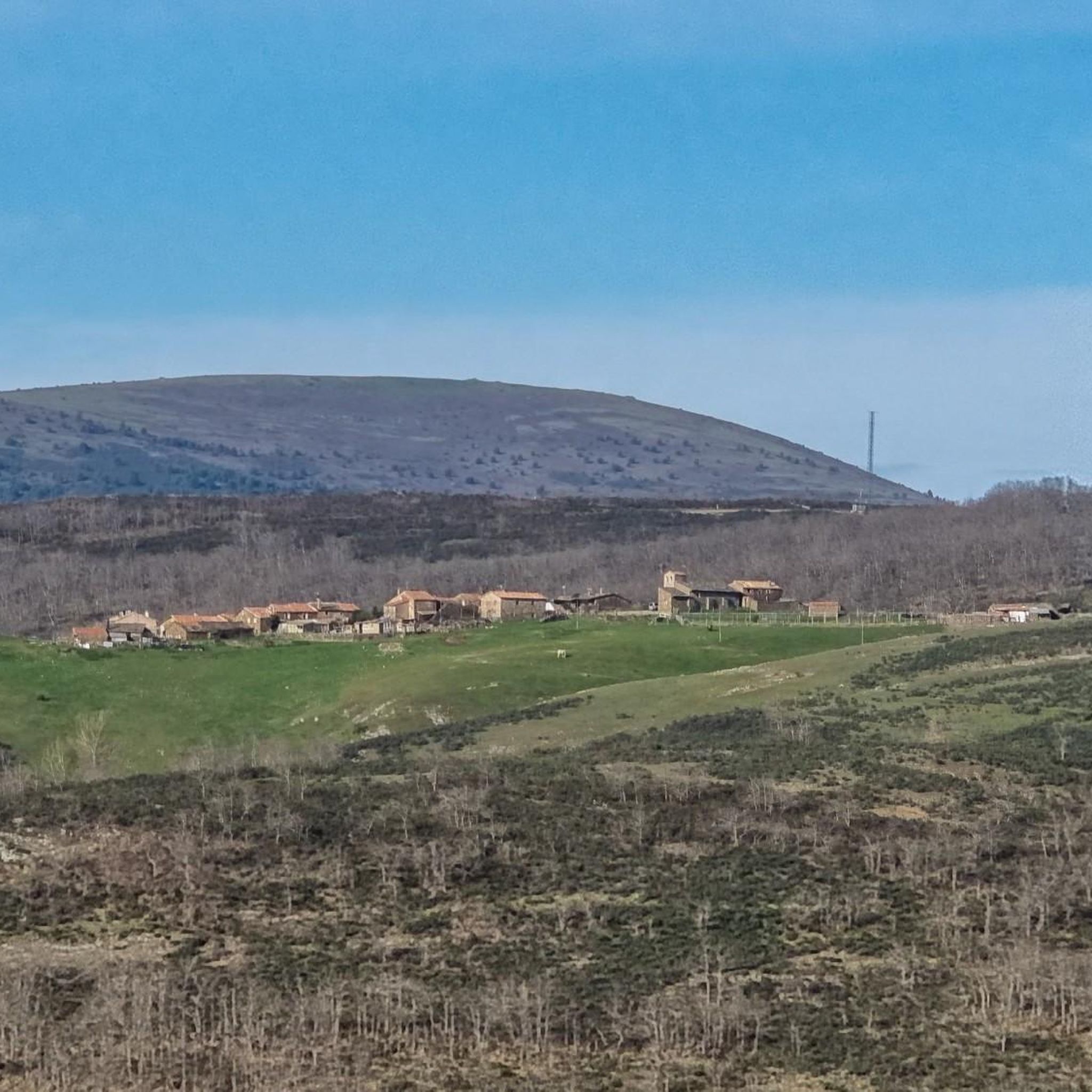
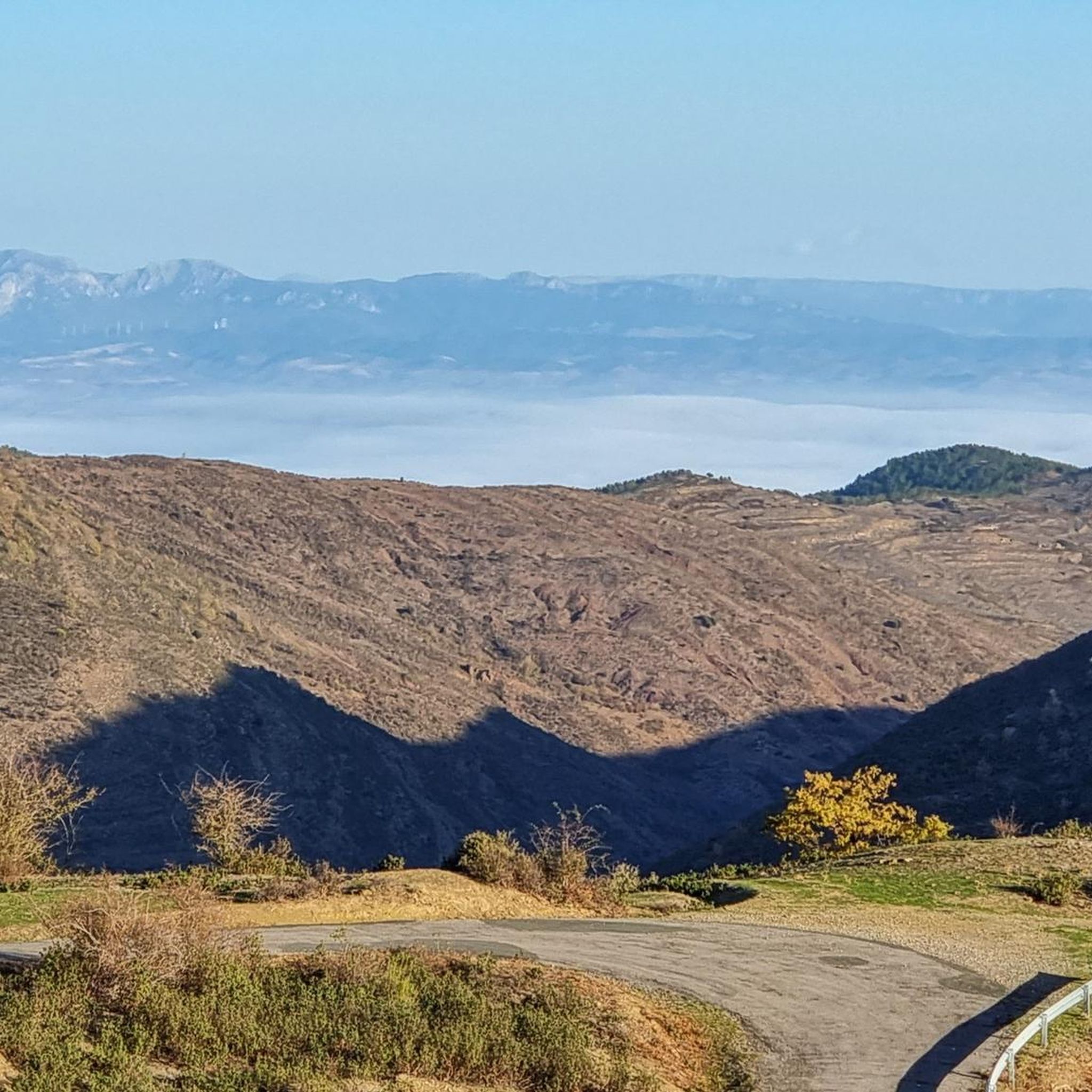
Road cycling routes around Robres Del Castillo traverse a region characterized by diverse landscapes and varied terrain within La Rioja, Spain. The area features mountainous terrain with notable hills like Peña del Castillo and Peñalmonte, alongside scenic river valleys such as the Jubera and Cidacos. Cyclists encounter routes that wind through agricultural landscapes, including vineyards, and offer views of surrounding mountains like Peña Isasa and Moncayo. The elevation gains vary, providing options for different skill levels.
Best road cycling routes around Robres Del Castillo
- The most popular road cycling route is Valle del Rio Cidacos and ancient town of Turruncun — circular from Arnedillo, a 40.9 miles (65.7 km) trail that takes 3 hours 19 minutes to complete. This difficult route explores the scenic Cidacos River valley and passes through historical areas.
- Another top favourite among local road cyclists is Soria Highlands Loop, a difficult 53.1 miles (85.5 km) path. This route features significant elevation gains through highland terrain, offering expansive views.
- Local road cyclists also love the Ocón Windmill – La Villa de Ocón loop from Galilea, a 14.1 miles (22.7 km) trail leading through rural landscapes, often completed in about 1 hour 19 minutes.
- Road cycling around Robres Del Castillo is defined by mountainous terrain, river valleys, and vineyard landscapes. The network offers options for different ability levels, from moderate loops to more challenging routes with considerable ascents.
- The guide includes highly-rated routes that showcase the best of the region's landscape. More than 100 road cyclists have used komoot to explore Robres Del Castillo's varied terrain.
Last updated: May 16, 2026
35
riders
65.7km
03:19
1,050m
1,060m
Hard road ride. Very good fitness required. Mostly well-paved surfaces and easy to ride.
9
riders
85.5km
04:14
1,340m
1,340m
This difficult 53.1-mile road cycling route through the Soria Highlands offers historic villages and sweeping views.

Sign up for free
8
riders
22.7km
01:19
450m
450m
Moderate road ride. Good fitness required. Some segments of this route may be unpaved and difficult to ride.
6
riders
43.2km
02:15
730m
730m
Moderate road ride. Good fitness required. Mostly well-paved surfaces and easy to ride.
3
riders
31.7km
02:09
790m
790m
Moderate road ride. Good fitness required. Mostly well-paved surfaces and easy to ride.
Our route recommendations are based on thousands of hikes, rides, and runs completed by other people on komoot.
Start today with a free account
Your next adventure awaits.
Login or Signup
Tips from the Community

Greenway Tunnel in Arnedillo
1
0

there is a fountain and bar in the square
1
0

A perfect place to take a break and take a cool photo.
0
0

A beautiful little village, but you'll have to climb some inclines to get here. Don't get confused, the windmills are not actually in this village!
1
0

Santa Cruz de Yanguas is a municipality in Soria in the Tierras Altas region, community of Castilla y León. During the Middle Ages it was part of the Community of Villa y Tierra de Yanguas. It is located in the Baos River basin, and has important forest and mycological resources. The municipal area is part of the Urbión Regional Reserve, with a large presence of deer, roe deer, wild boar and woodcock. Of its heritage, the Roman bridge that spans the bed of the Baos River, the church of the Santísima Trinidad (16th century) in Gothic style and the hermitage of the Virgen del Pilar stand out. As in the rest of the region, you can find dinosaur footprints (ichnites).
2
0
San Pedro Manrique is a municipality in Soria in the Tierras Altas region, in the community of Castilla y León. Its origin dates back to the Celts, Vascones, Iberians and Romans. With the passage of time, other neighboring towns such as Sarnago, Las Fuentes de San Pedro, Matasejún, Palacio de San Pedro, Taniñe, Valdenegrillos and Ventosa de San Pedro have been incorporated into the municipal area. San Pedro Manrique is well known for his particular way of celebrating San Juan Day. On the night of San Juan the well-known "paso del fuego" is carried out, in which the embers of a bonfire are stepped on by the town's natives, barefoot and carrying someone on their backs. Among its heritage, the hermitage of the Virgen de la Peña, the church of San Miguel, the remains of a castle on the outskirts and the ruins of the convent of San Pedro el Viejo stand out.
0
0

Famous for its Cuevas del Ajedrezado caves, the LR-115 highway passes through Santa Eulalia Somera and Santa Eulalia Bajera with the impressive sheer rock as a guide.
0
0
Riding through the valley of the Cidacos River between the mountains of Bergasa and Cabimonteros with its dominant red rock towering above you.
0
0
Frequently Asked Questions
What kind of terrain can I expect on road cycling routes around Robres Del Castillo?
The region offers a diverse landscape for road cyclists. You'll encounter mountainous terrain with notable hills like Peña del Castillo and Peñalmonte, alongside scenic river valleys such as the Jubera and Cidacos. Routes often wind through agricultural areas, including vineyards, and provide expansive views of surrounding mountains like Peña Isasa and Moncayo. Expect varying elevation gains, catering to different skill levels.
Are there road cycling routes suitable for beginners or those looking for an easier ride?
Yes, while the area features challenging routes, there are options for less experienced cyclists. For instance, the Ocón Windmill – La Villa de Ocón loop from Galilea is a moderate 14.1-mile (22.7 km) trail that takes about 1 hour 19 minutes, leading through rural landscapes with manageable ascents.
What are some of the more challenging road cycling routes in the area?
For experienced cyclists seeking a challenge, routes with significant elevation gains are available. The Soria Highlands Loop is a difficult 53.1-mile (85.5 km) path featuring substantial climbs and expansive views. Another demanding option is the Valle del Rio Cidacos and ancient town of Turruncun — circular from Arnedillo, a difficult 40.9-mile (65.7 km) trail exploring the scenic Cidacos River valley.
Are there any circular road cycling routes around Robres Del Castillo?
Yes, several routes are designed as loops. Examples include the Valle del Rio Cidacos and ancient town of Turruncun — circular from Arnedillo, the Ocón Windmill – La Villa de Ocón loop from Galilea, and the Arnedillo and thermal baths – Arnedillo Castle loop from Arnedillo. These circular routes offer the convenience of starting and ending in the same location.
What kind of attractions or landmarks can I see along the road cycling routes?
The routes often pass by historical and natural points of interest. You might encounter a 16th-century bridge over the Jubera River or the unique Hermitage of San Tirso, carved into rock. Natural highlights include the stunning Leza Canyon Viewpoint and the scenic Cidacos Valley. Some routes also lead through charming villages like Soto en Cameros or Arnedillo, where you can find thermal baths.
Are there any specific viewpoints or scenic spots on the road cycling routes?
Absolutely. From vantage points like Peñalmonte, you can enjoy magnificent views of the Serralay, Cabimonteros, Peña Isasa, and Moncayo mountains. The local valleys offer incredible vistas, and the Leza Canyon Viewpoint is a notable spot for dramatic scenery.
What is the best time of year to go road cycling in Robres Del Castillo?
La Rioja, including the area around Robres Del Castillo, is particularly beautiful in autumn when the beech forests and vineyards transform with vibrant colors. Spring and early summer also offer pleasant temperatures and lush landscapes. While specific weather conditions vary, these seasons generally provide ideal conditions for road cycling.
Are there places to eat or stay near the road cycling routes in Robres Del Castillo?
Yes, the charming villages scattered throughout the region, such as Munilla, Arnedillo, Villoslada de Cameros, and Soto de Cameros, often provide opportunities for refreshments, meals, and accommodation. These traditional mountain communities offer a chance to experience local culture and hospitality.
Is public transport available to Robres Del Castillo for cyclists with bikes?
While specific public transport options for bikes can vary, it's advisable to check local bus or train services in La Rioja. Generally, regional buses might have limited space for bikes, and it's best to inquire directly with the transport provider in advance regarding their bike carriage policies and any associated fees.
Where can I find parking for road cycling routes in Robres Del Castillo?
Parking is typically available in or near the villages that serve as starting points for many routes, such as Arnedillo or Galilea. Look for designated parking areas within these towns, which often cater to visitors exploring the surrounding natural areas and trails.
Are there any permits required for road cycling in La Rioja, Spain?
Generally, no specific permits are required for road cycling on public roads in La Rioja. However, if your route takes you through protected natural parks or private land, it's always wise to check for any specific regulations or access restrictions that might apply.
What is the average length and duration of road cycling routes in this region?
The routes vary significantly in length and duration. For example, the Ocón Windmill – La Villa de Ocón loop from Galilea is about 14.1 miles (22.7 km) and takes around 1 hour 19 minutes, while the more challenging Soria Highlands Loop spans 53.1 miles (85.5 km) and can take over 4 hours to complete. You can find routes ranging from moderate, shorter rides to longer, more demanding excursions.
Most popular attractions around Robres Del Castillo

Get inspired with the komoot mobile app


Explore more
Browse the best Road cycling routes in other regions.
