Attractions and Places To See around Las Hormazas - Top 9
Best attractions and places to see around Las Hormazas include historical sites, religious buildings, and traditional architecture within this tranquil municipality in the Burgos province. The area is characterized by its unique urban structure, formed by three distinct neighborhoods: La Parte, Borcos, and Solano. Situated on heights where the Hormazuelas river begins, the region features extensive moorlands and narrow valleys with lush vegetation.
Best attractions and places to see around Las Hormazas
- The most popular attractions is San Nicolás de…
Last updated: June 29, 2026
Medieval bridge over the Brullés River (Villadiego)
Highlight • Bridge
Translated by Google •
Tip by

La Piedra
Highlight • Settlement
Translated by Google •
Tip by
Sign up now to discover places like this
Get recommendations on the best single tracks, peaks, & plenty of other exciting outdoor places.
Sign up for free
Tower of Olmos de la Picaza
Highlight • Monument
Translated by Google •
Tip by
Urbel Castle
Highlight • Castle
Translated by Google •
Tip by
San Nicolás de Bari Church, Santibáñez-Zarzaguda
Highlight • Religious Site
Translated by Google •
Tip by

Sign up for free to discover even more attractions around Las Hormazas.
Sign up for free
Already have an account?
Start today with a free account
Your next adventure awaits.
Login or Signup
Popular around Las Hormazas
Tips from the Community

The Medieval Bridge of Villadiego is a historic structure located in the town of Villadiego, in the province of Burgos, Castile and León, Spain. Dating back to medieval times, this bridge is a notable example of the architecture of the period and has witnessed numerous historical events over the centuries. The bridge is built of stone and has several arches that allow passage over the Brullés River. Its robust design and strategic location made it an important point for transit and trade in the region during the Middle Ages.
6
0
In and around Olmos de la Picaza, you can enjoy outdoor activities such as hiking and cycling. In addition, the region has several points of historical and cultural interest, such as churches and traditional buildings that reflect the typical architecture of the area.
4
0
The Brullés River is born from a series of springs and fountains near Fuencivil. After travelling thirty-five kilometres it flows into the Odra River, which in turn flows into the Pisuerga. It passes through various towns including Quintanilla de la Presa, Brullés, Villaute and Villadiego.
6
0
The Villadiego bridge is an example of civil architecture that is made up of three arches, the central one being higher and wider than the side ones. It is made of stone, its construction is ashlar and it has a vaulted structure.
6
0
La Piedra is a small town in the municipality of Basconcillos del Tozo, in the province of Burgos, Castile and Leon. This place is known for its ashlar stone buildings, typical of the region, and its natural surroundings that invite exploration and enjoyment of the landscape. La Piedra is located about 48 kilometers from Burgos, making it an accessible destination for a day trip.
8
0
Urbel Castle, also known as Urbel Castle of the Castle, is a medieval fortress located in the province of Burgos. This castle is located in a strategic position on a hill, which allowed it to control the valley of the Urbel River and the trade routes of the region. Built in the 9th century, the castle has gone through several phases of reconstruction and restoration over the centuries. Although it is currently in ruins, remains of its walls, towers and other defensive structures can be seen. The natural environment that surrounds it and the panoramic views from the castle make it a place of both historical and tourist interest.
8
0

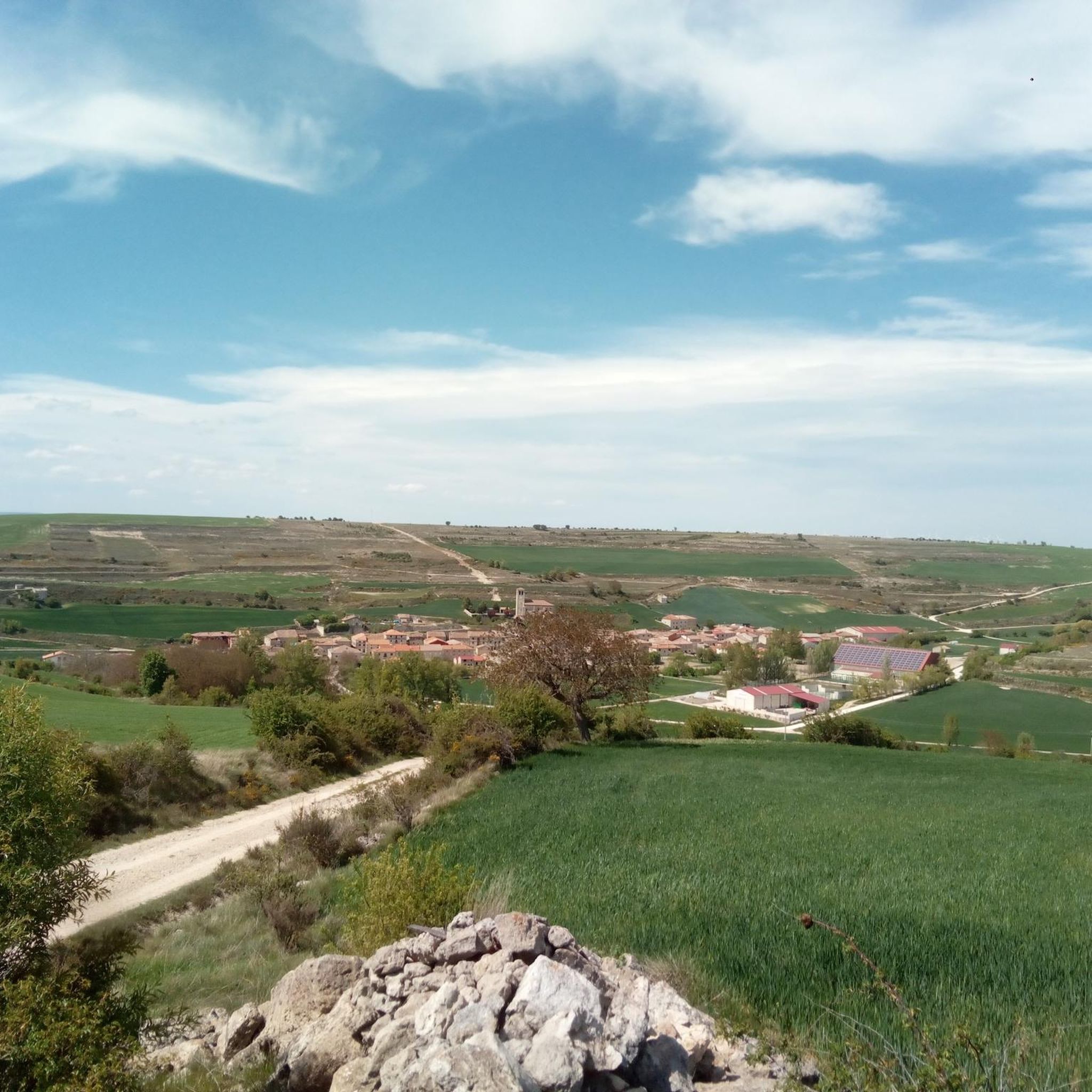
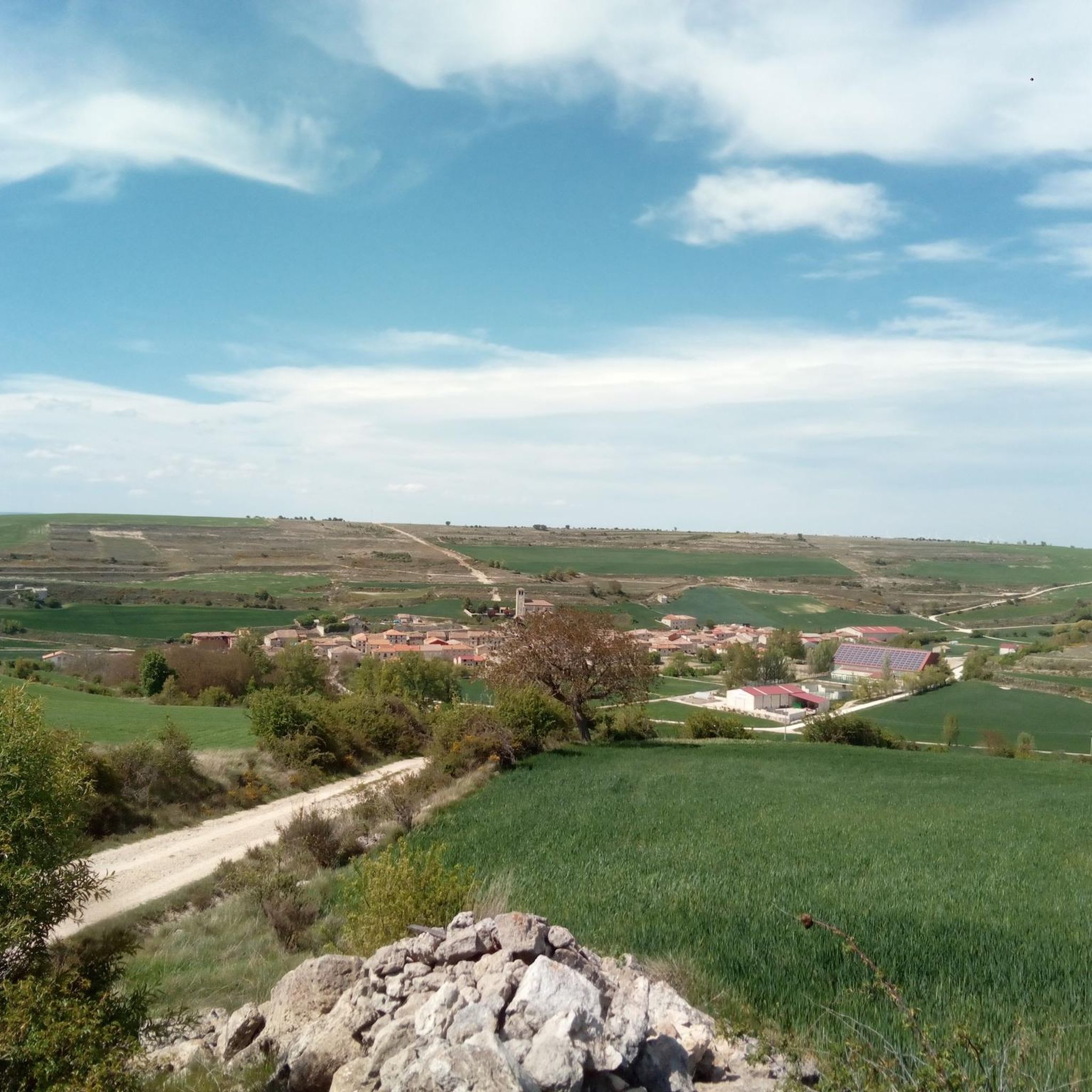
Santibáñez is a great place to start your adventure in the Urbel Valley area with the tall bell tower of the Church of San Nicolás de Bari guiding you.
1
0

In the Omos de la Picaza there is a tower that rises over the rest of the roofs of the town and that can be seen when the town arrives from any of the directions.
0
0
Frequently Asked Questions
What historical sites can I explore in and around Las Hormazas?
Las Hormazas boasts a rich medieval past. You can visit the Medieval bridge over the Brullés River (Villadiego), an excellent example of civil architecture. Another significant historical site is the Urbel Castle, a medieval fortress strategically located on a hill, offering panoramic views. The area also features traditional stone houses, some with original adobe-built wood-fired ovens, reflecting the region's heritage.
Are there any religious buildings worth visiting in Las Hormazas?
Yes, each of Las Hormazas' three neighborhoods—La Parte, Borcos, and Solano—has its own historical church. These include the Churches of San Pelayo, Santiago, and San Pedro, known for their Baroque altarpieces. Additionally, the San Nicolás de Bari Church, Santibáñez-Zarzaguda, with its tall bell tower, serves as a guiding landmark in the Urbel Valley area.
What natural features characterize the landscape around Las Hormazas?
The region is situated on heights where the Hormazuelas river begins, leading to extensive moorlands. In areas like Borcos, you'll find narrow valleys with lush vegetation. The name 'Las Hormazas' itself refers to earth or adobe walls, common during the area's reconquest and repopulation, hinting at its natural building materials.
What outdoor activities can I do near Las Hormazas?
The area around Las Hormazas is ideal for outdoor activities like hiking and cycling. You can explore various routes, including those suitable for mountain biking and road cycling. For detailed routes, check out the MTB Trails around Las Hormazas or the Road Cycling Routes around Las Hormazas.
Are there family-friendly attractions or activities in Las Hormazas?
Yes, several attractions are suitable for families. The Medieval bridge over the Brullés River (Villadiego) and the Tower of Olmos de la Picaza are both categorized as family-friendly. The La Parte neighborhood, free of vehicle traffic, offers a peaceful rural accommodation experience ideal for families.
Where can I find good viewpoints around Las Hormazas?
The Urbel Castle, located on a strategic hill, offers panoramic views of the Urbel River valley and the surrounding landscape. Additionally, the Tower of Olmos de la Picaza rises above the town's hills and can be seen from any direction upon arrival, providing a prominent landmark.
What is the best time to visit Las Hormazas?
The region experiences a semi-humid and cold climate, with cold, long winters often bringing snow and frost, and short, dry summers. For outdoor activities and exploring the historical sites comfortably, late spring, summer, and early autumn would generally be the most pleasant times to visit.
Are there any unique architectural features in Las Hormazas?
Yes, Las Hormazas is known for its traditional architecture, particularly its stone houses. Many of these still feature original adobe-built wood-fired ovens protruding from their facades, a unique historical detail that reflects traditional Castilian life and culinary practices.
What is the significance of the Hermitage of Nuestra Señora del Castillo?
The Hermitage of Nuestra Señora del Castillo, located on the Cerro del Castillo (Castle Hill), holds significant cultural and historical importance for the area. It overlooks the surrounding landscape, offering a glimpse into the region's religious heritage and providing a scenic spot.
Can I find accommodation or places to eat near Las Hormazas?
While specific cafes or restaurants within Las Hormazas are not detailed, the La Parte neighborhood is noted for offering peaceful rural accommodation. For broader options, you might explore nearby towns in the Burgos province, which often feature local eateries and guesthouses.
What are some of the longer cycling routes available near Las Hormazas?
For road cycling enthusiasts, there are several moderate to difficult routes. Examples include the 'Páramo de Villadiego — circular por Úrbel del Castillo y Tobar' (approx. 67 km) and the 'Hermitage of Celadilla-Sotobrín – Views of Tobar loop from Burgos - Rosa Manzano' (approx. 91 km). You can find more options on the Road Cycling Routes around Las Hormazas guide.
Are there easy walking or cycling routes suitable for beginners or families?
Yes, for mountain biking, there are easy routes such as the 'Torre de Villaute loop from Las Hormazas' (approx. 15 km) and the 'Torre de Villaute loop from Villalibado' (approx. 15.5 km). These routes offer a gentler introduction to exploring the area's natural beauty. More details can be found in the MTB Trails around Las Hormazas guide.
Most popular routes around Las Hormazas

Get inspired with the komoot mobile app


Explore more
Still not found the Highlight you’re looking for? See guides of the top attractions in other regions:
