The best road cycling routes around Las Hormazas
5.0
(2)
142
riders
7
rides
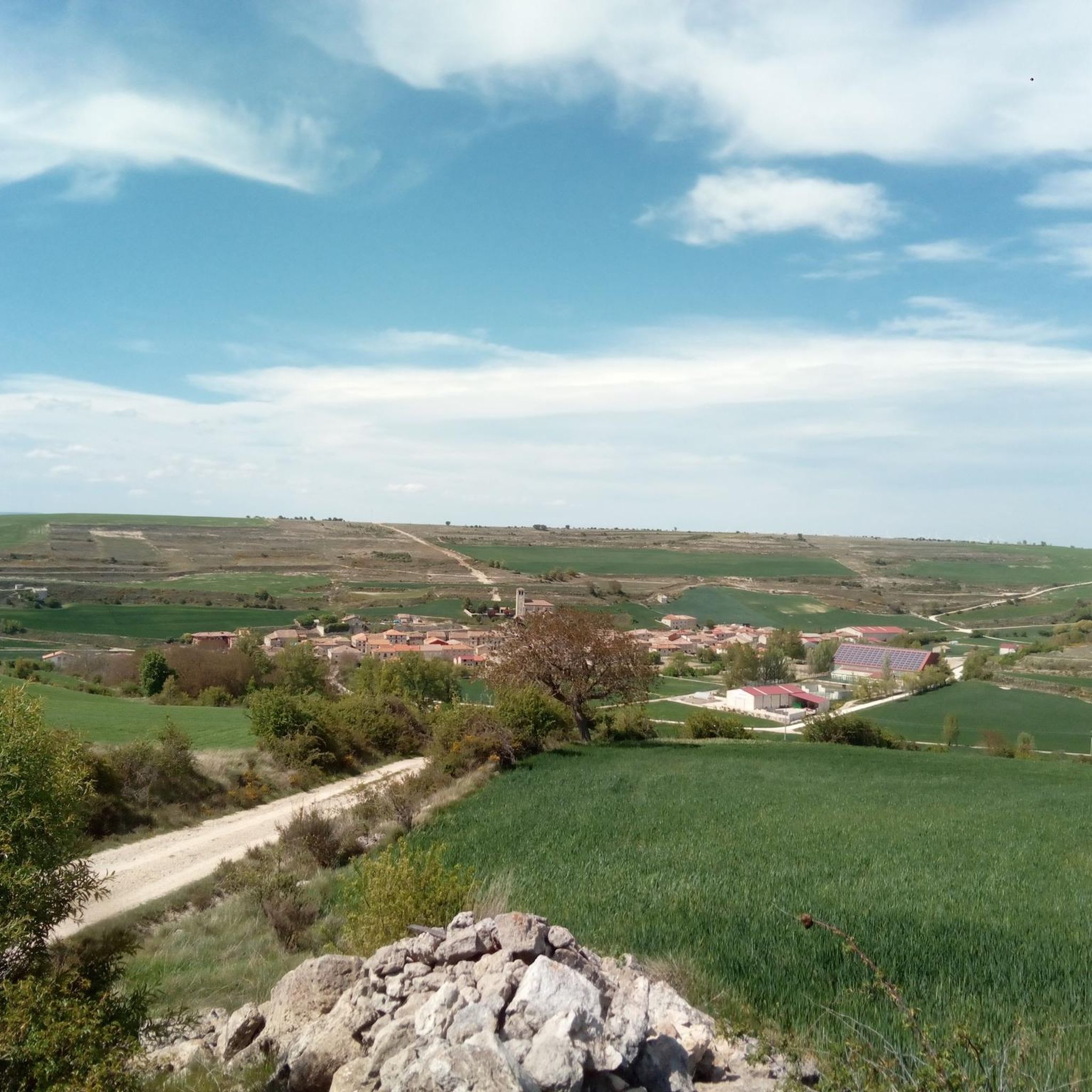
Road cycling routes around Las Hormazas traverse diverse and scenic landscapes within the province of Burgos. The terrain features a mix of paved roads and asphalt, with varying ascents and descents across typically Castilian valleys and plateaus. This region acts as a transitional zone, offering expansive vistas from the vast Castilian plain to greener meadows and rolling hills. Routes often follow secondary roads, providing an immersive experience in the natural surroundings.
Best road cycling routes around Las Hormazas
- The most popular road cycling route is Páramo de Villadiego — circular por Úrbel del Castillo y Tobar, a 42.1 miles (67.7 km) trail that takes 2 hours 55 minutes to complete. This moderate route explores the Páramo de Villadiego, passing through Úrbel del Castillo and Tobar.
- Another top favourite among local road cyclists is Quintanillas Road – Arlanzón River Crossing loop from Burgos - Rosa Manzano, a moderate 64.2 miles (103.3 km) path. This route features a loop that crosses the Arlanzón River.
- Local road cyclists also love the Hermitage of Celadilla-Sotobrín – Views of Tobar loop from Burgos - Rosa Manzano, a 56.7 miles (91.2 km) trail leading through varied terrain, often completed in about 4 hours 5 minutes.
- Road cycling around Las Hormazas is defined by Castilian valleys and plateaus, rolling hills, and a mix of paved and asphalt roads. The network offers options for different ability levels, from moderate rides to more challenging routes.
- The routes in Las Hormazas are highly rated by the komoot community with an average score of 5.0 stars from more than 2 reviews. More than 140 road cyclists have used komoot to explore Las Hormazas's varied terrain.
Last updated: June 28, 2026
3
riders
67.7km
02:55
570m
570m
Moderate road ride. Good fitness required. Mostly well-paved surfaces and easy to ride.
3
riders
Moderate road ride. Good fitness required. Mostly well-paved surfaces and easy to ride.

Sign up for free
5.0
(1)
54
riders
83.7km
03:40
650m
650m
Moderate road ride. Good fitness required. Some segments of this route may be unpaved and difficult to ride.
31
riders
Hard road ride. Very good fitness required. Some segments of this route may be unpaved and difficult to ride.
5.0
(1)
25
riders
Moderate road ride. Good fitness required. Some segments of this route may be unpaved and difficult to ride.
Get access to more routes and recommendations from other explorers.
Sign up for free
Already have an account?
Our route recommendations are based on thousands of hikes, rides, and runs completed by other people on komoot.
Start today with a free account
Your next adventure awaits.
Login or Signup
Popular around Las Hormazas
Tips from the Community

The Church of Our Lady of the Assumption in Tardajos (Burgos) is one of the most emblematic churches on the French Way of St. James, both for its historical significance and its architecture. It was built in 13th-century Gothic style, although it incorporates Romanesque (12th-century), Renaissance (16th-17th centuries), and Baroque (18th-century) elements. It stands on a hill in the oldest part of the town, giving it a fortress-like appearance.
1
0

The Arch of Santa Maria is one of the twelve medieval gates that the city had during the Middle Ages. It was rebuilt by the Holy Roman Emperor, Charles V, during the 16th century after the local rulers of the city supported him during the Revolt of the Comuneros.
11
0
In and around Olmos de la Picaza, you can enjoy outdoor activities such as hiking and cycling. In addition, the region has several points of historical and cultural interest, such as churches and traditional buildings that reflect the typical architecture of the area.
6
0

The Rio Arlanzon is a river in northern Spain, which flows through the province of Burgos. The river rises in the Sierra de la Demanda and the province of Burgos and then flows through the city of Burgos, where it divides the city in two. It is an important tributary of the Rio Arlanza and is part of the Duero water board. The river has a length of approximately 131 km and an average flow of approximately 4.4 m³/s.
1
0
La Piedra is a small town in the municipality of Basconcillos del Tozo, in the province of Burgos, Castile and Leon. This place is known for its ashlar stone buildings, typical of the region, and its natural surroundings that invite exploration and enjoyment of the landscape. La Piedra is located about 48 kilometers from Burgos, making it an accessible destination for a day trip.
8
0

Burgos is a city with a rich historical and cultural heritage. Here are some recommendations of places you can't miss: Burgos Cathedral: It is one of the most impressive Gothic cathedrals in Spain and has been declared a World Heritage Site by UNESCO. Museum of Human Evolution: A fascinating place that displays findings from the nearby Atapuerca site, one of the most important in the world in terms of remains of prehistoric human beings. Las Huelgas Monastery: A Cistercian monastery with a rich history and impressive architecture. St. Mary's Arch: One of the old city gates that now houses temporary exhibitions and offers a panoramic view of the city. Paseo del Espolón: A beautiful walk along the Arlanzón River, perfect to enjoy a sunny day. Furthermore, the gastronomy of Burgos is something you cannot miss, with typical dishes such as Burgos blood sausage and lamb. Enjoy your visit! 🏰🍽️
21
0
Frequently Asked Questions
How many road cycling routes are available around Las Hormazas?
There are 7 road cycling routes around Las Hormazas, offering a variety of experiences for different skill levels. Most of these routes are moderate, with one challenging option for experienced cyclists.
What kind of terrain can I expect on road cycling routes near Las Hormazas?
Road cycling routes around Las Hormazas feature diverse and scenic landscapes, including typically Castilian valleys and plateaus. You'll find a mix of paved roads and asphalt, with varying ascents and descents. The region acts as a transitional zone, offering expansive vistas from the vast Castilian plain to greener meadows and rolling hills.
Are there challenging road cycling routes for advanced riders?
Yes, for advanced riders seeking a challenge, the Hermitage of Celadilla-Sotobrín – Views of Tobar loop from Burgos - Rosa Manzano is a difficult 91.2 km trail with significant elevation changes, typically completed in about 4 hours and 5 minutes.
Are there any easier road cycling routes suitable for beginners?
While most routes are moderate, the region's secondary roads generally feature minimal traffic, making them more accessible. For a moderate but shorter option, consider Pedrosa de río Urbel from Santibáñez-Zarzaguda — circular by the río Urbel, which is 32.3 km long and takes about 1 hour 26 minutes.
What natural features or viewpoints can I see along the road cycling routes?
The routes often pass through expansive Castilian valleys and plateaus, offering picturesque settings and wide vistas. You can also encounter rolling hills and greener meadows, especially as the region transitions between Mediterranean and oceanic climates. While specific natural features like waterfalls are not prominent, the overall landscape provides scenic viewpoints.
Are there any historical landmarks or charming villages to explore on a road cycling trip?
Yes, road cycling routes in the area frequently pass through charming villages with artistic and monumental interest. You might encounter landmarks such as the Medieval bridge over the Brullés River (Villadiego), the Tower of Olmos de la Picaza, or Urbel Castle. The region's rich history is also reflected in its cultural sites and medieval heritage.
What is the best time of year for road cycling in Las Hormazas?
The region's climate, being a transitional zone between Mediterranean and oceanic, generally offers pleasant conditions for cycling. Spring and autumn are often ideal, providing comfortable temperatures and vibrant landscapes. Summers can be warm, so early morning or late afternoon rides are recommended, while winters can be cooler.
Are there any loop road cycling routes available?
Yes, many of the routes around Las Hormazas are designed as loops. For example, the popular Páramo de Villadiego — circular por Úrbel del Castillo y Tobar is a 67.7 km circular route, and the Quintanillas Road – Arlanzón River Crossing loop from Burgos - Rosa Manzano is another excellent loop option.
What do other road cyclists enjoy the most about road cycling in Las Hormazas?
The area is highly rated by the komoot community, with an average score of 5.0 stars. Cyclists often praise the diverse topography, the quiet secondary roads with minimal traffic, and the immersive experience in the natural surroundings. The combination of physical activity and scenic exploration is a key draw.
Is there parking available for road cycling trails near Las Hormazas?
While specific parking locations for each trail are not detailed, road cycling routes in this region often utilize secondary roads passing through villages. It is generally possible to find parking in or near these charming villages, which can serve as convenient starting points for your rides.
Are there any routes that follow rivers or offer views of water bodies?
Yes, some routes incorporate river crossings or follow river paths. For instance, the Quintanillas Road – Arlanzón River Crossing loop from Burgos - Rosa Manzano features a loop that crosses the Arlanzón River, providing pleasant waterside sections.
Can I find cafes or places to stop for refreshments along the routes?
Routes in the Las Hormazas area frequently pass through charming villages. These villages often provide opportunities to stop for refreshments, whether at local cafes, bars, or small shops, allowing you to refuel and experience the local culture during your ride.
Most popular routes around Las Hormazas
Most popular attractions around Las Hormazas

Get inspired with the komoot mobile app


Explore more
Browse the best Road cycling routes in other regions.
