Attractions and Places To See around Bernardos - Top 12
Attractions and places to see around Bernardos, a town in the province of Segovia, Spain, offer a rich historical and archaeological heritage. The area is known for its ancient sites, providing insights into past inhabitants and continuous occupation through various historical periods. Bernardos is also situated in a region historically significant for slate production, with the Eresma river contributing to its natural features. Visitors can explore both man-made monuments and natural landscapes.
Best attractions and places to see around Bernardos
…Last updated: August 16, 2026
Ortigosa del Pestaño — Abandoned Railway Station
Highlight • Monument
Translated by Google •
Tip by

Vía Verde del Valle del Eresma – Countryside Section
Highlight (Segment) • Cycleway
Translated by Google •
Tip by
Sign up now to discover places like this
Get recommendations on the best single tracks, peaks, & plenty of other exciting outdoor places.
Sign up for free
Old Yanguas de Eresma Station
Highlight • Historical Site
Translated by Google •
Tip by
Hermitage of the Virgin of the Well
Highlight • Religious Site
Translated by Google •
Tip by
Nava de la Asunción
Highlight • Settlement
Translated by Google •
Tip by

Sign up for free to discover even more attractions around Bernardos.
Sign up for free
Already have an account?
Start today with a free account
Your next adventure awaits.
Login or Signup


Tips from the Community

Old abandoned station
0
0

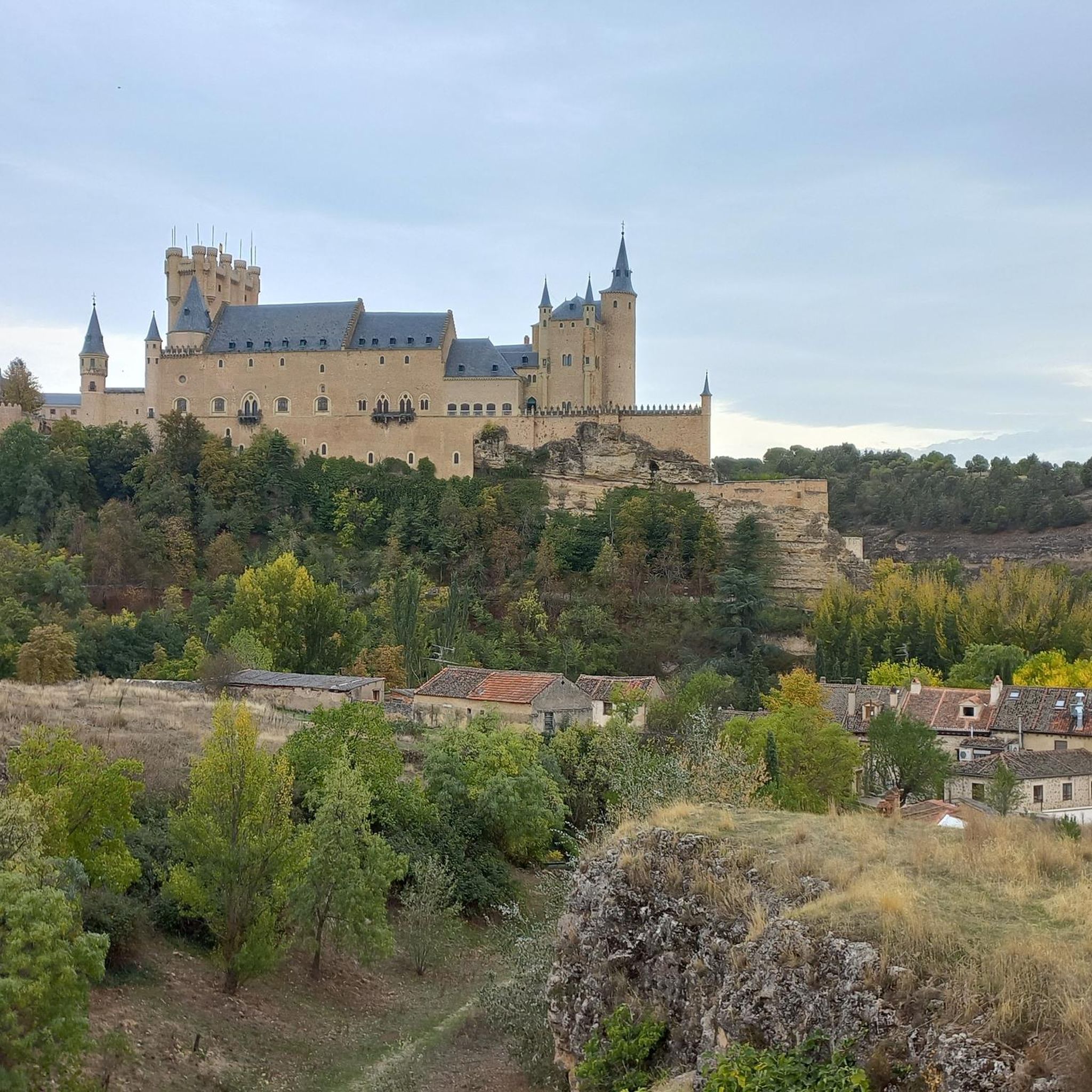
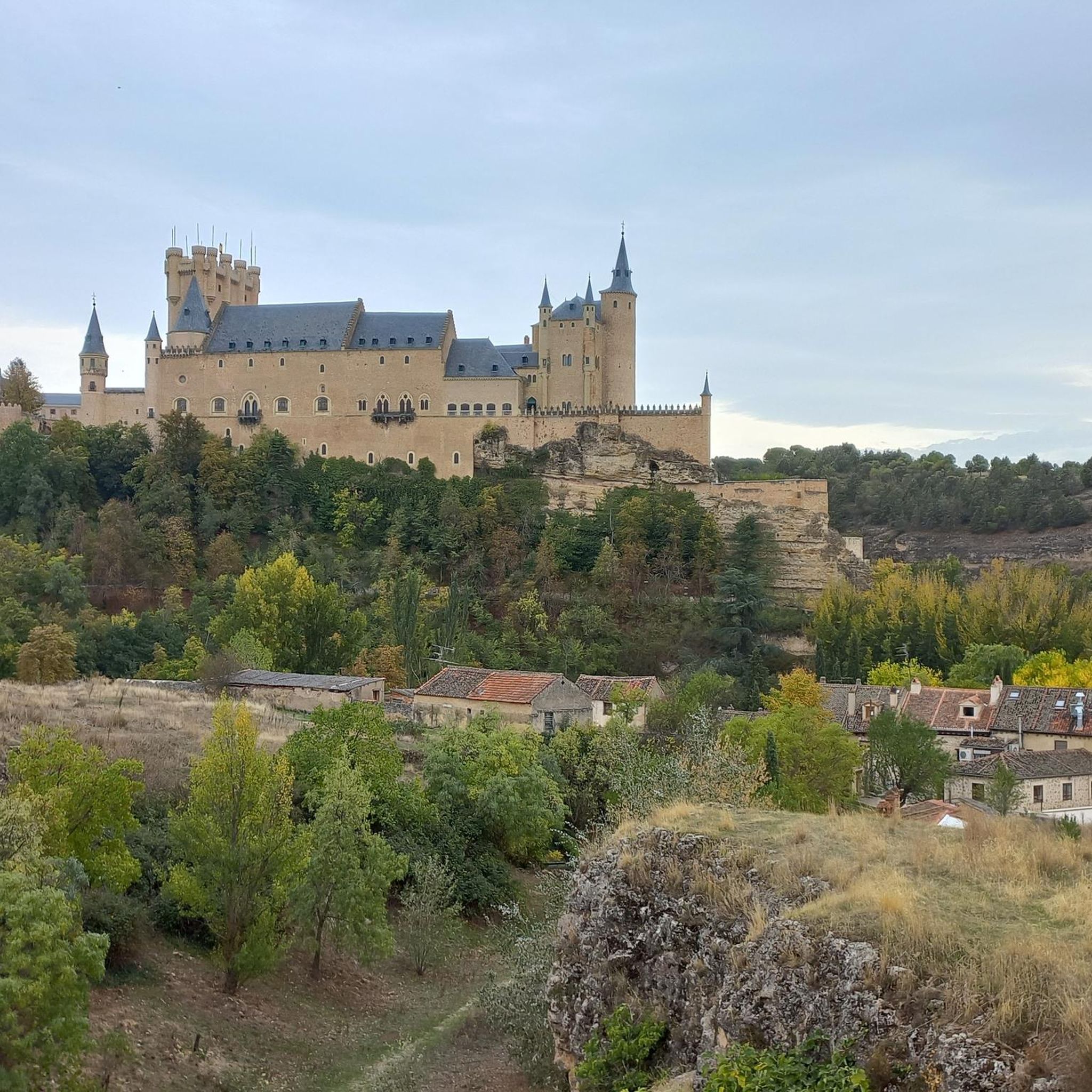
Nava de la Asunción is a Spanish municipality and town in the province of Segovia. Originally known as Nava de Coca, it belonged to the village and land community. Later, in 1773, King Carlos III granted it the title of Villa and added “La Asunción” to its name, in honor of the Virgin, patron saint of the town. I hope you found this brief description interesting! 😊
2
0

Population located north of the capital of the province, Segovia. It is a nucleus located between the two rivers, the Río Edesma and the Río Voltoya.
1
0

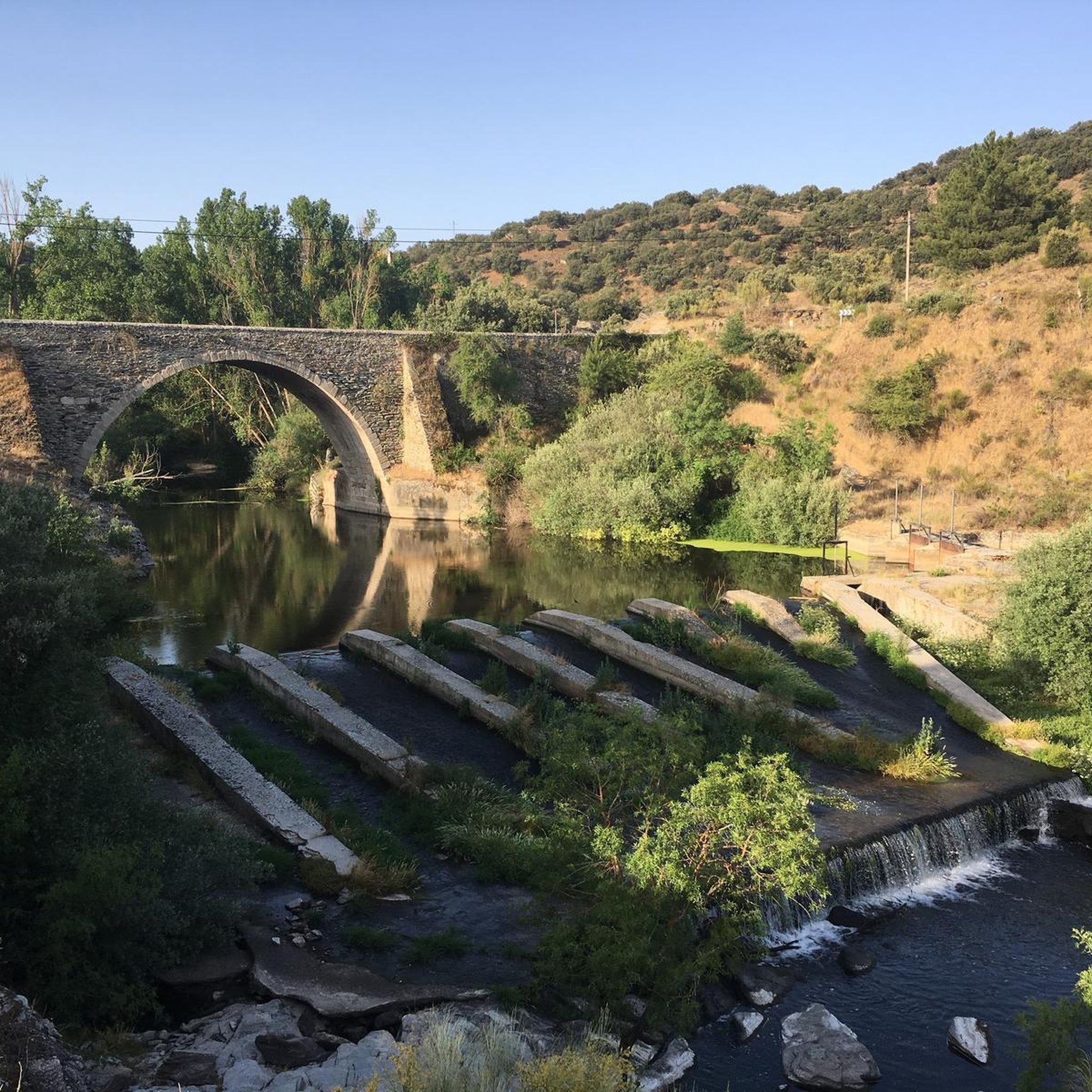
Temple of Romanesque origin that was built in the 13th century and that still today houses pilgrimages for the residents of Nieva. In its surroundings there is a rest area in the shade, with benches and tables.
2
0
Old station on the track that was active for 100 years. These abandoned infrastructures seem like an architectural time capsule where you can sense what the dynamics of rail communication were like then, especially compared to the current nearby high-speed train line.
3
0
This section of the greenway runs between the typical cereal fields of the Castilian plateau and especially of the Segovian countryside region. It is pleasant at all times of the year but especially in spring when the fields are green and the red of the poppies stands out among the greenery.
1
0
Remnant of a road that was in use for 100 years. Stations such as Yanguas de Eresma represent a heritage that tells the story of lands that were protagonists in recent history in the development of civil life.
2
0

Beautiful abandoned railway station in Ortigosa.
1
0
Frequently Asked Questions
What historical and archaeological sites can I explore in Bernardos?
Bernardos is rich in history. You can visit the vestiges of the Late Roman Wall of Bernardos on the Cerro de la Virgen del Castillo, which offers strategic views and has an exhibition at the Town Hall. Other significant archaeological finds include the prehistoric burial site of Dolmen de Santa Inés, the megalithic Cromlech de Cantos Blancos, and various Rupestrian Engravings. The Cerro del Castillo also holds the Hermitage of Nuestra Señora del Castillo and has revealed Roman, Visigothic, and Emiral-era structures.
Are there any abandoned railway sites to visit near Bernardos?
Yes, the area features remnants of its railway heritage. You can explore the Ortigosa del Pestaño — Abandoned Railway Station, which served for 100 years and offers a glimpse into past rail communication. Another historical site is the Old Yanguas de Eresma Station, located next to the Vía Verde, telling the story of lands central to civil life.
What natural features or green spaces are there to enjoy around Bernardos?
Bernardos is situated in a region known for its historical slate production, and the encasement of the Eresma river provides natural defense for the Cerro del Castillo. For green spaces, the Vía Verde del Valle del Eresma – Countryside Section is a cycle way that traverses the typical cereal fields of the Castilian plateau, offering pleasant routes, especially vibrant in spring.
What outdoor activities can I do near Bernardos' attractions?
The area around Bernardos is great for outdoor activities. You can enjoy running on trails like the 'Lagoons Trail' or 'Laguna de Balsa de la Ermita loop from Bernardos'. For cycling, explore routes such as the 'Pine Forests of Segovia – Nava de la Asunción loop'. Mountain biking enthusiasts can try trails like 'Pozos Artesianos, monte de Carbonero y arte rupestre de Domingo García'. You can find more details on these activities in the Running Trails around Bernardos, Cycling around Bernardos, and MTB Trails around Bernardos guides.
Are there any family-friendly attractions or places to rest around Bernardos?
Yes, several spots are suitable for families. The Vía Verde del Valle del Eresma – Countryside Section is a family-friendly cycle way. The Hermitage of the Virgin of the Well, a Romanesque temple, has a rest area with benches and tables nearby. Additionally, the Miguel Ibáñez Rest Area and Fountain offers a place to stop, rest in the shade, and get supplies.
What is the best time of year to visit Bernardos for outdoor activities?
The Vía Verde del Valle del Eresma – Countryside Section is particularly pleasant in spring when the fields are green and poppies add vibrant color. Generally, spring and autumn offer mild temperatures ideal for exploring historical sites and engaging in outdoor activities like cycling and hiking.
What do visitors enjoy most about the attractions around Bernardos?
Visitors appreciate the historical depth of the area, particularly the abandoned railway infrastructures like the Ortigosa del Pestaño — Abandoned Railway Station, which are seen as architectural time capsules. The scenic greenways, such as the Vía Verde del Valle del Eresma – Countryside Section, are also highly enjoyed for their pleasant routes through the Castilian plateau.
Are there any religious or spiritual sites in the Bernardos area?
Yes, the Hermitage of the Virgin of the Well is a notable religious site. This temple, of Romanesque origin, was built in the 13th century and continues to host pilgrimages for the residents of Nieva. The Hermitage of Nuestra Señora del Castillo de Bernardos on Cerro del Castillo is also still in use today.
Can I find places to rest and get supplies along the routes near Bernardos?
Yes, along some routes, you'll find convenient spots. The Miguel Ibáñez Rest Area and Fountain, located in a small town near the greenway, offers a place to rest in the shade and get supplies. There's also a bar in the town, though it doesn't serve food.
What kind of landscape can I expect to see while exploring the Vía Verde del Valle del Eresma?
The Vía Verde del Valle del Eresma – Countryside Section runs through the typical cereal fields of the Castilian plateau, particularly the Segovian countryside region. You can expect wide-open agricultural landscapes, which are especially picturesque in spring when the fields are green and dotted with red poppies.
What is the significance of the Cerro del Castillo in Bernardos?
The Cerro del Castillo is a historically significant hill in Bernardos. It hosts the vestiges of the Late Roman Wall of Bernardos and the Hermitage of Nuestra Señora del Castillo. Archaeological excavations on the hill have uncovered evidence of continuous occupation through various historical periods, including Roman houses from the 5th century, Visigothic rooms, and an Emiral-era fort.

Get inspired with the komoot mobile app


Explore more
Still not found the Highlight you’re looking for? See guides of the top attractions in other regions:
