The best cycling routes around Králický Sněžník
4.7
(62)
1,825
riders
84
rides
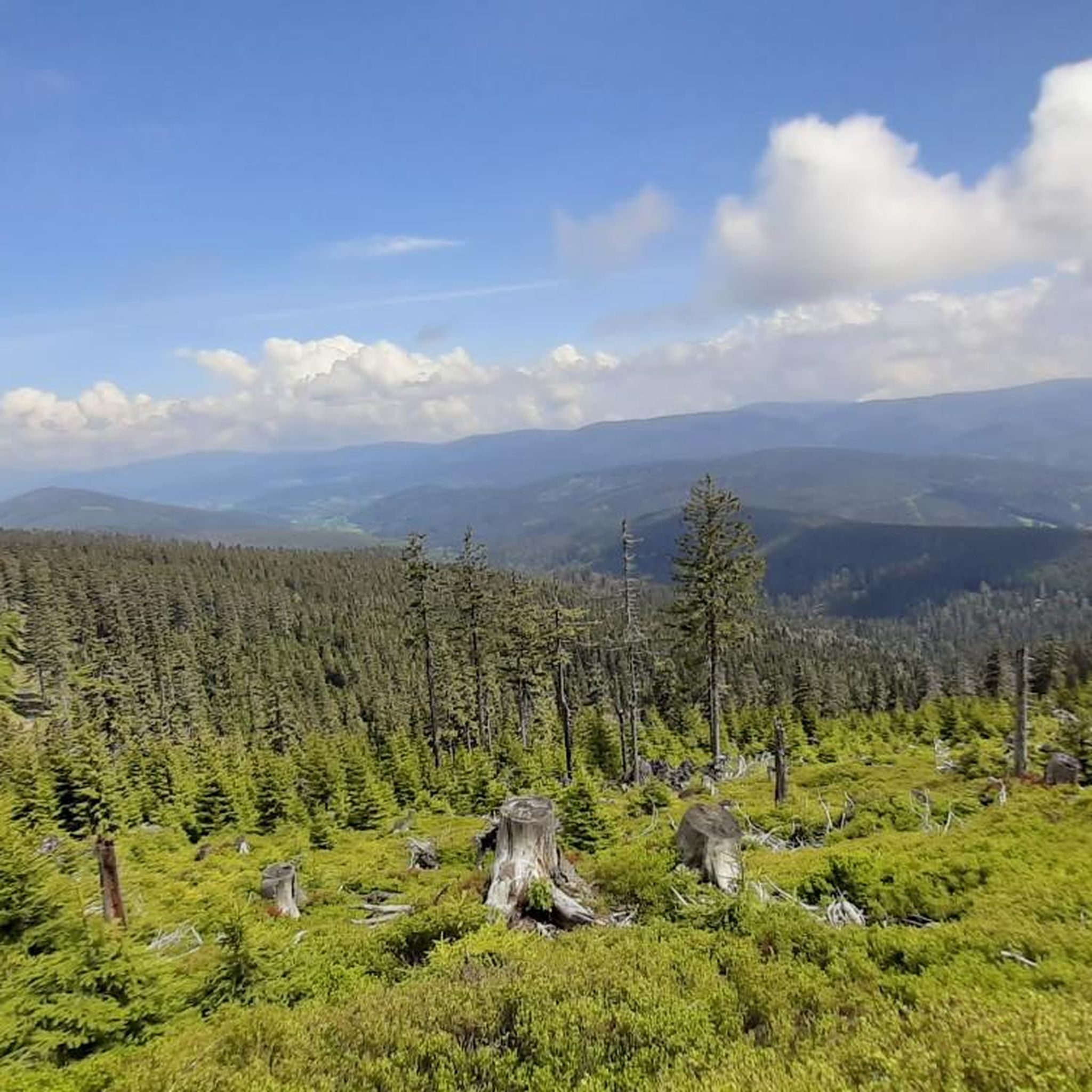
Touring cycling around Králický Sněžník offers diverse landscapes, characterized by majestic mountain ranges, deep forests, and scenic valleys. The region is known as the "Roof of Europe" due to its unique triple watershed, where rainfall flows to three different seas. A significant portion of the area is protected as a National Nature Reserve, preserving native forests and alpine tundra. This environment provides varied terrain for touring cyclists.
Best touring cycling routes around Králický Sněžník
- The most popular touring cycling route…
Last updated: July 1, 2026
5.0
(1)
193
riders
Moderate bike ride. Good fitness required. Mostly paved surfaces. Suitable for all skill levels.
5.0
(1)
97
riders
Hard bike ride. Very good fitness required. You may need to push your bike for some segments of this route.

Sign up for free
4.5
(2)
9
riders
23.3km
02:07
470m
470m
Hard bike ride. Very good fitness required. Mostly paved surfaces. Suitable for all skill levels.
16
riders
Hard bike ride. Very good fitness required. Mostly paved surfaces. Suitable for all skill levels.
13
riders
45.9km
04:55
1,480m
1,480m
Hard bike ride. Very good fitness required. Mostly paved surfaces. Suitable for all skill levels.
Get access to more routes and recommendations from other explorers.
Sign up for free
Already have an account?
Our route recommendations are based on thousands of hikes, rides, and runs completed by other people on komoot.
Start today with a free account
Your next adventure awaits.
Login or Signup

Tips from the Community

The first mention of the development of Śnieżnik Mountain dates back to 1809, when the owner of Międzygórze, Count Wilhelm von Magnis, built barns and shepherd's huts on the mountain pasture below Śnieżnik. In 1838, Międzygórze was purchased by Princess Marianna of Orange, the Lady of Kamieniec Ząbkowicki – daughter of the King of the Netherlands and wife of a Prussian prince. In 1840, she invited her father, King Wilhelm, with whom she reached the summit of Śnieżnik on July 20th. In 1869, the Duchess took over the land on the mountain pasture below Śnieżnik. She commissioned a highlander from Switzerland to build a Swiss mountain hut (Schweizerei am Schneeberg or Schweizerei auf dem Schneeberg) on the mountain pasture below Śnieżnik, which now forms the main part of the mountain hut. Construction was completed in 1871. The building initially served as a tourist inn, with 50 beds and a large dining hall. In the following years, the buildings were modernized several times. In 1872, utility rooms were built on the site of an old dairy farm. In 1880, a meteorological station was opened at the inn. In the 1930s, the inn had 30 beds. After World War II, the building stood empty until 1946. The dilapidated buildings were taken over by "Orbis," renaming it "Szwajcarka." In 1947, the Polish Tatra Mountain Shelter Board took over. The following summer, a shelter was opened, named "Na Śnieżniku" to distinguish it from the "Szwajcarka" shelter in Rudawy Janowickie. In 1950, the building became the property of the Polish Tourist and Sightseeing Society. At that time, the shelter had 63 beds. In the 1980s, the shelter was thoroughly modernized and renovated thanks to the efforts of its then-lessee, Zbigniew Fastnacht, who managed the facility from 1982 to 2001. After his death, in recognition of his achievements, the shelter was named after him.
1
1

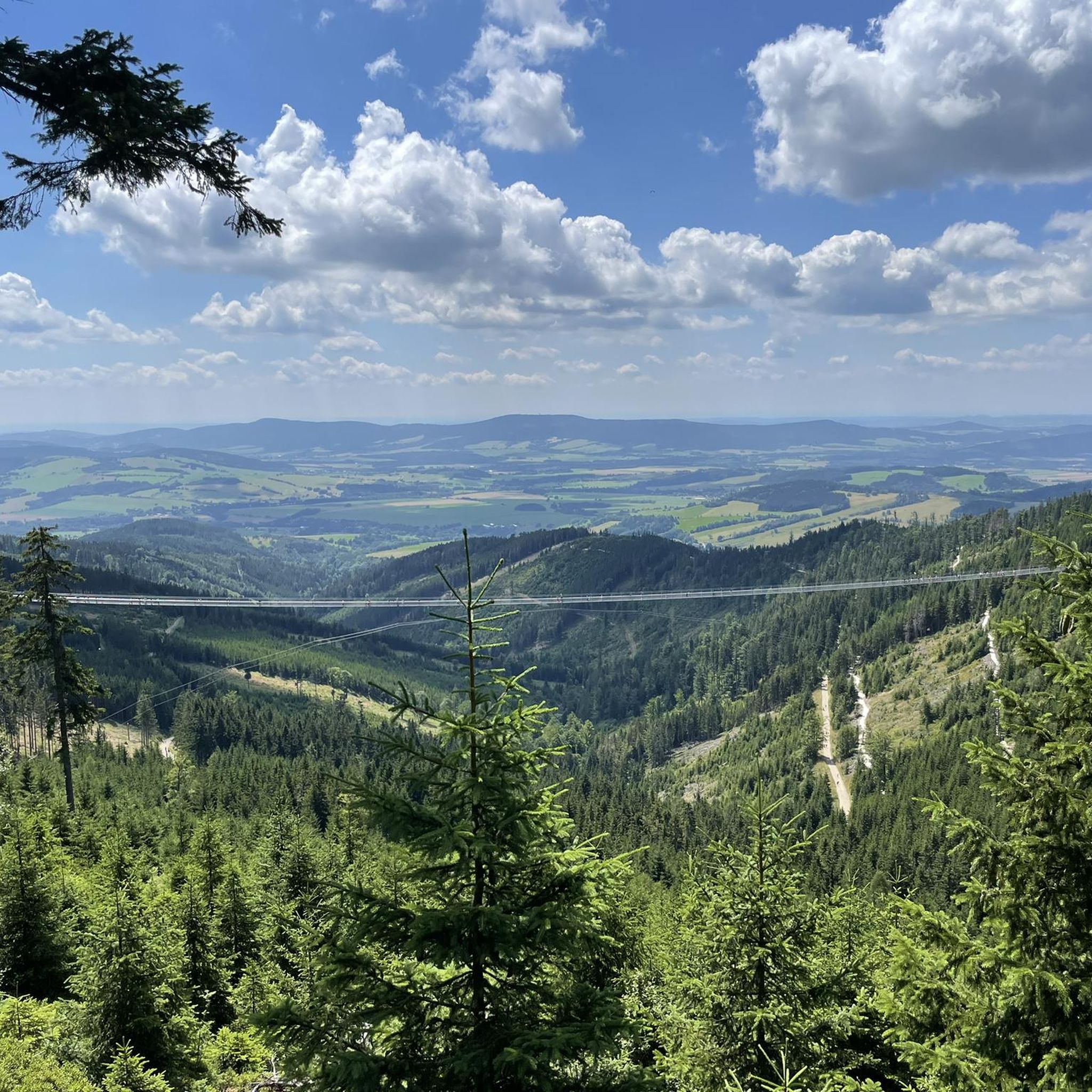
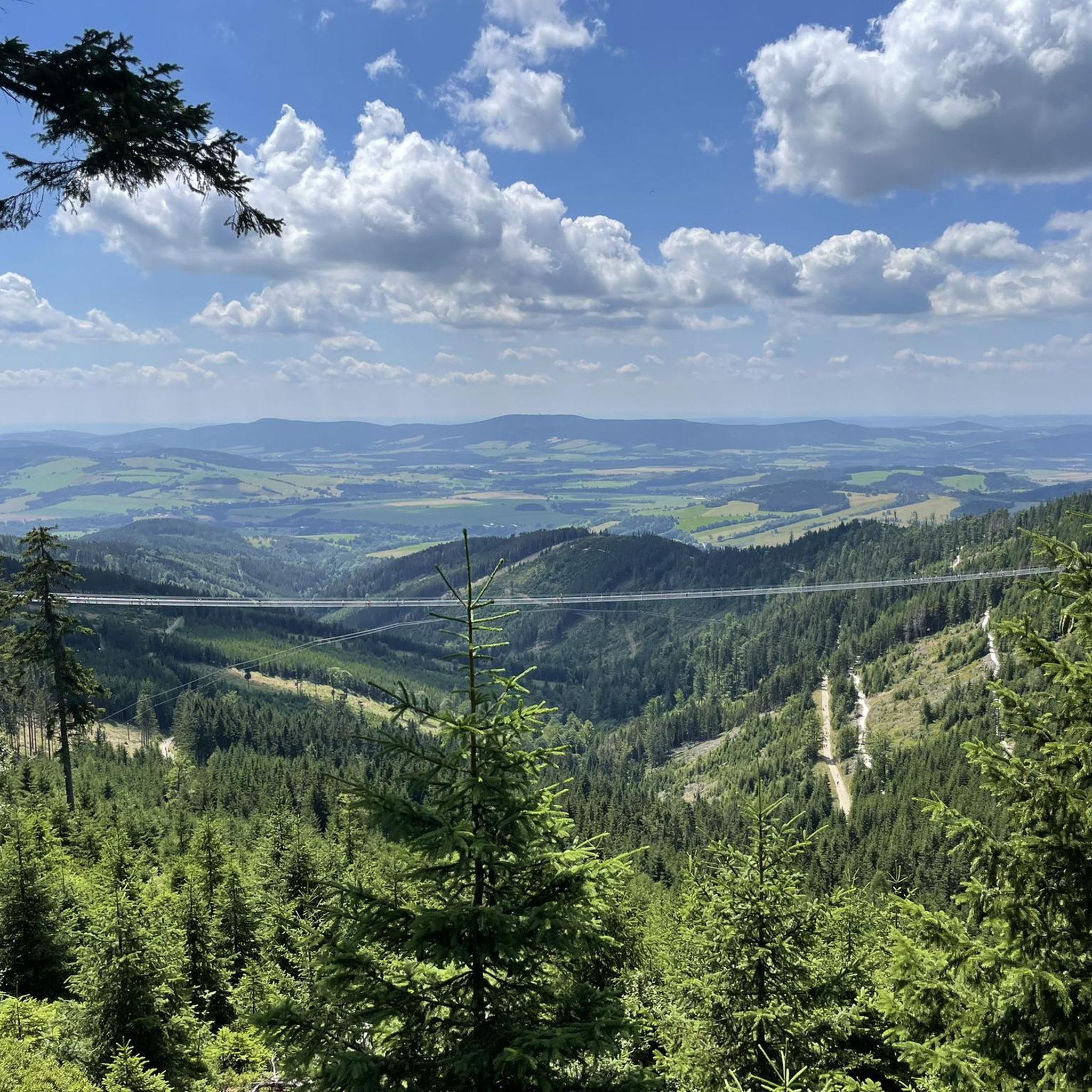
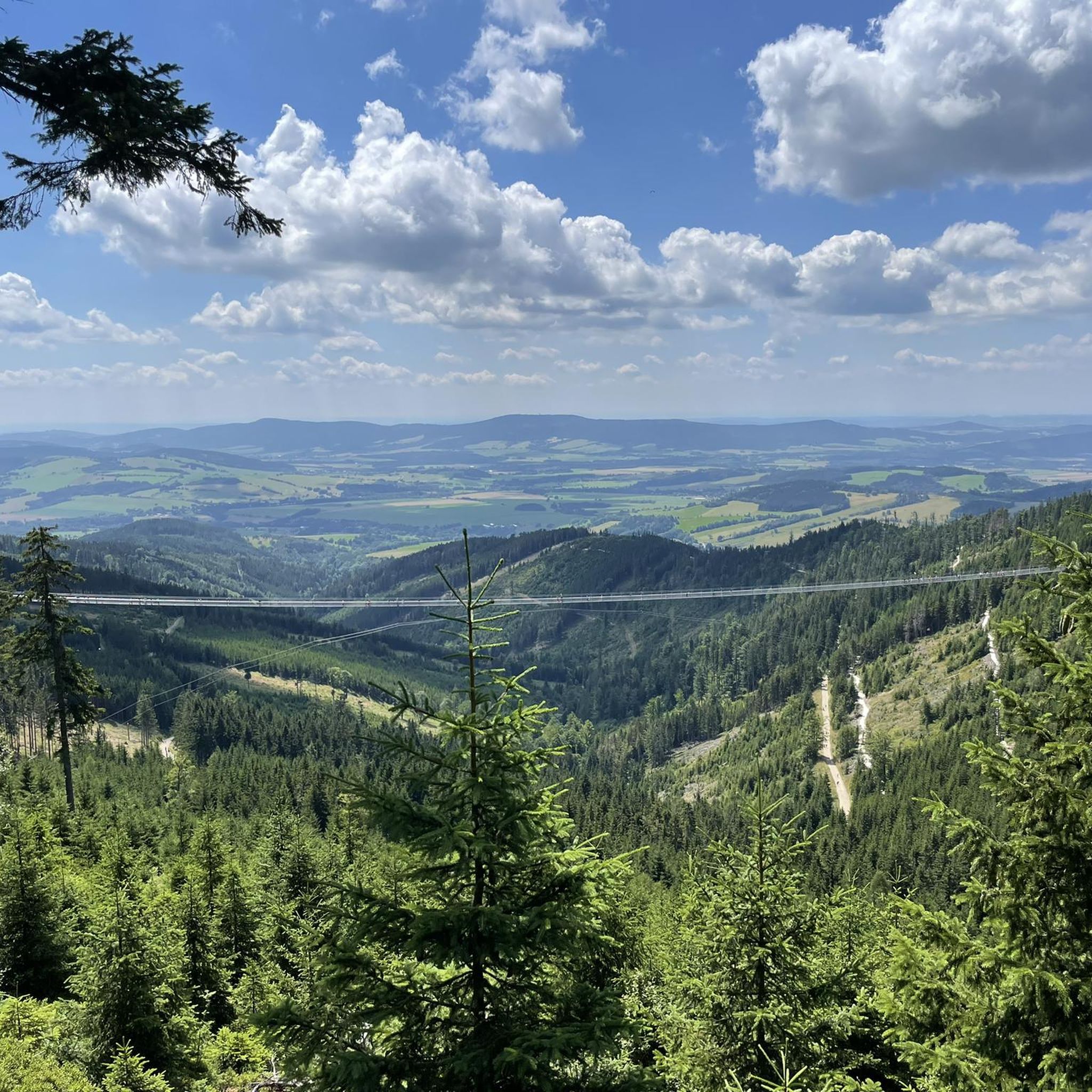
A view of Sky Bridge 721. Sky Bridge 721 in Dolní Morava is one of the most spectacular attractions in the Czech mountains, right on the border with Poland. This 721-meter-long suspension footbridge hangs 95 meters above the valley, guaranteeing a thrilling experience and exceptional panoramic views of the surrounding area. It connects the Slaměnka chalet on the slopes of Slamník Peak with the slopes of Chlum Mountain, providing a unique walking route for hikers who aren't afraid of heights. It's also worth noting that the "Sky Walk" is located nearby, a wooden observation deck 55 meters above the ground.
1
0

A visit is worthwhile. You'll be rewarded with a magnificent view. We booked tickets online in advance. During the week, we didn't have to wait, and it wasn't too crowded. But it was quite windy at the top.
0
0

It is better to book a place to stay in advance, the food is OK, the prices are like in other shelters in Poland, you have to take into account that there is no Wi-Fi on the premises of the shelter, and the mobile internet is so-so.
2
0

TIP: The following book provides detailed descriptions of hikes in the Adršpach-Teplice Rocks, Broumov Region, Eagle Mountains & Jeseníky Mountains, and the entire region: Adršpach-Teplice Rocks - Eagle Mountains & Jeseníky Mountains A travel guide for Bohemia & Moravia with travel and hiking sections for: Adršpach-Teplice Rocks & Broumov Walls, Błędne Skały National Park, Eagle Mountains, Jeseníky Mountains with Sněžka (formerly Schneeberg) and with 43 long-distance hikes from Trutnov on the edge of the Giant Mountains to Ostrava in Moravian Silesia and from Olomouc to Hradec Králové & Pardubice ISBN: 978-3-9816577-5-3 Information about the book & ordering options Order: www.reise-karhu.de/reisebuecher/adersbacher-felsen-adlergebirge.html
1
0

I don't recommend it with a bike.
0
0
PTTK shelter "Na Śnieżniku". It is located at an altitude of 1,218 m above sea level, on the western slope of Śnieżnik.
0
0
Lots of rocks, sometimes you have to get off the bike, preferably under mtb, but you can also use gravel.
0
0
Frequently Asked Questions
How many touring cycling routes are available in Králický Sněžník?
Králický Sněžník offers a wide selection of touring cycling routes, with over 80 options available. These routes cater to various skill levels, ranging from moderate to more challenging rides.
What is the general difficulty level of touring cycling routes in Králický Sněžník?
The majority of touring cycling routes in Králický Sněžník are classified as difficult, with 63 routes falling into this category. There are also 20 moderate routes and a couple of easier options, ensuring there's something for most fitness levels. The terrain is often mountainous, featuring significant elevation gains.
What makes Králický Sněžník a unique destination for touring cyclists?
Králický Sněžník is unique due to its diverse landscapes, including majestic mountain ranges, deep forests, and scenic valleys. It's known as the "Roof of Europe" because of a unique triple watershed where rainfall flows to three different seas. A significant portion of the area is also protected as a National Nature Reserve, preserving pristine natural environments.
What do other cyclists say about touring cycling in Králický Sněžník?
The touring cycling routes in Králický Sněžník are highly rated by the komoot community, with an average score of 4.8 stars from over 60 reviews. More than 2,000 touring cyclists have used komoot to explore the region's varied terrain, often praising the stunning views and challenging yet rewarding climbs.
Are there any moderate touring cycling routes suitable for a less strenuous ride?
Yes, for a less strenuous ride, you can explore routes like the Bike loop from Velká Morava. This moderate route covers approximately 21.3 km with about 440 meters of elevation gain, offering a more relaxed touring experience while still enjoying the region's beauty.
Can I find touring cycling routes that offer panoramic views or visit notable landmarks?
Absolutely. Many routes in Králický Sněžník offer breathtaking panoramic views. You can find routes that provide views of the Sky Bridge 721, or lead towards the Králický Sněžník Summit. The region also features unique landmarks like the Stone Elephant Monument and the Morava Spring, which can be incorporated into your cycling itinerary.
Are there any family-friendly cycling options in Králický Sněžník?
While many routes are challenging, the region around Dolní Morava serves as a hub with options for families. The Kraličák Trail & Enduro Park, for instance, offers easy singletracks suitable for families. Additionally, the "Arterial Trail" is designed for all levels of riders, providing scenic views and connecting different cycling zones, which can be a good option for families.
What are the regulations for cycling with dogs in the Králický Sněžník National Nature Reserve?
A large part of the Czech side of Králický Sněžník is protected as a National Nature Reserve. While cycling is generally permitted on designated trails, it's crucial to keep dogs on a leash to protect the native forests, peat bogs, and rare alpine tundra. Always check local signage for specific regulations within the reserve to ensure compliance.
Where can I find parking or access public transport to reach the cycling routes?
The picturesque village of Dolní Morava is a key starting point for many activities and likely offers parking facilities. For public transport, while specific details aren't provided, major hubs like Dolní Morava often have connections. It's advisable to check local transport schedules for the most up-to-date information on reaching trailheads.
What is the best time of year for touring cycling in Králický Sněžník?
The best time for touring cycling in Králický Sněžník is typically during the warmer months, from late spring to early autumn. This period offers the most favorable weather conditions for exploring the mountainous terrain and enjoying the stunning views. Winter cycling options are limited due to snow and ice, especially at higher elevations.
Are there any facilities like cafes or pubs along the cycling routes?
While the region is known for its natural beauty, Dolní Morava acts as a central hub where you can find amenities like bike rentals and likely cafes or pubs. For routes extending into more remote areas, it's recommended to carry sufficient supplies, though some villages along the way may offer refreshment stops. Always plan your route to include potential stops.
Can I rent bikes, including electric bikes, in the Králický Sněžník area?
Yes, bike rentals, including electric bikes, are available in the region. Dolní Morava is a key starting point and offers bike rental services. This allows cyclists to access a wider range of trails, especially those who might prefer assistance on the more challenging ascents.
Most popular routes around Králický Sněžník
Most popular attractions around Králický Sněžník

Get inspired with the komoot mobile app


Explore more
Browse the best Cycling routes in other regions.
