Attractions and Places To See around Aldeavieja De Tormes - Top 5
Attractions and places to see around Aldeavieja De Tormes offer a blend of historical sites and natural landscapes in the province of Salamanca. This village, situated at an elevation of 909 meters, lies on the left bank of the Santa Teresa Reservoir, where the Tormes River forms an "interior sea." The area features a penillanura landscape, transitioning between mountainous regions and expansive plains, with geological formations including ancient volcanic rocks. Its rich history includes Neolithic settlements, evidenced by dolmens, and…
Last updated: July 1, 2026
Guijuelo Jamón District
Highlight • Settlement
Translated by Google •
Tip by

Albergue Parroquial Santa María
Highlight • Rest Area
Translated by Google •
Tip by

Sign up now to discover places like this
Get recommendations on the best single tracks, peaks, & plenty of other exciting outdoor places.
Sign up for free
Milestone of mile 154
Highlight • Monument
Showing Translation
Tip by

Santa Teresa Reservoir
Highlight • Lake
Translated by Google •
Tip by

La Tala
Highlight • Settlement
Translated by Google •
Tip by
Sign up for free to discover even more attractions around Aldeavieja De Tormes.
Sign up for free
Already have an account?
Start today with a free account
Your next adventure awaits.
Login or Signup


Tips from the Community

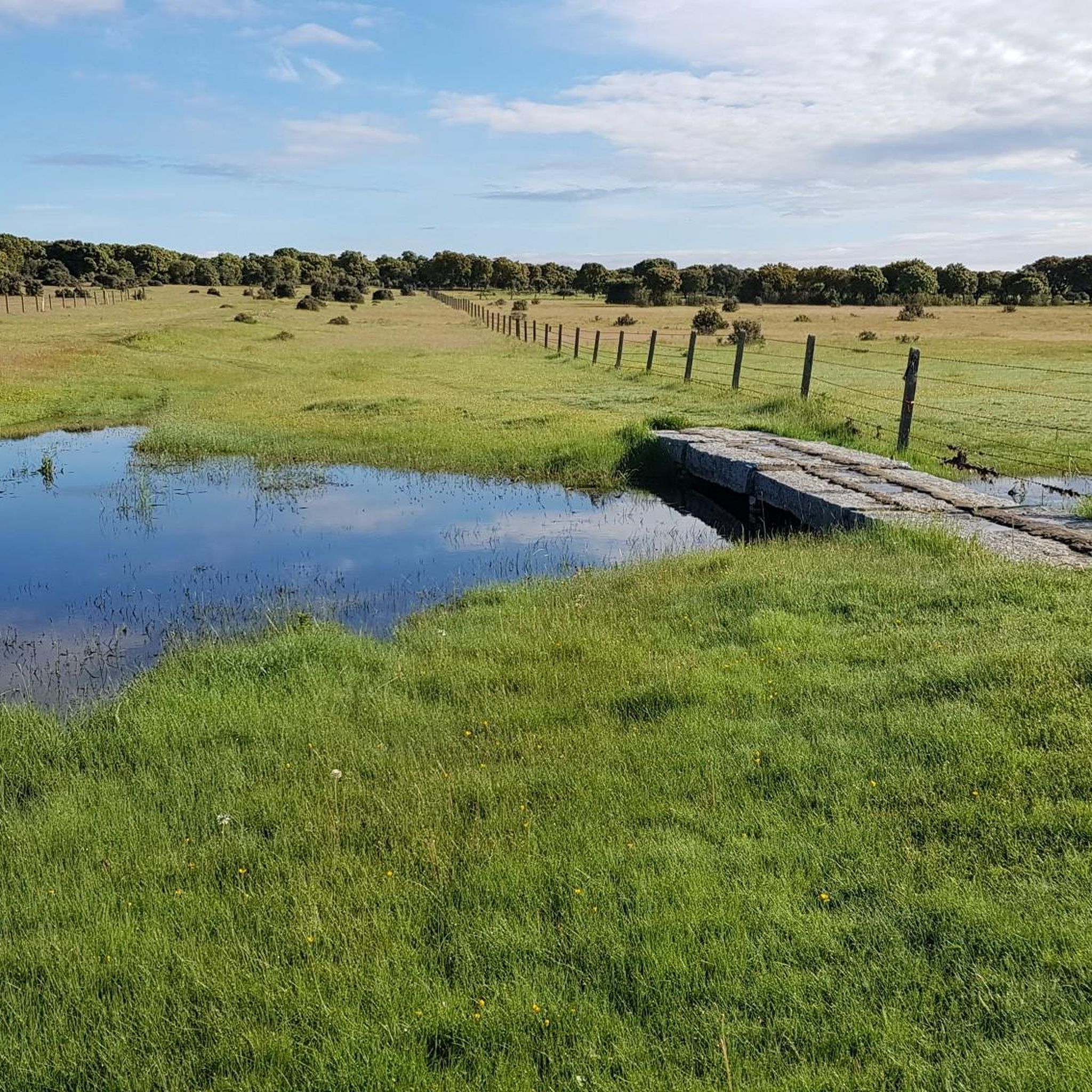
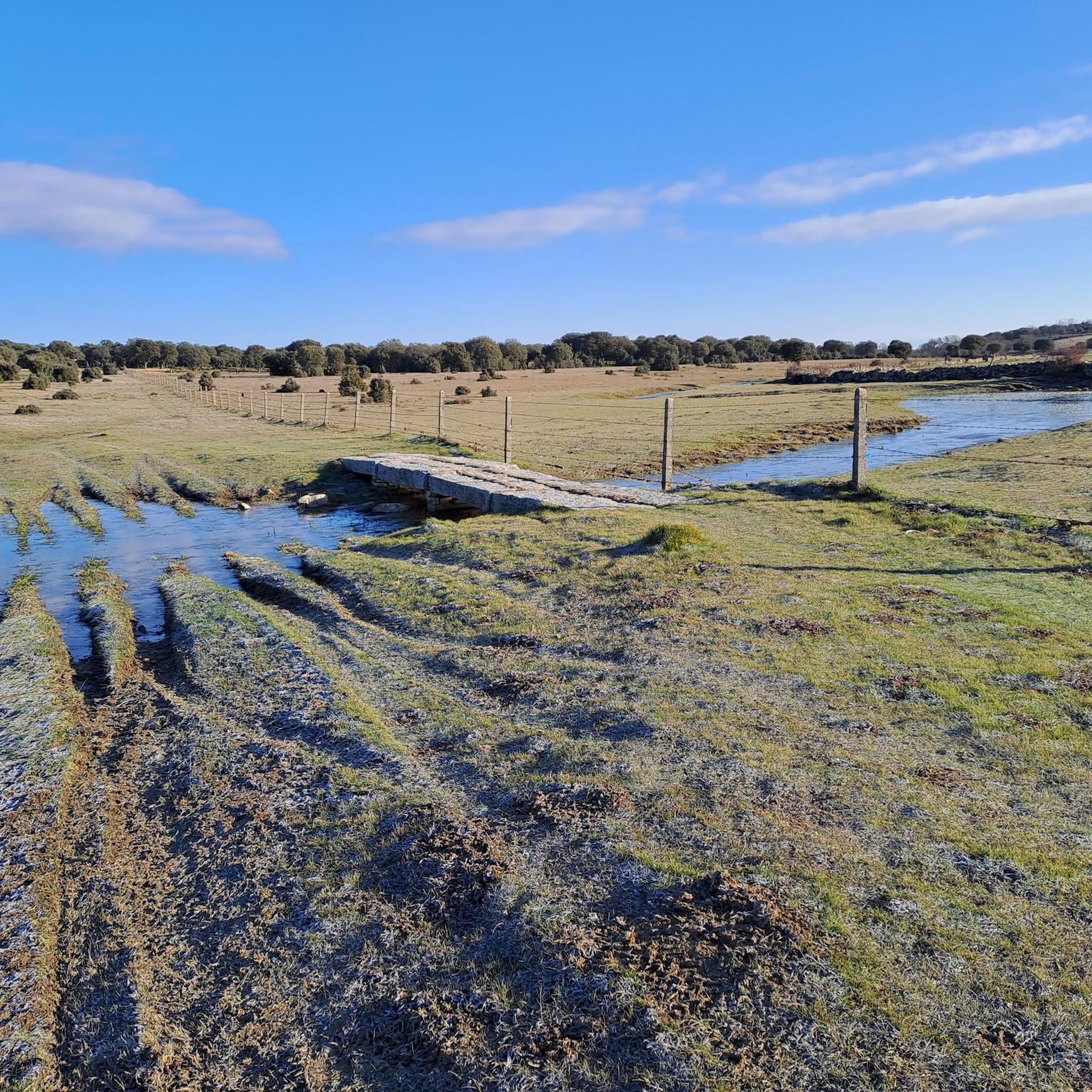
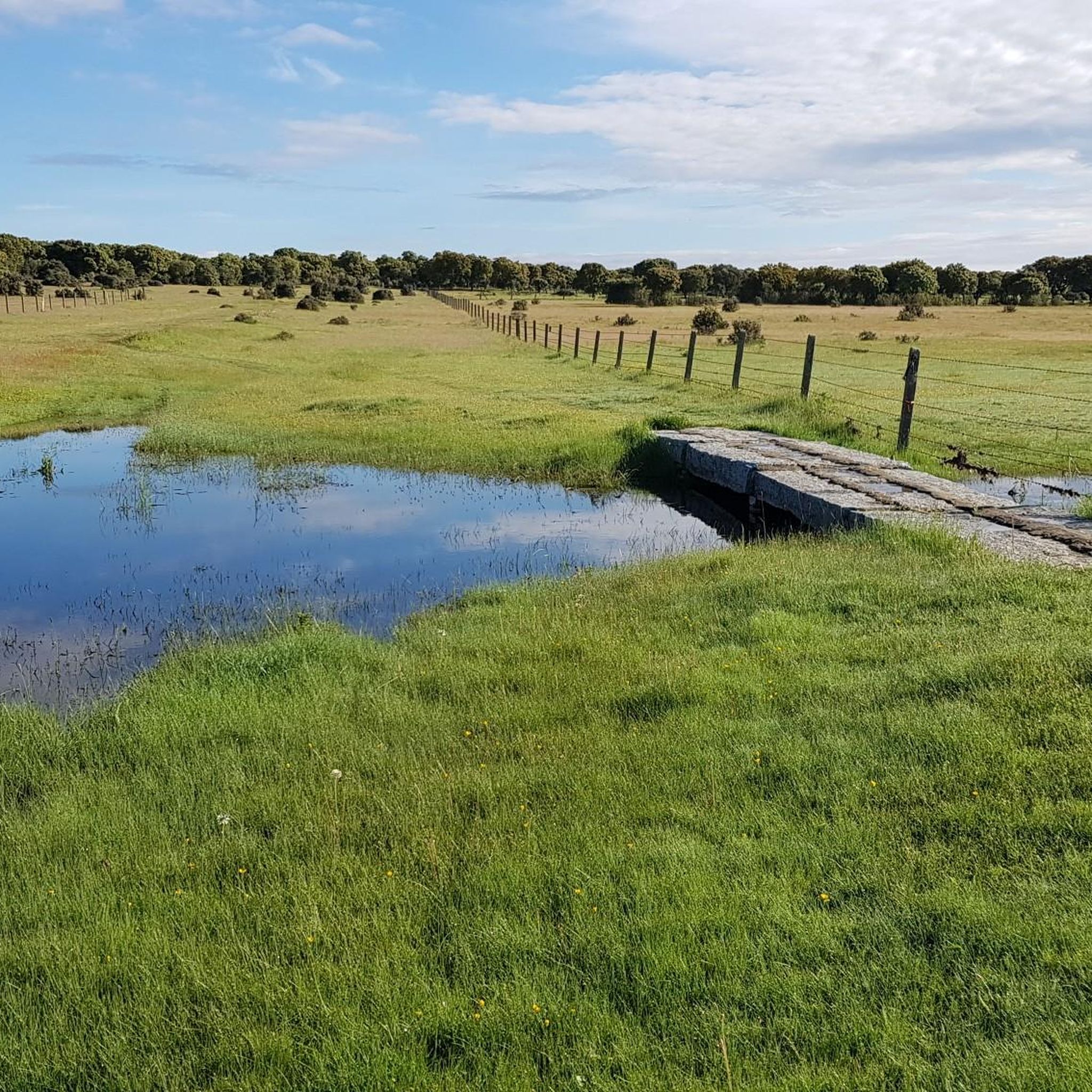
On the Vía de la Plata route there are historical wonders that have stood for millennia in the middle of the countryside, these findings are part of the charm of the route that make the experience unforgettable.
0
0

This is the tourist and gastronomic area of Guijuelo, considered the birthplace of acorn-fed Iberian ham with Protected Designation of Origin (PDO Guijuelo). More than 150 ham and cured meat producers are concentrated here. The cold, dry climate of the Sierra de Béjar favors a slow, natural curing process, giving the ham a sweeter, more unctuous flavor.
3
0

You cannot leave Guijuelo without eating its famous ham! The town is famous for the high quality of its hams and sausages from Iberian pigs. Although the meat comes largely from Extremadura and Andalusia, here it finds the perfect place for its curing, thanks to a characteristic cold and dry climate.
2
1

Outside the reservoir is the town of Salvatierra de Tormes, one of those that was expropriated in its day for construction and which is currently the subject of a recovery plan involving various groups and public administrations.
0
0
The town is located near the Santa Teresa Reservoir and formerly belonged to the Salvatierra region. Today the Santa Teresa reservoir separates it from it.
0
0

A cult hostel on the Via de la Plata. There are also restaurants and a small shop in the village.
2
0
Frequently Asked Questions
What historical sites can I explore in Aldeavieja de Tormes?
Aldeavieja de Tormes offers a glimpse into prehistoric and medieval history. You can visit the Dolmen El Tiriñuelo, a significant Neolithic funerary monument recognized as a Property of Cultural Interest, where ceramic materials, knives, and arrowheads have been found. The village also features the Parish Church of San Juan, a simple stone church with an elevated position offering beautiful views of its tower. The village's foundation dates back to repopulation efforts in the early 13th century.
What natural attractions are there near Aldeavieja de Tormes?
The most prominent natural attraction is the Santa Teresa Reservoir, where the Tormes River forms an 'interior sea.' This area is excellent for birdwatching, particularly for black storks. The municipal territory is characterized by hills and ridges, including La Zampa, the highest point at 985 meters, and features a unique penillanura landscape with ancient volcanic rocks like granite and slate.
Are there opportunities for birdwatching in the area?
Yes, the Santa Teresa Reservoir is an excellent spot for birdwatching. Black storks are a prominent species in the area, making it a rewarding location for observing local avian wildlife.
What kind of outdoor activities can I do around Aldeavieja de Tormes?
The region around Aldeavieja de Tormes is ideal for various outdoor activities. You can explore numerous routes for mountain biking, road cycling, and touring cycling. For example, there are MTB Trails around Aldeavieja De Tormes, Road Cycling Routes, and Cycling routes that take you through diverse landscapes, including fields, cork oak meadows, and along the reservoir.
What is the local culinary specialty of the region?
Aldeavieja de Tormes is part of the Comarca de Guijuelo, an area renowned for its Iberian ham with Protected Designation of Origin (D.O.P. Guijuelo). The cold and dry climate of the Sierra de Béjar contributes to the natural curing process, resulting in a sweet and unctuous flavor. You can visit the Guijuelo Jamón District, where over 150 ham and sausage companies are concentrated.
Can I find traditional architecture in Aldeavieja de Tormes?
Yes, while some modern construction exists, Aldeavieja de Tormes still retains houses with traditional materials like stone slabs and old walls. You can also find larger, plastered houses with impressive doorways that are well-preserved, showcasing the village's architectural heritage.
Is Aldeavieja de Tormes suitable for family visits?
Yes, Aldeavieja de Tormes offers several family-friendly attractions. The Santa Teresa Reservoir provides opportunities for enjoying nature and birdwatching. The Albergue Parroquial Santa María is a facility that serves as a cult hostel, and the village itself has restaurants and a small shop. Exploring the historical sites like the Dolmen El Tiriñuelo can also be an educational experience for families.
What is the best time of year to visit Aldeavieja de Tormes for outdoor activities?
The region experiences a cold and dry climate, particularly beneficial for the curing of local hams. For outdoor activities like hiking and cycling, spring and autumn generally offer the most pleasant temperatures. Summer can be warm, while winter can be cold, especially given the village's elevation of 909 meters.
Are there any viewpoints offering scenic vistas?
Yes, the elevated position of the Parish Church of San Juan provides a beautiful perspective of its tower and the surrounding area. Additionally, the Fields next to Galinduste offer scenic views of immense cultivation fields and cork oak meadows, especially vibrant in rainy seasons.
Where can I find places to eat or shop in Aldeavieja de Tormes?
The village of Aldeavieja de Tormes has a small shop for visitors, and there are also restaurants available. For a broader gastronomic experience, the nearby Guijuelo Jamón District is famous for its Iberian ham and cured meats, offering many opportunities to sample and purchase local delicacies.
What is the geological landscape like around Aldeavieja de Tormes?
Aldeavieja de Tormes is situated in a penillanura, which is a transitional area between the mountainous region of Béjar and the expansive plains of Salamanca. The geology is notable for a thrust fault from the Paleozoic era, exposing ancient compact volcanic rocks like granite and slate due to tectonic movements.
Are there specific hiking trails recommended for beginners or families?
While specific easy hiking trails are not detailed, the general landscape of hills and ridges, along with the fields and meadows, suggests opportunities for walks of varying difficulty. Exploring the areas around the Santa Teresa Reservoir or the Fields next to Galinduste could offer pleasant, less strenuous options for families or beginners.
Most popular routes around Aldeavieja De Tormes

Get inspired with the komoot mobile app


Explore more
Still not found the Highlight you’re looking for? See guides of the top attractions in other regions:
