The best cycling routes around Aldeavieja De Tormes
33
riders
12
rides
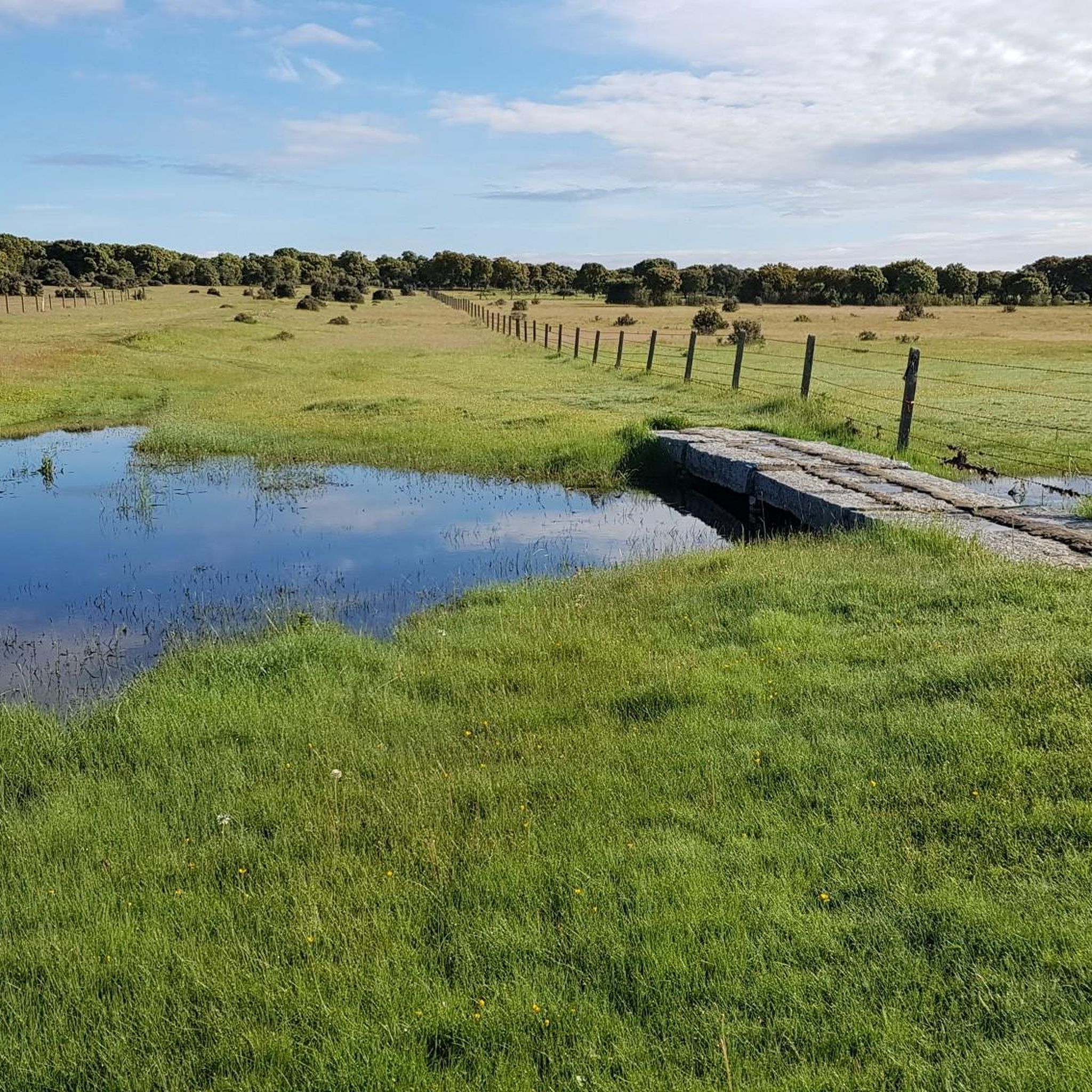
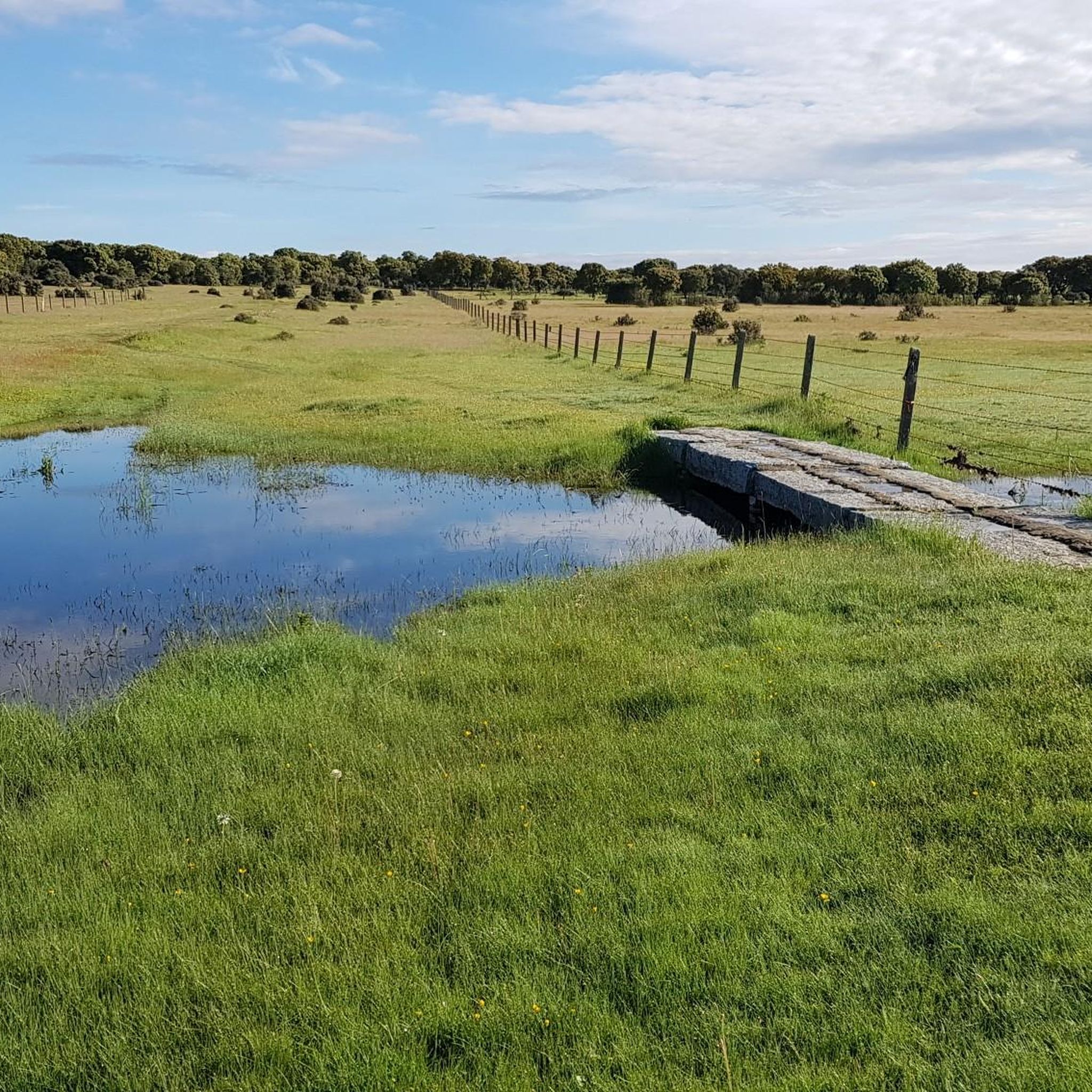
Touring cycling routes around Aldeavieja De Tormes traverse a landscape situated at approximately 900 meters altitude, on the banks of the Santa Teresa reservoir. The terrain features dehesa landscapes with scattered oak trees and pastures, alongside rolling hills and gentle slopes that form the foothills of the Central System. This area serves as a transition zone between the mountainous Sierra de Béjar and the expansive plains of Salamanca, offering varied topography for cyclists.
Best touring cycling routes around Aldeavieja De…
Last updated: June 28, 2026
3
riders
41.3km
02:41
360m
360m
Moderate bike ride. Good fitness required. Mostly paved surfaces. Suitable for all skill levels.
2
riders
62.6km
03:56
730m
730m
Hard bike ride. Very good fitness required. Mostly paved surfaces. Suitable for all skill levels.

Sign up for free
1
riders
64.4km
04:18
1,010m
1,010m
Hard bike ride. Very good fitness required. Mostly paved surfaces. Suitable for all skill levels.
7
riders
Hard bike ride. Very good fitness required. Mostly paved surfaces. Suitable for all skill levels.
7
riders
72.5km
04:40
940m
940m
Hard bike ride. Very good fitness required. You may need to push your bike for some segments of this route.
Get access to more routes and recommendations from other explorers.
Sign up for free
Already have an account?
Our route recommendations are based on thousands of hikes, rides, and runs completed by other people on komoot.
Start today with a free account
Your next adventure awaits.
Login or Signup


Tips from the Community


This is the tourist and gastronomic area of Guijuelo, considered the birthplace of acorn-fed Iberian ham with Protected Designation of Origin (PDO Guijuelo). More than 150 ham and cured meat producers are concentrated here. The cold, dry climate of the Sierra de Béjar favors a slow, natural curing process, giving the ham a sweeter, more unctuous flavor.
3
0
It is an old railway tunnel converted into a section of the Silver Greenway, which takes advantage of the old railway line between Béjar and Baños de Montemayor.
3
0
It is the only granite theme park in Spain, created to pay homage to the quarrying tradition of the municipality. It occupies a former quarry transformed into an artistic and natural space. Monumental sculptures made from granite blocks by the Salamanca artist Amable Diego. Recreations that evoke menhirs, dolmens, and megalithic structures, including the famous "Salamanca Stonehenge." Explanatory panels on the history of quarrying, from Roman roads to modern industry.
6
0


This tunnel crosses Béjar from its station and at the exit is the Textile Museum
1
0

The Béjar station is special, it preserves many elements of the railway that keep the memory of another era alive, part of the houses of the railwaymen have been recovered for cultural activities and remains of the platforms, the loading docks, the pumping systems remain. water to the locomotives, the levers for changing the needles and a section with the old rails. Right in front there are remains of the medieval walls and in the background the buildings of Béjar, the station is at the entrance and you have to take a detour to get to know the urban complex. In Béjar there is the possibility of spending the night, it has all the services, and depending on the schedule and rhythm of each one, you can continue, do the next stretch of Navalmoral de Béjar and Calzada de Béjar, and when you start the return route they are also good places to finish the stage the towns of Baños de Montemayor and Hervás.
0
0

The road between the towns of Los Santos and Endrinal, which is also part of the EuroVelo 1 international cycling route. The newly renovated asphalt, a pleasure to pedal!
1
0
Frequently Asked Questions
What kind of terrain can I expect when touring cycling around Aldeavieja de Tormes?
The terrain around Aldeavieja de Tormes is quite varied, situated at an altitude of approximately 900 meters. You'll find a mix of traditional "dehesa" landscapes with scattered oak trees and pastures, alongside rolling hills and gentle slopes that form the foothills of the Central System. The area is a transition zone between the mountainous Sierra de Béjar and the expansive plains of Salamanca, offering diverse scenery from serene reservoir paths to more challenging ascents.
Are there any circular touring cycling routes available?
Yes, several touring cycling routes in the area are circular. For instance, the Return to the Santa Teresa Reservoir — circular from Guijuelo offers extensive views of the reservoir, while the Béjar from Guijuelo — circular via EuroVelo 1 takes you through varied terrain, both designed as loops.
What are some notable landmarks or natural features to see along the cycling routes?
Cyclists can explore several interesting features. The prominent Santa Teresa Reservoir is a major highlight, offering picturesque routes along its perimeter and opportunities for birdwatching. You might also encounter the Neolithic funerary construction known as the Dolmen de El Teriñuelo near the reservoir, adding a historical dimension to your ride. The traditional "dehesa" landscapes themselves, with their ancient oak trees, are a unique natural feature of the region.
What is the difficulty level of touring cycling routes in Aldeavieja de Tormes?
The routes around Aldeavieja de Tormes cater to various skill levels. While there are no easy routes listed, you can find moderate options like the Fuenterroble de Salvatierra and Los Santos Loop. The majority of routes, however, are classified as difficult, featuring significant elevation changes, such as the Béjar Tunnel – View of Béjar loop from Antigua Estación de Guijuelo with over 900 meters of ascent.
Are there family-friendly touring cycling options in the area?
While many routes are classified as difficult, the varied topography around the Santa Teresa reservoir and the gentler slopes of the "lomas" suggest that shorter, less strenuous sections could be adapted for family rides. For a dedicated family experience, it's best to look for routes with minimal elevation gain and away from main roads, focusing on the more tranquil paths within the dehesa landscapes or along the reservoir's flatter sections.
What is the best time of year for touring cycling in Aldeavieja de Tormes?
The region experiences cold and dry conditions, which can be favorable for outdoor activities. Spring and autumn generally offer the most pleasant temperatures for touring cycling, avoiding the heat of summer and the potentially colder, windier conditions of winter. These seasons also showcase the natural beauty of the dehesa landscapes and the reservoir at their best.
Where can I find parking for my bike when visiting Aldeavieja de Tormes?
As Aldeavieja de Tormes is a modest village and a base for exploring the wider region, parking is generally available within the village itself. For specific routes starting points, it's advisable to check the route details on komoot for designated parking areas or suitable roadside spots, especially when starting from nearby towns like Guijuelo or Fuenterroble de Salvatierra.
What do other touring cyclists enjoy most about cycling in Aldeavieja de Tormes?
Cyclists exploring Aldeavieja de Tormes often appreciate the diverse landscapes, from the serene Santa Teresa Reservoir to the unique dehesa environments. The varied topography, offering both challenging climbs and scenic, tranquil paths, is also a significant draw. The region's natural beauty and the opportunity to experience traditional Spanish countryside are frequently highlighted.
Can I find places to eat or drink along the cycling routes?
The region is known as the "District of Guijuelo Ham," indicating a rich gastronomic culture. While Aldeavieja de Tormes is a small village, nearby towns like Guijuelo (a common starting point for routes) offer various establishments where you can savor local specialties, including the renowned Iberian ham. It's always a good idea to plan your route to pass through villages or towns for refreshment stops.
How long do touring cycling routes in Aldeavieja de Tormes typically take?
The duration of routes varies significantly based on distance and difficulty. For example, a moderate route like the Fuenterroble de Salvatierra and Los Santos Loop, which is about 41 km, takes approximately 2 hours 41 minutes. More difficult and longer routes, such as the Béjar from Guijuelo — circular via EuroVelo 1 (64 km), can take over 4 hours to complete.
Are there any specific natural features that make this area unique for cycling?
Absolutely. The presence of the Santa Teresa Reservoir, often called an "inland sea," provides a unique aquatic landscape for cycling. Additionally, the extensive "parajes adehesados" (dehesa landscapes) with their scattered oak trees and ancient livestock paths known as "cordeles" offer a tranquil and culturally rich cycling experience distinct to this part of Spain.
Most popular routes around Aldeavieja De Tormes
Most popular attractions around Aldeavieja De Tormes

Get inspired with the komoot mobile app


Explore more
Browse the best Cycling routes in other regions.
