Attractions and Places To See around Villamol - Top 20
Attractions around Villamol offer a blend of historical and natural sites within the province of León, Spain. The municipality, comprising Villapeceñil, Villacalabuey, and Villademol, is situated along the Cea river, providing riparian landscapes. Visitors can explore ancient landmarks and natural features like lagoons and forests. The area is primarily sustained by dryland agriculture and livestock, reflecting its historical roots.
Best attractions and places to see around Villamol
- The most popular attractions is San Benito Arch and Ruins of the Monastery…
Last updated: June 23, 2026
Geographical Center of the Camino Francés – Ermita de la Virgen del Puente
Highlight • Religious Site
Translated by Google •
Tip by

San Benito Arch and Ruins of the Monastery of San Benito
Highlight • Historical Site
Translated by Google •
Tip by

Sign up now to discover places like this
Get recommendations on the best single tracks, peaks, & plenty of other exciting outdoor places.
Sign up for free
Bodegas de Moratinos
Highlight • Structure
Translated by Google •
Tip by
Hermitage of Our Lady of Perales
Highlight • Religious Site
Translated by Google •
Tip by

Province Border Marker: Palencia to León on the Camino de Santiago
Highlight • Monument
Translated by Google •
Tip by

Sign up for free to discover even more attractions around Villamol.
Sign up for free
Already have an account?
Start today with a free account
Your next adventure awaits.
Login or Signup

Tips from the Community

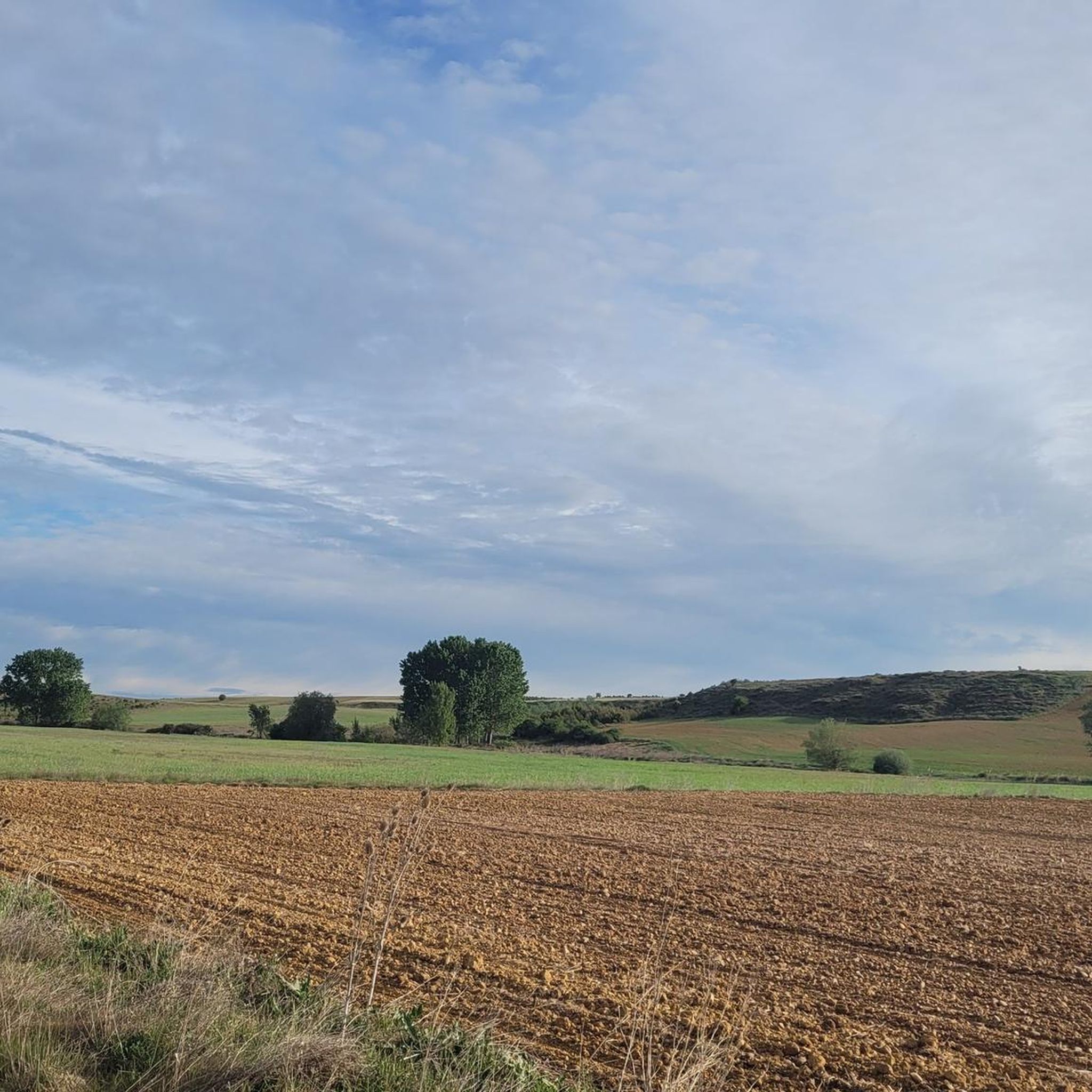
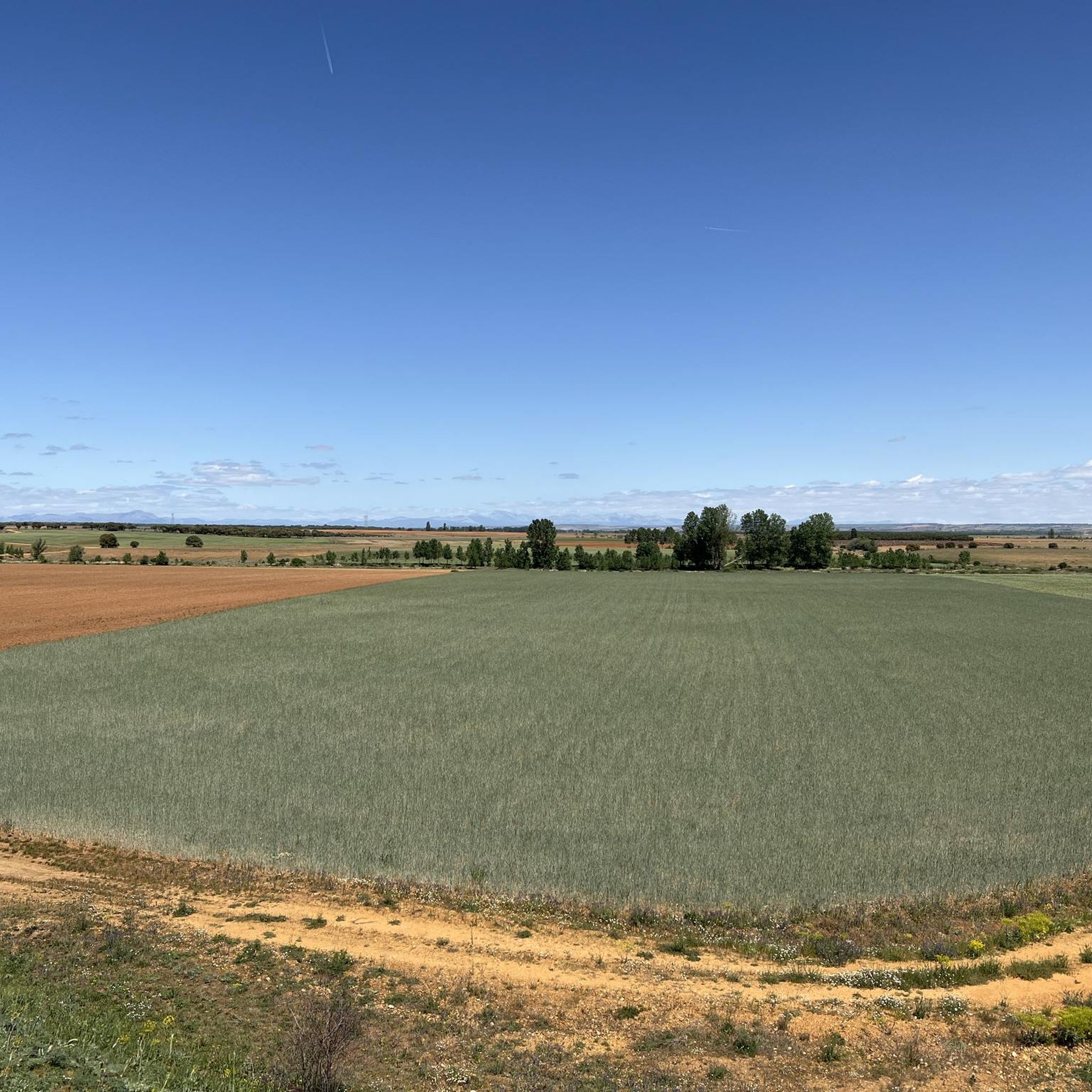
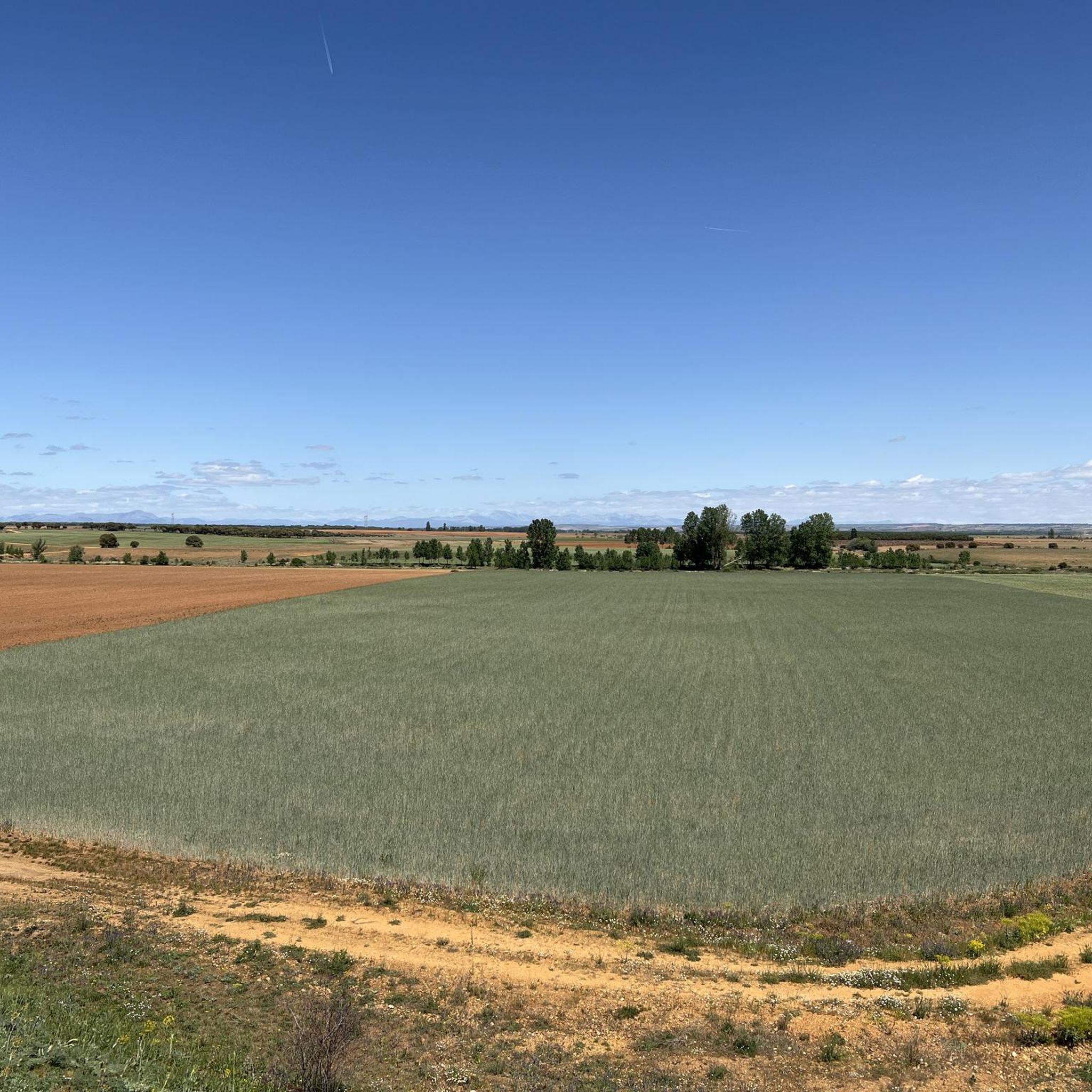
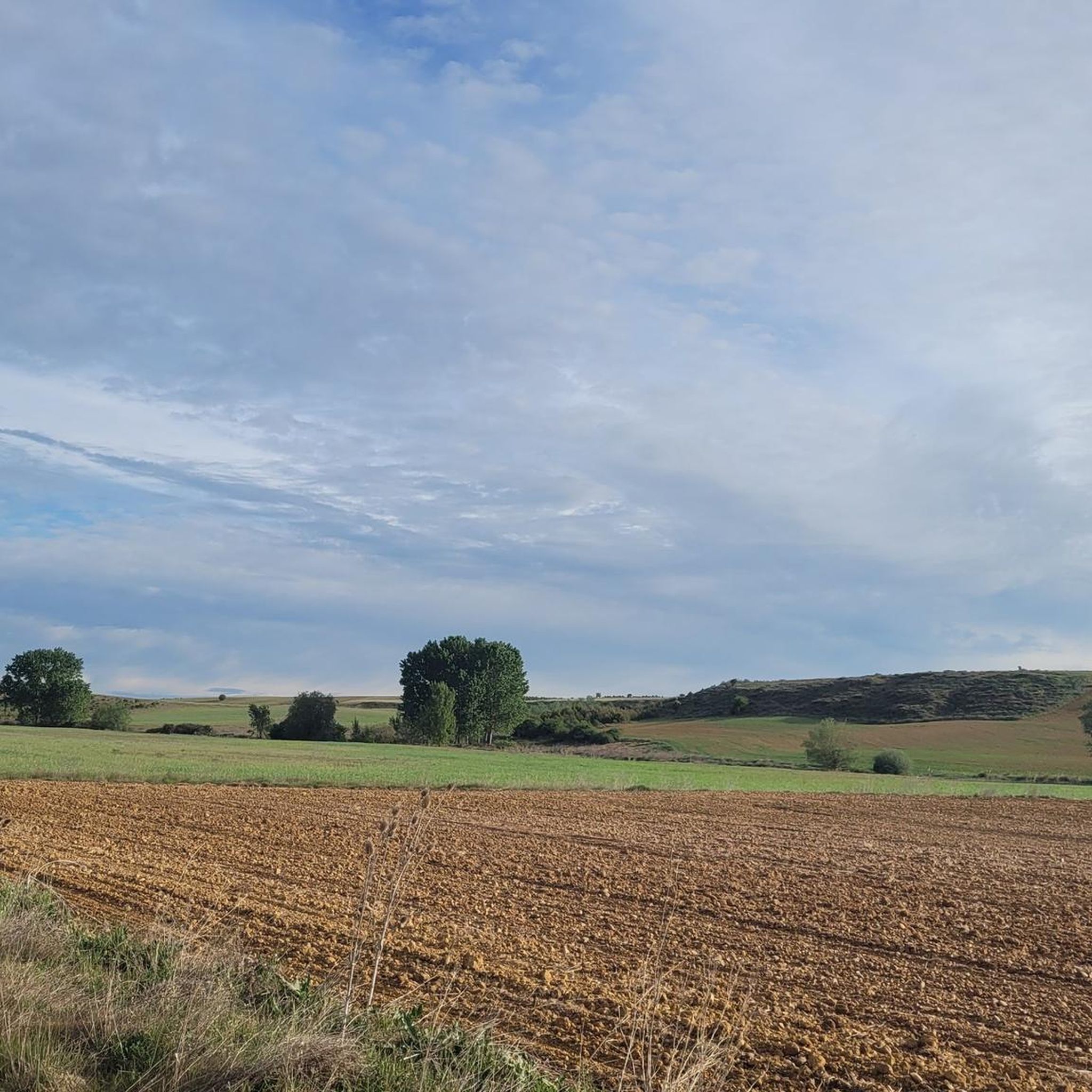
On the approximately 800-kilometer route through northern Spain – perhaps even earlier in France – the pilgrim has repeatedly crossed borders that may have had significant significance in the past, and some still do today from a regional-political perspective. However, for us, who are striving toward the tomb of the Apostle James, the "Credencial" was the only important identification document, and pilgrimage routes – like the heavens – have always been borderless.
1
0

The Hermitage of the Virgin of the Bridge is a historic gem located about three kilometers east of Sahagún, in the province of León. Built in the 13th century, the hermitage is an example of the Mudejar style, characterized by its blend of Christian and Islamic elements. It's a place steeped in history and tradition, perfect for a visit if you're in the area.
7
0

The Ermita de Nuestra Señora de Perales is a historic chapel located in Bercianos del Real Camino. The chapel was built in the 17th century. It was originally dependent on the Hospital del Cebreiro, which was founded in the 12th century. It is a simple brick building with a gable roof and a single tower. The interior is sober but charming, with a focus on devotion to Our Lady of Perales. Every year on September 8, a romería (pilgrimage) is held in her honor, during which the people of Bercianos del Real Camino visit the chapel and celebrate a party. The chapel is open from June 15 to September 30, from Monday to Sunday, between 11:00 and 13:00 and 18:00 and 20:00.
2
0
The Arco de San Benito is an impressive monument in Sahagún, located in the region of Castilla y León, Spain. It was built around 1662 by the architect Felipe Berrojo to replace the old Romanesque portal of the Monasterio de San Benito. The arch is designed as a triumphal arch, under which the N-120 passes, and is also known as "la puerta de Sahagún" (the gate of Sahagún). The monument is richly decorated with a central shield, inscriptions and sculptures of Saints Facundo and Primitivo. At the top is the royal shield, and there are also sculptures of Alfonso III and Alfonso VI, who were important protectors of the monastery.
8
0

These mounds of earth are often seen. They are often used as storage space.
1
0
Directly on the Way of St. James you can see this earthen cave, which was dug for the storage of wine and food.
2
0
Moratinos is best known for its beautiful landscapes and its role as one of the stages on the Camino de Santiago. It offers a peaceful atmosphere and a number of historical attractions, including the Bodegas de Moratinos, a traditional Spanish restaurant.
2
0
The Ermita de La Virgen del Puente is a 13th-century Mudéjar hermitage located about three kilometres east of Sahagún, on the Camino Francés of the Camino de Santiago. The building stands next to a bridge over the Valderaduey River, hence its name. It has a single nave and a small choir with a semicircular apse, cipher arcades and corner friezes. It was once a hospital for pilgrims and lepers and is now used for the annual San Marcos festival with the famous Tantáriga dance.
3
0
Frequently Asked Questions
What historical and cultural sites can I explore in the Villamol area?
The region offers a rich blend of history. You can visit the impressive San Benito Arch and Ruins of the Monastery of San Benito in Sahagún, a significant Mudejar art monument. Another key historical site is the Geographical Center of the Camino Francés – Ermita de la Virgen del Puente, a 13th-century Mudejar-style hermitage. Additionally, the ruins of the 12th-century Monasterio de Santa María de Trianos, once a center for science and prayer, are located near Villademol. Don't miss the unique Bodegas de Moratinos, traditional earth caves used for food and wine storage.
Where can I experience nature and observe wildlife around Villamol?
For nature enthusiasts, the vicinity of Villamol features two picturesque lagoons: the Laguna de Villamol and the Laguna de la Barrera (near Villacalabuey). During the rainy months, these lagoons are excellent spots for observing various bird species. The Monte de Villamol, a small forest of oaks and holm oaks, is less than 4 kilometers from town, offering a peaceful natural setting amidst cereal fields. The Cea River, which flows past the villages, also provides pleasant riparian landscapes.
Are there family-friendly attractions in the Villamol area?
Yes, several attractions are suitable for families. The San Benito Arch and Ruins of the Monastery of San Benito, the Geographical Center of the Camino Francés – Ermita de la Virgen del Puente, and the Bodegas de Moratinos are all categorized as family-friendly. Exploring these historical sites can be an engaging experience for all ages.
What kind of outdoor activities can I do near Villamol?
The area around Villamol is excellent for outdoor activities. You can find numerous routes for cycling, mountain biking, and hiking. For detailed routes and guides, explore the Cycling around Villamol, MTB Trails around Villamol, and Hiking around Villamol guides.
Are there hiking trails suitable for beginners around Villamol?
Yes, there are several moderate hiking trails available. For example, the 'Camino Francés: Sahagún Loop' is a moderate 9.9 km trail, and the 'Trail of the Large Oaks' is another moderate 9.4 km option. You can find more details and other routes in the Hiking around Villamol guide.
Can I find cycling routes near Villamol?
Absolutely. There are several cycling routes, including the 'Ribera del Cea Loop from Sahagún' (47.9 km, moderate) and the 'Sahagún, Grajal de Campos, and Moratinos Loop' (33 km, moderate). For a comprehensive list of routes, check out the Cycling around Villamol guide.
What is the significance of the Camino de Santiago in this region?
Villamol lies close to the Camino Francés, a major route of the Camino de Santiago. A significant landmark is the Geographical Center of the Camino Francés – Ermita de la Virgen del Puente, which marks the halfway point of the pilgrimage. You can also find the Province Border Marker: Palencia to León on the Camino de Santiago, indicating the transition into the province of León for pilgrims.
Are there any wheelchair-accessible attractions?
Yes, the San Benito Arch and Ruins of the Monastery of San Benito in Sahagún is noted as wheelchair-accessible, offering an opportunity for everyone to experience this impressive Mudejar art monument.
What do visitors particularly enjoy about the attractions near Villamol?
Visitors appreciate the rich historical heritage, especially the Mudejar art and architecture found in places like the San Benito Arch. The unique experience of visiting traditional sites like the Bodegas de Moratinos is also highly rated. Many also enjoy the serene natural landscapes and the sense of history along the Camino de Santiago, particularly at the Geographical Center of the Camino Francés.
Can I visit the Monasterio de Santa María de Trianos?
The Monasterio de Santa María de Trianos, founded in the 12th century, is largely in ruins due to historical events. Its remains are declared a Site of Cultural Interest and are located on a private estate near the Cea river, about 2 kilometers from Villademol. While the altarpiece is now housed in the Church of Santo Cruz de Monjas Benedictinas de Sahagún, the site itself offers a glimpse into the region's monastic past.
What is the best time to visit the lagoons for wildlife spotting?
The Lagunas de Villamol and La Barrera are best for observing various species during the rainy months, as this is when they are most active and vibrant.
Are there any other notable religious buildings besides the main highlights?
Beyond the prominent sites, you can also visit the Hermitage of Our Lady of Perales, a charming 17th-century chapel located in Bercianos del Real Camino. It's a peaceful resting point, especially for those following the Camino Real, and hosts an annual pilgrimage on September 8th.

Get inspired with the komoot mobile app


Explore more
Still not found the Highlight you’re looking for? See guides of the top attractions in other regions:
