The best walks and hikes around Villamol
4.2
(47)
336
hikers
18
hikes
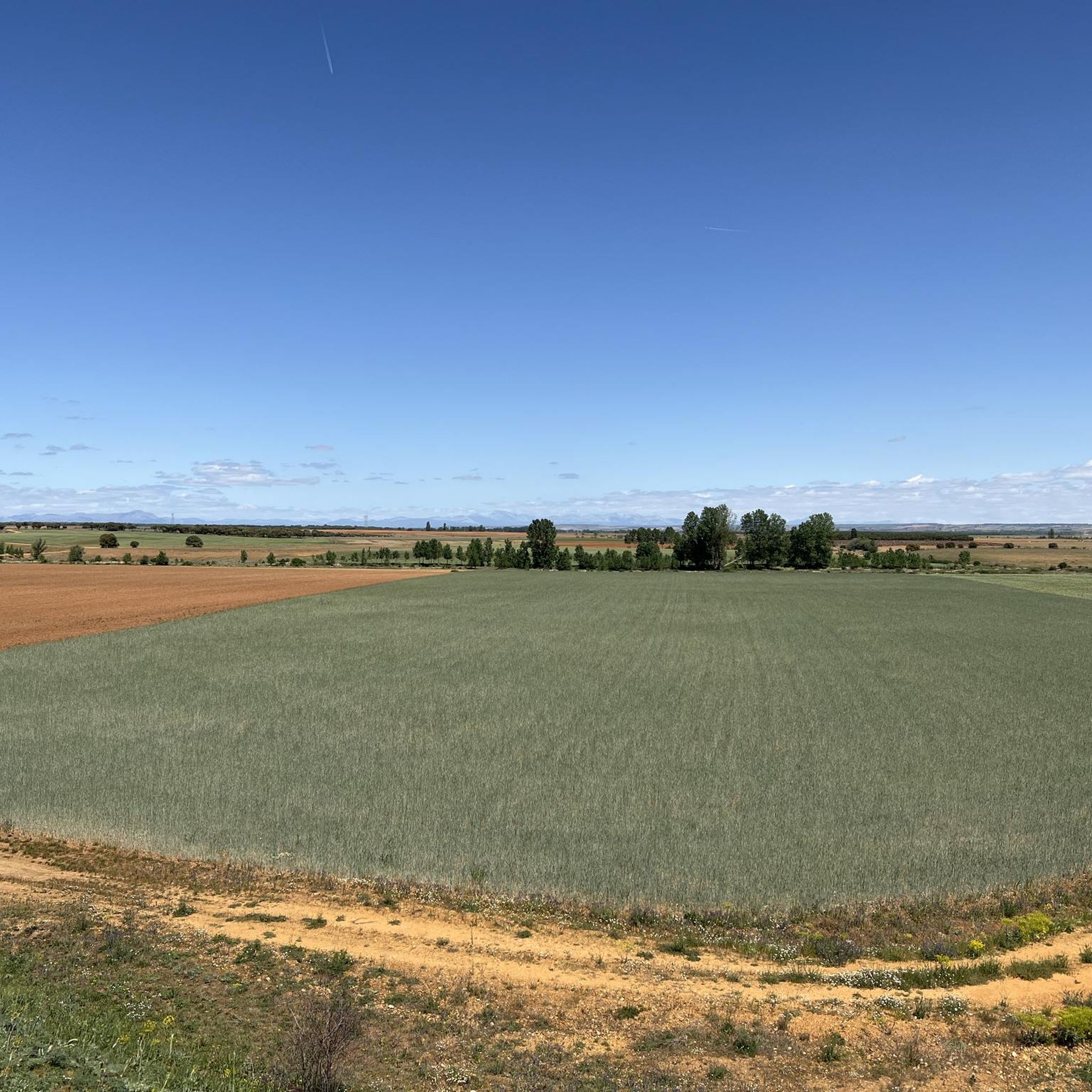
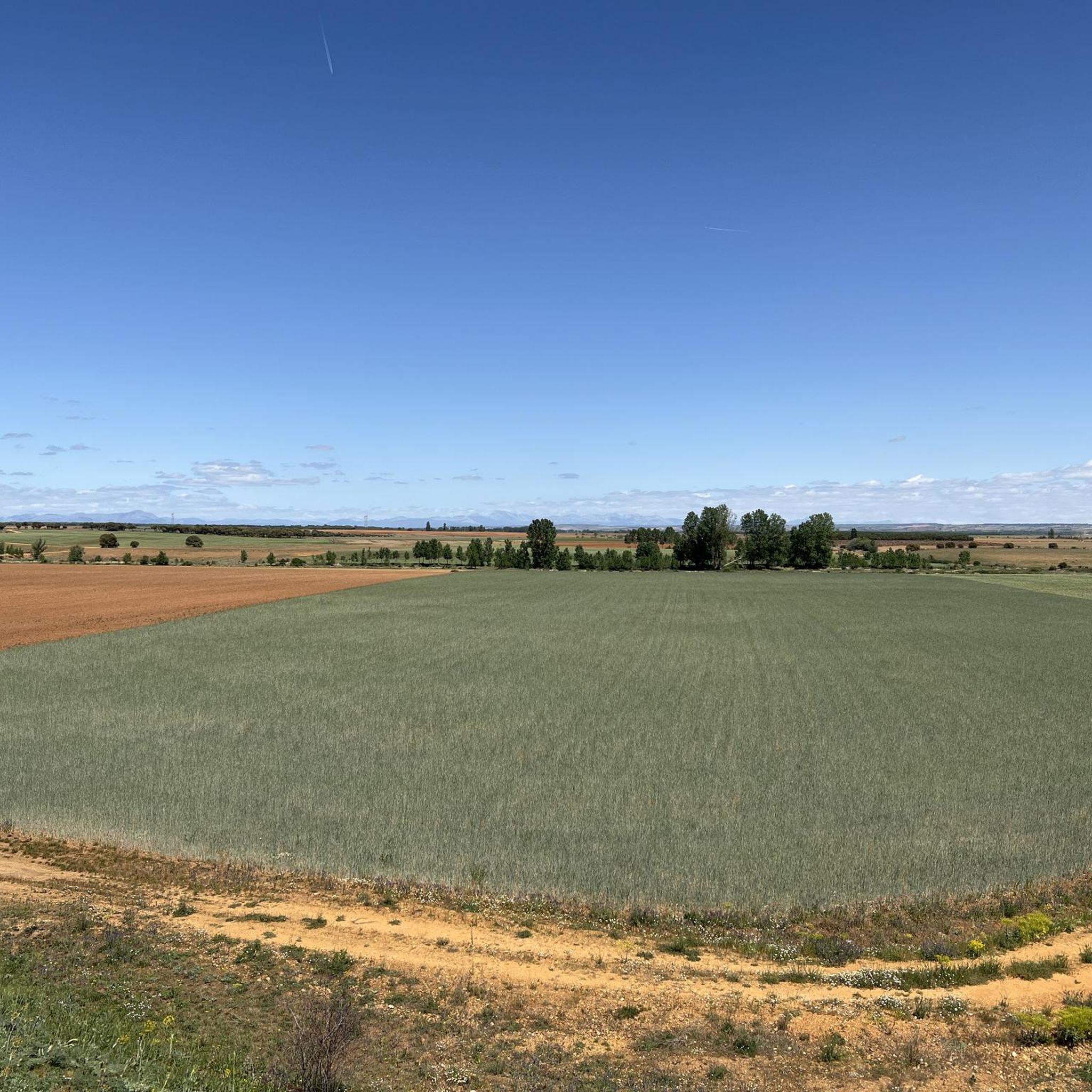
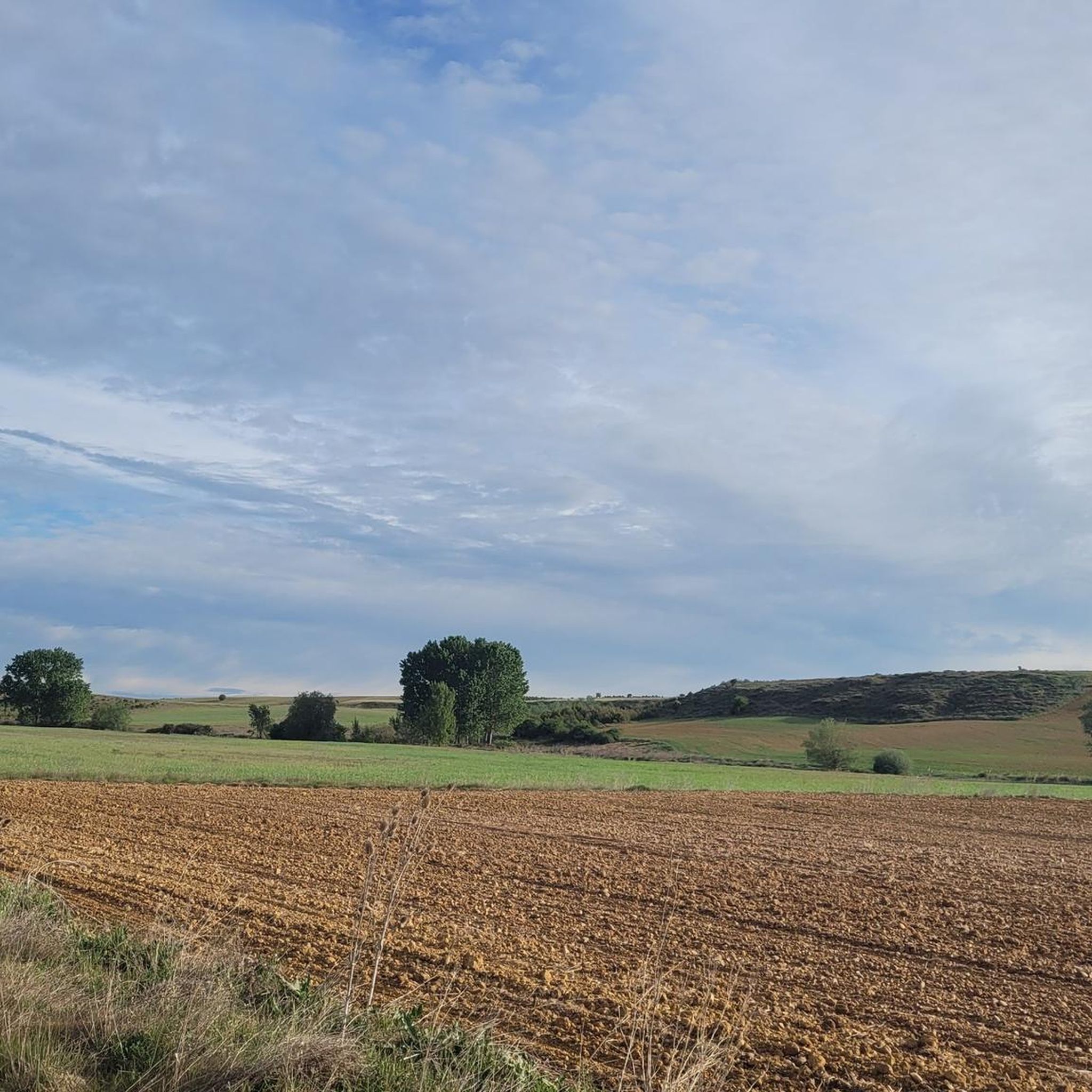
Hiking around Villamol, Spain, offers trails through river valleys and agricultural landscapes. The region is characterized by the presence of the río Cea and historic routes like the Camino Francés. Gentle elevations and open plains define much of the terrain, with some routes passing through forested areas.
Best hiking trails around Villamol
- The most popular hiking route is Grajal de Campos from Sahagún – circular by the río Cea, a 10.6 miles (17.0 km) trail that takes 4 hours…
Last updated: July 1, 2026
5.0
(1)
1
hikers
17.0km
04:24
100m
100m
Moderate hike. Good fitness required. Easily-accessible paths. Suitable for all skill levels.
1
hikers
9.93km
02:35
60m
60m
Hike a moderate 6.2-mile circular route in Sahagún, exploring the historic Ermita de la Virgen del Puente and scenic Río Valderaduey.

Sign up for free
1
hikers
12.6km
03:16
70m
70m
Moderate hike. Good fitness required. Easily-accessible paths. Suitable for all skill levels.
5.0
(1)
1
hikers
Moderate hike. Good fitness required. Easily-accessible paths. Suitable for all skill levels.
9.45km
02:34
140m
140m
Hike the moderate 5.9-mile Sendero de los Roblones loop from Mozos de Cea, featuring ancient oak trees and panoramic views.
Get access to more routes and recommendations from other explorers.
Sign up for free
Already have an account?
Our route recommendations are based on thousands of hikes, rides, and runs completed by other people on komoot.
Start today with a free account
Your next adventure awaits.
Login or Signup

Tips from the Community

“From gentle rural tracks, you reach this imposing 16th-century artillery fortress. It has a square layout with towers and sloping walls; it preserves loopholes, spiral staircases, and a complete structure. A perfect stop with cultural interest and beautiful panoramic views of Tierra de Campos.” Add this stop to short circular routes (~30 km). Comfortable terrain, good terrain for riding, and stress-free. It fits perfectly with the other stops: Lancia, Torre Almanza, and Ermita Virgen de la Guía.
0
0

The Hermitage of the Virgin of the Bridge is a historic gem located about three kilometers east of Sahagún, in the province of León. Built in the 13th century, the hermitage is an example of the Mudejar style, characterized by its blend of Christian and Islamic elements. It's a place steeped in history and tradition, perfect for a visit if you're in the area.
7
0

The Arco de San Benito is an impressive monument in Sahagún, located in the region of Castilla y León, Spain. It was built around 1662 by the architect Felipe Berrojo to replace the old Romanesque portal of the Monasterio de San Benito. The arch is designed as a triumphal arch, under which the N-120 passes, and is also known as "la puerta de Sahagún" (the gate of Sahagún). The monument is richly decorated with a central shield, inscriptions and sculptures of Saints Facundo and Primitivo. At the top is the royal shield, and there are also sculptures of Alfonso III and Alfonso VI, who were important protectors of the monastery.
8
0
The Ermita de La Virgen del Puente is a 13th-century Mudéjar hermitage located about three kilometres east of Sahagún, on the Camino Francés of the Camino de Santiago. The building stands next to a bridge over the Valderaduey River, hence its name. It has a single nave and a small choir with a semicircular apse, cipher arcades and corner friezes. It was once a hospital for pilgrims and lepers and is now used for the annual San Marcos festival with the famous Tantáriga dance.
3
0
The Arch" author Manuel García Juan. This mural shows two unmistakable symbols of Sahagún, a pilgrim, who represents those who cross the streets throughout the year, and the Arch of San Benito, the entrance door to the Monastery of San Benito that remains open as a symbol of invitation. Year 2020
3
1
Sahagún is a charming town and municipality in the province of León, in the autonomous community of Castile and León, and is an important point on the Santiago de Compostela pilgrimage route. Sahagún is known for its rich history and beautiful architecture, including some of the earliest examples of the Mudejar style. The town also has a number of medieval churches from the 12th and 13th centuries. One of the most notable historical events is the Battle of Sahagún in 1808, where the British light cavalry won a victory over the French troops. The town is also famous for its former Benedictine monastery, which played an important role in the Santiago de Compostela pilgrimages. Although the monastery was dissolved and largely demolished in the 19th century, it remains an important part of Sahagún's history.
3
1
"El Arco, un peregrino y el Arco de San Benito.": Tribute to the pilgrim and the Arch of San Benito that shines in a mural of 150 square meters in the area of the Arch of San Benito.
3
1

The painting shows a pilgrim walking through the city gate of Sahagun.
3
1
Frequently Asked Questions
How many hiking trails are available around Villamol?
There are over 15 hiking routes available around Villamol, catering to various skill levels. You'll find a mix of easy, moderate, and a few more challenging options to explore the river valleys and agricultural landscapes of the area.
What kind of terrain can I expect on hikes near Villamol?
Hikes near Villamol primarily feature gentle elevations and open plains, often following river valleys like the río Cea and agricultural paths. While many routes are relatively flat, the broader region of León offers diverse landscapes, including mountainous areas in the Cantabrian Mountains and unique geological formations like those found in Las Médulas, though these are further afield.
Are there any family-friendly hiking options in the Villamol area?
Yes, the Villamol area offers several easy to moderate routes that are suitable for families. These trails typically have gentle gradients and pass through open, scenic landscapes, making them enjoyable for all ages. For instance, the Camino Francés: Sahagún Loop is a moderate 9.9 km path that offers a taste of a historic route without being overly strenuous.
Can I find circular hiking routes around Villamol?
Absolutely. Many of the trails around Villamol are designed as circular routes, allowing you to start and end in the same location. A popular example is the Grajal de Campos from Sahagún – circular by the río Cea, which is a 17 km loop following the river.
What are some notable landmarks or historical sites I can see while hiking?
The area around Villamol is rich in history, especially due to its proximity to the Camino Francés. You can encounter several historical and religious sites. Highlights include the Geographical Center of the Camino Francés – Ermita de la Virgen del Puente, the San Benito Arch and Ruins of the Monastery of San Benito, and the Hermitage of Our Lady of Perales. These sites offer glimpses into the region's past and provide interesting points of interest along your hike.
Are there any more challenging hikes for experienced trekkers?
While many routes directly around Villamol are moderate, there are a couple of more difficult trails available for experienced trekkers looking for a greater challenge. These routes might feature slightly more elevation gain or longer distances. For those seeking truly challenging mountainous terrain, the broader León province, particularly the Cantabrian Mountains, offers extensive options, though these would require traveling further from Villamol.
What is the best time of year to go hiking near Villamol?
The best time to hike near Villamol is generally during the spring (April to June) and autumn (September to October). During these seasons, the weather is typically mild and pleasant, making for comfortable hiking conditions. Summers can be quite warm, especially in the open plains, while winters can be cold, though snow is less common in the immediate Villamol area compared to the higher elevations of León province.
Are there options for longer distance hikes in the region?
Yes, the region offers several longer routes, including sections of the historic Camino Francés. For example, the Sahagún — circular by the river Cea – the Jacobean route is a 12.5 km trail that incorporates part of this famous pilgrimage path, offering a longer walking experience through the local landscape.
What do other hikers say about the trails around Villamol?
The trails around Villamol are highly regarded by the komoot community, with an average rating of 4.1 stars from over 14 reviews. Hikers often praise the peaceful riverine landscapes, the historical significance of routes like the Camino Francés, and the accessibility of the paths for various fitness levels.
Are there any trails that offer unique natural features, like gorges or forests?
While Villamol itself is characterized by river valleys and agricultural plains, the wider province of León is renowned for its diverse natural features. You can find magnificent ancient beech forests like Faedo de Ciñera, impressive gorges such as Vegacervera, and unique geological formations like Las Médulas. For a trail that offers a glimpse of local woodlands, consider the Trail of the Large Oaks.
Can I bring my dog on the hiking trails around Villamol?
Generally, many hiking trails in rural Spain are dog-friendly, especially those on public rights of way. However, it's always advisable to keep your dog on a leash, particularly in agricultural areas or near livestock, and to check for any specific local regulations or protected areas that might have restrictions. Always ensure you clean up after your pet.
Where can I find parking for hiking trails in the Villamol area?
For many trails that start from towns or villages like Sahagún or Cea, you can typically find public parking available within the settlements. It's recommended to check the specific starting point of your chosen route on komoot for more detailed parking information, as options can vary.
Are there any trails that offer views of the river Cea?
Yes, the río Cea is a prominent feature of the landscape around Villamol, and several trails follow its course, offering pleasant riverside views. The Sahelices del Río from Cea – circular by the river Cea and the Castillo is an excellent option that leads through riverine landscapes and past historical sites, providing ample opportunities to enjoy the river.
Most popular attractions around Villamol

Get inspired with the komoot mobile app


Explore more
Browse the best Hikes in other regions.
