Attractions and Places To See around Villada - Top 20
Attractions and places to see around Villada offer a blend of historical and religious architecture, alongside unique cultural landmarks. The municipality is known for its connection to local industry and its position along the Camino de Santiago. Visitors can explore significant churches and sites that reflect the region's heritage. The area provides various points of interest for those seeking cultural exploration.
Best attractions and places to see around Villada
- The most popular attractions is San Benito Arch and Ruins of…
Last updated: June 29, 2026
Geographical Center of the Camino Francés – Ermita de la Virgen del Puente
Highlight • Religious Site
Translated by Google •
Tip by

San Benito Arch and Ruins of the Monastery of San Benito
Highlight • Historical Site
Translated by Google •
Tip by

Sign up now to discover places like this
Get recommendations on the best single tracks, peaks, & plenty of other exciting outdoor places.
Sign up for free
Bodegas de Moratinos
Highlight • Structure
Translated by Google •
Tip by
Ledigos
Highlight • Settlement
Translated by Google •
Tip by

Jacques de Molay Hostel
Highlight • Mountain Hut
Translated by Google •
Tip by
Sign up for free to discover even more attractions around Villada.
Sign up for free
Already have an account?
Start today with a free account
Your next adventure awaits.
Login or Signup

Tips from the Community

The hostel takes its name from Jacques de Molay, the last Grand Master of the Knights Templar, who was executed in 1314. According to legend, he placed a curse on Pope Clement V and King Philip IV, who died shortly after.
1
0
The Jacques de Molay Hostel, located in Terradillos de los Templarios (Palencia), is a private Superior Tourist category accommodation (three shells), especially designed for pilgrims on the French Way of St. James, although it also welcomes tourists and travelers.
1
0
Ledigos, in the province of Palencia, is a small town with about 60 inhabitants, located on the French Way of St. James, between Calzadilla de la Cueza and Terradillos de los Templarios. Its history, architecture, and natural surroundings make it an interesting stop for pilgrims and travelers.
1
0
The Hermitage of the Virgin of the Bridge is a historic gem located about three kilometers east of Sahagún, in the province of León. Built in the 13th century, the hermitage is an example of the Mudejar style, characterized by its blend of Christian and Islamic elements. It's a place steeped in history and tradition, perfect for a visit if you're in the area.
7
0

The Arco de San Benito is an impressive monument in Sahagún, located in the region of Castilla y León, Spain. It was built around 1662 by the architect Felipe Berrojo to replace the old Romanesque portal of the Monasterio de San Benito. The arch is designed as a triumphal arch, under which the N-120 passes, and is also known as "la puerta de Sahagún" (the gate of Sahagún). The monument is richly decorated with a central shield, inscriptions and sculptures of Saints Facundo and Primitivo. At the top is the royal shield, and there are also sculptures of Alfonso III and Alfonso VI, who were important protectors of the monastery.
8
0
Ledigos is a small village in the province of Palencia, located in the region of Castilla y León, Spain. It lies on the Camino Francés, the popular pilgrimage route to Santiago de Compostela. Despite having a population of only around 66, the village offers three albergues for pilgrims who choose to stay here instead of continuing on to Sahagún. The village has a beautiful church, the Iglesia Parroquial de Santiago Apóstol, with altars from the 17th and 18th centuries and a modern brick bell tower. It also offers beautiful views of the surrounding area due to its hilltop location.
1
0

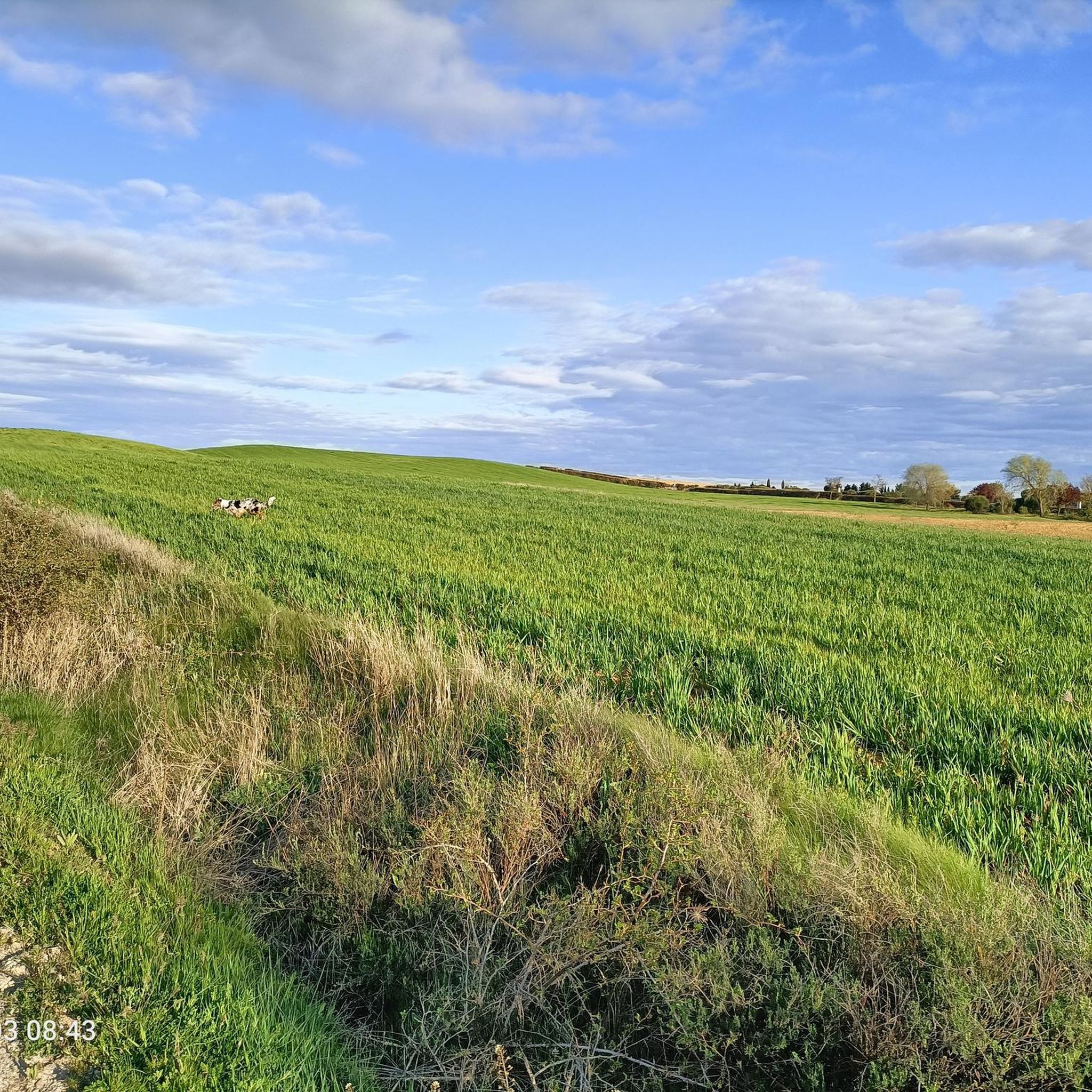
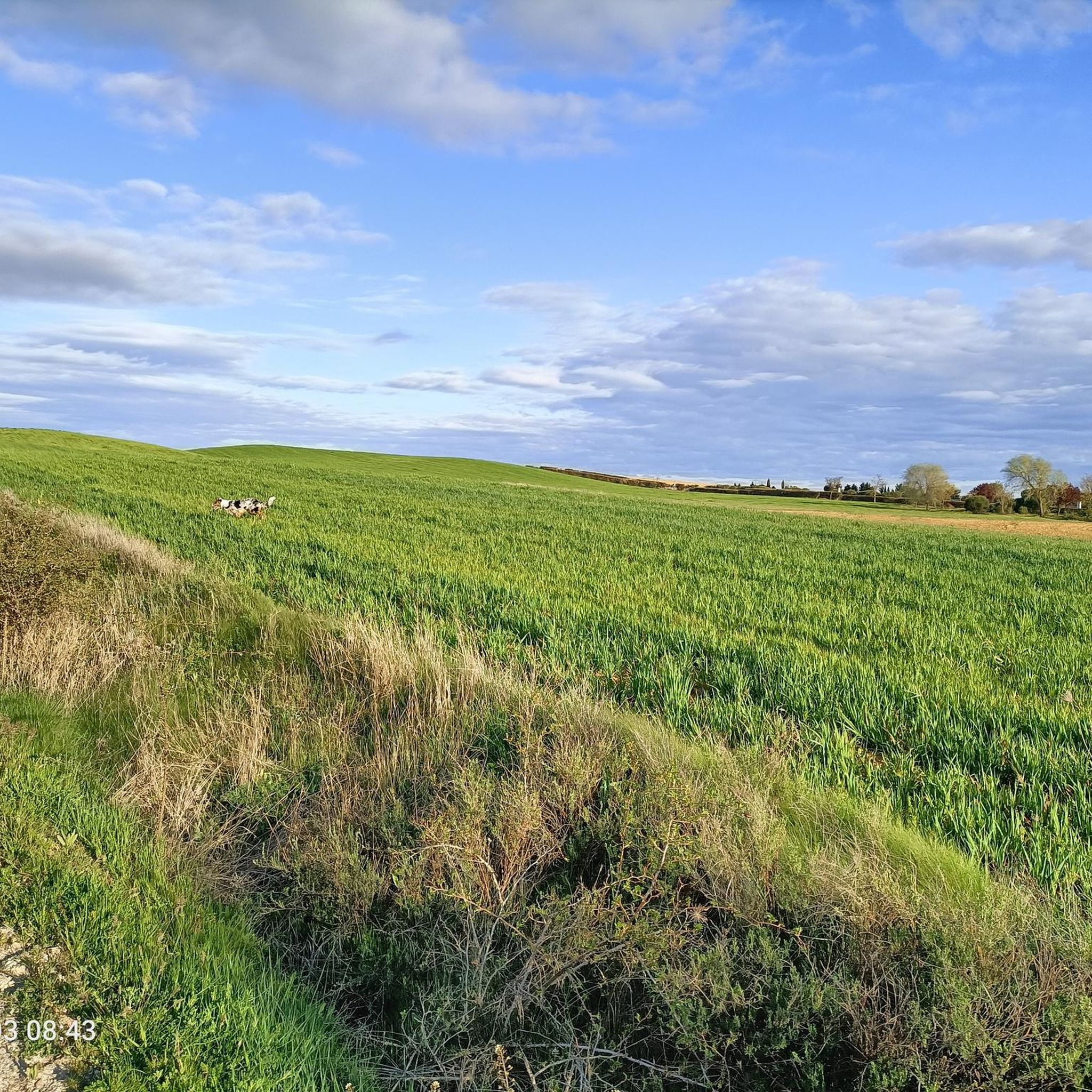
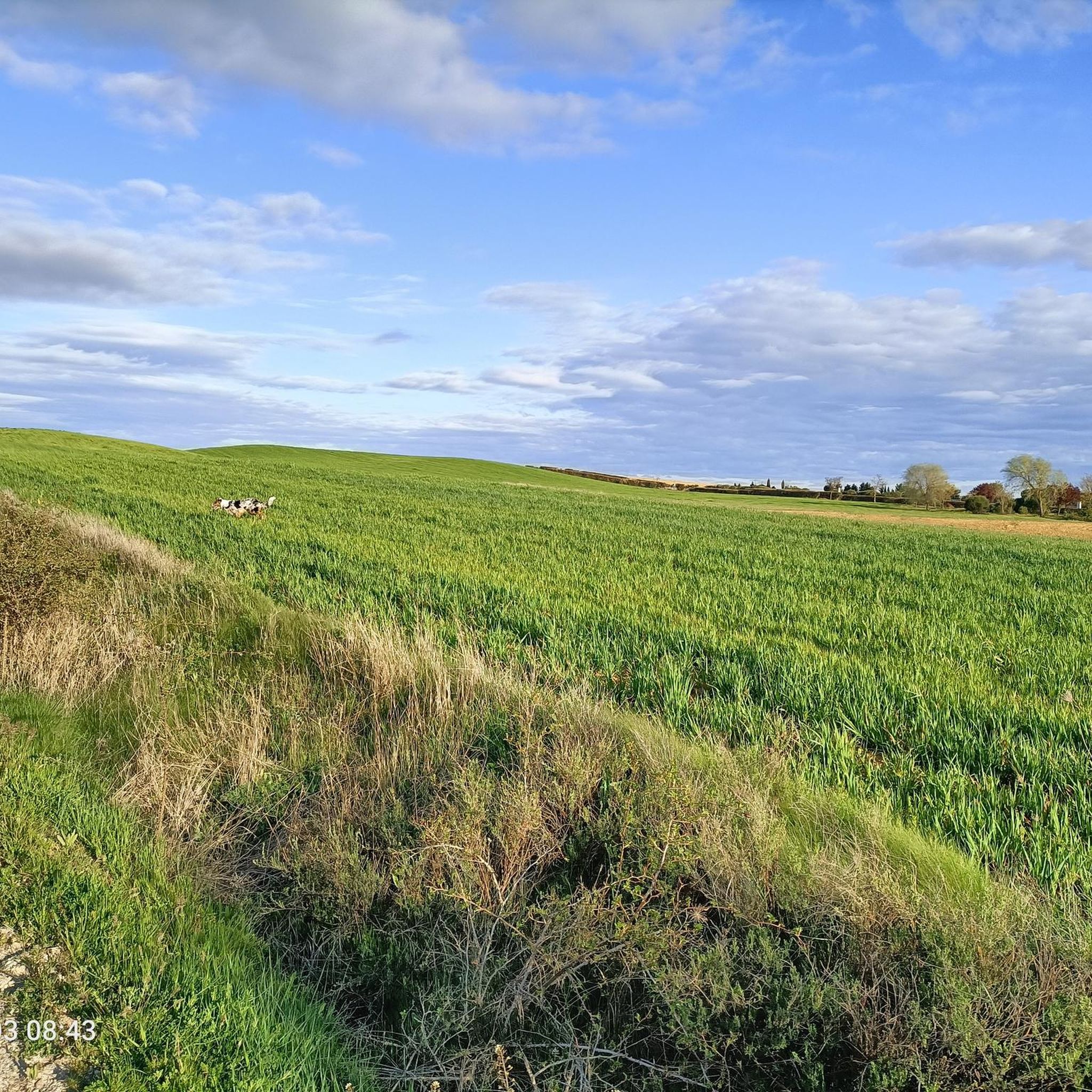
These mounds of earth are often seen. They are often used as storage space.
1
0
Directly on the Way of St. James you can see this earthen cave, which was dug for the storage of wine and food.
2
0
Frequently Asked Questions
What historical and religious sites can I visit in Villada?
Villada offers a rich array of historical and religious architecture. You can explore the Parroquia de Santa María, an 18th-century church with a parish museum, and the Iglesia de San Fructuoso, the oldest church in Villada dating back to the 17th century, also featuring a parish museum. Both churches showcase significant religious art and architecture.
Are there any unique cultural landmarks in Villada?
Yes, in the Plaza de Santa María, you'll find a unique Sculpture of a Pipe. This piece, created by local painter Urbano González, pays tribute to 'Pipas Facundo' for its contributions to the community and its international recognition.
What are some significant historical sites near Villada related to the Camino de Santiago?
Near Villada, you can visit the San Benito Arch and Ruins of the Monastery of San Benito in Sahagún, an impressive Mudejar art monument. Another key site is the Geographical Center of the Camino Francés – Ermita de la Virgen del Puente, a 13th-century Mudejar hermitage marking the Camino's midpoint.
Where can I see traditional methods of food and wine storage near Villada?
You can explore the Bodegas de Moratinos, historical earth caves dug for storing wine and food. These demonstrate traditional methods along the Camino de Santiago and offer insight into local heritage.
Are there family-friendly attractions around Villada?
Many attractions around Villada are considered family-friendly. This includes historical sites like the San Benito Arch and the Geographical Center of the Camino Francés, as well as the Bodegas de Moratinos. The village of Ledigos also offers a pleasant family visit with its church and views.
What outdoor activities can I do near Villada?
The area around Villada is excellent for outdoor activities. You can find various routes for hiking, cycling, and mountain biking. For detailed routes, explore the Hiking around Villada guide, the Cycling around Villada guide, or the MTB Trails around Villada guide.
Are there any wheelchair-accessible attractions?
Yes, the San Benito Arch and Ruins of the Monastery of San Benito in Sahagún is noted as wheelchair accessible, allowing more visitors to experience this significant historical monument.
Where can I find accommodation for pilgrims or travelers near Villada?
The Jacques de Molay Hostel, located near Sahagún, is a private Superior Tourist category accommodation specifically designed for pilgrims on the French Way of St. James, though it also welcomes other tourists and travelers.
What is the best time of year to visit Villada for outdoor activities?
While specific data isn't provided, generally, spring and autumn offer pleasant weather for outdoor activities in this region of Spain, with milder temperatures ideal for hiking, cycling, and exploring historical sites.
What do visitors enjoy most about the attractions around Villada?
Visitors particularly appreciate the rich historical and religious heritage, especially the sites connected to the Camino de Santiago. The unique Mudejar architecture, the traditional earth caves, and the sense of history are frequently highlighted by those exploring the area.
Are there any viewpoints to enjoy the surrounding landscape?
The village of Ledigos, situated on a hilltop, offers beautiful views of the surrounding area. While Villada itself focuses more on cultural sites, nearby villages provide opportunities to appreciate the landscape.
Can I find hiking trails suitable for different difficulty levels?
Yes, the hiking routes around Villada, such as those found in the Hiking around Villada guide, include trails of moderate difficulty like 'Camino Francés: Moratinos to Ermita de la Virgen del Puente' and 'Hermitages of Tierra de Campos from Frechilla'. There are also more challenging options available.

Get inspired with the komoot mobile app


Explore more
Still not found the Highlight you’re looking for? See guides of the top attractions in other regions:
