The best MTB trails around Parco del Molgora
4.3
(3101)
14,737
riders
508
rides
Mountain biking around Parco del Molgora offers diverse landscapes and varied terrain within the Lombardy region of Italy. The park spans approximately 16 kilometers along the Molgora torrent, connecting the hilly Brianza region with the Martesana countryside. It features a blend of ecological zones, including extensive agricultural lands, shaded wooded sections, and important wetland areas, providing a rich environment for mountain bike trails. This area serves as a significant green lung for the Upper Milanese area, linking with other regional…
Last updated: October 2, 2026
4.6
(17)
180
riders
63.5km
05:56
1,590m
1,590m
Hard mountain bike ride. Very good fitness required. Advanced riding skills necessary. Some portions of the route may require you to push your bike.
4.3
(25)
142
riders
41.3km
02:18
100m
100m
Moderate mountain bike ride. Good fitness required. Suitable for all skill levels.

4.7
(34)
65
riders
Moderate mountain bike ride. Good fitness required. Suitable for all skill levels.
4.4
(18)
115
riders
50.1km
03:42
320m
320m
Moderate mountain bike ride. Good fitness required. Suitable for all skill levels.
3.8
(10)
65
riders
43.1km
03:01
640m
650m
Moderate mountain bike ride. Good fitness required. Suitable for all skill levels.
Get access to more routes and recommendations from other explorers.
Already have an account?
Our route recommendations are based on thousands of hikes, rides, and runs completed by other people on komoot.
Start today with a free account
Your next adventure awaits.

Tips from the Community

An enchanted opening suspended in the green, where the small stone bridge gently fades into the breath of nature. Alas, the wooden bench that accompanies it reveals how little modern man still knows how to integrate with creation...
0
0

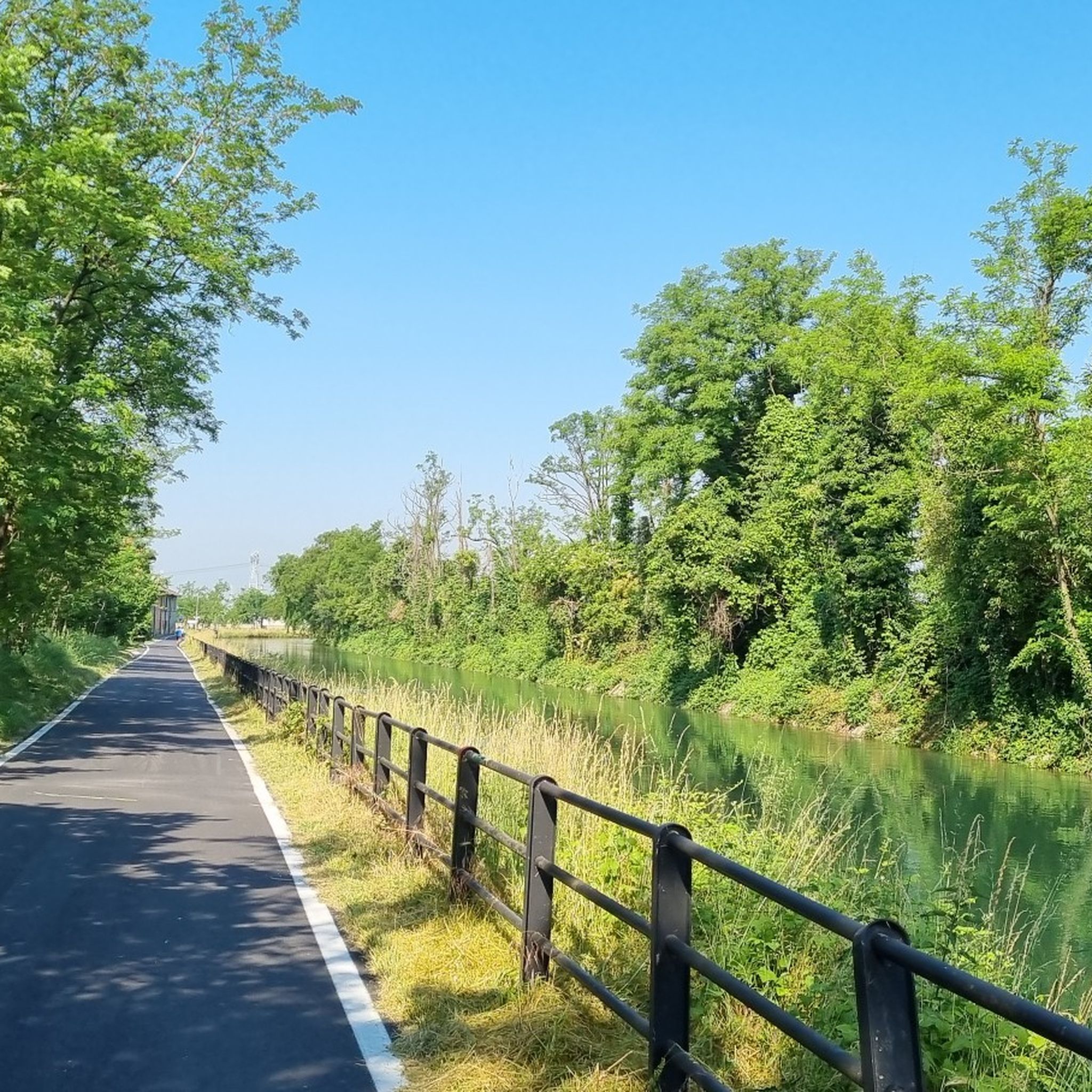
The route runs alongside the Naviglio della Martesana, perhaps the least known among the ancient artificial canals connecting Milan to the great Lombard rivers. It originates from the Adda river in Concesa, a hamlet of Trezzo d’Adda, crosses the Martesana sub-region, north-east of the provincial capital, and once in the city, it plunges underground beneath via Melchiorre Gioia, near Cassina de’ Pomm. It measures approximately 38 km in length, with a width varying from 9 to 18 meters. However, at one time, the Naviglio della Martesana continued in the open air right into the center, where a system of locks centered on the Conca dell’Incoronata connected it to the short Naviglio di S. Marco and the urban ring of the Navigli. The lock was inaugurated in 1496, utilizing lock gates designed by Leonardo da Vinci. The canal had been opened in 1471, under Francesco Sforza. By connecting it to the other Navigli,
3
0
The Morando Library, inaugurated in 2017 at the Fondazione Cineteca Italiana in Milan (Via Tofane 49), is a space specialized in cinema with over 12,000 volumes. The heart of the collection is the fund of the film critic Morando Morandini.
1
0
The Naviglio della Martesana is perhaps the least known of the ancient artificial canals that connect Milan to the great Lombard rivers. It originates from the Adda in Concesa, a hamlet of Trezzo d’Adda, crosses the Martesana sub-region, northeast of the provincial capital, and once in the city, it disappears under via Melchiorre Gioia, near Cassina de’ Pomm.
1
0
The construction of the Naviglio Piccolo, later known as the Martesana, was started by Francesco Sforza in 1475 to transport along the route "grinding stones, oil presses, spinning mills, paper mills". It originates from the Adda, on the right bank, below the Castle of Trezzo and reaches Milan at Cascina de' Pomm, ending buried at San Marco. The Naviglio della Martesana, definitively completed in 1496 under the guidance of Ludovico il Moro, flows from Trezzo sull’Adda to Milan for a total length of 38 km. The route runs alongside the ancient Roman road that crossed the Adda with two branches: at Vaprio and at Cassano. Concurrently with the improvement of the agricultural structure thanks to irrigation, a notable flourishing of stately villas occurred in the Baroque era. The irrigation function of the Martesana marks the clear boundary between the dry plain, to the north, and the irrigated plain, to the south.
3
0

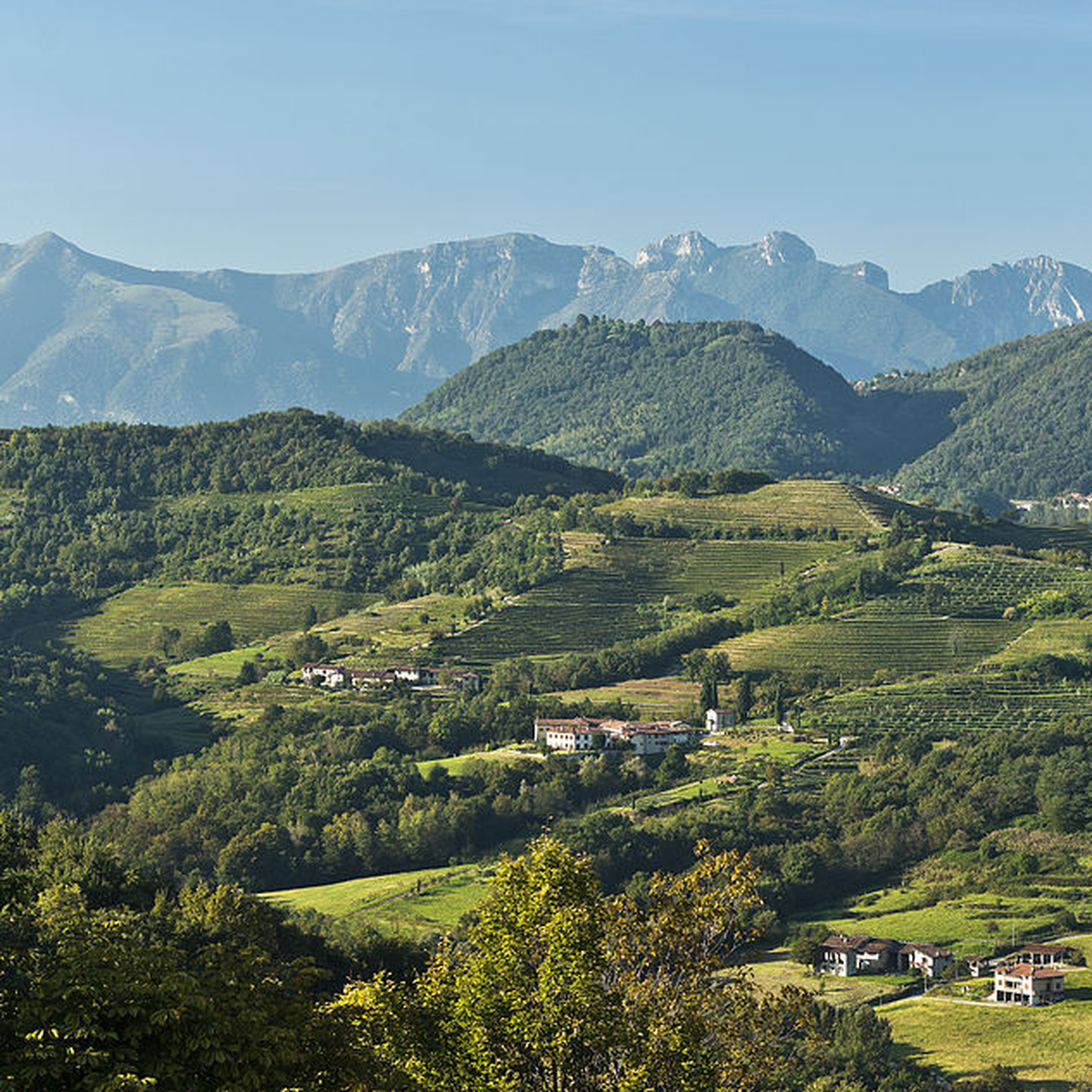
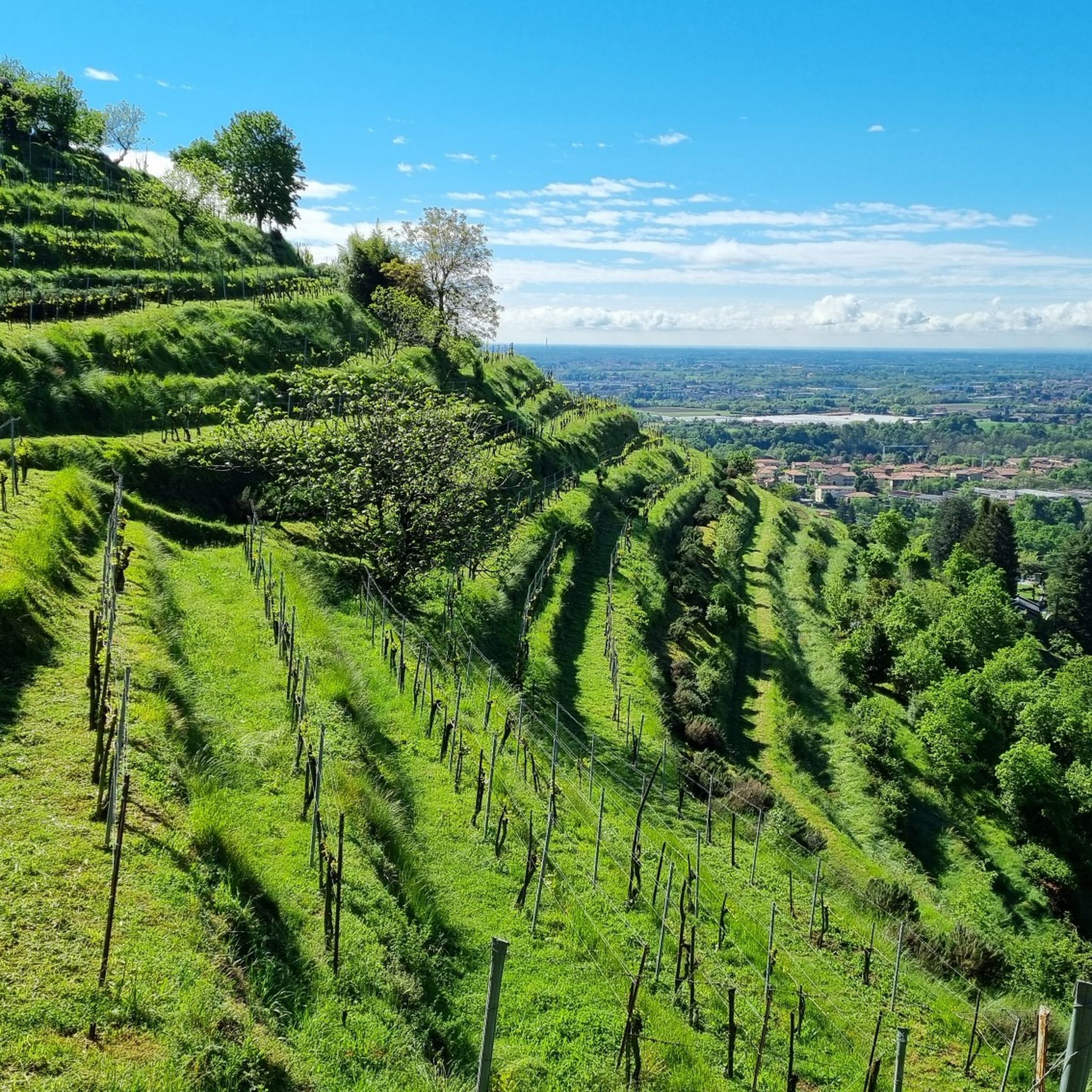
Stunning trails and views. Tuscany in Brianza. And then there's the MTB paradise.
0
0

The Municipality of Cernusco sul Naviglio has built the only public astronomical observatory in the entire Province of Milan on the Martesana River. Located at number 75 Alzaia del Naviglio Martesana, in the Cascina Villa area, the public observatory is managed by the Cernusco Association of Amateur Astronomers, which will make its telescopes and valuable equipment available to all astronomy enthusiasts.
2
0

a little secluded on the sides of the canal
2
0
Frequently Asked Questions
How many mountain bike trails are available in Parco del Molgora?
There are over 500 mountain bike trails around Parco del Molgora, offering a wide variety of options for different skill levels and preferences.
What kind of terrain can I expect on mountain bike trails in Parco del Molgora?
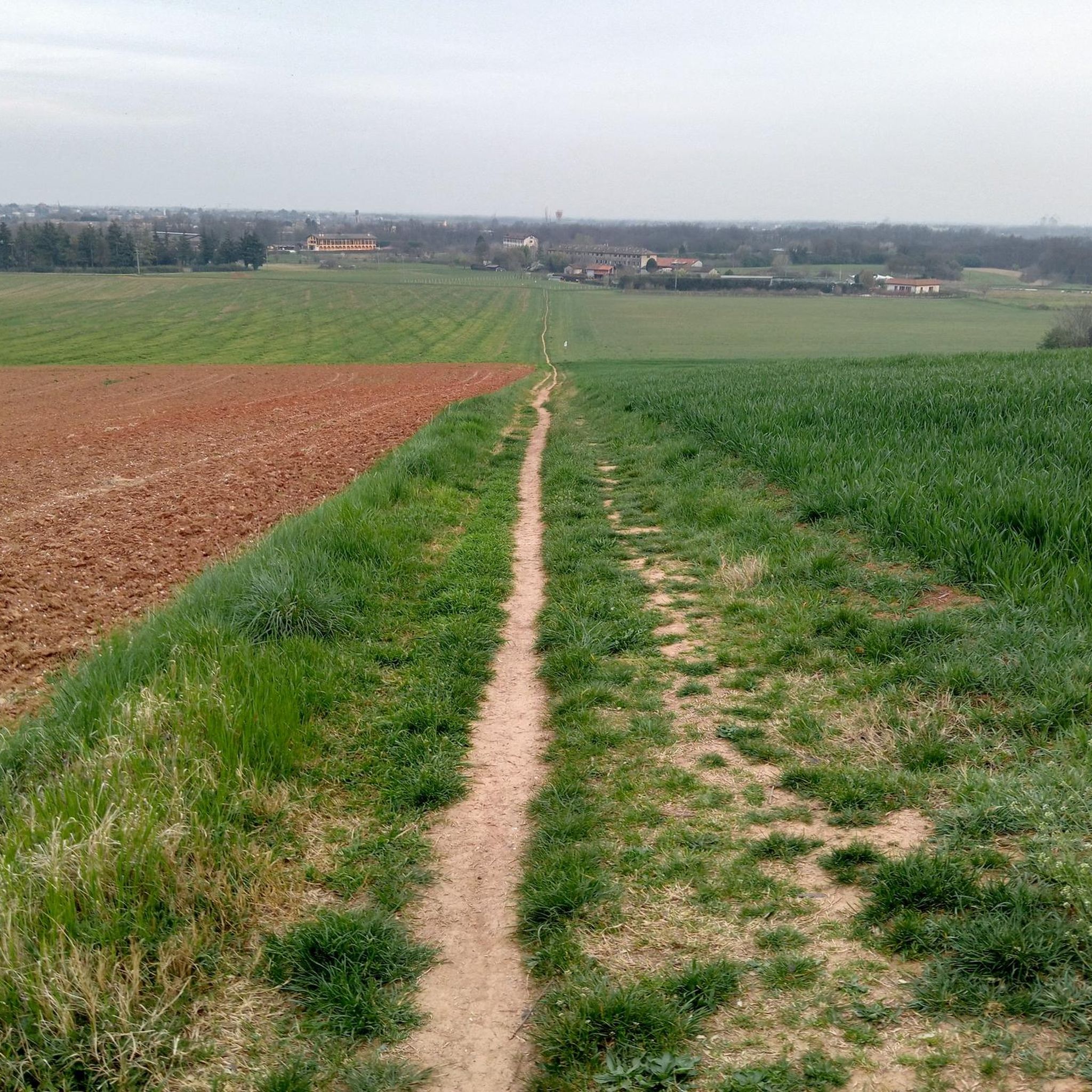
The terrain in Parco del Molgora is diverse, ranging from flat paths ideal for leisurely rides to routes with gentle ascents and descents featuring engaging single tracks and gravel sections. You'll ride through agricultural lands, shaded wooded areas, and near wetlands, all connected by the Molgora torrent.
Are there mountain bike trails suitable for beginners in Parco del Molgora?
Yes, Parco del Molgora offers many options for beginners. There are over 160 easy mountain bike routes, providing gentle paths suitable for those new to the sport or looking for a relaxed ride.
Are there challenging mountain bike routes for experienced riders?
Absolutely. For experienced riders seeking a challenge, there are around 70 difficult mountain bike routes. One such challenging route is the Monte Barro climb – Lake Garlate (West Shore) loop from Carnate-Usmate, which covers 45.1 miles (72.6 km) and includes significant elevation gain.
What do other mountain bikers say about the trails in Parco del Molgora?
The mountain bike trails in Parco del Molgora are highly rated by the komoot community, with an average score of 4.3 stars from over 2,500 reviews. Riders often praise the varied terrain, the mix of natural and cultural features, and the well-maintained paths that cater to different ability levels.
Are there family-friendly mountain bike trails in Parco del Molgora?
Yes, many trails in Parco del Molgora are suitable for families. The park's flat paths and gentle routes, often away from traffic, make for pleasant family outings. Look for easy-rated tours for the most family-friendly options.
Can I bring my dog on the mountain bike trails in Parco del Molgora?
While many natural parks in Italy allow dogs on a leash, specific regulations can vary within Parco del Molgora. It's generally advisable to keep your dog on a leash to protect wildlife and ensure a pleasant experience for all trail users. Always check local signage for any specific restrictions.
Is parking available near the mountain bike trails in Parco del Molgora?
Yes, parking is generally available in towns and villages bordering the park, such as Burago di Molgora and Olgiate Molgora, which serve as popular starting points for many routes. Specific parking areas may be indicated near trailheads.
How can I reach the mountain bike trails in Parco del Molgora by public transport?
Parco del Molgora is well-connected to the Upper Milanese area. Train stations in nearby towns like Carnate-Usmate provide access points, and local bus routes can help you get closer to various trailheads. Planning your route in advance using public transport apps is recommended.
What can I see along the mountain bike trails in Parco del Molgora?
Beyond the natural beauty of agricultural lands, wooded sections, and the Molgora torrent, you can encounter a rich architectural heritage. This includes traditional rural dwellings (cascine), stately villas, and religious buildings. Notable highlights include the Cycle Path Along the Villoresi Canal, the Vimercate Bridge, and the Footbridge over the Molgora River.
Are there any loop trails for mountain biking in Parco del Molgora?
Yes, many mountain bike trails in Parco del Molgora are designed as loops, allowing you to start and end at the same point. An example is the Bridge to Valfredda – Bucolic Hills of Brianza loop from Carnate-Usmate, which offers a scenic ride through rolling hills.
Are there mountain bike routes that follow canals or rivers?
Yes, the park's proximity to the Molgora torrent and its connection to ecological corridors like the Villoresi Canal mean you can find routes that follow waterways. The Towpath of the Villoresi Canal – Rio Vallone Crossing loop from Bussero is a popular moderate route that follows the Villoresi Canal.
Most popular routes around Parco del Molgora
Most popular attractions around Parco del Molgora

Get inspired with the komoot mobile app


Explore more
Browse the best MTB trails in other regions.
