Attractions and Places To See around Tobarra - Top 9
Attractions and places to see around Tobarra include a mix of historical landmarks, cultural sites, and natural areas in the province of Albacete, Spain. The region is recognized for its Holy Week observances and unique "tamboradas" (drum processions). Visitors can explore ancient religious buildings, remnants of a castle, and protected natural spaces known for their unique ecosystems and birdwatching opportunities.
Best attractions and places to see around Tobarra
- The most popular attractions is Laguna de los Patos, a lake that serves as a protected natural space. It offers opportunities to observe various bird species, including mallards, red ducks, and egrets.
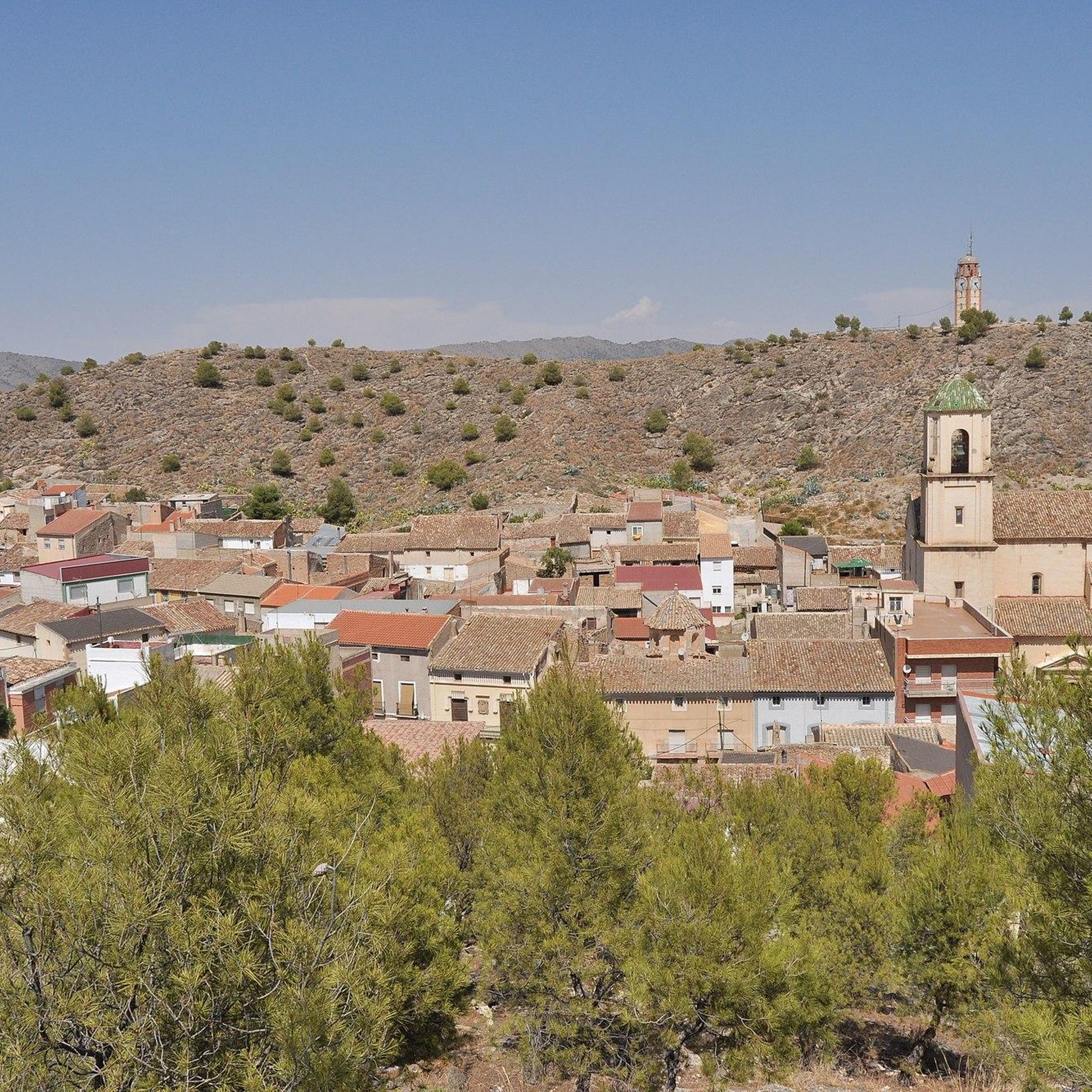
- Another must-see spot is Tobarra, a settlement featuring historical heritage and unique traditions. Notable sites include the Church of Our Lady of the Assumption and the ruins of the old castle.
- Visitors also love Sanctuary Hermitage of the Encarnación, a religious building declared an Asset of Cultural Interest. This hermitage features Mudéjar, Gothic-Renaissance, and Baroque-Rococo elements, with 18th-century murals.
- Tobarra is known for its historical landmarks, cultural sites, and natural features. The area offers a variety of attractions to see and explore, from ancient churches to protected wetlands.
- The attractions around Tobarra are appreciated by the komoot community, with 3 upvotes and 2 photos shared.
Last updated: May 17, 2026
Tobarra
Highlight • Religious Site
Translated by Google •
Tip by

Laguna de los Patos
Highlight • Lake
Translated by Google •
Tip by

Sign up now to discover places like this
Get recommendations on the best single tracks, peaks, & plenty of other exciting outdoor places.
Sign up for free
Hellín
Highlight • Settlement
Translated by Google •
Tip by

Sanctuary Hermitage of the Encarnación
Highlight • Religious Site
Translated by Google •
Tip by
Eremitorio Rupestre de Alborajico
Highlight • Cave
Translated by Google •
Tip by
Sign up for free to discover even more attractions around Tobarra.
Sign up for free
Already have an account?
Start today with a free account
Your next adventure awaits.
Login or Signup
Other adventures around Tobarra

Tips from the Community

Heritage and Historical Sites Plaza de España and Town Hall: A 16th-century Renaissance building that marks the starting point of the urban route. Church of Our Lady of the Assumption: A single-nave Gothic church, declared a Site of Cultural Interest (BIC), rebuilt after the collapse of its tower in the 1950s. A sculpture of Our Lady of Sorrows by Salzillo is a highlight. Sanctuary (Hermitage) of the Incarnation and Christ of La Antigua: A building with Mudéjar (14th century), Gothic-Renaissance, and Baroque and Rococo murals, also declared a Site of Cultural Interest. Ruins of the Castle and "Devil's Eyes" Tower: Ancient defensive structures with the remains of a watchtower, located next to the sanctuary. Clock Tower: Situated at the top of the town, it offers excellent panoramic views. Convent of San José: Now the headquarters of the religious brotherhoods, rebuilt after the collapse of its tower.
4
0
Tobarra offers a complete experience: historical heritage, unique traditions, nature, and authentic cuisine. Perfect for both a day trip and a more relaxed stay 🙂
4
0

A protected natural space where you can observe many birds, such as the mallard, red duck, shoveler, pochard and gaddle, common coot, moorhen, rail, bastard crake, egret, cattle egret, the great sandpiper, stilt, and the small snipe.
1
0

Hellín is the most populated municipality in the province, after Albacete. Among its heritage, several churches and sanctuaries stand out: Archpriestal Church of Santa María de la Asunción, Conventual Church of Nuestra Señora de los Ángeles - Franciscan Fathers, Sanctuary of Nuestra Señora del Rosario, Convent of the Poor Clares (House of Culture) etc. Stop by the Plaza del Anfiteatro to see the old water mill and have a drink. The celebrations of Holy Week (Tamborada) have since 2007 the title "Fiesta of International Tourist Interest".
2
0
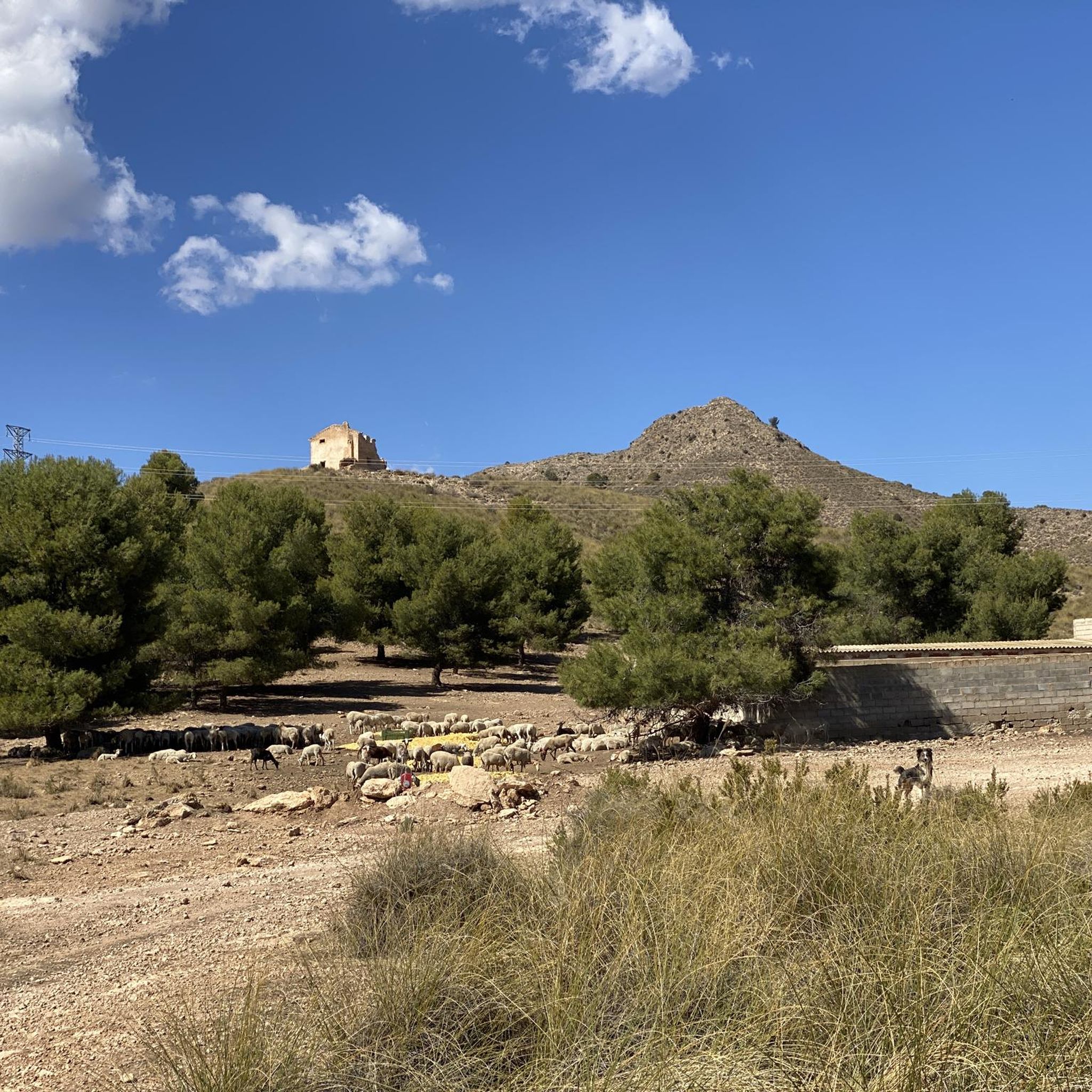
Hermitage declared an Asset of Cultural Interest in 1981. It is worth seeing inside. Right next to it are the ruins of the old castle of Tobarra.
2
1
The Alborajico Rupestrian Hermitage consists of several caves excavated in the rock and connected to each other by corridors and stairs. These caves were used as dwellings, chapels and warehouses. It is believed that these caves were inhabited by hermits in the Middle Ages, although archaeological remains have also been found indicating that they have been used since Roman times.
1
0
A hermitage with baroque architecture. The construction of the church began in the 16th century, and it was completed in the 18th century. Every year, in September, a festival is held in honor of the Virgen de la Encarnación, who is the patron saint of the church. During the festival, the image of the Virgin is carried in a procession through the streets of Tobarra, and various religious and cultural activities are carried out.
1
0
Frequently Asked Questions
What historical landmarks can I explore in Tobarra?
Tobarra is rich in history. You can visit the Church of Nuestra Señora de la Asunción, a Gothic temple with a valuable sculpture by Francisco Salzillo. Don't miss the Sanctuary Hermitage of the Encarnación, an Asset of Cultural Interest with Mudejar, Gothic-Renaissance, and Baroque-Rococo elements. The ruins of the Castle and the "Ojos del Diablo" Tower also offer a glimpse into the town's past.
Are there any natural attractions or protected areas in Tobarra?
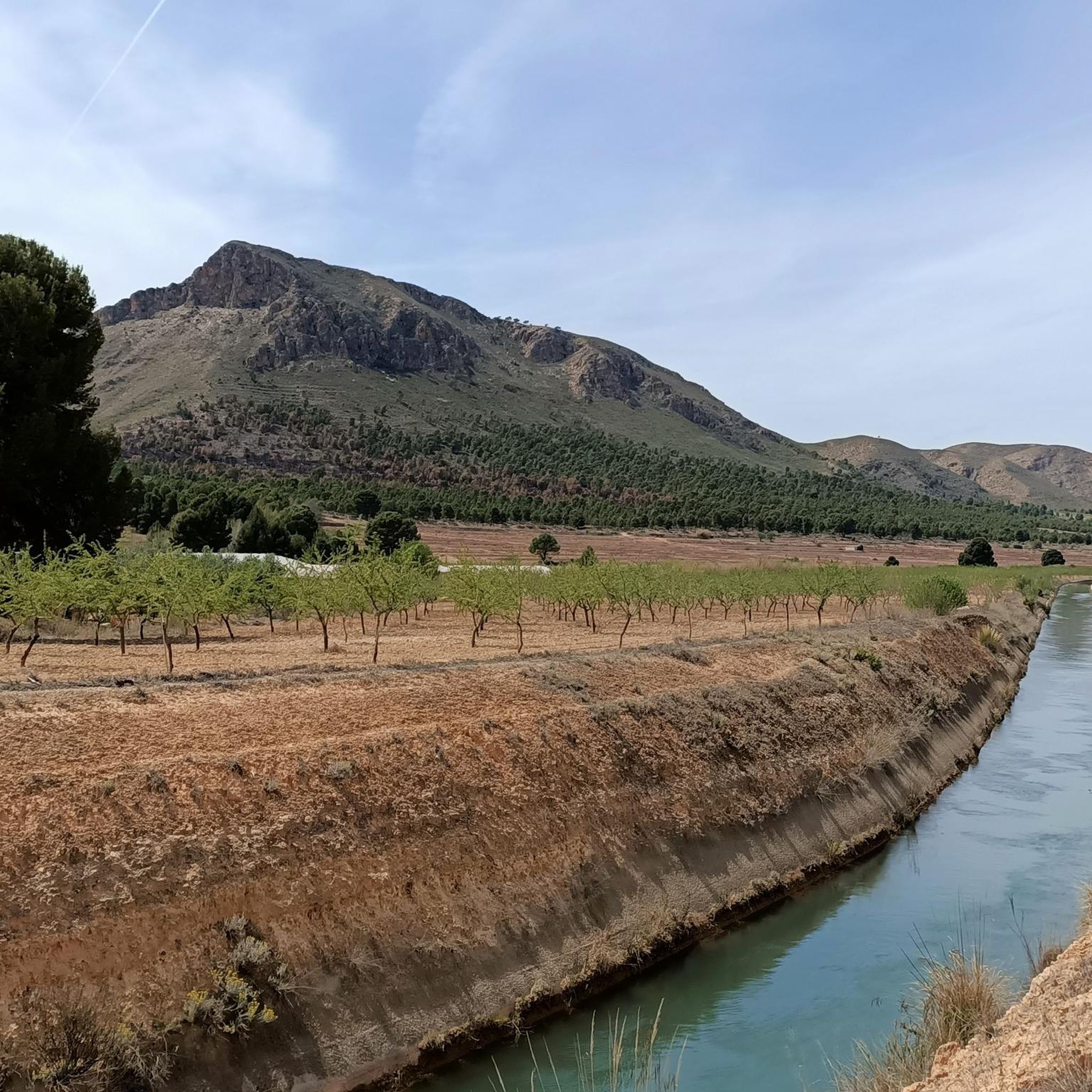
Yes, Tobarra offers several natural features. The Laguna de los Patos is a protected natural space ideal for birdwatching, where you can spot species like mallards, red ducks, and egrets. The Saladar de Cordovilla and Humedal de Alborajico are also protected saline lands known for birdlife. Additionally, the Laguna de Alboraj is a significant natural area with unique flora, popular for walking and cycling.
What cultural traditions is Tobarra known for?
Tobarra is world-renowned for its Holy Week celebrations, particularly the unique "tamboradas" (drum processions). These involve continuous drumming for 104 hours and have been declared a Festival of International Tourist Interest. You can learn more about this tradition at the Museum of the Drum and Holy Week, which houses over 50 drums.
What kind of outdoor activities can I do near Tobarra?
The region around Tobarra offers various outdoor activities. For cycling, you can explore routes like the 'Hellín — circular route' or the 'Tobarra and Hellín Loop'. If you prefer hiking, consider the 'Cuevas y Laguna de Alboraj — circular' or the 'Microrreserva Laguna de Alboraj y Eremitorio Rupeste de Alborajico — circular desde Tobarra'. You can find more details on these and other routes in the cycling guide and hiking guide for Tobarra.
Are there family-friendly attractions in the Tobarra area?
Yes, several attractions are suitable for families. The Laguna de los Patos is a great spot for families to enjoy nature and birdwatching. The Sanctuary Hermitage of the Encarnación and the town of Hellín also offer historical and cultural experiences that can be enjoyed by all ages.
Where can I find panoramic views of Tobarra and the surrounding area?
For excellent panoramic views, head to the Clock Tower, located high in the urban area of Tobarra. Additionally, the remnants of the ancient fortress, including the watchtower known as "Ojos del Diablo" (Devil's Eyes), adjacent to the Sanctuary of the Encarnación, also provide expansive vistas of the town.
What is the Eremitorio Rupestre de Alborajico?
The Eremitorio Rupestre de Alborajico is an ancient stone hermitage consisting of several caves excavated in the rock. These caves are connected by corridors and stairs and are believed to have been inhabited by hermits in the Middle Ages, with archaeological evidence suggesting use since Roman times.
What is special about the Laguna de Alboraj?
The Laguna de Alboraj is a significant natural area known for its unique flora, including endemic species found nowhere else in the world. It's a popular spot for walking and cycling, and its unique ecosystem attracts scientific and botanical researchers.
Are there any running trails near Tobarra?
Yes, there are several running trails available. You can find routes like the 'Running loop from Sierra' or the 'Tobarra Village – Drum Monument of Tobarra loop from Tobarra'. These and other options are detailed in the running trails guide for Tobarra.
What can I see in the nearby town of Hellín?
Hellín, the most populated municipality in the province after Albacete, is known for its rich heritage. Notable sites include the Archpriestal Church of Santa María de la Asunción and the Sanctuary of Nuestra Señora del Rosario. Hellín also shares the tradition of Holy Week Tamborada, which holds the title "Fiesta of International Tourist Interest."
What do visitors enjoy most about Tobarra?
Visitors appreciate Tobarra for its complete experience, blending historical heritage, unique traditions, natural beauty, and authentic cuisine. The town offers a mix of ancient religious buildings, castle ruins, and protected wetlands, making it suitable for both day trips and longer, more relaxed stays.

Get inspired with the komoot mobile app


Explore more
Still not found the Highlight you’re looking for? See guides of the top attractions in other regions:
