The best walks and hikes around Tobarra
4.2
(4)
109
hikers
52
hikes
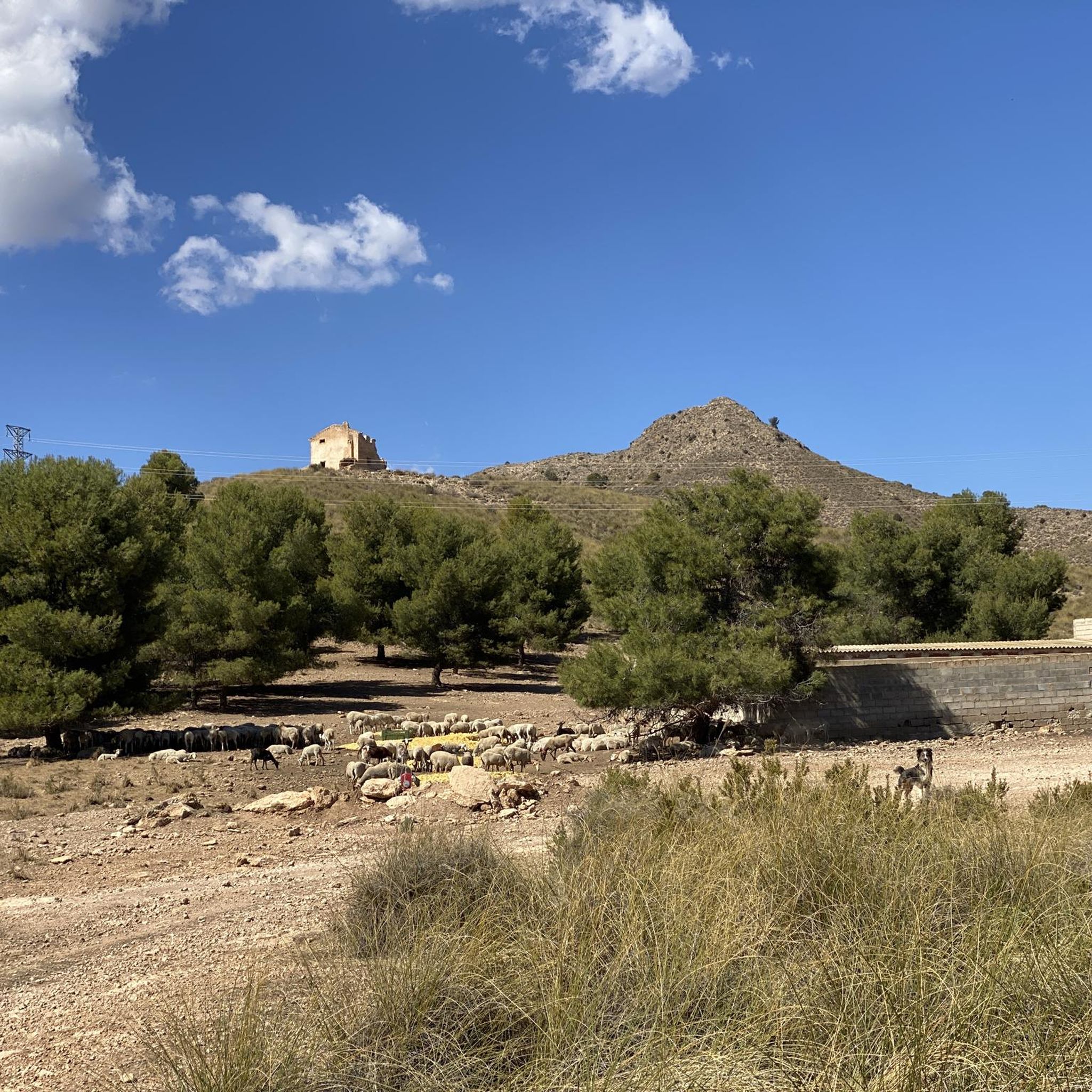
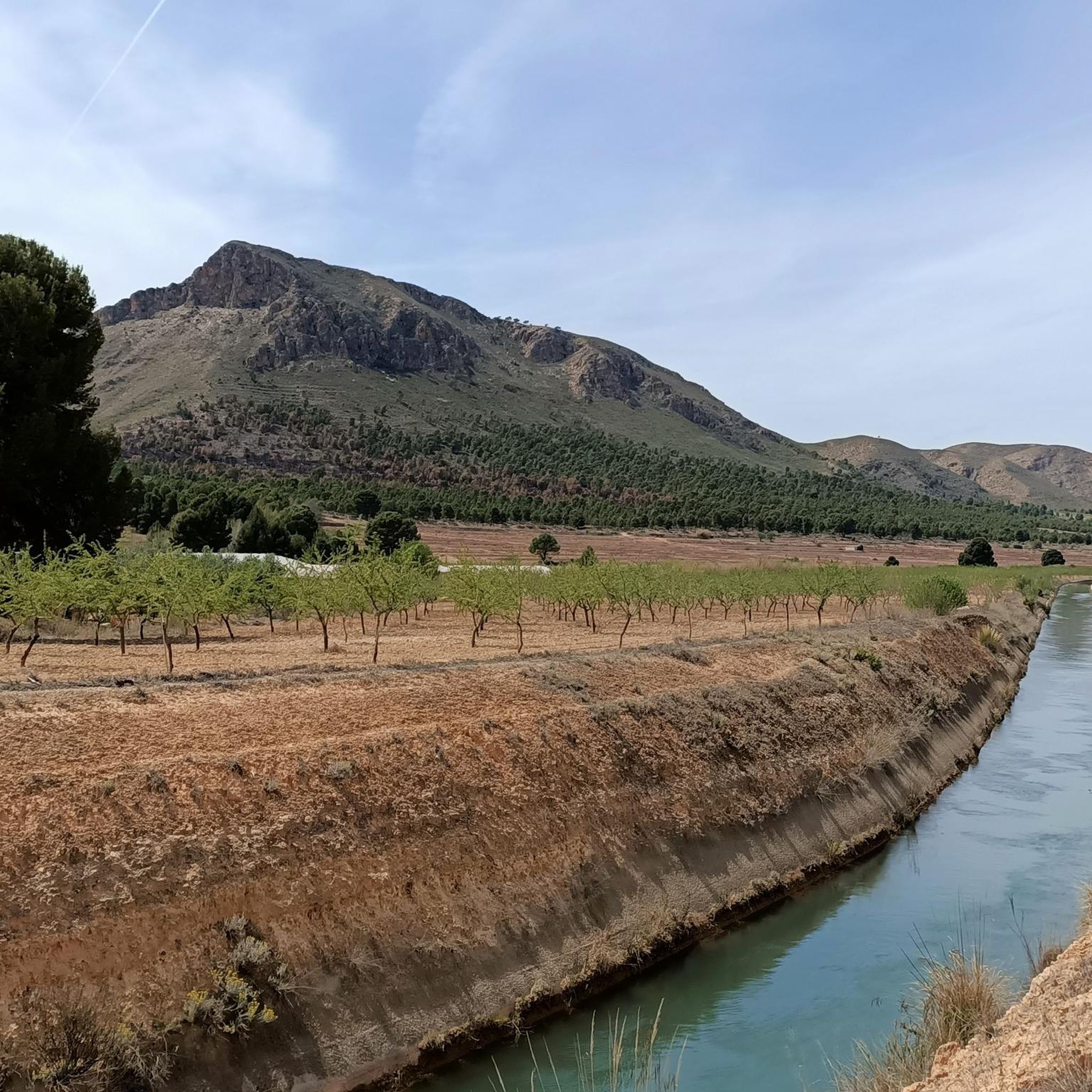
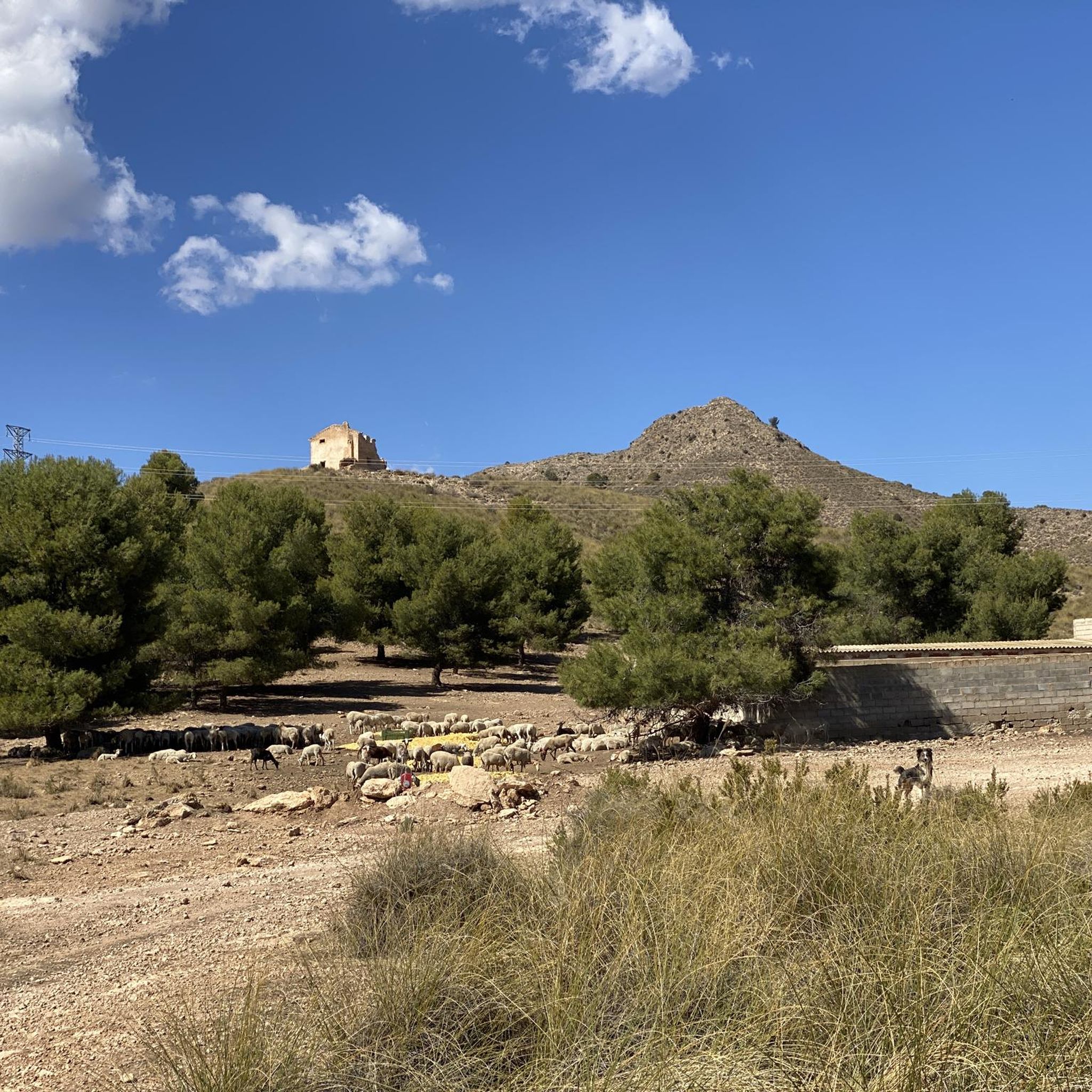
Hiking around Tobarra offers diverse natural landscapes, characterized by isolated hills and small mountain ranges interspersed with fertile plains. The terrain includes significant peaks and unique natural features such as the Laguna de Alboraj and the Saladares of Cordovilla. These varied environments provide a range of hiking experiences, from gentle walks through agricultural areas to more challenging routes over elevated ground. The region's geology and flora contribute to its appeal for outdoor exploration.
Best hiking trails around Tobarra
- The most…
Last updated: June 25, 2026
11.5km
02:59
90m
100m
Moderate hike. Good fitness required. Easily-accessible paths. Suitable for all skill levels.
Moderate hike. Good fitness required. Mostly accessible paths. Sure-footedness required.

Sign up for free
9.44km
02:32
100m
100m
Moderate hike. Good fitness required. Mostly accessible paths. Sure-footedness required.
Moderate hike. Good fitness required. Mostly accessible paths. Sure-footedness required.
Moderate hike. Good fitness required. Easily-accessible paths. Suitable for all skill levels.
Get access to more routes and recommendations from other explorers.
Sign up for free
Already have an account?
Our route recommendations are based on thousands of hikes, rides, and runs completed by other people on komoot.
Start today with a free account
Your next adventure awaits.
Login or Signup

Other adventures around Tobarra

Tips from the Community

Hermitage declared an Asset of Cultural Interest in 1981. It is worth seeing inside. Right next to it are the ruins of the old castle of Tobarra.
2
1

A group of very tall and slender Aleppo pines that grow in a flat and unusual environment. They are considered a symbol of the town of Aljubé.
1
0
The Alborajico Rupestrian Hermitage consists of several caves excavated in the rock and connected to each other by corridors and stairs. These caves were used as dwellings, chapels and warehouses. It is believed that these caves were inhabited by hermits in the Middle Ages, although archaeological remains have also been found indicating that they have been used since Roman times.
1
0
A saline lagoon of great ecological importance, due to its biodiversity and the presence of numerous animal and plant species. It is also home to numerous species of waterfowl, including flamingos, herons, avocets, and grebes.
1
0
The monument is located in the Plaza de la Constitución, in the heart of Tobarra. It was inaugurated in 2014, on the occasion of the 40th anniversary of the creation of the Association of Drummers of Tobarra. It is dedicated to the drum, which is a very important musical instrument in the culture and traditions of the region.
1
1
It is worth visiting the Castle of Tobarra and the Hermitage Sanctuary of the Incarnation. As for its gastronomy, Tobarra is famous for its sausages and meat products, especially the Tobarra chorizo, which has a protected designation of origin.
1
1
A hermitage with baroque architecture. The construction of the church began in the 16th century, and it was completed in the 18th century. Every year, in September, a festival is held in honor of the Virgen de la Encarnación, who is the patron saint of the church. During the festival, the image of the Virgin is carried in a procession through the streets of Tobarra, and various religious and cultural activities are carried out.
1
0
Frequently Asked Questions
How many hiking trails are available around Tobarra?
Tobarra offers a wide variety of hiking experiences, with over 40 routes recorded on komoot. These range from easy strolls through fertile plains to moderate ascents in the hills, ensuring options for different fitness levels.
Are there hiking trails suitable for beginners or those looking for an easy walk?
Yes, Tobarra has 14 easy hiking routes, perfect for beginners or a relaxed outing. These trails often traverse the fertile plains and offer gentle gradients, allowing you to enjoy the scenery without significant challenge.
Can I find circular hiking routes in Tobarra?
Many of the hiking routes in Tobarra are circular, allowing you to start and end at the same point. Examples include the Cuevas y Laguna de Alboraj — circular, which explores the natural lagoon, and the Cerro de la Encarnación, Cerro del Reloj, Monte Calvario — circular in Tobarra, which takes you through several local hills.
What natural landmarks or historical sites can I see while hiking in Tobarra?
Tobarra's trails often lead to interesting natural and historical points. You can explore the significant Laguna de los Patos, or the unique saline wetlands known as the Saladares of Cordovilla. Historical sites like the ruins of a Muslim fortress and the Ojos del Diablo tower are also embedded within the natural landscape, particularly near the Sanctuary of the Incarnation.
Are there family-friendly hiking options in Tobarra?
Absolutely. The region's diverse terrain includes many easy routes that are suitable for families. Trails around the fertile plains or the Laguna de los Patos offer pleasant, less strenuous walks for all ages.
Is Tobarra a good destination for hikers interested in unique flora?
Yes, Tobarra is notable for its unique flora, especially in the 'Sierra' area. Botanists and scientists are particularly drawn to the region for species like Jurinea serrata, which is endemic to the area. Hikers can discover these natural treasures along the trails.
What kind of views can I expect on hikes around Tobarra?
Hiking in Tobarra offers diverse views. From the Cerro del Barbudo Viewpoint or the Sanctuary of the Incarnation, you can enjoy expansive panoramic vistas of the surrounding plains and hills. Trails also provide scenic backdrops of isolated peaks like Cerro Madroño and Cerro Berrueco, and picturesque views of the fertile market gardens.
What do other hikers enjoy the most about hiking in Tobarra?
The hiking routes in Tobarra are highly rated by the komoot community, with an average score of 4.2 stars. Hikers often praise the diverse natural landscapes, from the unique Laguna de los Patos to the varied terrain of hills and plains, offering a range of experiences for outdoor exploration.
Are there any routes that explore the Microrreserva Laguna de Alboraj?
Yes, the Microrreserva Laguna de Alboraj is a significant natural feature with dedicated routes. You can explore this area on the Microrreserva Laguna de Alboraj, Cuevas Alboraj, Los Pinos de Aljubé — circular desde Tobarra route, which offers views of the natural reserve and pine forests.
What is the best time of year to go hiking in Tobarra?
Tobarra's climate makes it suitable for hiking for much of the year. Spring and autumn generally offer the most pleasant temperatures for exploring the trails. Summers can be hot, so early morning or late afternoon hikes are recommended, while winters are mild.
Are there any caves or unique geological features to explore?
Yes, the region features interesting geological formations. The Eremitorio Rupestre de Alborajico is a notable cave highlight. Additionally, the 'Cuevas' (caves) are part of routes like the Cuevas y Laguna de Alboraj — circular, offering unique natural exploration.
Can I bring my dog on the hiking trails in Tobarra?
Generally, dogs are welcome on many hiking trails in natural areas like Tobarra. However, it's always advisable to keep them on a leash, especially in protected areas or near wildlife, and to ensure you clean up after them. Check specific route details for any restrictions.
Most popular attractions around Tobarra

Get inspired with the komoot mobile app


Explore more
Browse the best Hikes in other regions.
