The best walks and hikes around National Park Batuecas y Sierra Francia
4.6
(357)
2,058
hikers
76
hikes
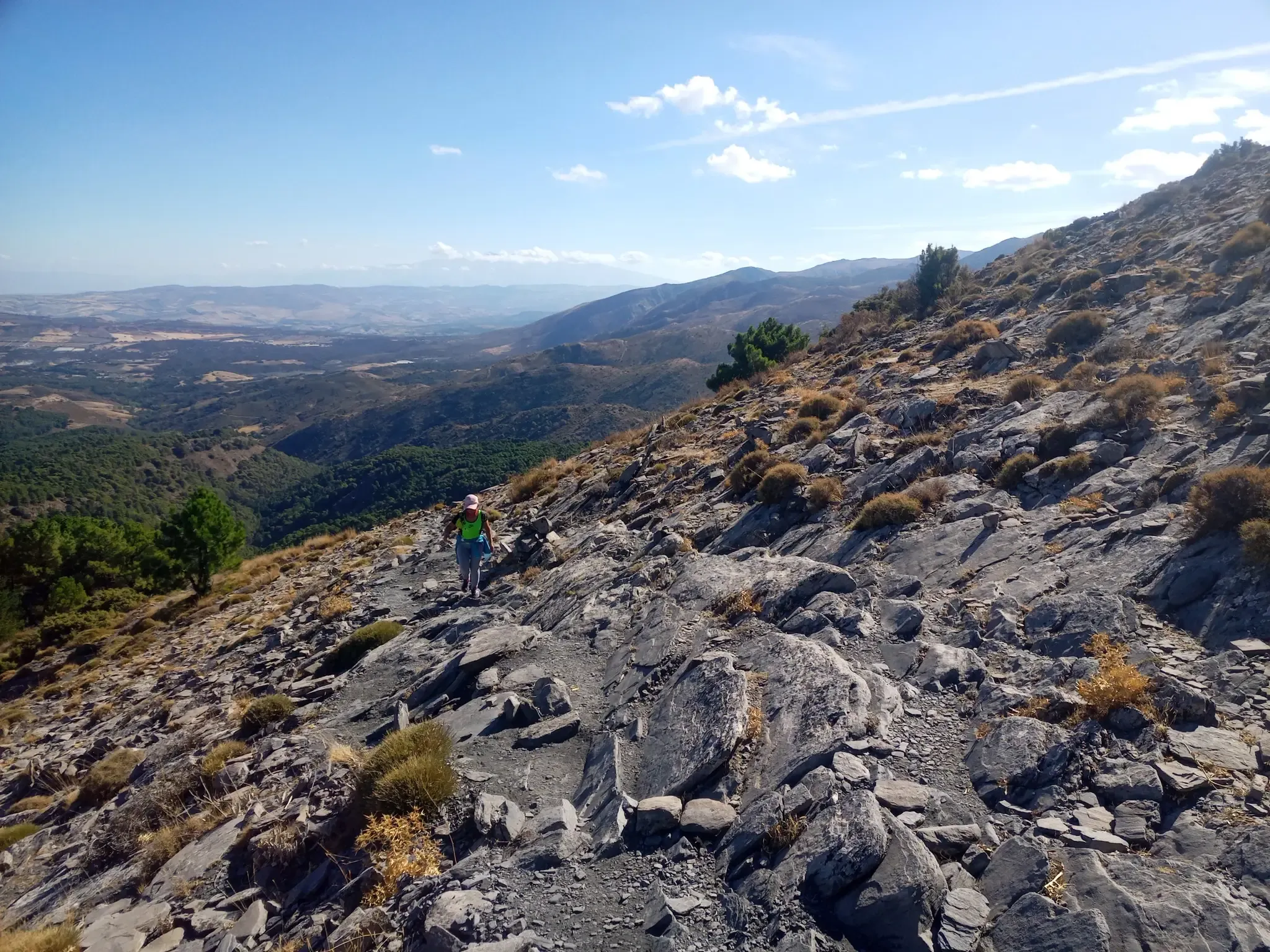
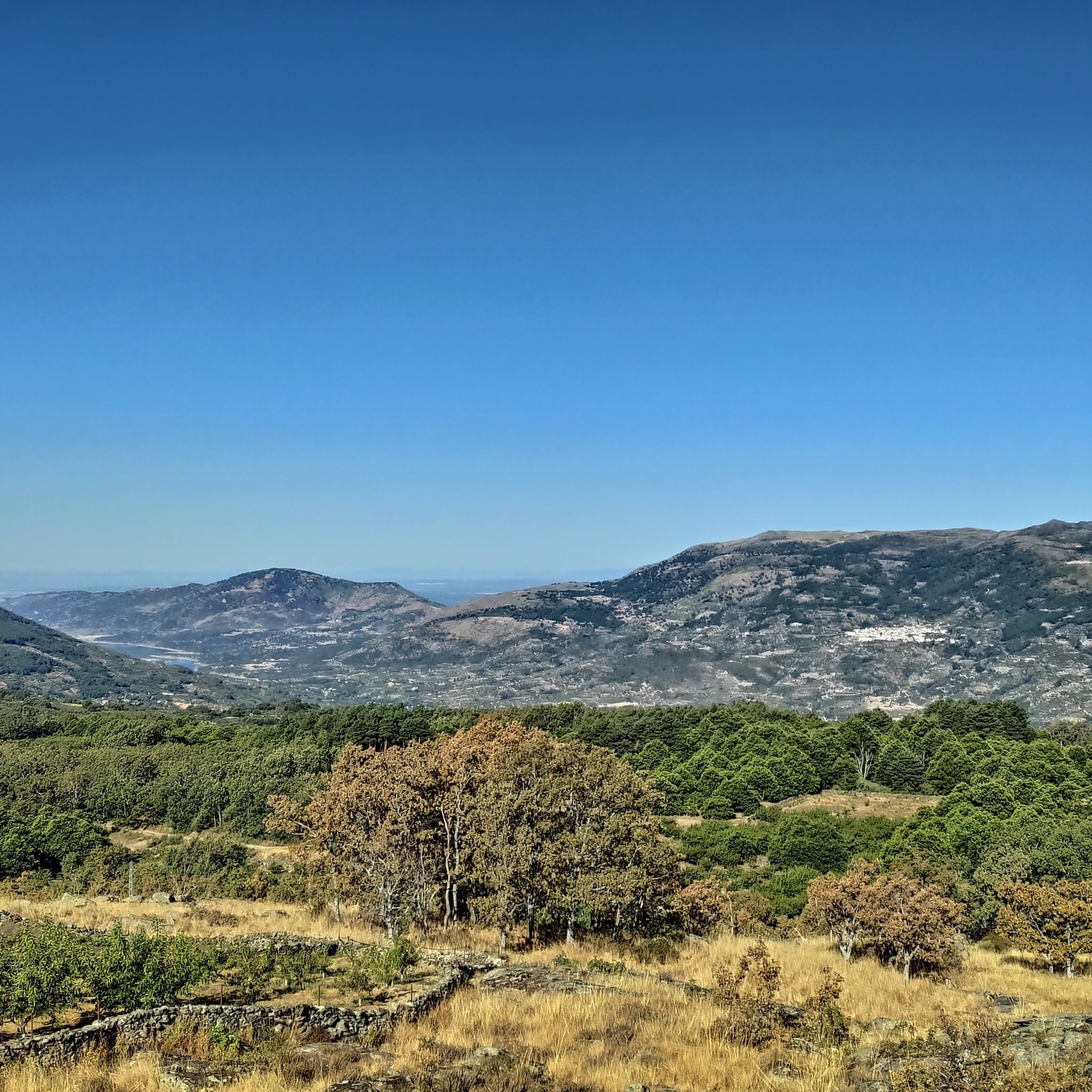
Hiking around National Park Batuecas y Sierra Francia offers diverse terrain within the rugged Sierra de Francia mountain range in Salamanca province. The landscape features deep river valleys and gorges carved by rivers, alongside prominent peaks such as Peña de Francia. Hikers can explore varied forests of oak, chestnut, and holm oak, transitioning with elevation. Water features like rivers and streams are common throughout the valleys, providing scenic natural attractions.
Best hiking trails around National Park Batuecas y Sierra Francia
- The most popular hiking route is Water Trail, a 4.2 miles (6.7 km) trail that takes 2 hours 4 minutes to complete. This moderate route combines art installations with forests and traditional villages.
- Another top favourite among local hikers is Laguna de San Marcos – circular via the Camino de Las Raíces - Parque Natural de las Batuecas y Sierra de Francia, a moderate 5.8 miles (9.3 km) path. This trail offers beautiful natural scenery around the Laguna de San Marcos.
- Local hikers also love the Asentadero-Bosque de los Espejos Trail, a 6.9 miles (11.1 km) trail leading through forests adorned with unique Land Art installations, often completed in about 3 hours 27 minutes.
- Hiking around National Park Batuecas y Sierra Francia is defined by mountainous terrain, lush river valleys, and extensive forests. The network offers options for different ability levels, from easy accessible paths to more challenging routes.
- The routes in National Park Batuecas y Sierra Francia are highly rated by the komoot community with an average score of 4.6 stars from over 230 reviews. More than 1500 hikers have used komoot to explore National Park Batuecas y Sierra Francia's varied terrain.
Last updated: August 23, 2026
4.7
(49)
269
hikers
6.73km
02:04
240m
240m
Moderate hike. Good fitness required. Mostly accessible paths. Sure-footedness required.
4.7
(36)
192
hikers
Moderate hike. Good fitness required. Easily-accessible paths. Suitable for all skill levels.

Sign up for free
4.7
(25)
138
hikers
11.1km
03:27
370m
380m
Moderate hike. Good fitness required. Mostly accessible paths. Sure-footedness required.
4.9
(21)
114
hikers
Moderate hike. Good fitness required. Mostly accessible paths. Sure-footedness required.
3.5
(4)
75
hikers
10.2km
03:00
290m
290m
Moderate hike. Good fitness required. Mostly accessible paths. Sure-footedness required.
Get access to more routes and recommendations from other explorers.
Sign up for free
Already have an account?
Our route recommendations are based on thousands of hikes, rides, and runs completed by other people on komoot.
Start today with a free account
Your next adventure awaits.
Login or Signup
Popular around National Park Batuecas y Sierra Francia
Other adventures around National Park Batuecas y Sierra Francia

Tips from the Community

Nice walk around, impressive cemetery, the tower was closed, but the castle is usually open.
8
0
At the village's social meeting point, the Plaza Mayor with its arcades, stands a beautiful granite pilgrim's cross.
11
0
Striking about the houses are the stone support beams above the doorposts. Religious texts are engraved on them and there are dates from the 1700s and 1800s. After the reconquista, when the area was repopulated, many Jews came to live in the village. Because the church forbade the Jews to practice their religion, they had to prove that they had joined the Catholic church by engraving biblical texts above their houses.
10
0
Impressive drawings are difficult to see, but the deer hunt is definitely decipherable.
5
1

The Plaza Mayor of Mogarraz is the heart of the village and one of its most picturesque spots. Oval shape: Unlike other Castilian squares, Mogarraz's has an irregular, enclosed shape, surrounded by traditional mountain houses with timber framing and stone walls. Traditional architecture: Flower-filled balconies, arcades, and facades adorned with the famous portraits from the "Faces of Mogarraz" art project. Social and historical center: Formerly used for markets and popular celebrations, today it serves as a meeting point for visitors and locals alike. Highlights: Central fountain. Views of the church and cobbled streets leading from the square. Restaurants and bars with terraces where you can sample the local mountain cuisine.
1
0
What to see in Mogarraz The Faces of Mogarraz More than 800 portraits painted on the facades, the work of artist Florencio Maíllo, who transformed the village into an open-air museum. This initiative originated from photos taken in the 1960s for residents' national identity cards. Main Square The central oval-shaped square, surrounded by traditional mountain houses with timber framing and stone walls. Church of Our Lady of the Snows A Renaissance-style church, built between the 16th and 17th centuries. Bell Tower An old defensive tower, separate from the church, used as a watchtower in the Middle Ages. Ethnographic Museum – House of Crafts Exhibits traditional crafts such as embroidery, shoemaking, and goldsmithing.
2
0
Founded during the 12th-century repopulation of León by Alfonso IX, within the district of Miranda del Castañar. Declared a Historic-Artistic Site in 1998 and a member of the network of the Most Beautiful Villages of Spain. Its mountain architecture combines stone, wood, and adobe, with flower-adorned balconies and heraldic details.
2
0
What to see in Miranda del Castañar Medieval Walls: Over 600 meters remain intact, with four gates facing the cardinal directions: San Ginés, Nuestra Señora, La Villa, and El Postigo. Zúñiga Castle: A 15th-century fortress, symbol of the former County of Miranda. Although the interior is not open to the public, its exterior and keep are impressive. Square Bullring: Considered one of the oldest in Spain, built in the 16th century on the site of the former parade ground. Church of Santiago and San Ginés: Gothic in style (13th-16th centuries), with a detached 17th-century bell tower. Houses with Coats of Arms: More than 80 noble coats of arms adorn the facades, reflecting the town's aristocratic past.
1
0
Frequently Asked Questions
How many hiking trails are available in National Park Batuecas y Sierra Francia?
National Park Batuecas y Sierra Francia offers a wide variety of hiking experiences, with over 50 distinct trails to explore. These routes cater to different preferences and fitness levels, ensuring there's something for everyone.
What are the general difficulty levels of hikes in National Park Batuecas y Sierra Francia?
The park features a range of difficulty levels. You'll find approximately 14 easy routes, 31 moderate trails, and 10 more challenging hikes. This diversity allows visitors to choose paths that best suit their experience and physical condition.
What do other hikers enjoy most about hiking in National Park Batuecas y Sierra Francia?
The hiking trails in National Park Batuecas y Sierra Francia are highly rated by the komoot community, with an average score of 4.6 stars from over 230 reviews. Hikers frequently praise the dramatic landscapes, the rich biodiversity, and the unique cultural heritage found along the routes, from ancient forests to traditional villages.
Are there any circular hiking routes in National Park Batuecas y Sierra Francia?
Yes, the park offers several excellent circular routes. One popular option is the Water Trail, a moderate 6.7 km path that combines art installations with forests and charming villages. Another is the Laguna de San Marcos – circular via the Camino de Las Raíces, offering beautiful natural scenery around the lagoon.
Can I find trails with waterfalls in the park?
Absolutely. The Valle de las Batuecas to Chorro de las Batuecas Trail is a notable route that features a river, forest, and a picturesque 12-meter waterfall, providing a refreshing natural attraction.
Are there family-friendly hiking options in National Park Batuecas y Sierra Francia?
Yes, the park includes routes suitable for families. The accessible 'Path of the Castaños Centenarios' in Nava de Francia, for example, offers an easy walk through ancient chestnut trees with panoramic views. Another accessible route in the Valle de las Batuecas leads to the Carmelite Monastery, featuring informative panels and picnic areas.
What kind of natural features and landscapes can I expect to see while hiking?
Hikers will encounter a diverse landscape, from the rugged Sierra de Francia mountain range with prominent peaks like Peña de Francia to deep river valleys and gorges. The flora is rich, transitioning from broom and prickly shrubs at higher altitudes to forests of oak, chestnut, holly, and birch, with holm oaks and cork oaks on south-facing slopes. Water is a constant element, with numerous rivers and streams.
What cultural or historical landmarks can I explore while hiking in the region?
The park is rich in cultural heritage. You can discover unique Neolithic cave paintings at sites like Canchal de las Cabras Pintadas. The 16th-century Monastery of San José de Las Batuecas offers a glimpse into history, and picturesque traditional villages like La Alberca and Mogarraz are renowned for their architecture and timeless atmosphere.
What is the best time of year to go hiking in National Park Batuecas y Sierra Francia?
The park's diverse flora ensures stunning scenery throughout the year. Spring and autumn are particularly pleasant for hiking, offering mild temperatures and vibrant colors from the changing foliage or blooming wildflowers. Summers can be warm, making early morning or late afternoon hikes ideal, while winters offer a different, often quieter, beauty.
Is National Park Batuecas y Sierra Francia suitable for dog owners?
While many trails in the region are dog-friendly, it's always recommended to keep dogs on a leash, especially due to the diverse wildlife and to respect local regulations and other hikers. Ensure your dog is well-behaved and that you carry waste bags.
Are there parking facilities near the trailheads?
Yes, many popular trailheads and villages within and around National Park Batuecas y Sierra Francia offer designated parking areas. It's advisable to check specific route information or village guides for the most convenient parking options before your hike.
What kind of wildlife might I encounter on the trails?
The park's diverse habitats support a wide array of fauna. You might spot species such as wild goat (ibex), roe deer, and wild boar. Birdwatchers can look out for black vultures, golden eagles, and the emblematic black stork. The Peña de Francia lizard is an endemic species unique to these mountains.
Most popular routes around National Park Batuecas y Sierra Francia
Most popular attractions around National Park Batuecas y Sierra Francia

Get inspired with the komoot mobile app


Explore more
Browse the best Hikes in other regions.
