Attractions and Places To See around Ledaña - Top 6
Best attractions and places to see around Ledaña include a blend of historical landmarks, cultural sites, and natural features. This municipality in the province of Cuenca, Spain, offers a variety of sites for exploration. The area features ancient structures, traditional village squares, and elements of rural heritage. Visitors can find both historical points of interest and natural formations within the region.
Best attractions and places to see around Ledaña
- The most popular attractions is Villamalea, a settlement that is…
Last updated: August 23, 2026
Church of Nuestra Señora de la Asunción of Iniesta
Highlight • Religious Site
Construction period and history
• The church was built in the 15th and 16th centuries. Construction began in the late Gothic period, a period when Castile flourished both culturally and economically.
Translated by Google •
Tip by

Villamalea
Highlight • Settlement
Translated by Google •
Tip by

Sign up now to discover places like this
Get recommendations on the best single tracks, peaks, & plenty of other exciting outdoor places.
Sign up for free
Iniesta
Highlight • Settlement
Translated by Google •
Tip by

Iniesta
Highlight • Settlement
Translated by Google •
Tip by
Stone Archway of Rambla del Molino, Sape
Highlight • Monument
Translated by Google •
Tip by

Start today with a free account
Your next adventure awaits.
Login or Signup


Tips from the Community

Courtesy of my AI: Construction period and history • The church was built in the 15th and 16th centuries. Construction began in the late Gothic period, a period when Castile flourished both culturally and economically. • Renaissance elements were added over the course of the construction period, which explains the stylistic mix. This reflects the artistic and architectural development of the era. Context of construction • The construction of the church is related to the Christian reconquest of the region and the subsequent desire to manifest the faith through magnificent ecclesiastical buildings. • It was probably built on the site of an earlier, possibly Moorish or early Christian sanctuary. Architectural features Nuestra Señora de la Asunción is an example of the combination of two styles that is common in Castile-La Mancha: Gothic features 1. Basic structure: • The church has a spacious nave with high, pointed vaults, typical of the Gothic style. • The verticality of the interior and the delicate design of the arches and ribs are reminiscent of the Gothic cathedrals of the region. 2. Windows and light: • Gothic pointed arch windows with tracery let light into the interior and create a solemn atmosphere. Renaissance elements 1. Facade: • Parts of the facade show the clean lines and symmetrical shapes of the Renaissance. The decorative elements such as columns and friezes are particularly striking. 2. Artwork: • The interior has altars and chapels that were added later in the Renaissance and Baroque styles. Some sculptures and paintings date from this period. Significance of the church • Nuestra Señora de la Asunción was not only a religious centre, but also a place of social and cultural gatherings. • The church reflects the wealth and importance of Iniesta during the late medieval and early modern periods, when the town prospered through agriculture and trade. Current use and preservation • The church continues to be used for worship and religious festivals today. It is a central location for local celebrations, particularly on holidays such as the patron saint's feast. • Restoration work over the past few decades has helped to keep the building in good condition, with the Gothic vaults and Renaissance façade carefully restored. Things to see inside the church When visiting the church, look out for the following details: 1. Main altar: An elaborately designed altar that incorporates both Gothic and Renaissance elements. 2. Chapels: Some side chapels house valuable religious artworks, including paintings and wood carvings. 3. Sacristy: The sacristy may contain historical relics and liturgical objects. Conclusion The Church of Nuestra Señora de la Asunción is an impressive example of Castilian architecture during the transition period from Gothic to Renaissance. It tells the story of a city that has absorbed various cultural influences over the centuries and preserved them in its architecture. A visit is worthwhile for both art lovers and those who want to learn more about the history of the region. Shall I tell you about other artworks or details about its restoration?
0
0

Beautiful town that is located in the old middle of what is the entrance to the lands of La Mancha on its eastern side. Surrounded by farmland and large areas that are difficult to find the end!
0
1

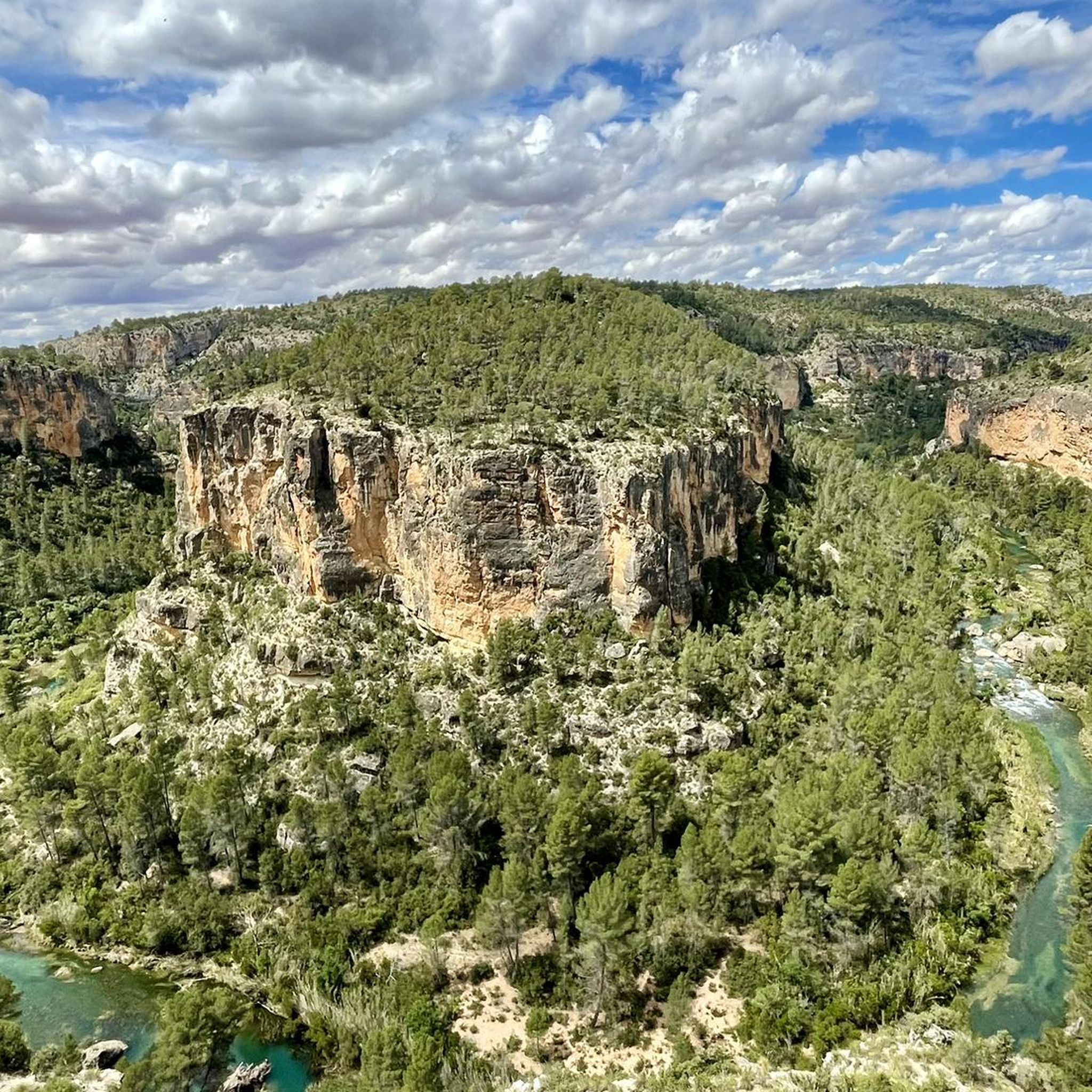
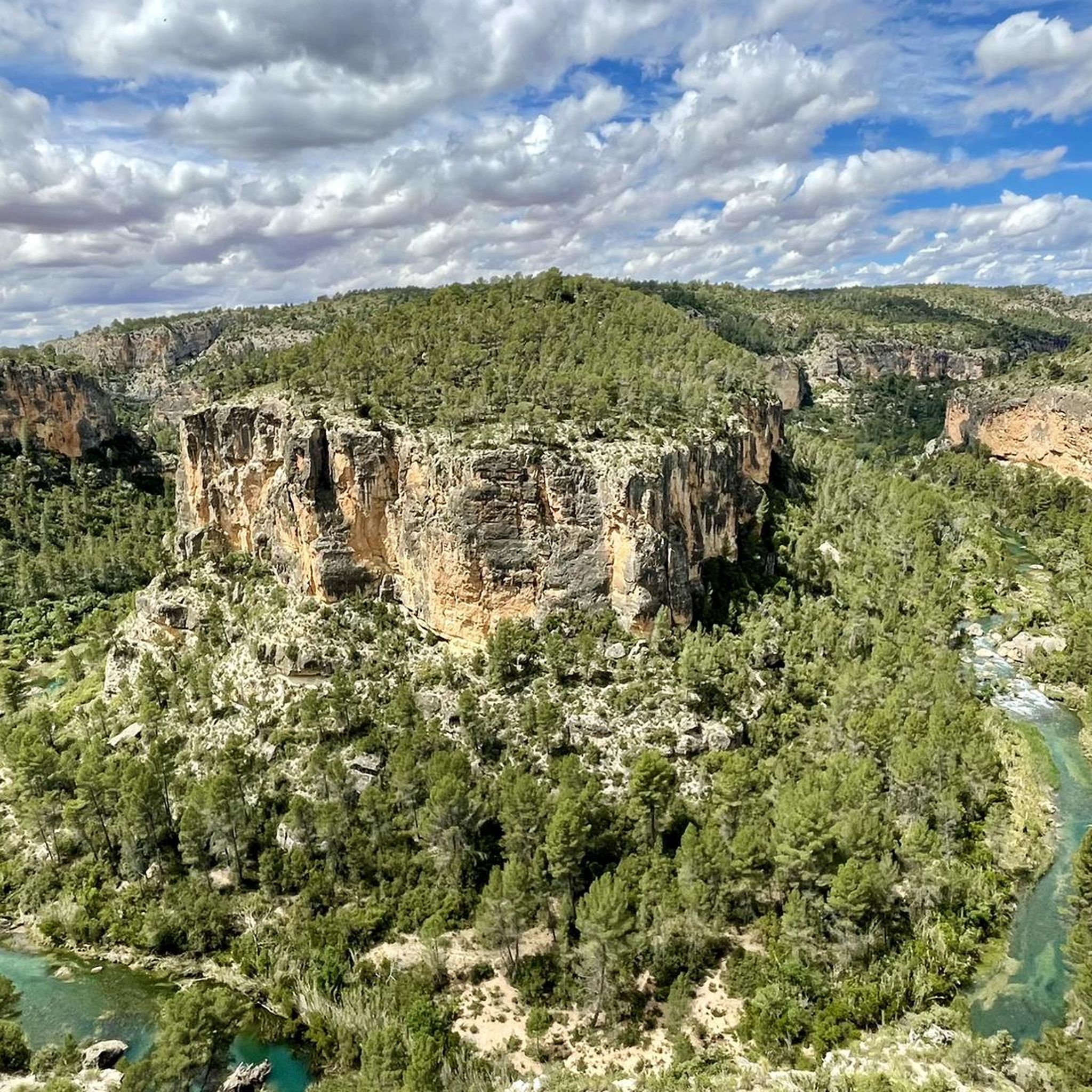
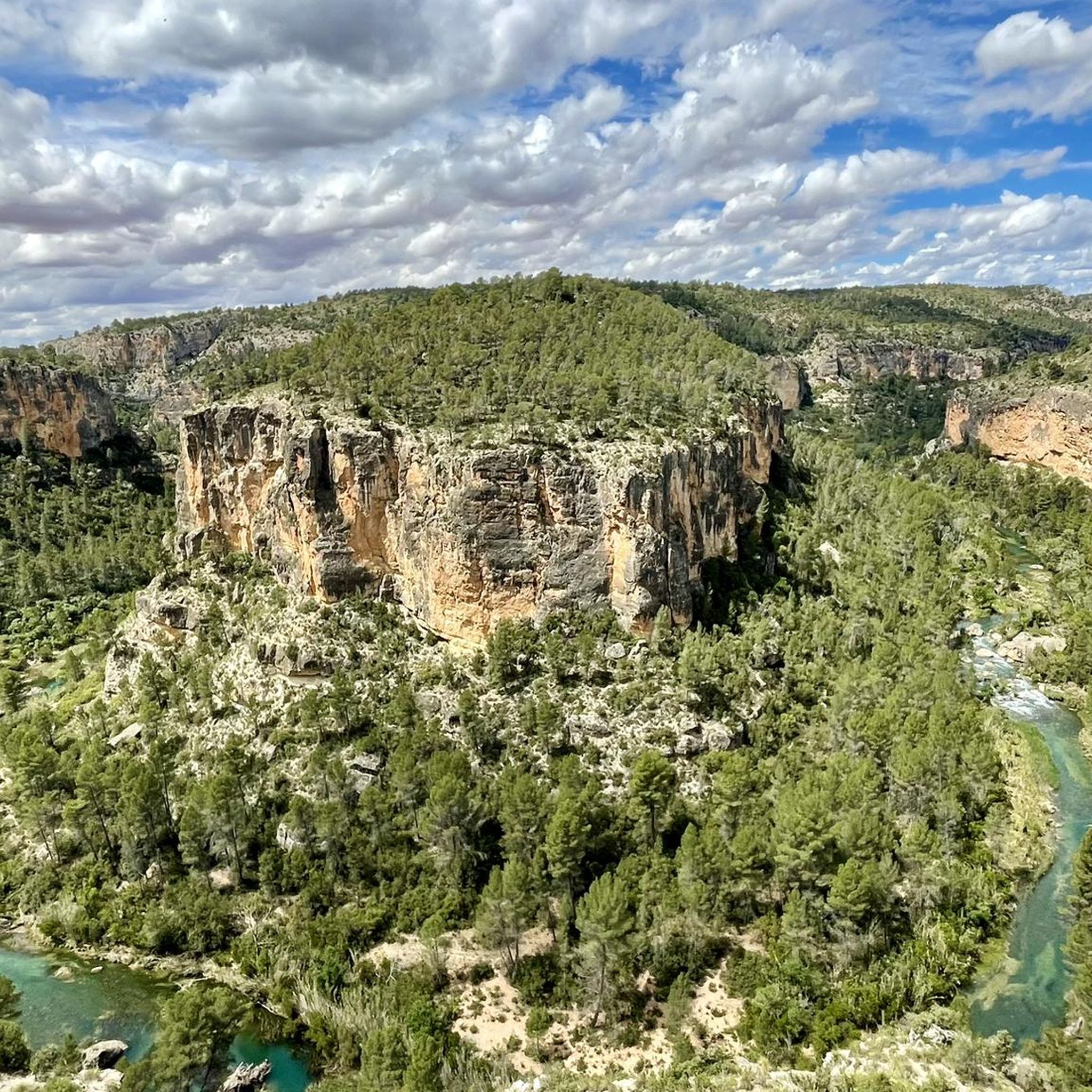
Villamalea is an important rural enclave in the province of Albacete. Historically, it has been the center of political disputes, especially at the beginning of the 20th century. Its historic center is very well maintained and enjoys a remarkable natural heritage due to its location in the Cabriel Valley.
0
0
Beautiful town that is located in the old middle of what is the entrance to the lands of La Mancha on its eastern side. Surrounded by farmland and large areas that are difficult to find the end!
0
1

Route ideal for hikers to get to know the environment while enjoying peace and tranquility.
7
0

in rainy season, not recommended
1
0
Frequently Asked Questions
What historical sites can I explore within Ledaña itself?
Ledaña offers several historical sites. You can visit the Iglesia Parroquial San Andrés Apóstol, a 16th-17th century church known for its striking interior. The Castillo de Ledaña, a 12th-century Islamic-era fortress, offers panoramic views from its exterior and tower. Don't miss the ancient Puente Romano with its semicircular arches, or the 18th-century Ermita de San Roque. The town's narrow streets also feature charming Casonas Antiguas, old manor houses that add to its historical character.
Are there any cultural attractions or museums in Ledaña?
Yes, the Plaza de la Constitución is the vibrant heart of Ledaña, hosting local events like the August festive fair and a weekly market. For a deeper dive into local life, the Museo Etnográfico shares insights into daily life and traditional tools of the region.
What natural features can I discover around Ledaña?
The Ledaña area boasts natural formations like Piedras Blancas and Cerros de Molino or Santiago. You can also find elements of rural heritage such as traditional huts known as Chozos or Cucos. For recreation amidst nature, Pinos de Santiago is a peri-urban park with amenities like barbecues and a zip line. The Antigua Calzada Romana, an old Roman road, is visible among holm oaks and rockroses in the Bosque de Villares.
What are some notable nearby settlements to visit from Ledaña?
Just a short distance from Ledaña, you can explore Villamalea, an important rural enclave in Albacete province known for its well-maintained historic center and natural heritage in the Cabriel Valley. Another must-see is Iniesta, a town surrounded by farmland and extensive natural areas, located at the eastern entrance to the lands of La Mancha.
Is there a significant church to visit in the wider Ledaña area?
Yes, the Church of Nuestra Señora de la Asunción of Iniesta is a remarkable religious building constructed between the 15th and 16th centuries. It beautifully combines Gothic and Renaissance architectural elements, reflecting the artistic development of that era.
Are there opportunities for outdoor activities like cycling around Ledaña?
Absolutely. The Ledaña area offers various cycling routes. You can find options for road cycling, such as the 'Villamalea – Villamalea loop from Villamalea' which is an easy 14.5 km ride. For general cycling, consider the 'Iniesta loop from Ledaña,' a moderate 36.3 km route. More details and routes can be found in the Cycling around Ledaña guide and the Road Cycling Routes around Ledaña guide.
Where can I find running trails near Ledaña?
There are several running trails available. For an easy run, try the 'Villamalea loop from Villamalea' which is about 4.5 km. A slightly longer moderate option is the 'Iniesta loop from Iniesta' at around 7 km. You can explore more options and detailed maps in the Running Trails around Ledaña guide.
What is the Cabriel Valley known for?
While not directly in Ledaña, the nearby Cabriel Valley is highly recognized for its significant natural heritage. It's a beautiful area that contributes to the remarkable natural setting of settlements like Villamalea.
What kind of rural heritage can be found in Ledaña?
Ledaña offers an authentic rural experience in Castilla-La Mancha. Beyond its historical buildings, you can find traditional elements like the Molino, La Muela, Chozos or Cucos, which are traditional huts, with 12 such structures located within the municipal area. The region also features local wineries and festive celebrations, reflecting its deep rural roots.
Are there any family-friendly attractions or activities in the Ledaña area?
Yes, the peri-urban park Pinos de Santiago is a great spot for families, offering amenities like barbecues, a zip line, and a stage for recreation. Additionally, nearby settlements like Villamalea and Iniesta are considered family-friendly, providing pleasant environments for exploration.
What is the best time of year to visit Ledaña for outdoor activities?
Ledaña, located in Castilla-La Mancha, generally experiences hot, dry summers and mild winters. Spring (April-May) and Autumn (September-October) are often ideal for outdoor activities like hiking and cycling, as temperatures are more moderate and the landscape is vibrant. Always check local weather conditions before planning your visit.

Get inspired with the komoot mobile app


Explore more
Still not found the Highlight you’re looking for? See guides of the top attractions in other regions:
