The best cycling routes around Ledaña
118
riders
20
rides
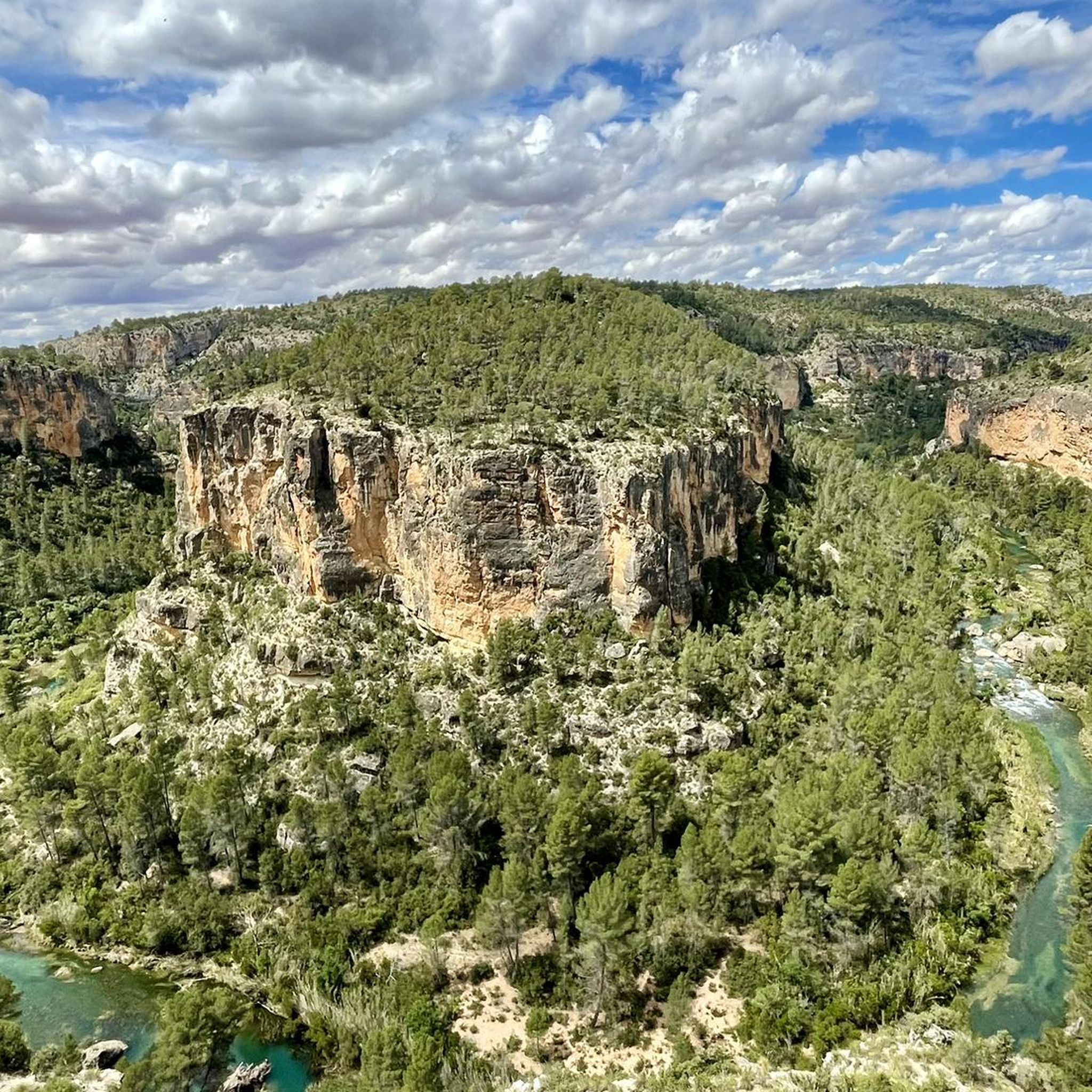
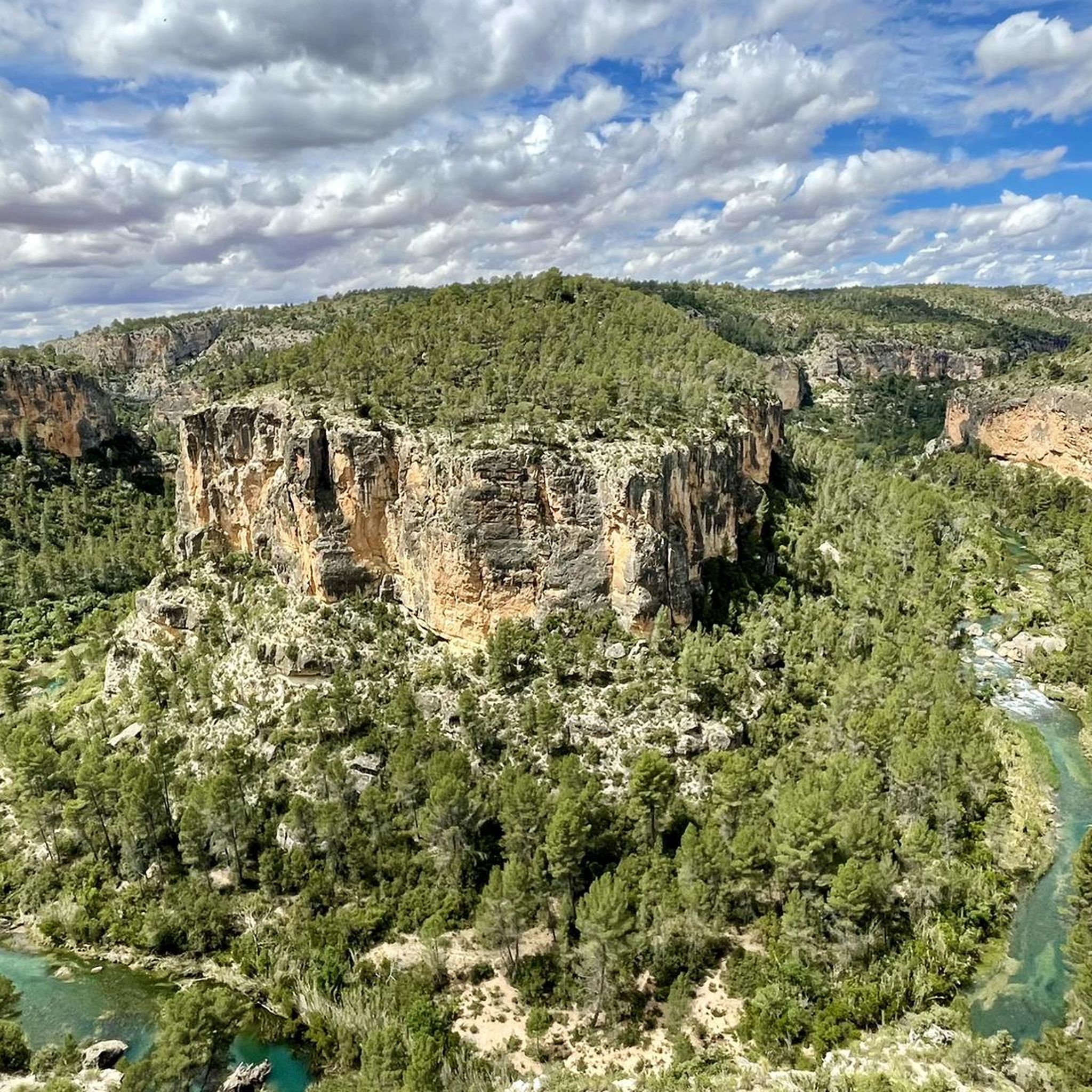
Touring cycling routes around Ledaña traverse the diverse landscapes of the La Manchuela region in Spain. The area is characterized by the Júcar and Cabriel river valleys, which feature canyons and reservoirs like the turquoise Molinar. Routes often transition from these river areas to the "Manchega" plains, incorporating strong ascents. The terrain combines mostly paved surfaces with some unpaved segments, offering varied riding experiences.
Best touring cycling routes around Ledaña
- The most popular touring cycling route is Plaza de Toros…
Last updated: August 21, 2026
23
riders
76.0km
07:30
1,000m
1,000m
Hard bike ride. Very good fitness required. You may need to push your bike for some segments of this route.
29
riders
65.6km
06:04
900m
900m
Hard bike ride. Very good fitness required. You may need to push your bike for some segments of this route.

Sign up for free
13
riders
37.6km
03:31
300m
300m
Hard bike ride. Good fitness required. You may need to push your bike for some segments of this route.
13
riders
38.5km
03:40
360m
350m
Hard bike ride. Good fitness required. You may need to push your bike for some segments of this route.
7
riders
43.0km
04:18
590m
590m
Hard bike ride. Very good fitness required. Mostly paved surfaces. Suitable for all skill levels.
Get access to more routes and recommendations from other explorers.
Sign up for free
Already have an account?
Our route recommendations are based on thousands of hikes, rides, and runs completed by other people on komoot.
Start today with a free account
Your next adventure awaits.
Login or Signup


Tips from the Community

The bridge is built of carved stone and is founded with the same rocks that can be found on the banks of the river. Its single eye has about 33 m of span, making it one of the largest bridges of its kind not only in Spain, but also on the European continent.
0
0
Vadocañas Bridge It is a viaduct of Roman origin that connects the regions of Cuenca and Valencia passing over the waters of the Cabriel in a protected space known as the Hoces del Cabriel Natural Park – cataloged as a Natural Reserve on its La Mancha slope.
0
0

The cycling adventure leaves Los Cárceles along the river plain, passes the Barranco de la Vida and goes up a forest track for a few kilometers to avoid the narrowest meanders of the canyon. In this section there are paths near the shore of the Cabriel, marked with the GR-66 signs, but some are not cyclable for gravel bicycles and it is more convenient to go around the mountain. The climb is about four kilometers, to the agricultural fields of Los Armalletes, then the route takes a forest track to the right and goes down to Venta de Vadocañas, one of the historic passes between La Mancha and Valencia. The other was the Pajazo bridge, which is now submerged in the waters of the Contreras reservoir. The Vadocañas bridge is monumental, it has an eye of 33 light meters and shows an extraordinary work of ashlar masonry, the origin is Roman, although the current construction is from the 16th century. “Cars and people pass by. The eye has one hundred and twenty feet in a very long hole. They claim to be the largest and best and with the largest and largest stones in the kingdom, and they pass beasts, and everything else, from Toledo and other parts to Valencia and Requena where the customs is. On the Valencian shore there are signs for the Turia-Cabriel Nature Trail towards Villargordo del Cabriel. The climb is long, you have to climb again to the agricultural fields of La Plana along the rugged slopes of the Sierra del Rubial, it is a good time to see mountain goats, deer and wild boar. On Mount Moluengo there is a non-cyclable section, known as Senda de la Cueva de los Ladrones, and before arriving there is a detour on the left that crosses the mountain range along a forest track with good cyclability and connects with the Nature Trail in the ravine. from Los Pocicos, following the red milestones until the end of the stage between the vineyards of Villargordo del Cabriel.
0
0

If you lower them, have good brakes and watch carefully.
0
0

Located on the Cabriel River, it unites the provinces of Cuenca and Valencia. Its construction dates back to the 16th century and still retains its original form. A bridge of great cultural, historical and scenic interest that also marks the beginning-end of the Turia-Cabriel Nature Trail.
2
0

Climb the switchbacks from the valley floor, on smooth gravel, with some stunning views.
0
0
Frequently Asked Questions
How many touring cycling routes are available around Ledaña?
There are 16 touring cycling routes available around Ledaña, offering a variety of experiences for different skill levels.
What are the general difficulty levels for touring cycling routes in Ledaña?
The routes around Ledaña cater to various abilities. You'll find 1 easy route, 10 moderate routes, and 5 difficult routes, ensuring options for both casual riders and those seeking a challenge.
What kind of terrain can I expect on touring cycling routes in Ledaña?
The terrain is quite varied, reflecting the diverse landscapes of the La Manchuela region. You can expect a mix of mostly paved surfaces with some unpaved segments, especially on gravel-friendly routes. Routes often traverse the Júcar and Cabriel river valleys, featuring canyons and reservoirs, and transition to the 'Manchega' plains, which can include strong ascents.
When is the best time of year to go touring cycling in Ledaña?
Ledaña is an excellent destination for outdoor activities. While specific seasonal data isn't provided, the region's diverse landscapes suggest that spring and autumn would offer pleasant temperatures for cycling, avoiding the potential heat of summer or colder winter conditions.
Are there any circular touring cycling routes in the Ledaña area?
Yes, many routes in the Ledaña area are designed as loops. For example, the Iniesta loop from Ledaña is a moderate 36.3 km circular route, and the Scenic Viewpoint – Villamalea loop from Villamalea offers a shorter, moderate 19.6 km ride.
What natural features or landmarks can I see while touring cycling around Ledaña?
The region is rich in natural beauty. You can enjoy stunning views of the Júcar and Cabriel rivers, including the turquoise Molinar reservoir and the impressive Hoces del Júcar canyons. Routes may also pass by cultural landmarks such as the Church of Nuestra Señora de la Asunción of Iniesta.
Are there any picturesque villages or historical sites accessible by touring bike near Ledaña?
Absolutely. Cycling routes often lead through charming villages nestled into rock faces, such as Jorquera and La Recueja. You might also encounter historical landmarks like the impressive castle in Alcalá del Júcar. The towns of Villamalea and Iniesta are also notable settlements in the area.
Are there any family-friendly touring cycling routes in Ledaña?
While most routes are moderate to difficult, there is 1 easy touring cycling route available. For families, it's advisable to check the specific route details, including distance and elevation gain, to ensure it matches the family's ability. The varied terrain means some sections might be more challenging for younger riders.
What do other touring cyclists say about the routes in Ledaña?
The touring cycling routes around Ledaña are highly rated by the komoot community, with an average score of 5.0 stars from over 3 reviews. More than 62 touring cyclists have explored the area using komoot, often praising the diverse terrain and scenic river valleys.
Are there any longer touring cycling routes for experienced riders?
Yes, for experienced riders seeking a longer challenge, the Contreras Dam – Cabriel Valley Viewpoint loop from Villarta is a difficult 62.6 km trail that leads through the Cabriel River valley, typically completed in about 4 hours and 6 minutes.
What are the parking options for touring cyclists in Ledaña?
While specific parking locations are not detailed, Ledaña and surrounding villages generally offer public parking. It's recommended to check local information for parking availability near your chosen route's starting point, especially in smaller settlements.
Is public transport available for cyclists in the Ledaña region?
Information on public transport specifically accommodating bicycles in the Ledaña region is not readily available. It's generally advisable to plan your touring cycling trips with personal transport or inquire locally about bike-friendly transport options if needed.
Most popular attractions around Ledaña

Get inspired with the komoot mobile app


Explore more
Browse the best Cycling routes in other regions.
