The best walks and hikes around Monturque
4.4
(21)
174
hikers
32
hikes
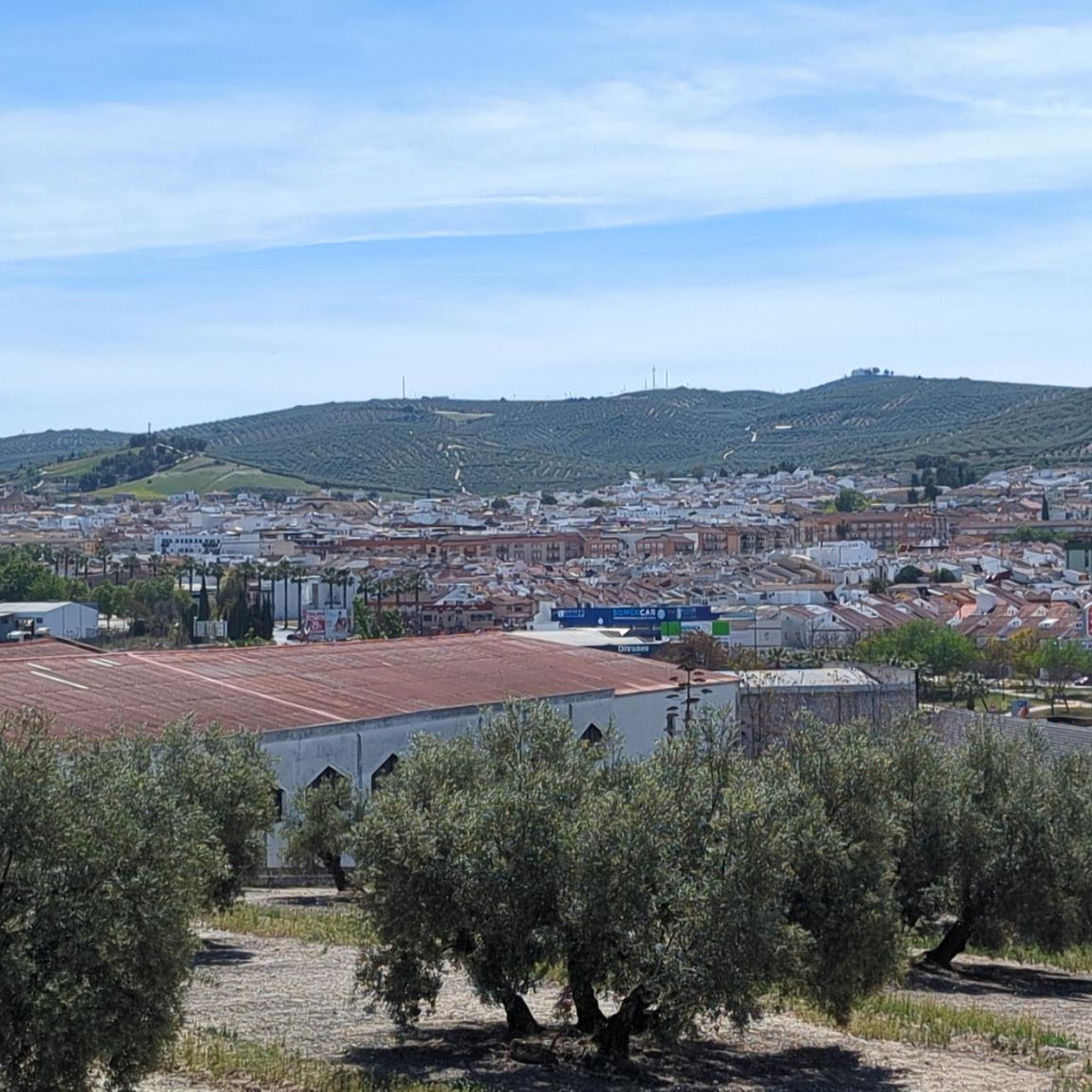
Hiking around Monturque offers a blend of historical intrigue and natural beauty, set atop a distinctive "cerro testigo" or witness hill. This unique topography provides panoramic vistas of the surrounding high campiña of Córdoba, characterized by extensive olive groves, cereal fields, and vineyards. Trails often integrate with significant historical sites, including Roman cisterns and archaeological remains, enriching the outdoor experience. The region's landscape features diverse terrain, from gentle agricultural paths to viewpoints overlooking distant mountain ranges.
Best hiking trails around…
Last updated: June 27, 2026
5.0
(1)
5
hikers
8.71km
02:18
80m
80m
Hike the moderate 5.4-mile (8.7 km) Laguna de Zóñar – circular trail, offering panoramic lake views and excellent birdwatching.
11
hikers
6.08km
01:37
60m
60m
Easy hike. Great for any fitness level. Easily-accessible paths. Suitable for all skill levels.

Sign up for free
15
hikers
13.8km
03:38
120m
120m
Moderate hike. Good fitness required. Easily-accessible paths. Suitable for all skill levels.
12
hikers
6.88km
01:50
70m
70m
Easy hike. Great for any fitness level. Easily-accessible paths. Suitable for all skill levels.
4.0
(5)
10
hikers
6.82km
01:49
70m
70m
Easy hike. Great for any fitness level. Easily-accessible paths. Suitable for all skill levels.
Get access to more routes and recommendations from other explorers.
Sign up for free
Already have an account?
Our route recommendations are based on thousands of hikes, rides, and runs completed by other people on komoot.
Start today with a free account
Your next adventure awaits.
Login or Signup
Tips from the Community

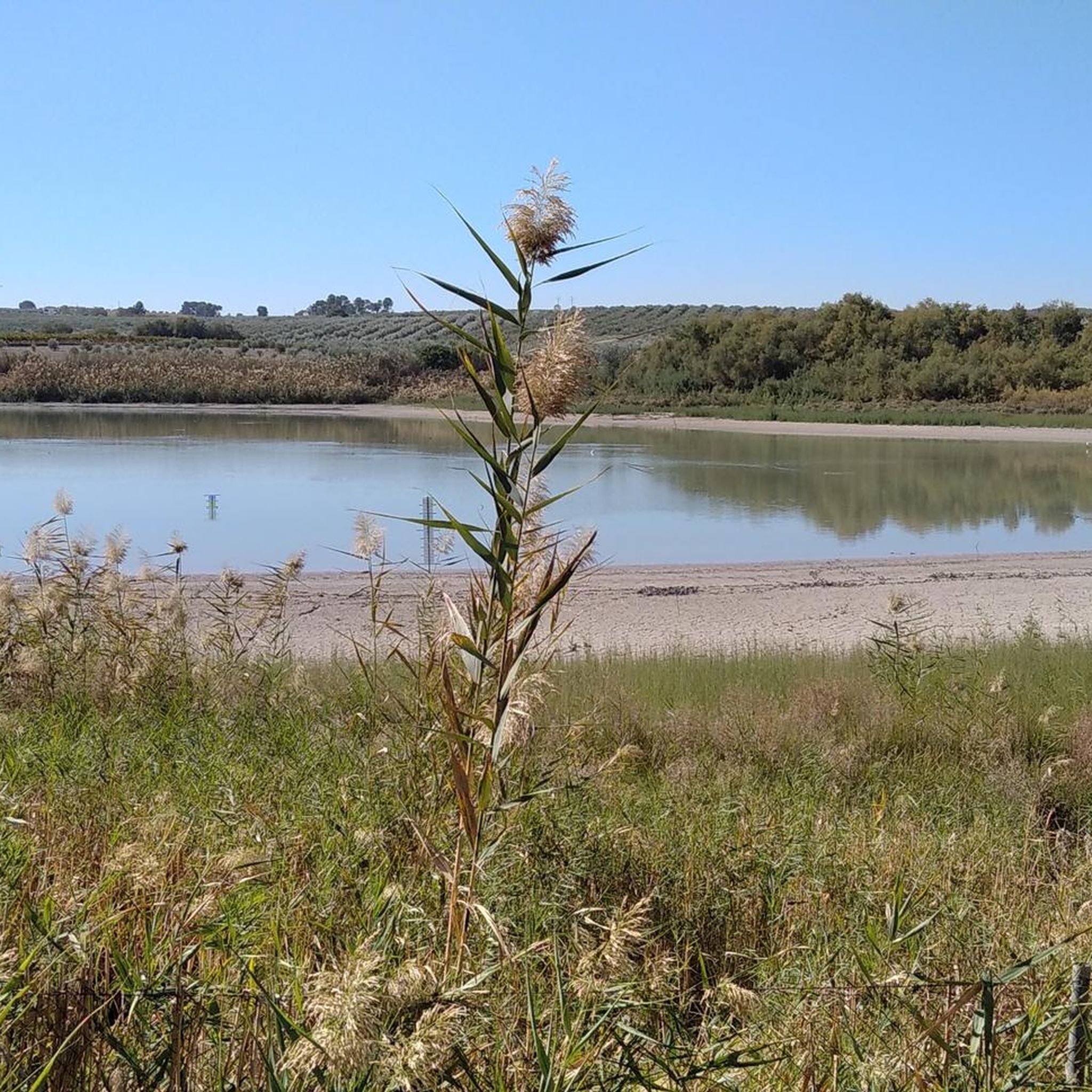
Laguna de Zóñar is a "Wetland of International Importance". It belongs to the Inventory of Protected Natural Areas of the Junta de Andalucía. It is the only natural lake in Andalusia, reaching a depth of 14 meters. It is the habitat of more than 30 species of birds, which we can observe walking through this unique place.
2
0
Architectural complex from the 18th century declared an Asset of Cultural Interest in 2006. The hospital now houses a nursing home. The hospital was founded at the express wish of Saint John of God (also known as John of the Sick, a Portuguese saint, nurse, and the founder of the Hospitaller Order of Saint John of God) for the care of the poor affected by contagious diseases.
2
0
Also known as the castle of Lucena. It is a Hispano-Muslim military fortress from the 11th century. Inside is the Archaeological and Ethnological Museum of Lucena.
2
0

Although it may seem incredible, this is the only natural lake in Andalusia. It is fed by underground freshwater aquifers and is as deep as 14 m in some points, also making it the deepest lagoon in the region. It is an ideal place for bird watching.
2
0
Point enabled for the observation of the different species of birds in the Zóñar Lagoon. It has various information panels that help to interpret what you can see. It is a place to observe in silence and lose track of time.
1
0
The second most populated and important city in Córdoba, it was known as the city of the three cultures as it was a center of coexistence for Christians, Jews and Arabs. Lucena's crafts are led by two pieces: the candle and the perula. They say that Miguel de Cervantes wrote Don Quixote by the light of a lucentine candle. The Perula is a green glazed clay vessel of Muslim origin.
2
0
Castle built in 1148 by the Almohad Empire. After many changes of hands over the centuries, in 1926 the Lucena City Council bought the castle from the Dukes of Híjar, its last owners. After several decades of conservation work and recovery of the original structures, in 2001 the Archaeological and Ethnological Museum of Lucena was inaugurated.
3
0

Frequently Asked Questions
What kind of terrain and landscapes can I expect on Monturque's hiking trails?
Monturque is uniquely situated on a "cerro testigo" (witness hill), offering diverse terrain. You'll find paths winding through extensive olive groves, cereal fields, and vineyards, characteristic of the high campiña of Córdoba. Many routes provide panoramic vistas from elevated points, showcasing the agricultural tapestry and distant Sierras Subbéticas. The landscape also features historical elements integrated into the natural surroundings.
Are there any easy hiking routes suitable for beginners or casual walkers?
Yes, Monturque offers several easy routes. For instance, the Hiking loop from Aguilar de la Frontera is an easy 6.8 km trail, typically completed in about 1 hour 50 minutes. These easier paths often guide you through the town's charming streets and accessible agricultural areas.
What historical sites or landmarks can I see while hiking in Monturque?
Monturque's trails are rich with history. You can explore significant sites like the Roman Cisterns, considered the largest public cisterns in Spain, and the archaeological site of "Los Paseíllos" with its Roman remains. Hikers may also encounter remnants of the ancient Arab medieval fortress, including the Pentagonal Tower, and pass by historical buildings like the Iglesia de San Mateo. For more details, you can explore attractions like the Church of Santo Domingo or the Church and Former Hospital of San Juan de Dios.
Are there any viewpoints with scenic panoramas along the trails?
Absolutely. The "cerro testigo" topography ensures stunning views. The Mirador de Los Paseíllos, also known as the "Balcón del Mundo," offers expansive panoramas of the Campiña and the Subbéticas mountain ranges. Another scenic spot overlooks the Arroyo Hondo, providing a different perspective of the diverse terrain.
Are there any circular hiking routes in Monturque?
Yes, many of the routes in Monturque are designed as loops, allowing you to start and end in the same location. For example, the El Mortero Geodetic Vertex – Old Lucena Station loop from Lucena is a moderate 9.5 km circular trail that offers varied scenery.
What do other hikers say about the trails in Monturque?
The hiking routes in Monturque are highly rated by the komoot community, with an average score of 4.4 stars from over 20 reviews. Hikers often praise the unique blend of historical sites with natural beauty, the panoramic views, and the well-integrated cultural experience.
Is Monturque a good destination for family-friendly hikes?
Yes, Monturque offers options suitable for families. The presence of easy-difficulty trails and the integration of historical sites can make for an engaging experience for all ages. Shorter, circular routes through the town and its immediate surroundings are often ideal for families.
Can I bring my dog on the hiking trails in Monturque?
While specific regulations for dogs on every trail can vary, generally, dogs are welcome on many of the natural paths and agricultural tracks around Monturque. It's always advisable to keep your dog on a leash, especially near livestock or in populated areas, and to carry water for them. Please ensure you clean up after your pet.
When is the best time of year to go hiking in Monturque?
The best times for hiking in Monturque are typically spring (March to May) and autumn (September to November). During these seasons, the weather is milder, making for more comfortable conditions. Spring brings blooming wildflowers, while autumn offers pleasant temperatures and the olive harvest season. Summers can be very hot, and winters can be cooler and sometimes wet.
Are there any natural features like fountains or streams along the routes?
Yes, you can find natural features that add to the charm of the hikes. The Fuente Nueva, a rehabilitated recreational area with a historic fountain dating back to 1842, is a tranquil spot on the slopes of the hill. Some routes also offer scenic viewpoints overlooking the Arroyo Hondo, indicating the presence of ravines or waterways that contribute to the diverse terrain.
What are the parking options for hikers in Monturque?
Monturque, being a smaller town, generally offers accessible parking within or on the outskirts of the urban area, close to trailheads. Specific parking areas might be available near popular starting points or historical sites. It's usually possible to find street parking or designated small car parks, especially if you arrive earlier in the day.
How many hiking routes are available in the Monturque area?
There are over 30 hiking routes available around Monturque, catering to various difficulty levels. This includes 10 easy routes, 23 moderate routes, and 1 difficult route, ensuring options for every hiker.
Most popular routes around Monturque
Most popular attractions around Monturque

Get inspired with the komoot mobile app


Explore more
Browse the best Hikes in other regions.
