The best walks and hikes around Parc natural de Sa Dragonera
4.4
(12335)
47,775
hikers
11
hikes
Hiking around Parc natural de Sa Dragonera offers trails across an uninhabited island off the coast of Mallorca, characterized by rugged terrain and a distinctive dragon-like shape. The island's landscape features steep cliffs, particularly in its northwestern areas, and its highest point, Pico Popi, reaches 360 meters. Geologically, it is an extension of the Serra de Tramuntana mountain range, supporting diverse Mediterranean flora including rosemary, wild olive, and fan palms.
Best hiking trails around Parc natural de Sa Dragonera
- The most popular hiking route is Tower and Cala d'en Basset via Pas d'en Grau — circular from Sant Elm, a 3.9 miles (6.3 km) trail that takes 1 hour 51 minutes to complete. This moderate route offers coastal views and passes historical watchtowers.
- Another top favourite among local hikers is Cabo Tramuntana, Cabo Llebeig y na Pòpia — the lighthouses of Sa Dragonera Natural Park, a difficult 12.7 miles (20.5 km) path. This challenging trail connects the island's lighthouses, providing expansive sea views.
- Local hikers also love the View of Sa Dragonera – View of Sa Dragonera loop from Es Pantaleu, a 5.2 miles (8.4 km) trail leading through varied island terrain, often completed in about 2 hours 27 minutes.
- Hiking around Parc natural de Sa Dragonera is defined by coastal paths, rugged cliffs, and Mediterranean vegetation. The network offers options for different ability levels, from moderate walks to more challenging ascents.
- The routes in Parc natural de Sa Dragonera are highly rated by the komoot community with an average score of 4.4 stars from over 10,000 reviews. More than 40,000 hikers have used komoot to explore Parc natural de Sa Dragonera's varied terrain.
Last updated: August 19, 2026
4.5
(11)
63
hikers
Hard hike. Very good fitness required. Sure-footedness, sturdy shoes and alpine experience required.
4.8
(70)
299
hikers
5.89km
01:40
130m
130m
Easy hike. Great for any fitness level. Easily-accessible paths. Suitable for all skill levels.

Sign up for free
4.8
(5)
48
hikers
5.32km
01:46
170m
170m
Moderate hike. Great for any fitness level. Mostly accessible paths. Sure-footedness required.
5.0
(7)
48
hikers
Hard hike. Great for any fitness level. Sure-footedness, sturdy shoes and alpine experience required.
4.9
(116)
566
hikers
8.67km
03:00
290m
290m
Moderate hike. Good fitness required. Mostly accessible paths. Sure-footedness required.
Get access to more routes and recommendations from other explorers.
Sign up for free
Already have an account?
Our route recommendations are based on thousands of hikes, rides, and runs completed by other people on komoot.
Start today with a free account
Your next adventure awaits.
Login or Signup

Tips from the Community

The Paris Meridian was established on June 21, 1667, the day of the summer solstice, by Adrien Auzout, Jacques Buot, Bernard Frénicle de Bessy, Jean Picard, and Jean Richer, mathematicians and astronomers of the Académie Royale des Sciences, by a marking on a stone, over which the Paris Observatory was subsequently built. Source: https://de.wikipedia.org/wiki/Meridian_von_Paris
0
0

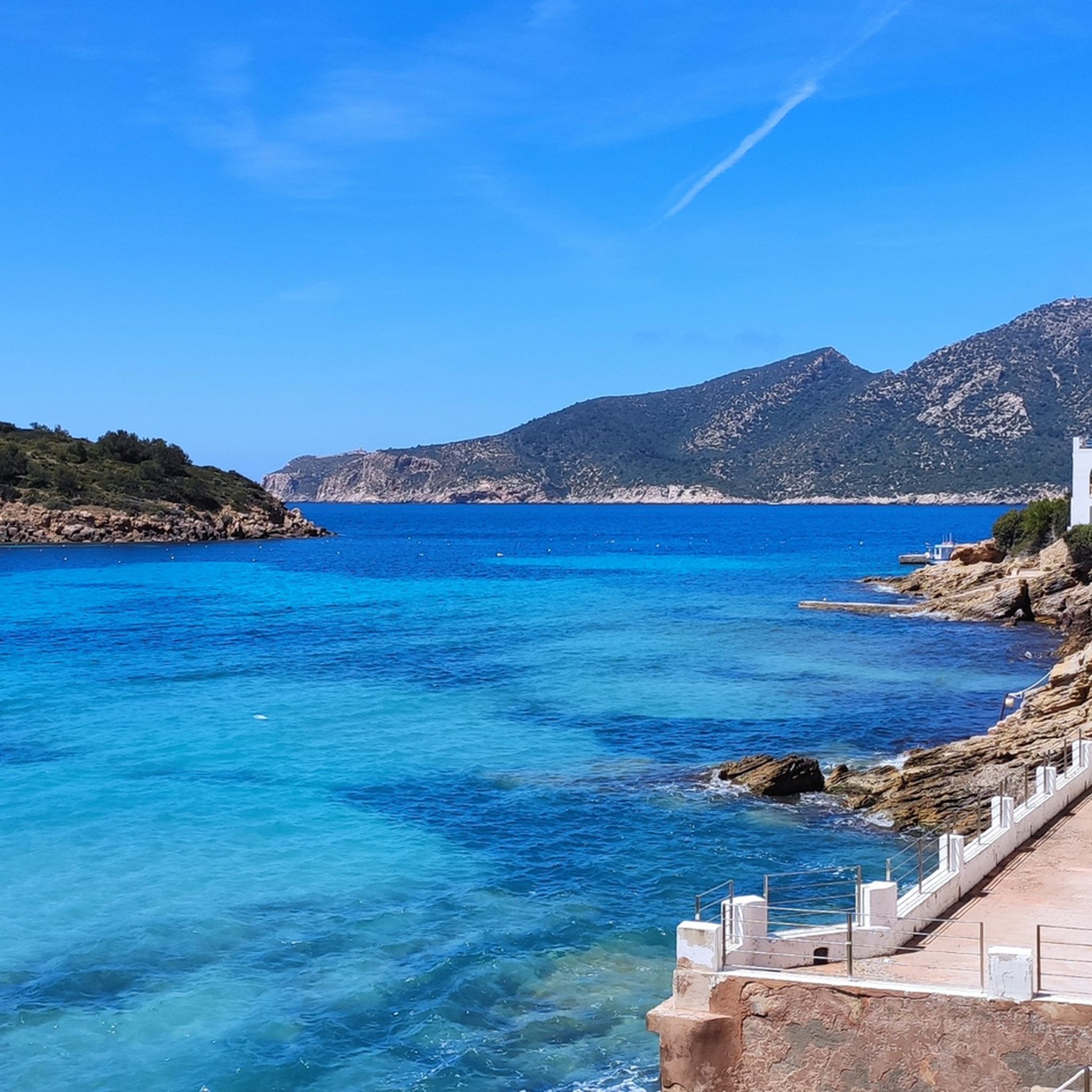
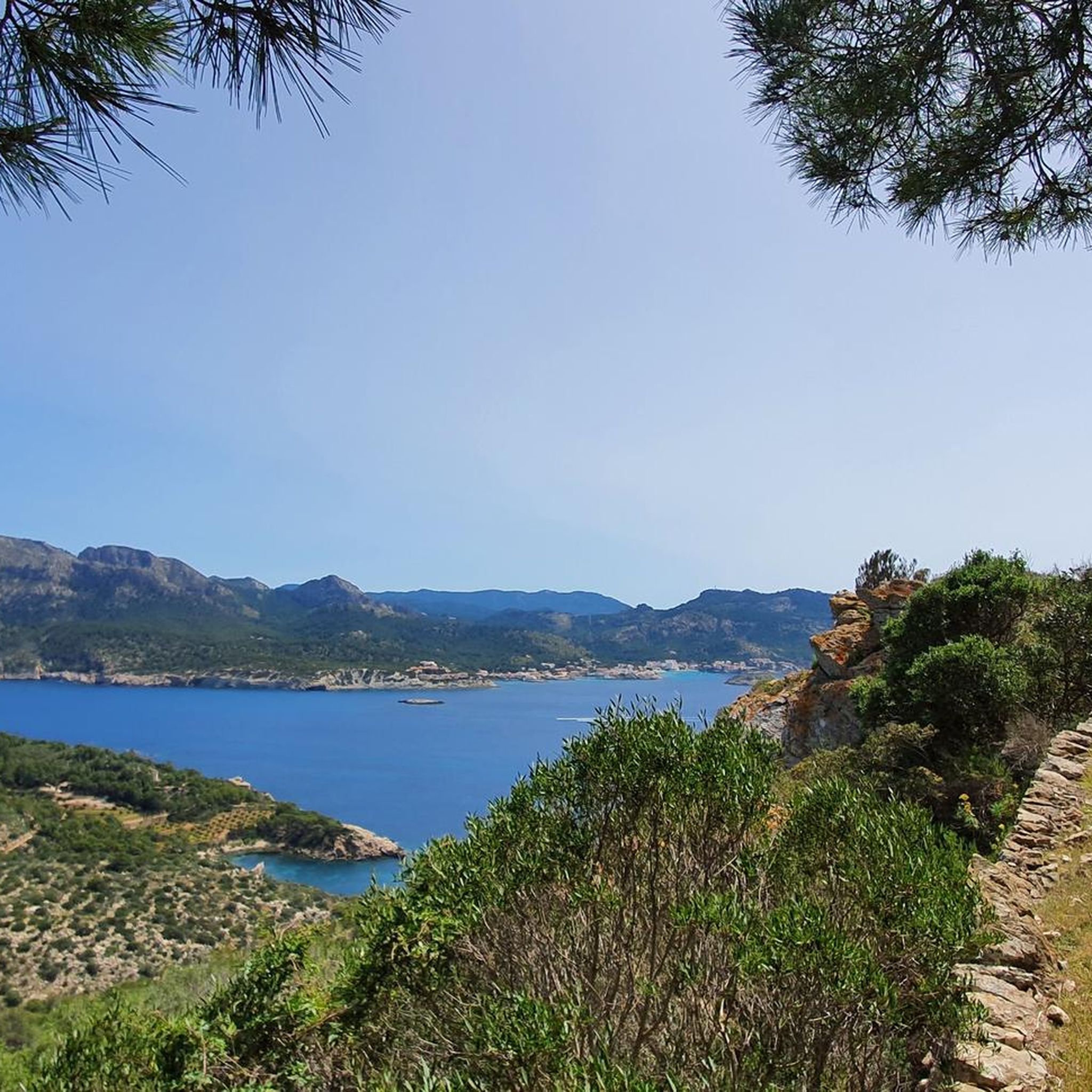
great view from the Dragon Island to Sant Elm
0
0
great view of the pirate tower
0
0
it is worth scrambling up the passage in the tower
0
0

Parking on the road is fine. In this direction, the climb into the crevice is easier.
0
0

Worth seeing. The island really does sit like a dragon in the water.
0
0

The island got its name Sa Dragonera from its shape, which is reminiscent of a dragon resting in the sea. And that's not far-fetched, as the island's origins are told as follows: Like all lizards, dragons prefer warmer climes for laying their eggs and found Mallorca an ideal place for this. A particularly brave dragon stayed behind to guard the eggs, from which young dragons later hatched. This dragon eventually turned to stone and now forms the island's silhouette. Piracy played a major role on Mallorca throughout history. Initially active, later defensive. Sa Dragonera repeatedly served as a hideout for privateers. This led to stories of hidden treasures that are said to still be hidden on the island. Another special feature is the lizard that lives here, which is only found in this form on Dragonera. It is said to have once existed on the main island as well, but was wiped out by introduced animals such as cats and snakes. They differ not only genetically, but also in their food choices and behavior. Since they have no natural enemies here, they lack the instinct to flee and are not afraid of humans. Nevertheless, they should not be fed, as human food is not suitable for animals and can cause disease.
3
0
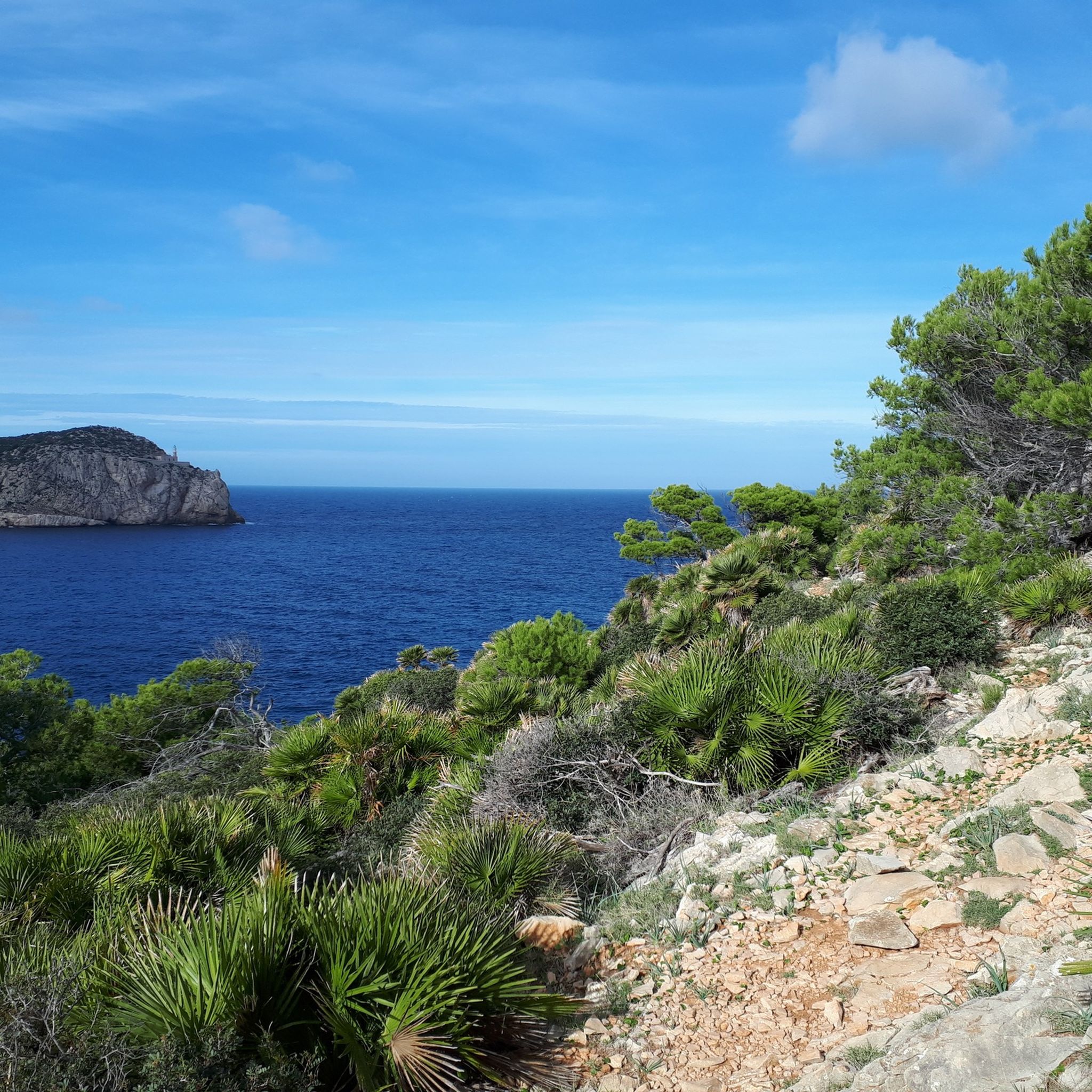
Until 1850, there was a watchtower on the highest point of the island, the Talaia de na Guinavera. This was completely demolished to make way for a lighthouse, which was completed in 1852. This is surprising, since at the time of the watchtower, people apparently didn't realize that it was often shrouded in thick fog. Who was on watch? Gradually, the realization dawned that a lighthouse in the fog wasn't helpful, and in 1910, two new towers were built at Cap de Tramuntana and Cap de Llebeig. That's why the path here is also called Camí del Far Vell, Path of the Old Lighthouse.
1
1
Frequently Asked Questions
How many hiking trails are available in Parc natural de Sa Dragonera?
There are over 240 hiking routes available in Parc natural de Sa Dragonera, offering a wide range of options for different skill levels and preferences.
What are the typical trail difficulties found on Sa Dragonera?
The trails on Sa Dragonera range from easy to difficult. You'll find over 100 easy routes, more than 100 moderate routes, and nearly 40 challenging paths, ensuring options for every hiker.
Are there any easy hiking options suitable for beginners?
Yes, Sa Dragonera offers over 100 easy routes. These trails are perfect for beginners or those looking for a relaxed walk to enjoy the island's unique landscape and coastal views.
Can I find challenging hikes on Sa Dragonera?
Absolutely. For experienced hikers, there are nearly 40 difficult routes. A notable challenging trail is Cabo Tramuntana, Cabo Llebeig y na Pòpia — the lighthouses of Sa Dragonera Natural Park, which covers over 20 km and connects the island's lighthouses with expansive sea views.
What kind of natural features and landmarks can I expect to see while hiking?
While hiking, you'll encounter rugged terrain, steep cliffs, and Mediterranean flora like rosemary and wild olive. Key landmarks include historical structures such as ancient watchtowers like Torre de Llebeig and Torre de na Pòpia, and several lighthouses including Far de Tramuntana and Far de Llebeig. You can also visit the Ruins of the Old Lighthouse of Na Popia (349 m).
Is Sa Dragonera suitable for family hikes?
While the island offers various difficulties, many trails are suitable for families. The unique environment and wildlife, especially the endemic lizards, can be a fascinating experience for children. However, access is by boat, so consider the overall day trip logistics.
Are dogs allowed on the hiking trails in Parc natural de Sa Dragonera?
As a protected natural park, specific regulations apply to pets. Generally, dogs are not permitted on Sa Dragonera to protect the delicate ecosystem and endemic wildlife. It's best to confirm current regulations before planning your visit.
How do I get to Parc natural de Sa Dragonera?
Access to Parc natural de Sa Dragonera is exclusively by boat. Regular ferry services operate from nearby towns on Mallorca, such as Sant Elm, Port d'Andratx, Santa Ponça, and Peguera, making it an ideal day trip destination. The Sant Elm Pier is a common departure point.
Do I need a permit to hike on Sa Dragonera?
Yes, as a protected natural park, visitors are generally required to obtain a permit or pay an entrance fee to access Sa Dragonera. It's advisable to check the official park website or local tour operators for the most up-to-date information on permits and access requirements before your visit. For more information on visiting Mallorca, you can check visitingmallorca.com.
What is the best time of year to hike in Parc natural de Sa Dragonera?
The best time to hike in Parc natural de Sa Dragonera is typically during the spring (April-May) and autumn (September-October) months. During these periods, the weather is milder, making for more comfortable hiking conditions, and the natural flora is often at its most vibrant. Summers can be very hot, and winters can bring cooler, wetter weather.
Are there any circular hiking routes on Sa Dragonera?
Yes, there are several circular routes available. For example, the View of Sa Dragonera – View of Sa Dragonera loop from Es Pantaleu is a moderate 8.4 km trail that allows you to experience varied island terrain.
What kind of wildlife might I encounter on Sa Dragonera?
Sa Dragonera is famous for its abundant and curious endemic Sa Dragonera wall lizards (Podarcis lilfordi), found nowhere else. It's also a significant birdwatching site, hosting extensive seabird colonies, including the endangered Audouin's gull and the Balearic shearwater. Keep an eye out for Eleonora's falcons and, occasionally, dolphins offshore.
What do other hikers say about their experience in Parc natural de Sa Dragonera?
The area is highly rated by the komoot community, with an average score of 4.4 stars from over 10,000 reviews. Hikers often praise the stunning coastal views, the unique natural environment, and the opportunity to explore an uninhabited island with well-maintained trails.
Are there any facilities or amenities on the island?
Sa Dragonera is an uninhabited natural park, so facilities on the island itself are very limited, primarily consisting of visitor information at the landing point. It's essential to bring all necessary supplies, such as water and snacks, for your hike. Nearby towns like Sant Elm offer restaurants and accommodation before or after your visit.
Most popular routes around Parc natural de Sa Dragonera
Most popular attractions around Parc natural de Sa Dragonera

Get inspired with the komoot mobile app


Explore more
Browse the best Hikes in other regions.
