Top 10 Castles around Artesa De Segre
Best castles around Artesa De Segre are found in a municipality in the province of Lleida, Spain, known for its historical significance and diverse landscape. The region features remnants of its own historic castle, Castell d'Artesa de Segre, alongside numerous other medieval fortifications. This area offers a tangible link to the region's rich medieval history, with castles ranging from well-preserved sites to significant ruins. Its strategic location historically controlled the surrounding territory and the Segre river.
Best castles around Artesa…
Last updated: August 16, 2026
Florejacs Castle
Highlight • Castle
Translated by Google •
Tip by

Alòs de Balaguer Castle
Highlight • Castle
Translated by Google •
Tip by
Sign up now to discover places like this
Get recommendations on the best single tracks, peaks, & plenty of other exciting outdoor places.
Sign up for free
Montsonís Castle
Highlight • Castle
Translated by Google •
Tip by
Montclar Castle
Highlight • Castle
Translated by Google •
Tip by
Sant Gervàs Castle
Highlight • Castle
Translated by Google •
Tip by

Sign up for free to discover even more castles around Artesa De Segre.
Sign up for free
Already have an account?
Start today with a free account
Your next adventure awaits.
Login or Signup
Tips from the Community

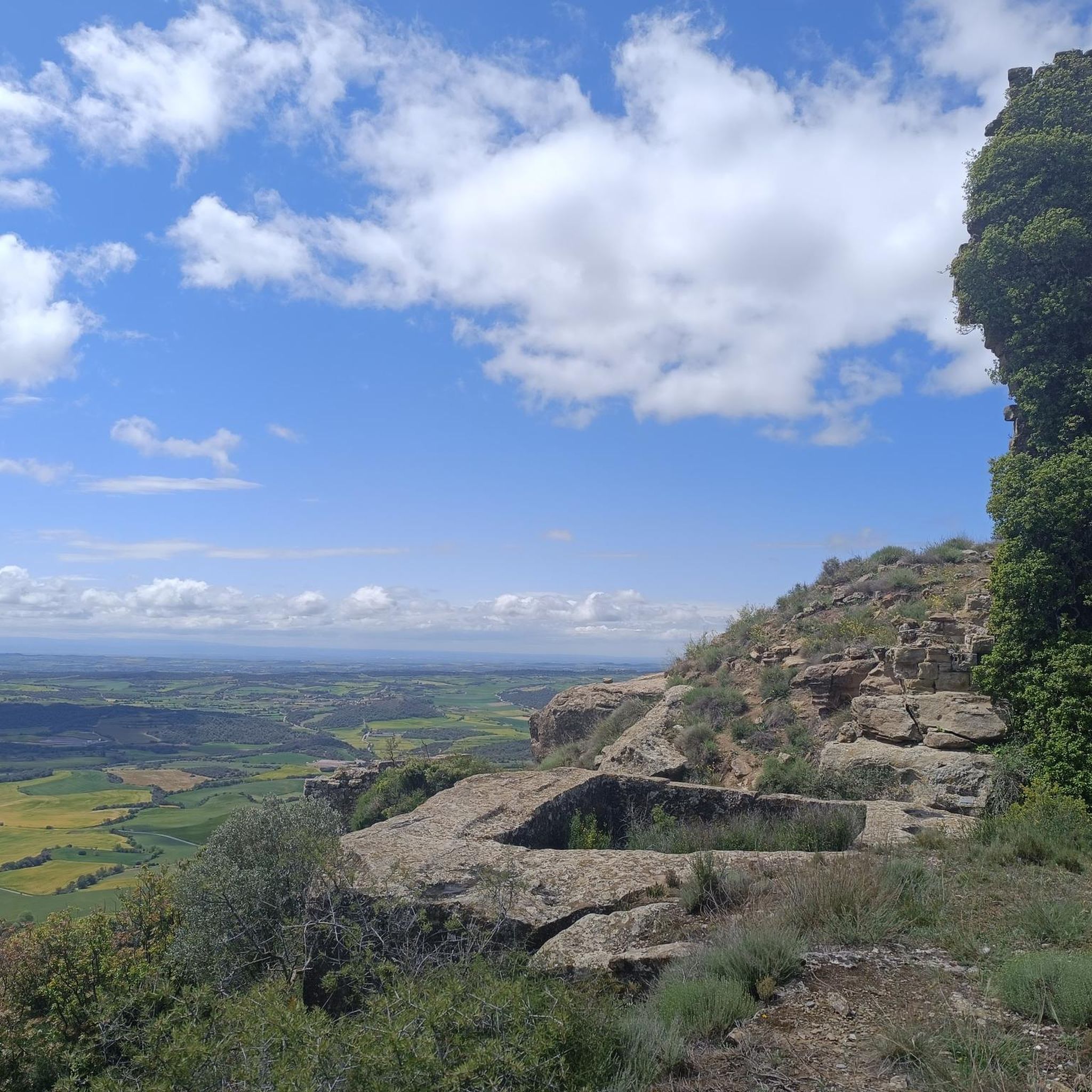
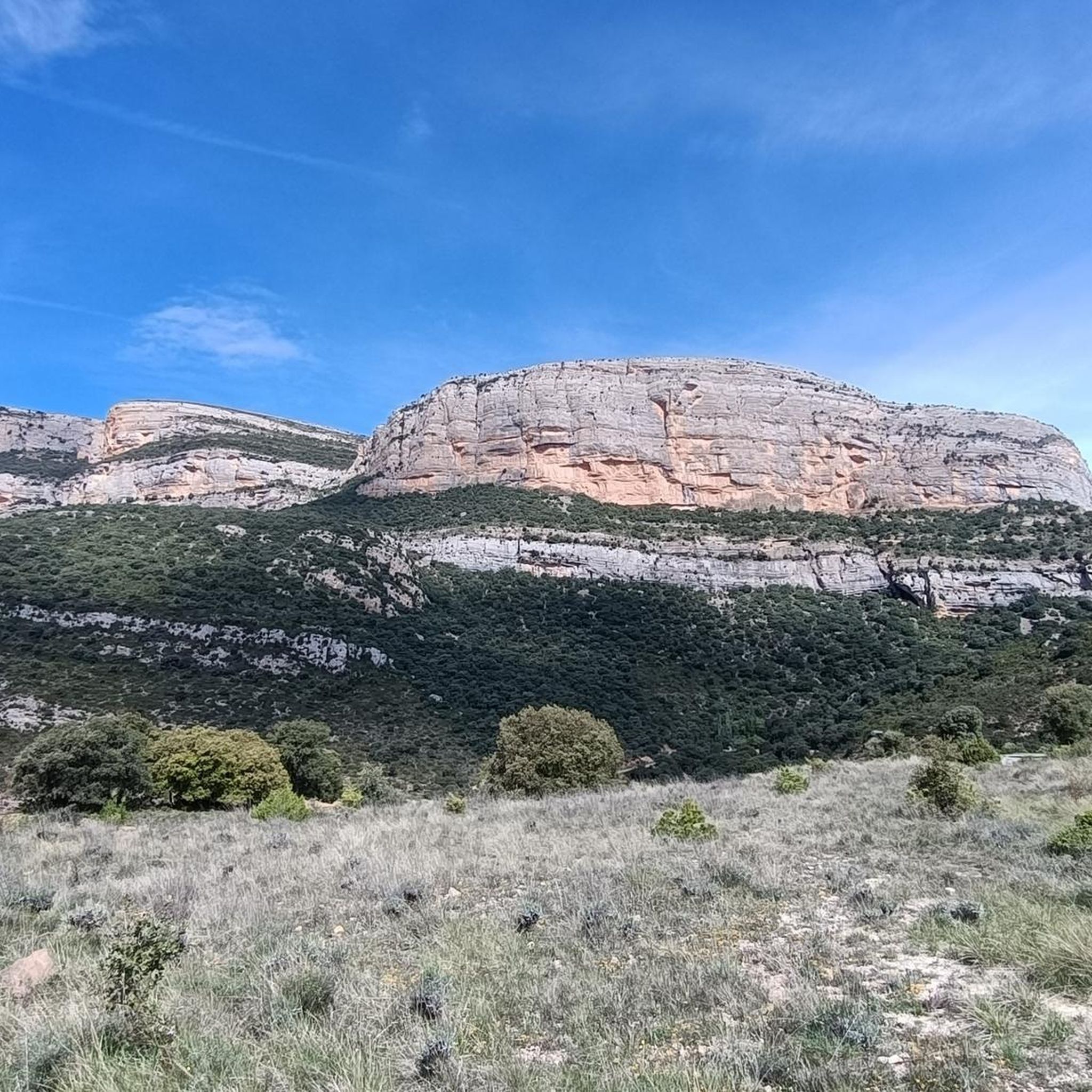
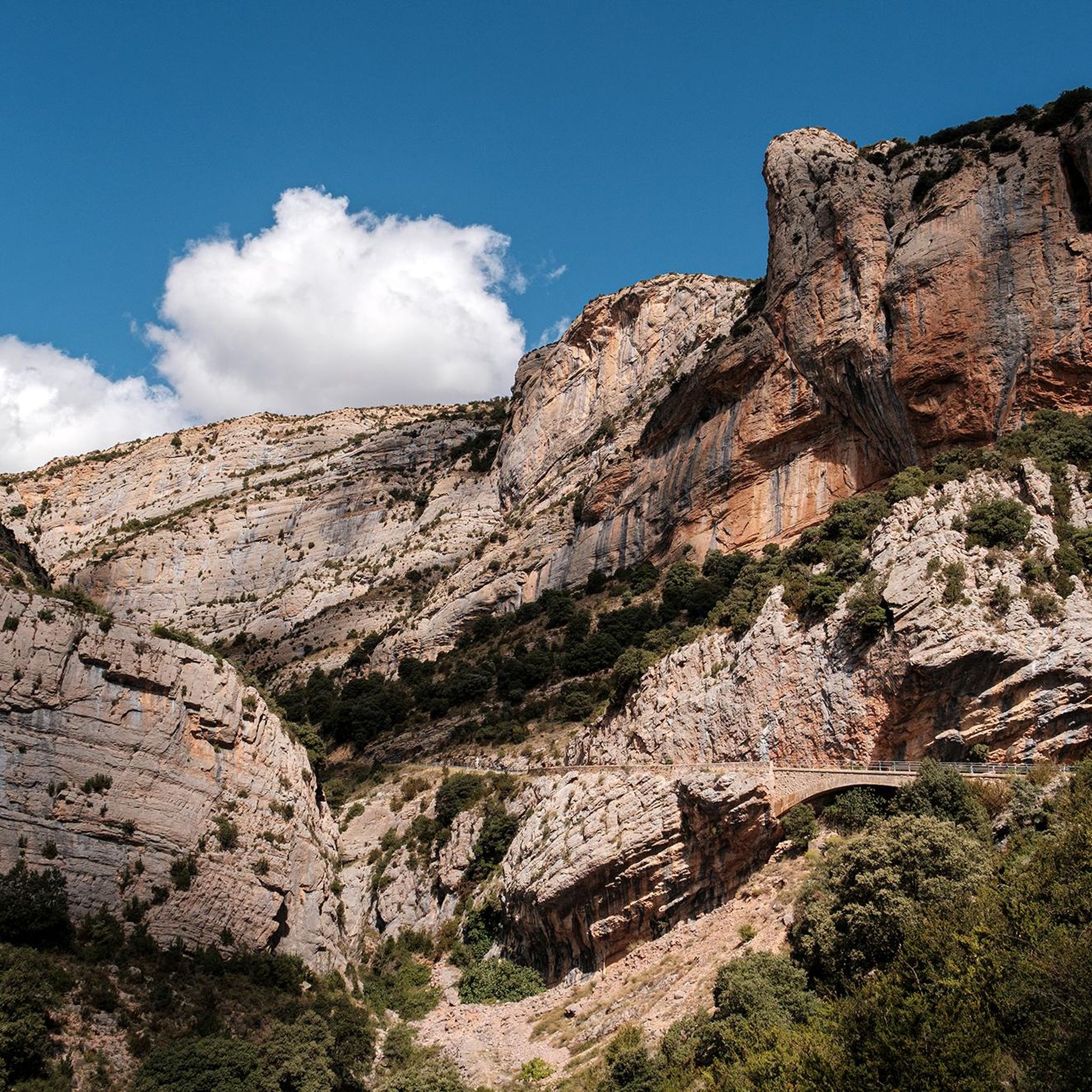
Sant Gervàs Castle with views of the Barcedana Valley
0
0

Dominating the Barcedana Valley and in the old part of Montsec, there are the towers of Sant Gervàs Castle. The Castle is part of a nucleus of buildings with the hermitage and remains of an ancient village from the Middle Ages that once guarded the set of lands that separates this mountainous system.
0
0

In the Segarra region, which forms part of the Sió Castles route, we come across the Florejacs castle, which was part of the Reconquest as a border line between Arabs and Christians. Can visit.
1
0
Florejacs castle is part of the Segarra castles route. Located in the homonymous town that stands on a small hill, in the middle of cultivated fields. This building was part of the border line between the Arab world and the Christian world at the time of the Reconquest. We can visit it, but we must inform ourselves of the schedules.
1
0
Recommended visit to Montclar Castle. By appointment, you can take a guided tour and also an ''escape room'' through the castle to immerse yourself in that medieval era.
1
0
The Castillo d'Alòs is a castle declared a natural asset of national interest. Located at the top of the town of Alòs de Balaguer from where the Segre river was controlled.
1
0
The guided tour with which you are going to enter the 12th century and take a trip through that time is recommended and interesting.
1
0
Florejacs castle was part of the Reconquest as a border line between Arabs and Christians. Can visit.
2
0
Frequently Asked Questions
What are some notable castles to visit in the Artesa de Segre region?
The region around Artesa de Segre offers several historically significant castles. You can explore the well-preserved Montsonís Castle, located in a charming medieval village. Other important sites include Florejacs Castle, part of the Segarra castles route, and Alòs de Balaguer Castle, which offers commanding views over the Segre river.
Are there any castles within Artesa de Segre itself?
Yes, the town of Artesa de Segre is home to the remnants of the Castell d'Artesa de Segre, also known as "El Castellot." While largely in ruins, it offers magnificent panoramic views and a tangible link to the region's medieval history. Another site within the municipality is the Castell de Grialó, a 12th-century Romanesque stronghold, and the medieval ruins of Castell de la Vall d'Ariet.
Which castles offer guided tours or immersive experiences?
For an immersive experience, Montsonís Castle offers guided tours that delve into its 12th-century history. Similarly, Montclar Castle provides guided tours and even an 'escape room' experience to transport visitors to the medieval era. The Castell de Grialó also offers guided tours to explore its history and architecture.
Are there family-friendly castles in the area?
Yes, several castles are suitable for families. Montsonís Castle and Montclar Castle are both highlighted as family-friendly. Montclar, in particular, offers an 'escape room' experience that can be engaging for older children.
What kind of historical significance do the castles around Artesa de Segre hold?
These castles are deeply rooted in the region's medieval history, often serving as frontier strongholds between the Caliphate of Córdoba and Christian counties during the Reconquista. For example, Castell d'Artesa de Segre originated as an Andalusian construction, and Florejacs Castle was a crucial border line. Many, like Castillo de Montmagastre, date back to the 10th century and played vital roles in controlling territory and the Segre river.
Can I find castles with good panoramic views?
Absolutely. The Castell d'Artesa de Segre (El Castellot), perched on a steep hill, offers magnificent panoramic views of the town and surrounding landscape. Alòs de Balaguer Castle, situated at the highest point of its town, also provides commanding views. The strategic location of Castillo de Montmagastre similarly offers beautiful landscapes.
Are there opportunities for outdoor activities near these castles?
Yes, the region around Artesa de Segre is excellent for outdoor activities. You can find various routes for mountain biking, gravel biking, and cycling. For example, there are MTB trails like the 'Artesa de Segre - Montclar - La Donzell' route, and cycling routes such as the 'Plaza Mayor Artesa de Segre loop'. You can explore more options on the MTB Trails around Artesa De Segre, Gravel biking around Artesa De Segre, and Cycling around Artesa De Segre guide pages.
What is the best time of year to visit the castles in Artesa de Segre?
The region generally enjoys pleasant weather for exploring. Spring and autumn offer mild temperatures, ideal for walking and outdoor activities around the castle sites. Summer can be warm, but still suitable for visits, especially in the mornings or late afternoons. Winter visits are possible, but some sites might have reduced hours, so it's always best to check in advance.
Are there any castles that are less preserved but still historically interesting?
Yes, the region has several castles that, despite being in ruins, offer significant historical insight. The Castell d'Artesa de Segre (El Castellot) is a prime example, showcasing architectural evolution from its Andalusian origins. The Castell de la Vall d'Ariet also consists of medieval ruins with thick stone walls and square towers, providing a glimpse into older Catalan medieval architecture.
How accessible are the castles in Artesa de Segre?
Accessibility varies by castle. The Castell d'Artesa de Segre (El Castellot) requires a hike of about 20-25 minutes to reach the top. Many castles are located on elevated positions, which might involve walking on uneven terrain. For specific accessibility details, it's advisable to check with individual castle sites, especially if you have mobility concerns.
How long should I plan for a visit to these castles?
The duration of a visit depends on the castle. For well-preserved sites like Montsonís Castle or Montclar Castle, especially if taking a guided tour or participating in an immersive experience, you might spend 1-2 hours. For ruined sites like the Castell d'Artesa de Segre, the visit might be shorter, focusing on the views and historical remnants, perhaps 30-60 minutes including the walk up.
Are there any hidden gem castles in the Artesa de Segre area?
While many castles are well-known for their historical importance, exploring sites like the Castell de la Vall d'Ariet or the remnants of Castillo de Montmagastre can feel like discovering hidden gems. These sites, though less preserved, offer a quiet connection to the past and often provide stunning natural surroundings away from larger crowds.
Most popular routes around Artesa De Segre
Most popular attractions around Artesa De Segre

Get inspired with the komoot mobile app


Explore more
Looking for the best castles somewhere else? Discover other guides around Artesa De Segre:
