Attractions and Places To See around Mijares - Top 20
Best attractions and places to see around Mijares include significant natural features and mountain passes. The region is characterized by its mountainous terrain, forming part of the Sierra de Gredos. Visitors can explore areas shaped by the Mijares River, known for its picturesque stretches and opportunities for outdoor activities. This area offers diverse landscapes for exploration.
Best attractions and places to see around Mijares
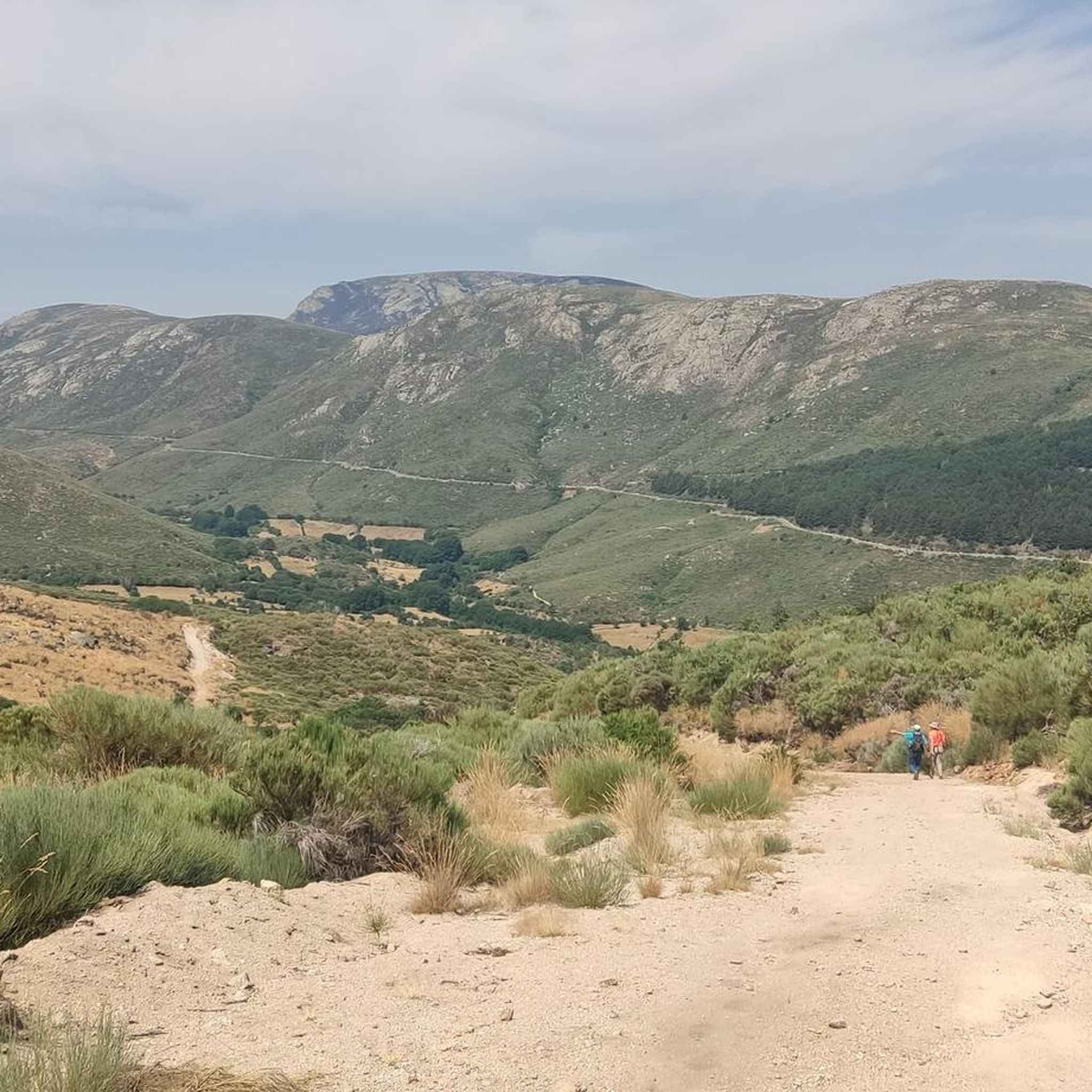
- The most popular attractions is Puerto de Mijares, a mountain pass that reaches 1,573 meters…
Last updated: May 21, 2026
Puerto de Mijares
Highlight • Mountain Pass
Translated by Google •
Tip by

Serranillos Pass
Highlight • Mountain Pass
Translated by Google •
Tip by

Sign up now to discover places like this
Get recommendations on the best single tracks, peaks, & plenty of other exciting outdoor places.
Sign up for free
Pico Torozo
Highlight • Summit
Translated by Google •
Tip by

Almendral de la Cañada
Highlight • Settlement
Translated by Google •
Tip by

Villanueva de Ávila
Highlight • Settlement
Translated by Google •
Tip by
Sign up for free to discover even more attractions around Mijares.
Sign up for free
Already have an account?
Start today with a free account
Your next adventure awaits.
Login or Signup

Other adventures around Mijares

Tips from the Community

The Serranillos Pass is one of the most iconic mountain passes in the Sierra de Gredos, famous for its beauty and for being a historic stage in the Vuelta a España (Hinault's legendary stage in 1983). Views of the Cinco Villas Valley and the Gredos peaks. Spectacular scenery throughout the climb. Signage with gradient and remaining distance information. Ideal for linking up with Puerto del Pico, Pedro Bernardo, and Mijares for an epic stage.
1
0
The Mijares Pass is one of the great mountain passes in the Sierra de Gredos, highly prized by cyclists for its length, elevation gain, and scenic beauty. Maximum gradient: 11% (on short ramps before Mijares). There are several steep sections in the villages and near the Horcajo area, as well as another one 2 km from the summit.
1
0

You cool down very quickly up here, especially when it's windy.
7
0

Highest point 1580 on this route, there is a large parking lot to enjoy the view.
16
0

A legendary mountain pass in the Vuelta a España and in the Gredos mountain range, along with Serranillos, Peña Negra, Pedro Bernardo, and Puerto del Pico. It's a namesake of Serranillos, as it connects the same valleys, running parallel. Like Serranillo, it's a pass with a gentle, continuous gradient and uneven, bumpy asphalt, which is typical of this area. A pass of thermal contrasts: in winter, you're freezing cold, and in summer, you can die of heat.
0
0
The Serranillos pass is one of the great classics of the Tour of Spain as it passes through the Sierra de Gredos. As the Vuelta has almost always ended in Madrid, the Gredos and Guadarrama mountain ranges offered very interesting alternatives to trace mountain stages in the last stages. The port of Serranillos is very iconic in the Sierra de Gredos for several reasons: type of port (long and long), rough and irregular road (but in good condition) and dryland landscape with little vegetation (very typical of this inland area of the Iberian Peninsula). The Serranillos port presents many climbing alternatives: - On its eastern side, there are 2 alternatives: from Burgohondo (the classic one, along the main highway AV-913) and from Navalosa along the AV P-419 highway, which joins the previous one in Navarrevisca. - on its west side, is where we will find more alternatives. I have come to count up to 5 alternatives. They are the following: (1) climb through Santa Cruz del Valle, starting from the N-502 and taking the AV p-706 highway, to later reach San Esteban del Valle and from there to the top; (2) leaving Mombeltrán on the AV-922 highway towards San Esteban del Valle and from there to the top; (3) starting from Cuevas del Valle and passing through Villarejo del Valle on the AV P-706 highway, reaching San Esteban del Valle and from there to the top; (4) starting from the N-502, in the middle of the climb to the Pico pass, taking a road that takes us to the Mirador de la Carretera del Sidrillo and to Esteban del Valle, and from there to the top; (5) previously crossing the Pedro Bernardo port on the AV-922 highway Although I have only done alternative 4 on the eastern slope by bike, they are all very similar. The slopes are gentle and the views, as there is little vegetation, cover a lot of territory.
0
0

Great port where the neocyclist is persona non grata
1
0

Frequently Asked Questions
What natural features can I explore around Mijares?
The Mijares region, particularly in Spain, is rich in natural beauty. You can explore the Mijares River, known for its picturesque stretches, gorges, and natural pools. The Sierra de Gredos mountain range offers stunning landscapes, including significant passes. The Alto Mijares area in Castellón features springs, ravines, and caves, and is part of the Natura 2000 Network, protecting its rich biodiversity.
Are there any notable mountain passes to visit near Mijares?
Yes, the area is known for its mountain passes. Two prominent ones are Puerto de Mijares, which reaches 1,573 meters above sea level and offers a large parking lot for views, and Serranillos Pass. The Serranillos Pass is famous for its beauty and offers views of the Cinco Villas Valley and the Gredos peaks.
What kind of outdoor activities can I do in the Mijares region?
The Mijares region is ideal for various outdoor activities. You can enjoy hiking, mountain biking, and running on numerous trails. For specific routes, you can explore guides like Hiking around Mijares or MTB Trails around Mijares. The Mijares River also offers opportunities for kayaking and paddle surfing, especially at the Sitjar Reservoir.
Are there family-friendly attractions or activities in Mijares?
Yes, several attractions around Mijares are considered family-friendly. The mountain pass Puerto de Mijares has a large parking lot, making it accessible for families to enjoy the views. Additionally, settlements like Almendral de la Cañada and Villanueva de Ávila are noted as family-friendly towns to visit.
Where can I find scenic viewpoints around Mijares?
For spectacular views, head to Puerto de Mijares or Serranillos Pass, both offering panoramic vistas of the surrounding mountains and valleys. Pico Torozo, a summit in the Sierra de Gredos, also provides very beautiful views, though it can be challenging in winter.
What are some popular hiking trails near Mijares?
The Mijares area offers a variety of hiking trails. Popular options include the 'Ruta del Tiétar – circular from Iglesuela del Tiétar (PR-TO 20)' and 'Cascada de El Chorro — circular desde Mijares', both moderate in difficulty. For more options, refer to the Hiking around Mijares guide.
Can I find places for wild swimming in the Mijares area?
Yes, the Mijares River and its tributaries offer several natural pools perfect for wild swimming. Around Olba, you can find inviting spots like La Rasclosa, Los Pertegaces, or Pozo de las Palomas. The Fuente de los Baños is another famous location for swimming.
What are some interesting settlements or towns to visit near Mijares?
You can visit Almendral de la Cañada, a small town surrounded by olive and almond groves, offering bars and a public fountain. Another option is Villanueva de Ávila, known for its neighborhoods with traditional architecture in the Albarchete Valley.
What is the difficulty level of the mountain passes around Mijares?
The mountain passes around Mijares can be challenging. For instance, the ascent to Puerto de Mijares involves a 21.9-kilometer climb with an average slope of 5.1%, indicating a significant difficulty level. Pico Torozo is also categorized as challenging, especially due to snow and cold in winter.
Are there opportunities for cycling or mountain biking near Mijares?
Absolutely. The region is popular with cyclists, especially for its mountain passes like the Mijares Pass and Serranillos Pass, known for their length, elevation gain, and scenic beauty. For mountain biking, you can find numerous trails, with options detailed in the MTB Trails around Mijares guide.
What wildlife might I encounter in the Mijares region?
The Alto Mijares region, part of the Natura 2000 Network, is rich in biodiversity. You might spot wildlife such as wild boars, roe deer, mountain goats, and otters. The area is also home to various birds of prey, making it a great spot for birdwatching.
Are there any caves or ravines to explore in the Mijares area?
Yes, the region offers several caves and ravines for exploration. Notable caves include Toro Cave in Alcudia de Veo for wet caving, and Tía Cantina Cave, Mahoma Cave in Sueras, and Eulogio Cave in Tales. For canyoning, you can find opportunities in ravines such as Catalán (Pozo Negro) in Fuentes de Ayódar, Turio in Fanzara, and Carboneras in Espadilla.
Most popular attractions around Mijares

Get inspired with the komoot mobile app


Explore more
Still not found the Highlight you’re looking for? See guides of the top attractions in other regions:
