Attractions and Places To See around Los Altos - Top 20
Best attractions and places to see around Los Altos include a variety of natural monuments, historical settlements, and impressive geological formations. This region is characterized by its dramatic landscapes, featuring waterfalls, gorges, and caves, often shaped by rivers like the Ebro. Visitors can explore areas with significant natural beauty and discover settlements with historical railway heritage. The diverse terrain offers opportunities to experience both natural wonders and cultural sites.
Best attractions and places to see around Los Altos
- The most…
Last updated: July 7, 2026
Turquoise Pools and Waterfalls of Orbaneja del Castillo
Highlight • Waterfall
Translated by Google •
Tip by

Villarcayo
Highlight • Settlement
97 kilometers. 1,370 positive meters.
In the old Villarcayo-Horna station there are many remains and curiosities of the railway heritage of the old Santander-Mediterranean line. An old …
Translated by Google •
Tip by

Sign up now to discover places like this
Get recommendations on the best single tracks, peaks, & plenty of other exciting outdoor places.
Sign up for free
Pozo Azul de Covanera
Highlight • Natural Monument
Translated by Google •
Tip by

Orbaneja del Castillo
Highlight • Settlement
Translated by Google •
Tip by
Chozos de la Estilla
Highlight (Segment) • Mountain Hut
Translated by Google •
Tip by
Sign up for free to discover even more attractions around Los Altos.
Sign up for free
Already have an account?
Start today with a free account
Your next adventure awaits.
Login or Signup
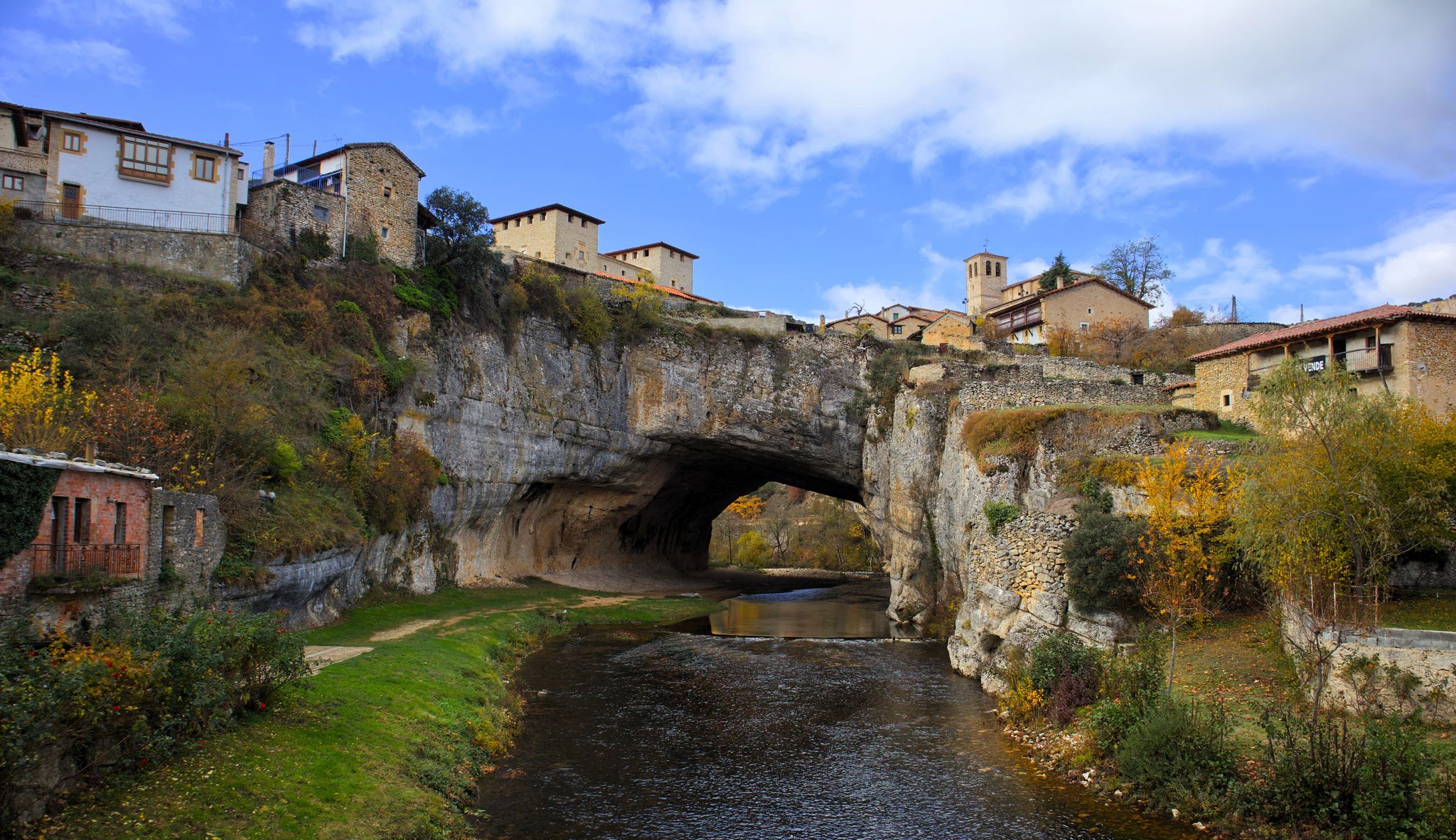
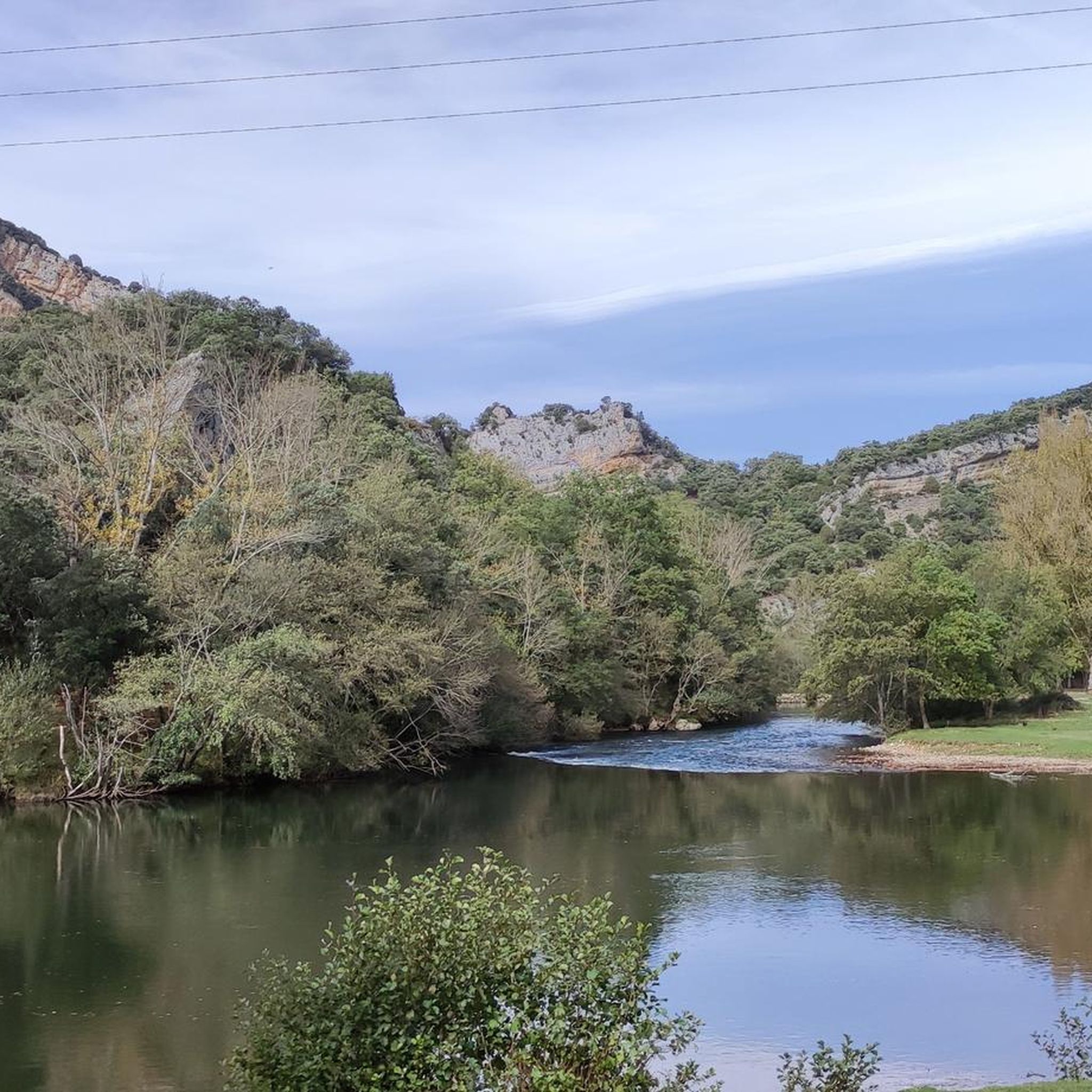
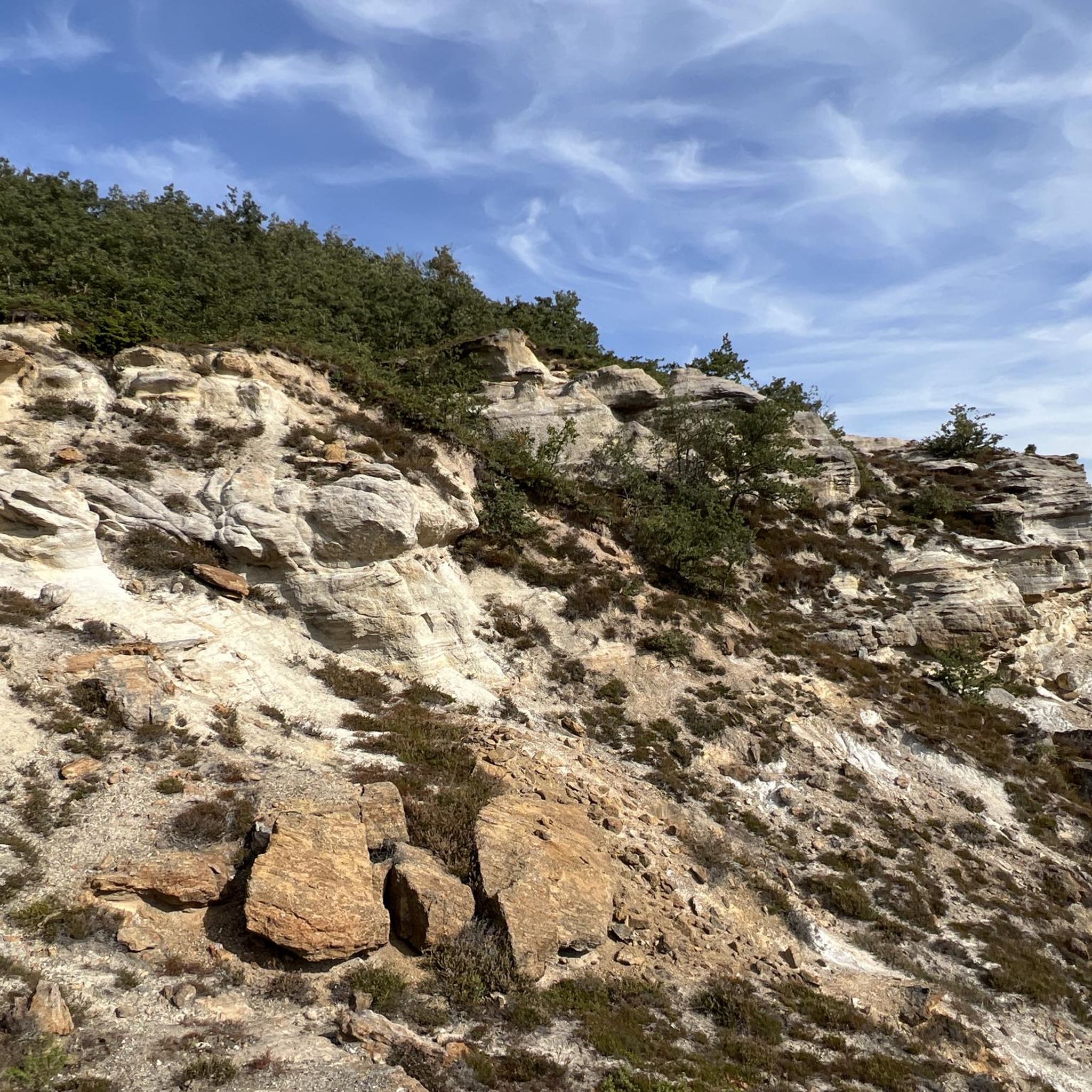
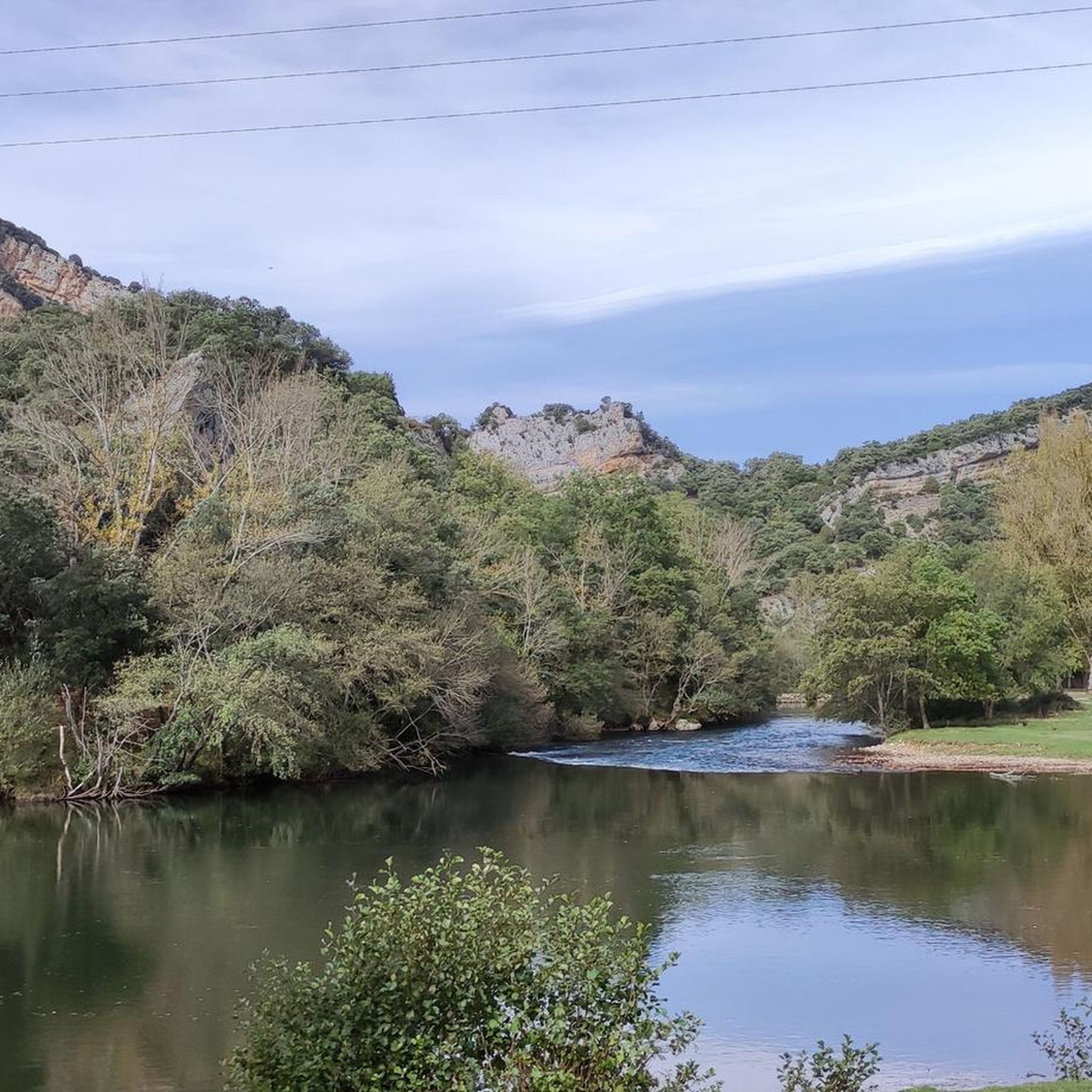

Other adventures around Los Altos

Tips from the Community

Visiting Orbaneja del Castillo is usually a fantastic experience if you like charming natural villages, photogenic spots, and a tranquil atmosphere. The village's main attraction is the waterfall that literally runs through the town, descending from the Cueva del Agua to the Ebro River. It's one of the most iconic landscapes in Burgos. Cobblestone streets, stone houses, medieval corners... It's a quick walk, but every angle is photo-worthy.
2
0
The waterfall springs from the Cueva del Agua from a height of over 20 meters, at the base of the rocky cirque that embraces the village, originating from an aquifer located in the subsoil of the Páramo de Bricia, and it leaps everywhere, dividing the village into two halves, the Villa and the Puebla, and descends among the stone houses, creating a most photogenic scene.
2
0

A spectacular area for hiking trails
0
0

carry water, but go to a village to the fountain and if possible don't go on a very sunny day...
0
0

From various shades of blue, ranging from turquoise to a dark ultramarine in the deepest part. To reach the well, there's a half-kilometer walk along a beautiful path that even has a cave entrance. When we arrived, it was a beautiful day, with people swimming and a caving group who had put on their diving suits and were exploring the depths of the underwater cave. A spectacle.
2
1

Natural wonder of the karst environment of Castilla León in the province of Burgos
3
0

The waterfall is wonderful, but the town is not far behind.
2
0
It is beautiful on its own, but if we add the depths of the town from which it arises... visit it!
7
0
Frequently Asked Questions
What are the most popular natural attractions around Los Altos?
The most popular natural attraction is the Turquoise Pools and Waterfalls of Orbaneja del Castillo, a unique waterfall that flows through the town, creating picturesque karst landscapes. Another highly appreciated natural monument is the Orbaneja del Castillo Rock Formations, offering scenic viewpoints of the surrounding area.
Are there any historical sites or settlements to visit in the Los Altos region?
Yes, Villarcayo is a notable settlement with significant railway heritage, preserving remains of the old Santander-Mediterranean line. Additionally, you can explore the Chozos de la Estilla, which are traditional stone or branch huts used by shepherds and farmers, offering a glimpse into historical rural life.
What unique natural phenomena can I find in Los Altos?
The region is known for its dramatic karst landscapes. The Turquoise Pools and Waterfalls of Orbaneja del Castillo are unique because the waterfall emerges from the Cueva del Agua and crosses the town itself before falling into the Ebro River. Another fascinating site is the Pozo Azul de Covanera, a spring known for its intensely blue, deep waters.
What kind of outdoor activities can I do near these attractions?
The Los Altos region offers a variety of outdoor activities. You can find numerous routes for road cycling, gravel biking, and running. For example, there are challenging road cycling routes like the Manzanedo Valley and Ebro River Loop, and gravel biking options such as the Gravel route through the upper Ebro. Running enthusiasts can explore trails like the Mirador del Cañón del Ebro loop. You can find more details on these activities and routes in the dedicated guides for Road Cycling, Gravel Biking, and Running Trails around Los Altos.
Are there any good viewpoints to appreciate the landscape?
Absolutely. The Orbaneja del Castillo Rock Formations provide excellent scenic viewpoints of the rocky cliffs surrounding the town and its famous waterfall. These formations are particularly striking at sunset.
What is special about the railway heritage in Los Altos?
The settlement of Villarcayo is a key site for railway heritage. Its old Villarcayo-Horna station preserves significant remains of the Santander-Mediterranean line, including an old machine, water tanks, platforms, and other structures from the railway service dismantled in 1985.
Can I explore caves or gorges in the Los Altos area?
Yes, the region features several impressive geological formations. The Turquoise Pools and Waterfalls of Orbaneja del Castillo emerge from the Cueva del Agua (Water Cave). Additionally, the Pozo Azul de Covanera is a unique cave-like spring with deep blue waters, and the Orbaneja del Castillo Rock Formations are part of a larger gorge system.
What do visitors enjoy most about the attractions in Los Altos?
Visitors are particularly captivated by the unique beauty of the Turquoise Pools and Waterfalls of Orbaneja del Castillo, often describing the turquoise water pools as a 'dreamlike natural treasure' and a 'special and magical place'. The impressive rocky cliffs and the historical charm of settlements like Villarcayo also receive high praise.
Are there any specific trails for running near the attractions?
Yes, there are several running trails available. For instance, you can try the moderate 8.6 km 'Mirador del Cañón del Ebro — circular Parque Natural Hoces del Alto Ebro y Rudrón' route, or the more challenging 20.5 km 'Hoz de Orbaneja del Castillo – Orbaneja del Castillo loop from Escalada'. For more options, refer to the Running Trails around Los Altos guide.
What kind of terrain can I expect on cycling routes in Los Altos?
Cycling routes in Los Altos offer varied terrain. Gravel biking routes, such as the 'Gravel route through the upper Ebro', can feature uneven surfaces, high slopes, and narrow paths, sometimes requiring you to carry your bike over walkways. Road cycling routes, like the 'Manzanedo Valley and Ebro River Loop', generally follow paved roads through scenic landscapes. Details on difficulty and terrain can be found in the respective Road Cycling and Gravel Biking guides.
Are there any historical monuments or structures besides railway heritage?
Yes, the Chozos de la Estilla are considered man-made monuments and historical sites. These traditional huts, built from branches or stone, offer insight into the shelters used by shepherds and farmers in mountainous and rural areas.
Most popular routes around Los Altos
Most popular attractions around Los Altos

Get inspired with the komoot mobile app


Explore more
Still not found the Highlight you’re looking for? See guides of the top attractions in other regions:
