Attractions and Places To See around Capellades - Top 20
Best attractions and places to see around Capellades include historical sites, natural formations, and cultural landmarks. Situated on the Anoia River, the town is known for its papermaking heritage and unique geological features like the Capelló Escarpment. Visitors can explore a blend of historical buildings and significant archaeological sites. The area offers diverse points of interest reflecting its rich history and natural landscape.
Best attractions and places to see around Capellades
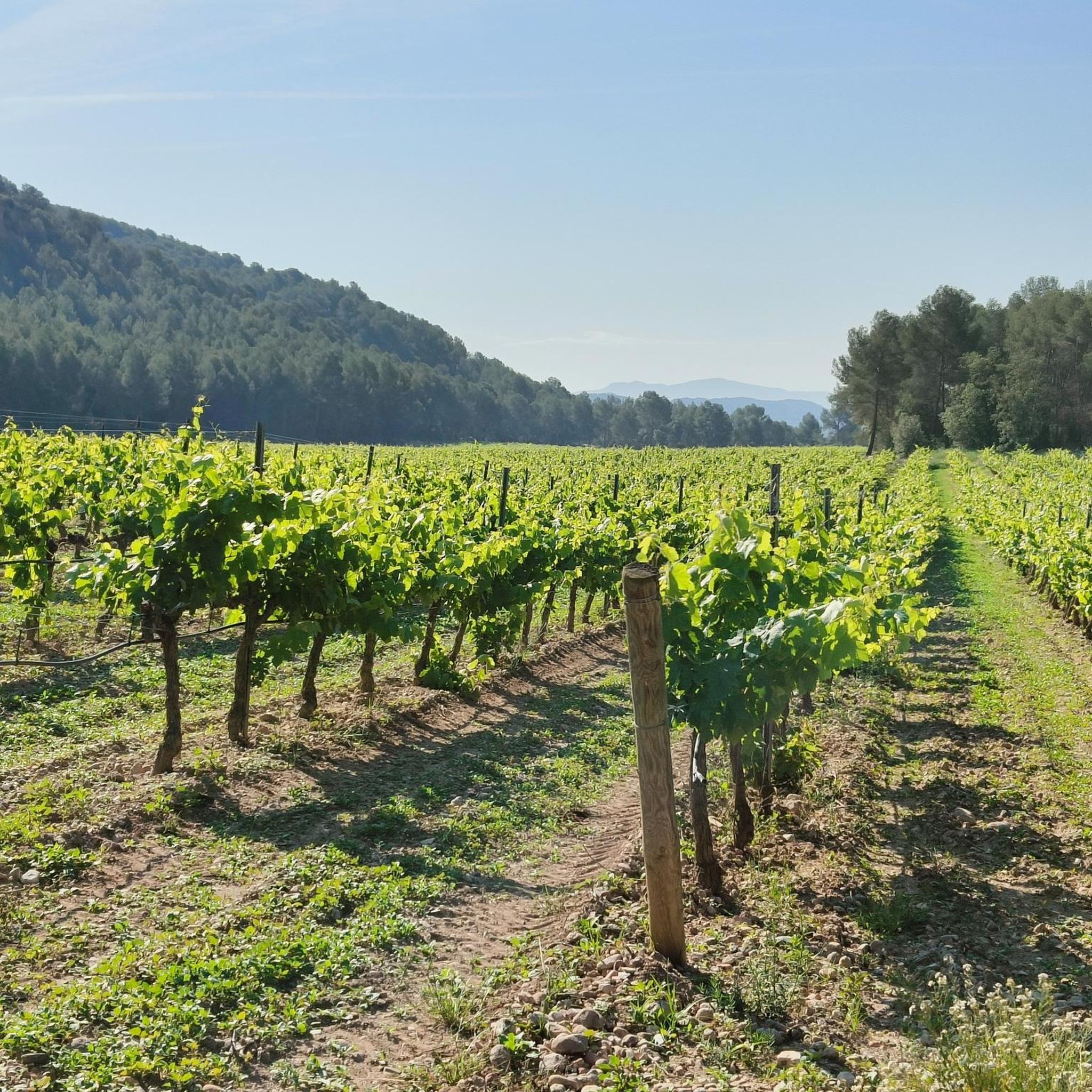
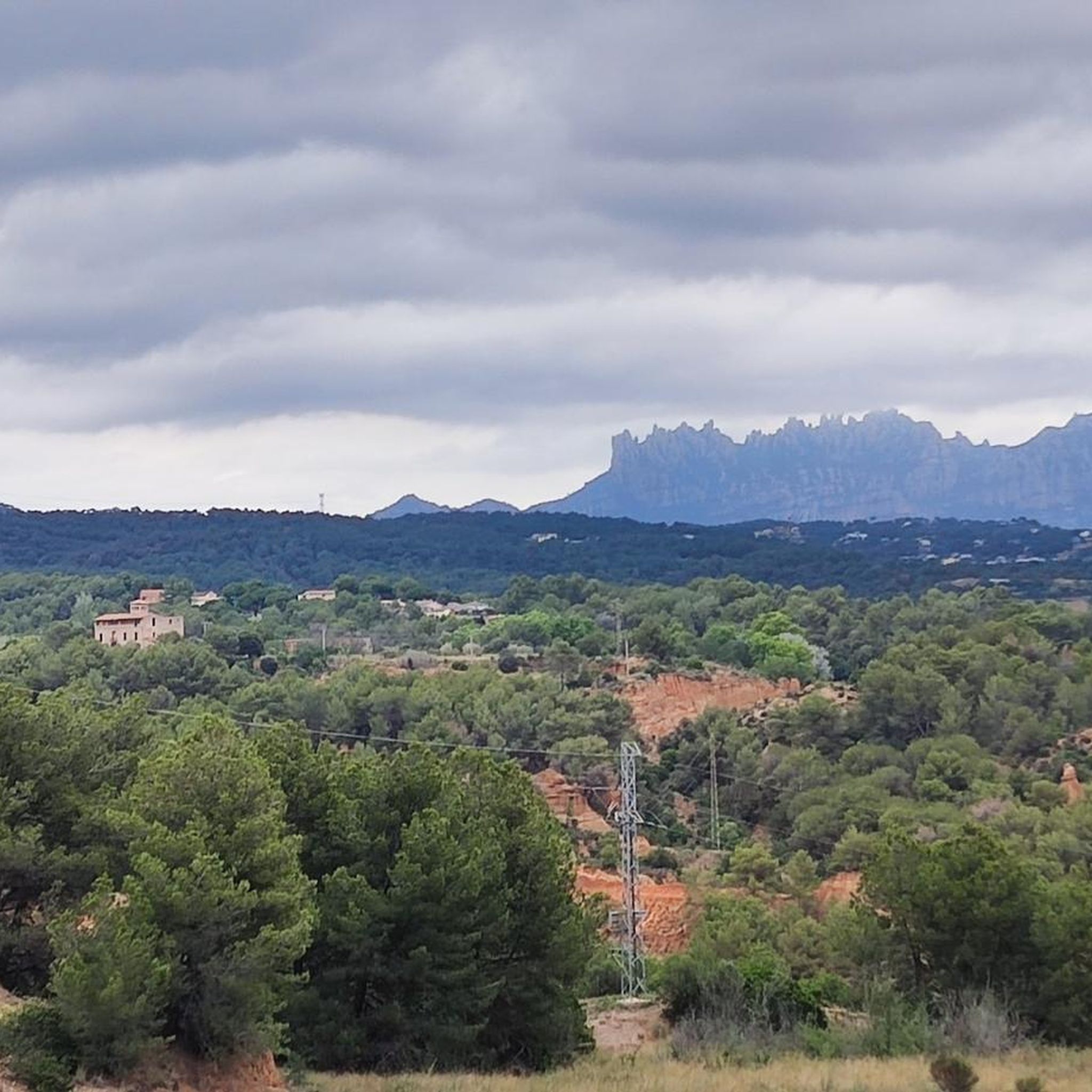
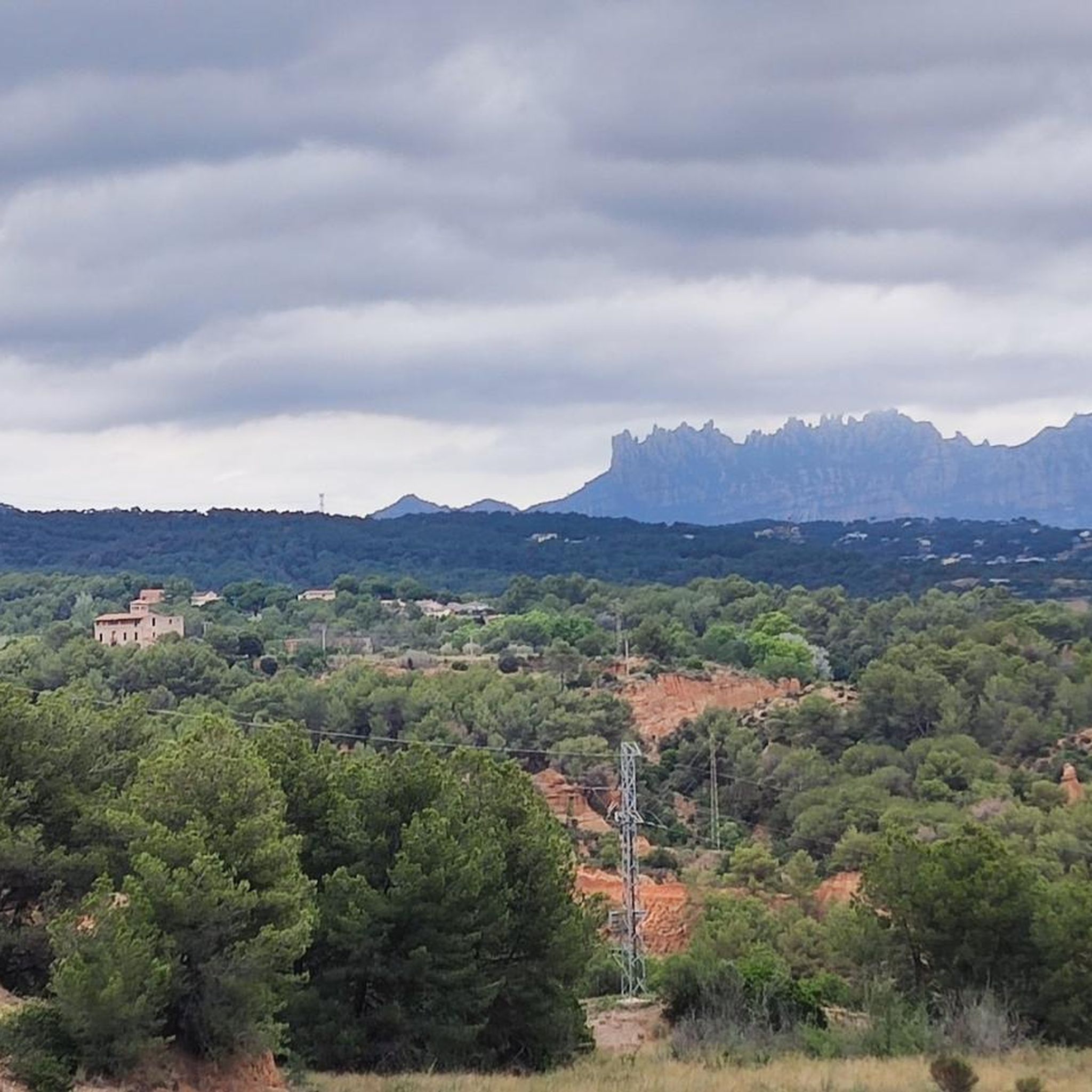
- The most popular attractions is L'Avellà, a settlement that serves as an obligatory step on the ascent to Alto de Font-rubí, surrounded by vineyards and country houses. It is a picturesque corner of the Penedès with beautiful landscapes and views.
- Another must-see spot is Parish Church of Sant Quintí, a religious building with a history dating back to 962. Although the original Romanesque structure was rebuilt in 1567, it features sgraffito exterior and historical significance.
- Visitors also love Claramunt Castle, a 10th-century Romanesque medieval castle. It is located on a hill overlooking the Anoia River valley, offering spectacular views of the surrounding area.
- Capellades is known for historical sites, natural viewpoints, and cultural heritage. The region offers a variety of attractions to see and explore, from ancient castles to significant archaeological sites.
- The attractions around Capellades are appreciated by the komoot community, with 31 upvotes and 3 photos shared across the highlights.
Last updated: May 10, 2026
L'Avellà
Highlight • Settlement
Among these constructions, the Villa Josefa Formosa stands out, a building with a square floor plan and covered with an Arab tile pavilion built in 1902. It is currently renovated and works as a wine tasting room for the Heretat Mont-Rubí winery, which is based in the same locality.
Another singular house is Can Gol, a farmhouse built at the beginning of the 20th century that stands out for its noucentista style, especially for the use in all the openings of its façade of blue tile frames, alternating designs of white and blue squares and a border of blue rhombuses. . The frontal figure of Sant Jordi and the dragon stands out, also made from a tile mosaic.
Translated by Google •
Tip by

Claramunt Castle
Highlight • Castle
The castle sits on a hill 453 m high, and occupies an area of 5,400 m².
Visiting hours
**From 01.05 to 30.09** Morning: 10 - 1.30 pm (+30) / Afternoon: 4 - 6.30 pm (+30)
**From 01.10 – 30.04** Morning: 9.30 – 1.30 pm (+30) / Afternoon: 3 – 4.30 pm (+30)
From Wednesday to Sunday, including public holidays. Closed on non-holiday Mondays and Tuesdays, December 25 and 26 and January 1 and 6.
Translated by Google •
Tip by

Sign up now to discover places like this
Get recommendations on the best single tracks, peaks, & plenty of other exciting outdoor places.
Sign up for free
Parish Church of Sant Quintí
Highlight • Religious Site
The church was rebuilt in 1567, becoming the property of the Barcelona Cathedral. In the following years he carried out various renovations, including the addition of an altarpiece by the Milanese painter Joan Baptista Toscano and various images by the Catalan baroque artist Agustí Pujol. In successive centuries the church was expanded and in the 1950s, after the damage suffered during the civil war, the sgraffito exterior that can be seen today was painted.
Translated by Google •
Tip by
La Vinya Nova
Highlight • Restaurant
There is a large enough car park apart from the one next to the restaurant.
Translated by Google •
Tip by

Sant Pere de Riudebitlles Aqueduct
Highlight • Bridge
Translated by Google •
Tip by

Sign up for free to discover even more attractions around Capellades.
Sign up for free
Already have an account?
Start today with a free account
Your next adventure awaits.
Login or Signup
Other adventures around Capellades

Tips from the Community

For all fitness levels, experience with the bike is required if you are riding on wet/damp terrain as the bike may skid, you may need to push the bike in some sections.
0
0

A very beautiful ruin that can be visited. Check online beforehand to see if it is open 😎
0
0

It is a beautiful town in a very pleasant and quiet place, with very beautiful landscapes and views. You have to enjoy these places to practice cycling.
0
0

Documented for the first time in 962, it was listed as a monastic house dependent on the Ripoll monastery and since the 12th century it had housed a community of Benedictines. Practically nothing remains of the primitive Romanesque church, since in 1541 a mob of Frenchmen burned down the town, leaving the monastic house and the church collapsed. The church was rebuilt in 1567, becoming the property of the Barcelona Cathedral. In the following years he carried out various renovations, including the addition of an altarpiece by the Milanese painter Joan Baptista Toscano and various images by the Catalan baroque artist Agustí Pujol. In successive centuries the church was expanded and in the 1950s, after the damage suffered during the civil war, the sgraffito exterior that can be seen today was painted.
1
0

Claramunt Castle is a Romanesque fortress from the 10th century. It is located on a hill that dominates all the surrounding lands and the course of the Anoia River, so it enjoys magnificent views.
0
0

This is an old stone aqueduct that saves the passage of the river and that allowed in past times to bring water to the town near the construction, Sant Pere de Riudebitlles.
0
0
Castle that is located above the center of La Pobla de Claramunt on its west side and that offers spectacular views of the entire valley of the Anoia River and the mountains that surround it.
0
0

Aqueduct located in the municipality of Sant Pere de Riudebitlles (Alt Penedès) dating from 1712. It is listed as Architectural Heritage of Catalonia. It is an aqueduct with a large arch on one side and two floors of two arches on the other side.
0
0
Frequently Asked Questions
What historical sites can I explore around Capellades?
Capellades is rich in history. You can visit the Claramunt Castle, a 10th-century Romanesque medieval castle offering spectacular views of the Anoia River valley. Another significant site is the Parish Church of Sant Quintí, which has a history dating back to 962 and features sgraffito exterior. Don't miss the Capellades Paper Mill Museum, located in an 18th-century mill, showcasing the town's papermaking heritage. For prehistory enthusiasts, the NEAN - Capellades Prehistoric Park and Abric Romaní Archaeological Site is a must-see, revealing insights into Neanderthal life.
Are there any natural landmarks or viewpoints to visit near Capellades?
Absolutely. The region offers several natural highlights. The Capelló Escarpment (Cinglera del Capelló) is a unique geological formation of travertine rock, about a kilometer long and 50 meters high, providing a stunning natural backdrop. You can also visit The Reservoir (La Bassa), a natural spring that historically supplied water to the paper mills and delivers 12 million liters daily. For scenic views, the Claramunt Castle offers panoramic vistas of the Anoia River valley, and the settlement of L'Avellà provides beautiful landscapes and views surrounded by vineyards.
What family-friendly attractions are available in the Capellades area?
Families can enjoy several attractions. The Capellades Paper Mill Museum offers an engaging experience where visitors can learn about artisanal paper production. The NEAN - Capellades Prehistoric Park and Abric Romaní Archaeological Site provides an educational journey into prehistory. The settlement of L'Avellà is also considered family-friendly, with its picturesque setting amidst vineyards and country houses. Additionally, the restaurant La Vinya Nova is noted as family-friendly and offers ample parking.
What outdoor activities can I do near these attractions?
The Capellades area is excellent for outdoor activities. You can explore various routes for gravel biking, running, and road cycling. For gravel biking, consider routes like the 'Paper Mill – Riu Anoia Dam loop' or 'Can Sabaté – View of Castellfollit del Boix loop'. Runners can enjoy trails such as the 'PR-C 119 Conca d'Òdena Loop' or 'Tres Mollons Circular Trail'. Road cyclists have options like the 'Coll de les Ventoses Climb' or 'Prehistoric Park of Capellades – Castell d'Òdena loop'. You can find more details and routes in the Gravel biking around Capellades, Running Trails around Capellades, and Road Cycling Routes around Capellades guides.
Are there any specific hiking trails or walking routes recommended near Capellades?
While specific hiking trails are not detailed for individual attractions, the region offers various running and cycling routes that can be adapted for walking. For example, the 'Tres Mollons Circular Trail' (7.47 km, moderate difficulty) or the 'PR-C 119 Conca d'Òdena Loop' (7.88 km, difficult) are popular running trails that can also be enjoyed as longer walks. For more options, refer to the Running Trails around Capellades guide.
What is the best time of year to visit Capellades for sightseeing and outdoor activities?
Capellades can be enjoyed throughout much of the year. Spring and autumn generally offer pleasant temperatures for exploring historical sites and engaging in outdoor activities like cycling and walking. Summers can be warm, but the natural springs and the Anoia River provide opportunities for cooler experiences. Winter is milder, making it suitable for sightseeing, though some outdoor activities might be less comfortable.
What is the significance of water in Capellades' history and attractions?
Water is central to Capellades' identity. The town is situated on the Anoia River, and its abundance of water historically fueled its papermaking industry. The Capellades Paper Mill Museum is located next to 'La Bassa,' a natural spring that supplied water to 16 paper mills. Traditional streets feature water-related landmarks like the Corronaire Canal, public lavoir, Carquinyoli spring, and Cuitora Spring Park, all highlighting the constant presence of water in the town's development.
Can I find any hidden gems or less-known spots in the Capellades area?
Beyond the main attractions, you can discover charming spots like the Molins de la Costa, which are the remains of old paper mills visible from the Mirador de la Miranda viewpoint. The Font de la Reina hamlet, a historic stop on the old royal road, features a fountain with a sculpted female bust. For a natural retreat, Salt Dalmau offers a picturesque pool with blue and green waters, a tranquil spot away from the crowds.
Are there any notable architectural or historical buildings besides the main castle and church?
Yes, Capellades features several other historical buildings. You can admire the stately Casa Bas from 1801, the convent of Divina Pastora, and the 19th-century Casa Llorens and Casa Ubach. Early 20th-century constructions like the Societat de la Lliga (1901) and Casa de la Vila (1905) also contribute to the town's architectural heritage. Additionally, the Sant Pere de Riudebitlles Aqueduct, dating from 1712, is an impressive man-made monument nearby.
What do visitors particularly enjoy about the attractions around Capellades?
Visitors appreciate the blend of historical significance and natural beauty. For instance, the Claramunt Castle is loved for its spectacular views of the Anoia River valley and its rich Romanesque history. The settlement of L'Avellà is praised for its beautiful landscapes, quiet atmosphere, and suitability for cycling amidst vineyards. The historical depth of sites like the Capellades Paper Mill Museum and the Abric Romaní Archaeological Site also captivates those interested in the region's past.
Is there parking available at the main attractions?
For some attractions, parking is available. For example, the restaurant La Vinya Nova, which is also a settlement, has a large car park. When visiting the Capellades Paper Mill Museum or the Prehistoric Park, you will typically find designated parking areas nearby. It's always advisable to check local signage for specific parking regulations at each site.
Most popular routes around Capellades
Most popular attractions around Capellades

Get inspired with the komoot mobile app


Explore more
Still not found the Highlight you’re looking for? See guides of the top attractions in other regions:
