The best cycling routes around Capellades
4.6
(89)
3,245
riders
213
rides
Touring cycling routes around Capellades navigate a diverse landscape in the Anoia region of Catalonia, characterized by the Anoia River valley, the dramatic Capelló Escarpment, and proximity to the vineyard-laden Alt Penedès. The terrain offers a mix of paved and unpaved sections, with routes ranging from gentle river paths to challenging ascents through hills. This area provides varied cycling experiences, from exploring historical sites to traversing agricultural lands.
Best touring cycling routes around Capellades
- The most popular touring cycling route…
Last updated: October 29, 2026
4.6
(8)
68
riders
43.9km
02:52
580m
580m
Hard bike ride. Very good fitness required. Mostly paved surfaces.
5.0
(1)
27
riders
Moderate bike ride. Good fitness required. Mostly paved surfaces.

22
riders
52.6km
05:15
1,120m
1,120m
Hard bike ride. Very good fitness required. You may need to push your bike for some segments of this route.
5.0
(1)
10
riders
22.5km
02:03
430m
430m
Hard bike ride. Good fitness required. You may need to push your bike for some segments of this route.
9
riders
37.8km
02:35
630m
630m
Hard bike ride. Very good fitness required. Mostly paved surfaces.
Get access to more routes and recommendations from other explorers.
Already have an account?
Our route recommendations are based on thousands of hikes, rides, and runs completed by other people on komoot.
Start today with a free account
Your next adventure awaits.
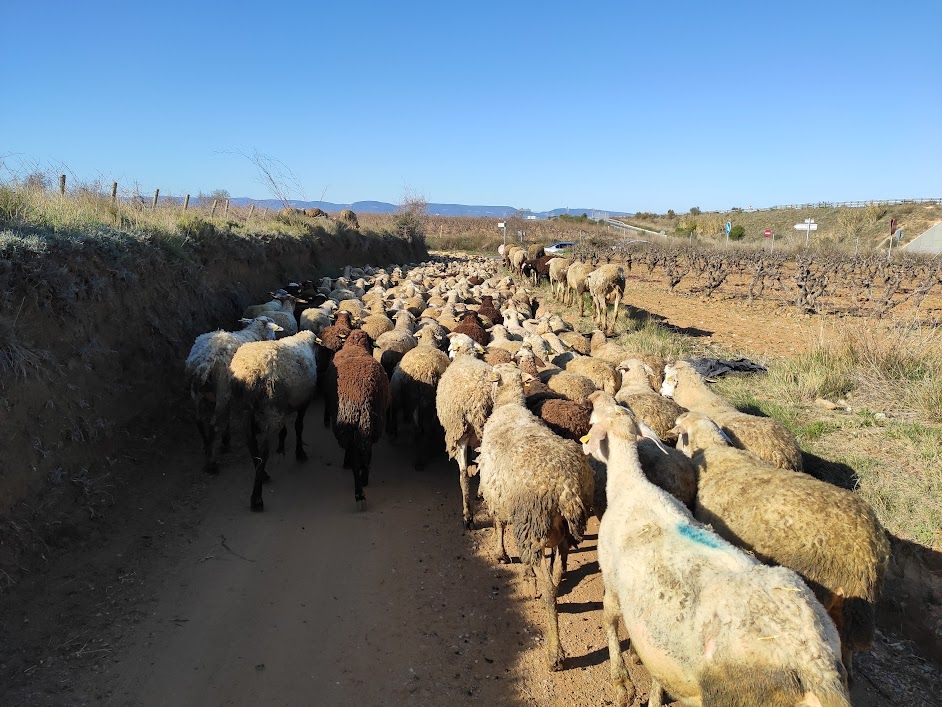
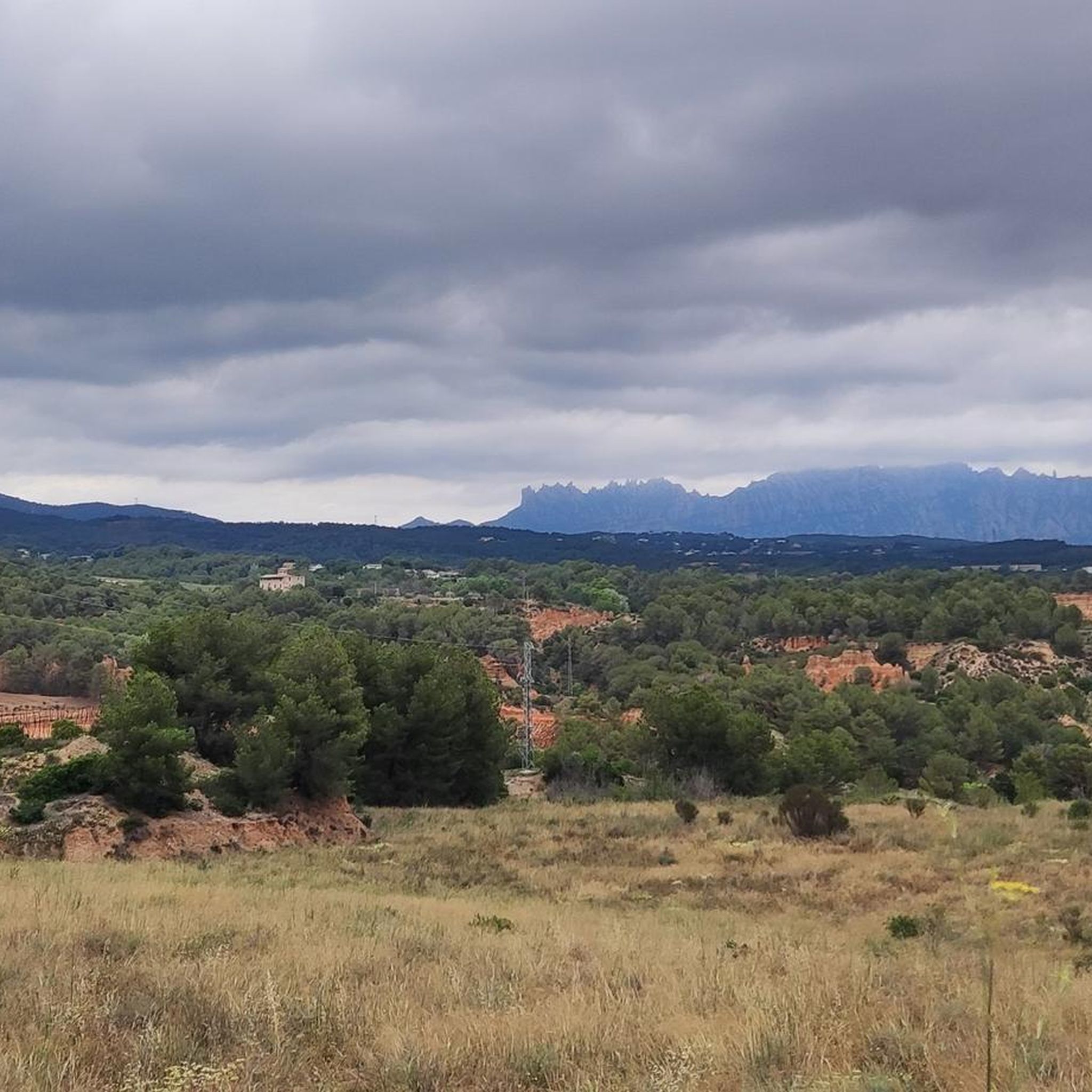
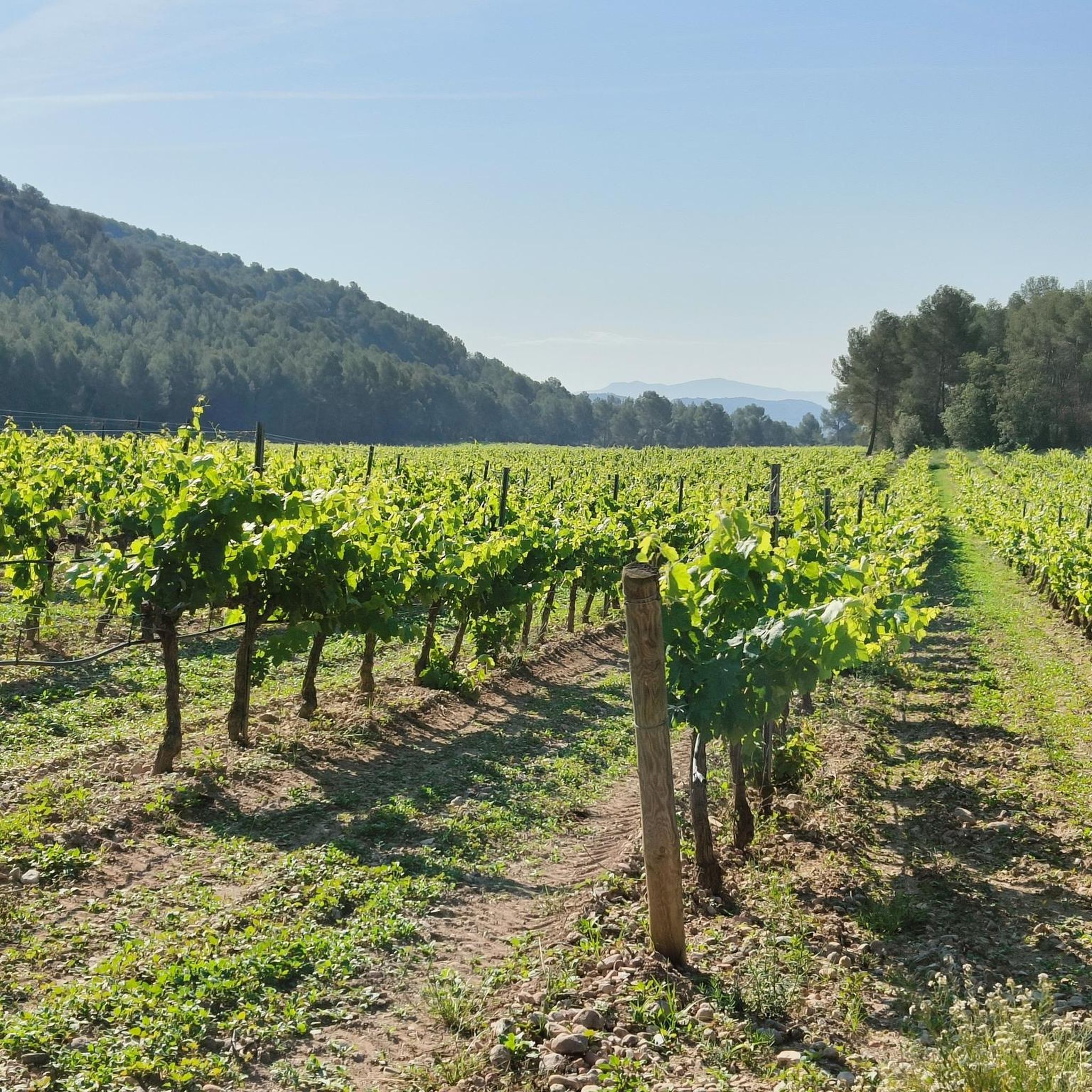
Other adventures around Capellades

Tips from the Community

La vía Blava recorre el curso del Anoia y atraviesa preciosos paisajes rivereños y agrícolas en un recorrido ideal para toda la familia.
0
0
Igualada has been an important crossroads between Barcelona and Lleida on the course of the Anoia since the Middle Ages. It is currently a thriving industrial city, especially in the textile sector. This peculiarity is a legacy of its leatherworking history, of which it was one of the most important tanning centers in medieval Europe. One of its main attractions is the Leather Museum.
1
0

For all fitness levels, experience with the bike is required if you are riding on wet/damp terrain as the bike may skid, you may need to push the bike in some sections.
0
0

Documented for the first time in 962, it was listed as a monastic house dependent on the Ripoll monastery and since the 12th century it had housed a community of Benedictines. Practically nothing remains of the primitive Romanesque church, since in 1541 a mob of Frenchmen burned down the town, leaving the monastic house and the church collapsed. The church was rebuilt in 1567, becoming the property of the Barcelona Cathedral. In the following years he carried out various renovations, including the addition of an altarpiece by the Milanese painter Joan Baptista Toscano and various images by the Catalan baroque artist Agustí Pujol. In successive centuries the church was expanded and in the 1950s, after the damage suffered during the civil war, the sgraffito exterior that can be seen today was painted.
1
0
The Museu Molí Paperer de Capellades is a museum dedicated to the paper industry, located in the town of Capellades, in the Catalan region of l'Anoia. The museum occupies the old premises of a paper mill, called Molí de la Vila, which preserves the structure of the paper mills of the 18th century. Next to the building there is an artificial lake fed by a water source, known as the "bassa" and which is fed by the Carme - Capellades aquifer. The museum explains the history of papermaking, and preserves original tools for manual papermaking. In fact, in its underground premises paper is still made with these artisanal techniques.
0
0
The Capellades prehistoric park is a cultural facility located in the Cinglera del Capelló, the cliff on which the town of Capellades sits, in the Catalan region of l'Anoia. This area, in addition to its geological and landscape value, has great archaeological value, due to the presence of around twenty sites from various periods. The cliff itself is one of the park's attractions. Its origin is in the action of carbonated waters that, by fossilizing plant colonies, form fall travertines, a type of fossil waterfall that is locally called "capellons". Its growth formed cornices, grottoes and caves that were used as shelter by groups of prehistoric settlers. One of these caves constitutes the best preserved Paleolithic archaeological site in the complex, known as "l'Abric Romaní", used as a refuge by groups of Neanderthals and which has been excavated since 1983.
0
0
This fountain is located on a road very frequented by road cyclists, since it is located in a section whose passage is mandatory if you go to or come from Sant Quintí de Mediona, Canaletes, Sant Joan de Mediona or Capellades. The water that flows from the pipe is very fresh and tastes good, and it is not uncommon to find people filling jugs. If you politely ask to be able to fill your drum, you can skip the "turn" and thus continue your route well supplied with water.
0
0

A very nice walk along the river. But you should be prepared for a strong smell from the municipal sewage treatment plant. Otherwise really a nice way 🤪😎
0
0
Frequently Asked Questions
What kind of terrain can I expect on touring cycling routes around Capellades?
The Capellades area offers a diverse cycling landscape. You'll find a mix of paved and unpaved sections, from gentle river paths along the Anoia River to challenging ascents through hills and vineyards. The region is known for its varied terrain, catering to different fitness levels.
Are there routes suitable for less experienced touring cyclists in Capellades?
While many routes in Capellades are considered difficult, there are also moderate options available. For instance, the Prehistoric Park of Capellades – Riu Anoia Dam loop from la Pobla de Claramunt is a moderate route that offers a scenic ride. The 'Vies Blaves Anoia' also provides comfortable, accessible sections along the river.
What natural features and viewpoints can I discover along the cycling routes?
Capellades is rich in natural beauty. You can cycle past the dramatic Capelló Escarpment, explore the Anoia River valley with its unique water features like the Bassa (a large open-air reservoir), and discover various springs. The nearby Alt Penedès region also offers scenic routes through vineyards. For specific natural highlights, consider visiting Les Deus Fountains or the Capellades Waterfall.
Are there any historical or cultural attractions to visit while cycling in the region?
Absolutely. The region boasts several points of interest. You can cycle past the Prehistoric Park of Capellades, located on the Capelló Escarpment, which includes the significant Abric Romaní archaeological site. The Capellades Paper Mill Museum offers insight into the area's industrial heritage. Additionally, you might encounter historical structures like Claramunt Castle or Sant Quintí Castle.
What do other touring cyclists enjoy most about cycling in Capellades?
The touring cycling routes in Capellades are highly rated by the komoot community, with an average score of 4.6 stars from over 70 reviews. Cyclists often praise the diverse landscapes, which include river valleys, escarpments, and vineyards, as well as the variety of routes catering to different abilities.
Are there any circular touring cycling routes available?
Yes, many of the touring cycling routes around Capellades are designed as loops, allowing you to start and end in the same location. Examples include the challenging Riu Anoia Dam – House loop from Capellades and the Prehistoric Park of Capellades – Pujol d'Orpinell loop from Capellades.
What is the best time of year for touring cycling in Capellades?
The climate in Catalonia is generally hospitable year-round, making Capellades a viable cycling destination for much of the year. Spring and autumn typically offer the most pleasant temperatures for touring, but even winter can be suitable on milder days.
Are there family-friendly touring cycling options in the Capellades area?
While many routes are challenging, the 'Vies Blaves Anoia' is a 19-kilometer route along the Anoia River that is accessible for both walking and cycling, featuring comfortable, safe off-road sections that connect villages. This can be a good option for families looking for a more relaxed ride.
Where can I find parking for touring cycling routes in Capellades?
Capellades and surrounding villages typically offer public parking areas. For specific routes, it's advisable to check the starting point of your chosen tour on komoot, as many routes begin from accessible locations with parking facilities in or near towns like Capellades or la Pobla de Claramunt.
Can I combine touring cycling with wine tasting in the Capellades region?
Absolutely. Capellades is close to the Alt Penedès region, renowned for its vineyards. Many rural paths traditionally used for farming have been refurbished into excellent cycling paths, allowing for scenic 'bike trails through vineyards' and opportunities for wine tasting adventures at local cellars.
How long do touring cycling routes in Capellades typically take?
The duration of routes varies significantly based on distance and difficulty. For example, the Riu Anoia Dam – House loop from Capellades, a 45.3 km difficult route, takes approximately 2 hours 58 minutes. Longer, more challenging routes like the Prehistoric Park of Capellades – Pujol d'Orpinell loop from Capellades (54 km) can take over 5 hours.
What are the elevation gains like on touring cycling routes around Capellades?
Elevation gains vary widely, reflecting the diverse terrain. While some river paths are relatively flat, many routes, especially those rated difficult, involve significant ascents. For instance, the Celler de la Guàrdia – Coll del Bruc loop from la Pobla de Claramunt includes over 600 meters of elevation gain, offering challenging climbs and rewarding views.
Most popular routes around Capellades
Most popular attractions around Capellades

Get inspired with the komoot mobile app


Explore more
Browse the best Cycling routes in other regions.
