Attractions and Places To See around Miguel Esteban - Top 20
Best attractions and places to see around Miguel Esteban include historical, cultural, and natural sites reflecting its heritage in the La Mancha region. The area features religious buildings, museums, and natural lagoons. It is also closely associated with the narrative of Don Quijote, with iconic windmills nearby. This municipality in Toledo, Castile-La Mancha, offers diverse points of interest for visitors.
Best attractions and places to see around Miguel Esteban
- The most popular attraction is Windmills of Campo de Criptana,…
Last updated: June 24, 2026
Campo de Criptana Windmills
Highlight • Monument
Translated by Google •
Tip by

Sierra de los Molinos Windmills
Highlight • Monument
In 1575, the Topographical Reports of Philip II already mentioned “many mills” in the area; …
Translated by Google •
Tip by
Sign up now to discover places like this
Get recommendations on the best single tracks, peaks, & plenty of other exciting outdoor places.
Sign up for free
Ruins of the Hermitage of Santa Ana
Highlight • Religious Site
Translated by Google •
Tip by

Hermitage of Cristo de Villajos
Highlight • Religious Site
It originated from the old village of …
Translated by Google •
Tip by
Statue of Quixote and Dulcinea
Highlight • Monument
Translated by Google •
Tip by
Sign up for free to discover even more attractions around Miguel Esteban.
Sign up for free
Already have an account?
Start today with a free account
Your next adventure awaits.
Login or Signup


Tips from the Community

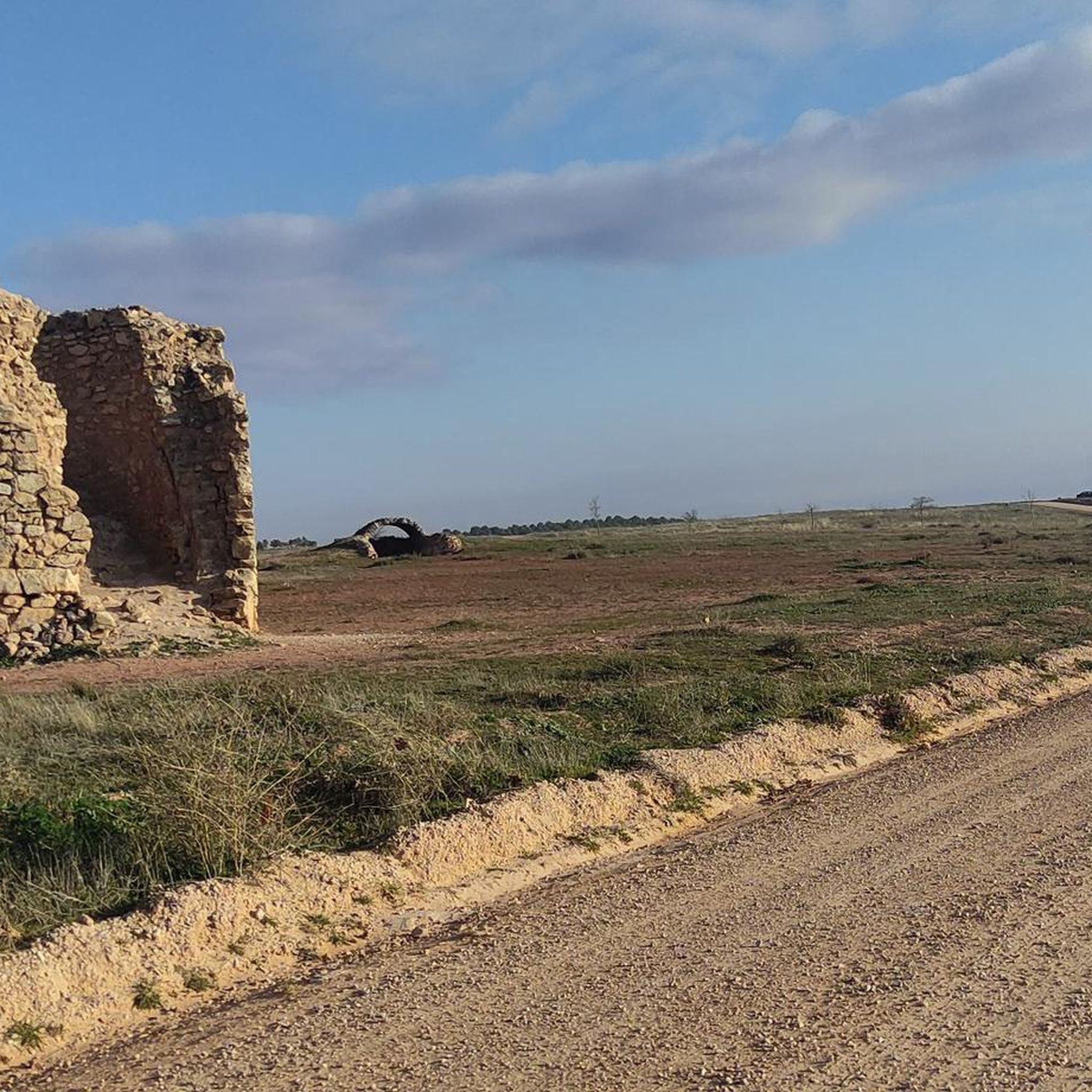
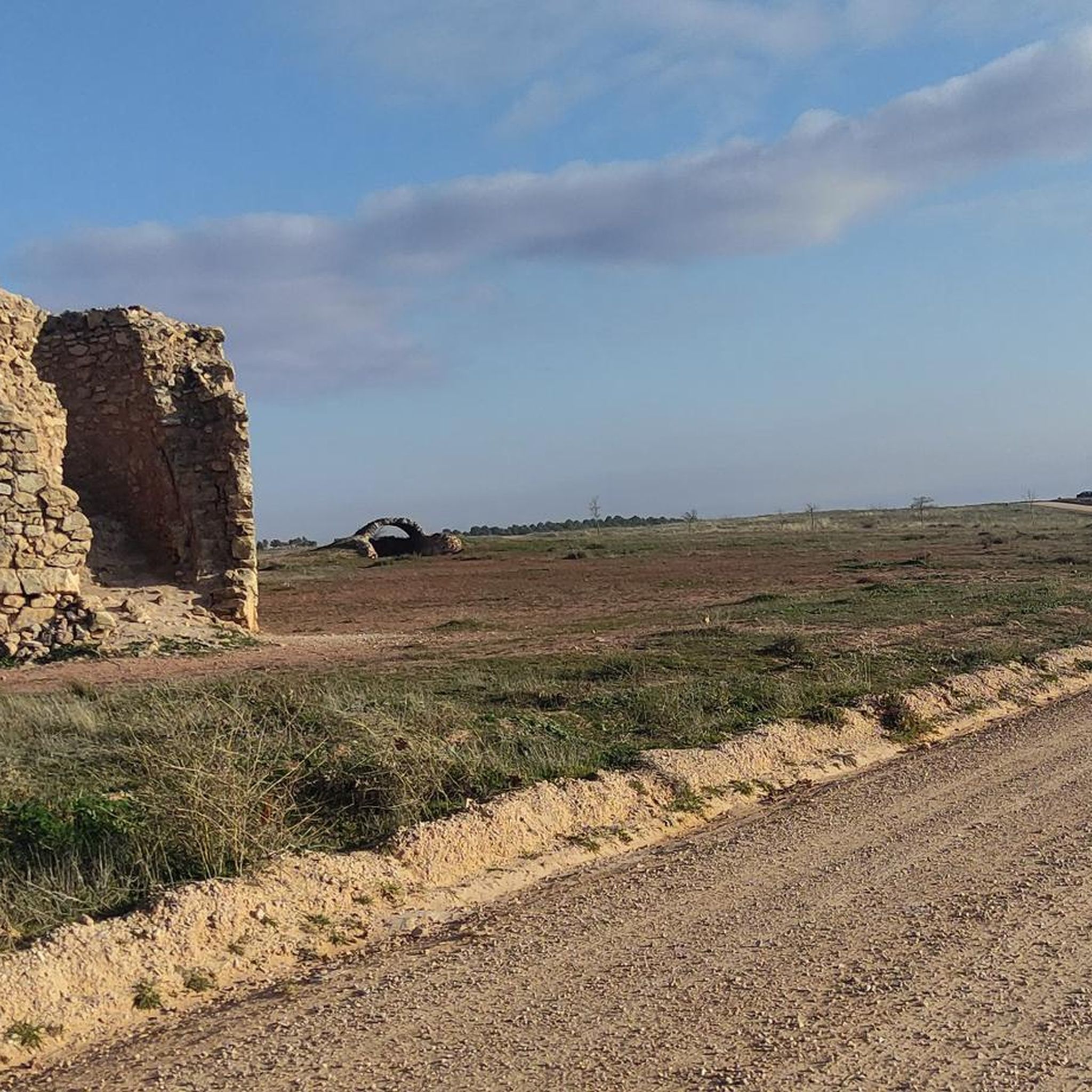
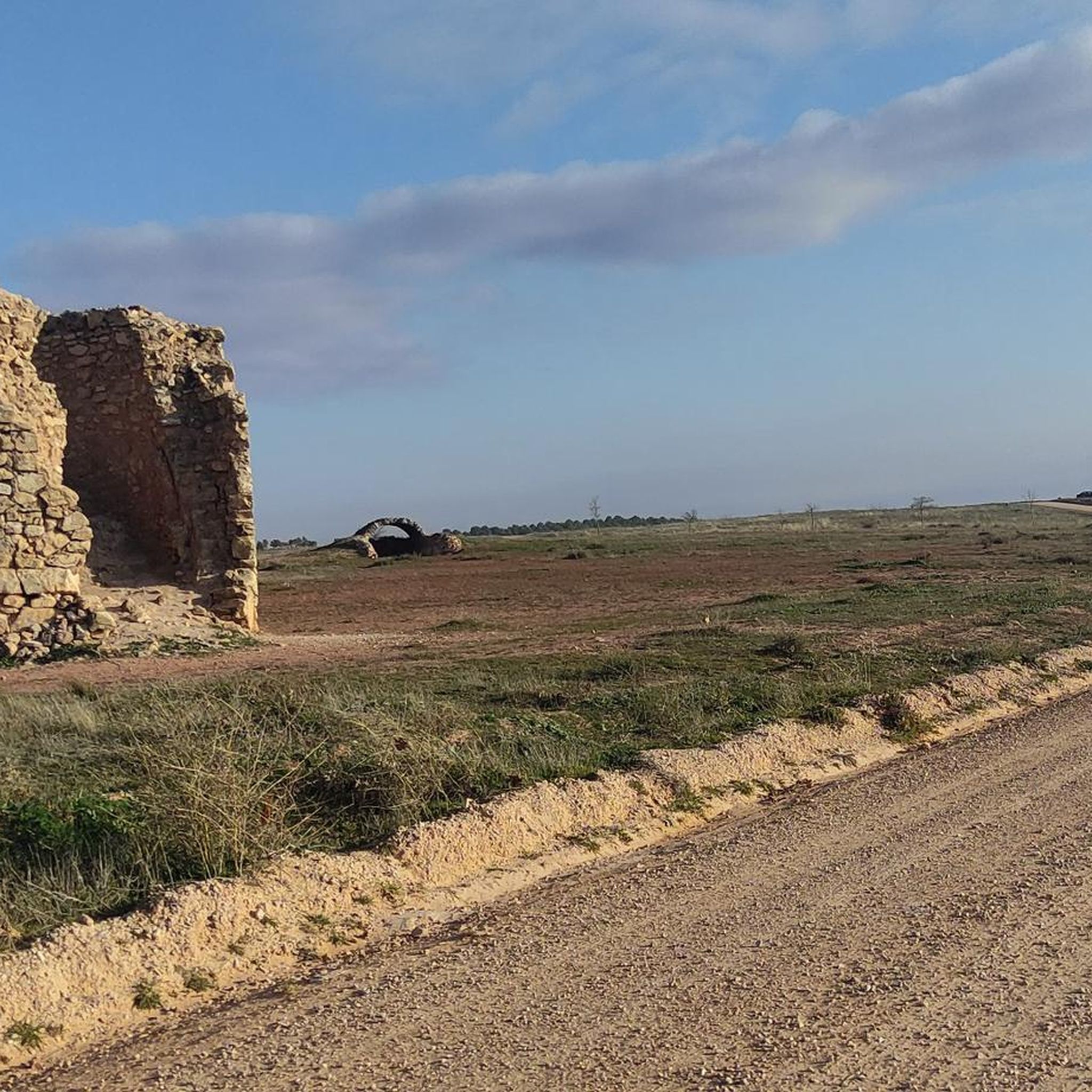
The ruins of the Ermita de Santa Ana in El Toboso (Toledo) are the remains of a 16th-century Renaissance temple. It is located outside the village, on a deserted hill.
1
0

Hill of the Mills (also known as Sierra de los Molinos) in Campo de Criptana. In 1575, the Topographical Reports of Philip II already mentioned “many mills” in the area; in 1752, the Cadastre of the Marquis of Ensenada recorded 34 mills in Campo de Criptana. Currently, 10 mills are preserved, three of them (Infante, Burleta, and Sardinero) dating from the 16th century with their original machinery. The complex has been declared a Site of Cultural Interest and designated a “Historic Site.”
6
0
The Hermitage or Sanctuary of the Holy Christ of Villajos is one of the most emblematic places in Campo de Criptana (Ciudad Real). It originated from the old village of Villajos, which was abandoned in the 14th century. The original church was dedicated to Our Lady of Villajos.
8
0

Return to the town of Campo de Criptana
0
0
The statue of Don Quixote and Dulcinea in El Toboso is one of the town's most emblematic monuments, deeply linked to the Cervantes universe. It stands in the main square of El Toboso, dedicated to Juan Carlos I, in the heart of the town. The sculptures are made of sheet iron, not cast iron, giving them a handcrafted and robust appearance.
4
0
The Sierra de los Molinos is the place where the famous windmills are built. It is the top of a hill where the open space ensures the wind that would move its blades in its time. Of the more than thirty windmills that once existed, ten of them are preserved, called: Sardinero located on the Cerro de la Paz and Burleta, Infanto, Cariari, Culebro, Inca Garcilaso, Lagarto, Pilón, Poyatos and Quimera located in the Sierra de los Molinos. Their existence inspired Cervantes to narrate "The Battle of Don Quixote against the Giants", in chapter VIII of "The Ingenious Gentleman Don Quixote of La Mancha", where Don Quixote mistook the windmills for giants against whom to fight.
1
0
These iconic mills are symbols of Campo de Criptana and all of Castilla-La Mancha. Its blades preside over the life of the town of La Mancha from above. The mills are of the “tower” type, built in masonry and whitewashed with lime. They have a circular plan pierced with small windows, which served as a guide for the orientation of the wind. This indicated where to turn the conical cover so that its blades could take advantage of the wind as desired. Each mill has three floors: the upper one with the grinding stones and the lower ones for storage and packaging. The oldest mills, such as the Sardinero, Burleta and Infante, have been standing since the 16th century and preserve their original mechanism. There are also more modern mills, such as the Inca Garcilaso, the Cariari, the Vicente Huidobro, the Pilón, the Lagarto, the Culebro and the Poyatos, which date back to 1900. Currently, some of these mills can be visited, such as the Molino Infante, the Burleta, the Culebro (which houses the Sara Montiel Museum), the Quimera (which houses the town's Holy Week Museum) and the Poyatos Mill (current tourist information point). The others are closed to the public. I hope you enjoy exploring these iconic windmills! 😊
8
0

Also beautiful to look at at dusk
2
0
Frequently Asked Questions
What historical landmarks can I explore in Miguel Esteban?
Miguel Esteban offers several historical landmarks. You can visit the Iglesia de San Andrés Apóstol, the Monasterio de la Inmaculada y San José, and the Templo Parroquial de San Antonio Abad. The town also features an Ermita de Nuestra Señora del Egido and evidence of a medieval tower, possibly of Arab origin, indicating its long history.
Are there any natural attractions or features to visit in Miguel Esteban?
Yes, Miguel Esteban is home to significant natural features. The Los Charcones are a notable point of interest, particularly the Reserva Ornitológica Los Charcones, which is important for nature enthusiasts and birdwatching. The town also features its own scenic Miguel Esteban Lagoon, known for beautiful sunset views.
What outdoor activities are available around Miguel Esteban?
The area around Miguel Esteban offers various outdoor activities, especially cycling. You can find numerous routes for road cycling, mountain biking, and touring. For example, there are routes like the 'Alcázar de San Juan and Campo de Criptana Windmills Loop' for road cycling, or the 'El Toboso Town Center – Views of Ermita de Santa Ana loop from Miguel Esteban' for mountain biking. You can explore more options on the dedicated guides for Road Cycling Routes around Miguel Esteban, MTB Trails around Miguel Esteban, and Cycling around Miguel Esteban.
Where can I find the famous windmills associated with Don Quijote near Miguel Esteban?
The iconic windmills are located in nearby Campo de Criptana. The Windmills of Campo de Criptana are a major draw, with some dating back to the 16th century and preserving their original machinery. Another excellent spot is the Sierra de los Molinos Windmills, which features 10 preserved windmills, three of which are from the 16th century. These sites offer panoramic views and are deeply intertwined with Cervantes' novel.
Are there family-friendly attractions in the Miguel Esteban area?
Many attractions in the Miguel Esteban area are suitable for families. The windmills, such as the Windmills of Campo de Criptana and the Sierra de los Molinos Windmills, are categorized as family-friendly. Religious sites like the Hermitage of Cristo de Villajos and the Hermitage of the Virgin of Criptana also welcome families.
What religious sites are notable in and around Miguel Esteban?
Beyond the local churches in Miguel Esteban, you can visit several significant religious sites nearby. The Hermitage of Cristo de Villajos, located about 4 km from Campo de Criptana, houses the image of the patron saint of Campo de Criptana. Another important site is the Hermitage of the Virgin of Criptana, a 16th-century Renaissance-style building offering 360° views from its hilltop location.
Can I find museums in Miguel Esteban?
Yes, Miguel Esteban offers unique cultural insights through its museums. You can visit the Museo de Humor Gráfico Dulcinea, dedicated to graphic humor, and the Museo Etnográfico, which provides insight into local history and customs.
What kind of views can I expect from attractions near Miguel Esteban?
Many attractions near Miguel Esteban offer impressive views. The Windmills of Campo de Criptana and the Sierra de los Molinos Windmills provide extensive views of the surrounding La Mancha region. Similarly, the Hermitage of the Virgin of Criptana, situated on a hilltop, offers unbeatable 360° panoramic views, especially beautiful at sunset.
What do visitors particularly enjoy about the attractions around Miguel Esteban?
Visitors frequently praise the historical significance and scenic beauty of the area. The iconic windmills are often highlighted for their unique charm and the spectacular views they offer. The religious buildings are appreciated for their architectural heritage and the peaceful atmosphere. The komoot community has shared over 55 photos and given more than 40 upvotes, indicating a strong appreciation for the diverse points of interest.
What is the connection between Miguel Esteban and Don Quijote?
Miguel Esteban has a strong connection to Cervantes' famous novel, Don Quijote. Some scholars even speculate it could have been an inspiration for the unnamed 'lugar de La Mancha.' This literary tie is celebrated through events like the 'Ruta del Quijote.' Additionally, the nearby Windmills of Campo de Criptana are famously associated with Don Quijote's battle against the 'giants,' and the Museo-Casa de Dulcinea Del Toboso in nearby El Toboso is dedicated to Don Quijote's beloved.
Are there any ruins or ancient sites to visit?
Yes, you can explore the Ruins of the Hermitage of Santa Ana. This site, built on a rocky promontory, was once a large chapel, likely dating back to the 14th or 15th century. While much information is lost, it offers a glimpse into the region's ancient past and evokes a sense of history.
Most popular routes around Miguel Esteban

Get inspired with the komoot mobile app


Explore more
Still not found the Highlight you’re looking for? See guides of the top attractions in other regions:
