The best walks and hikes around Miguel Esteban
3.8
(3)
46
hikers
20
hikes
Hiking trails around Miguel Esteban traverse the unique natural landscapes of the province of Toledo, Castile-La Mancha, Spain. The region is characterized by expansive plains, vineyards, and cereal fields, typical of the "Heart of La Mancha." Notable features include the Miguel Esteban Lagoons and the La Mancha Húmeda Biosphere Reserve, offering wetland environments and opportunities for birdwatching. The average altitude of 610 meters contributes to an open, expansive feel.
Best hiking trails around Miguel Esteban
- The most popular hiking route…
Last updated: June 23, 2026
4.76km
01:12
10m
10m
Hike an easy 3.0-mile route to Laguna de Quero in Spain's La Mancha Húmeda Biosphere Reserve, gaining 23 feet in 1 hour and 12 minutes.
16.8km
04:19
60m
60m
Hike a moderate 10.5-mile loop through the El Toboso and Miguel Esteban Lagoons, exploring wetlands rich in birdlife and Don Quixote's La Ma

Sign up for free
31.5km
08:01
90m
90m
Hike the difficult 19.6 miles (31.5 km) La Mancha Wetlands Natural Trail, exploring a restored wetland ecosystem and its diverse wildlife.
10.6km
02:45
60m
60m
Hike the 6.6-mile Camino de Santiago del Sureste: El Toboso Loop, a moderate route through La Mancha's flat plains and vineyards.
19.7km
04:58
40m
40m
Moderate hike. Good fitness required. Easily-accessible paths. Suitable for all skill levels.
Get access to more routes and recommendations from other explorers.
Sign up for free
Already have an account?
Our route recommendations are based on thousands of hikes, rides, and runs completed by other people on komoot.
Start today with a free account
Your next adventure awaits.
Login or Signup


Tips from the Community

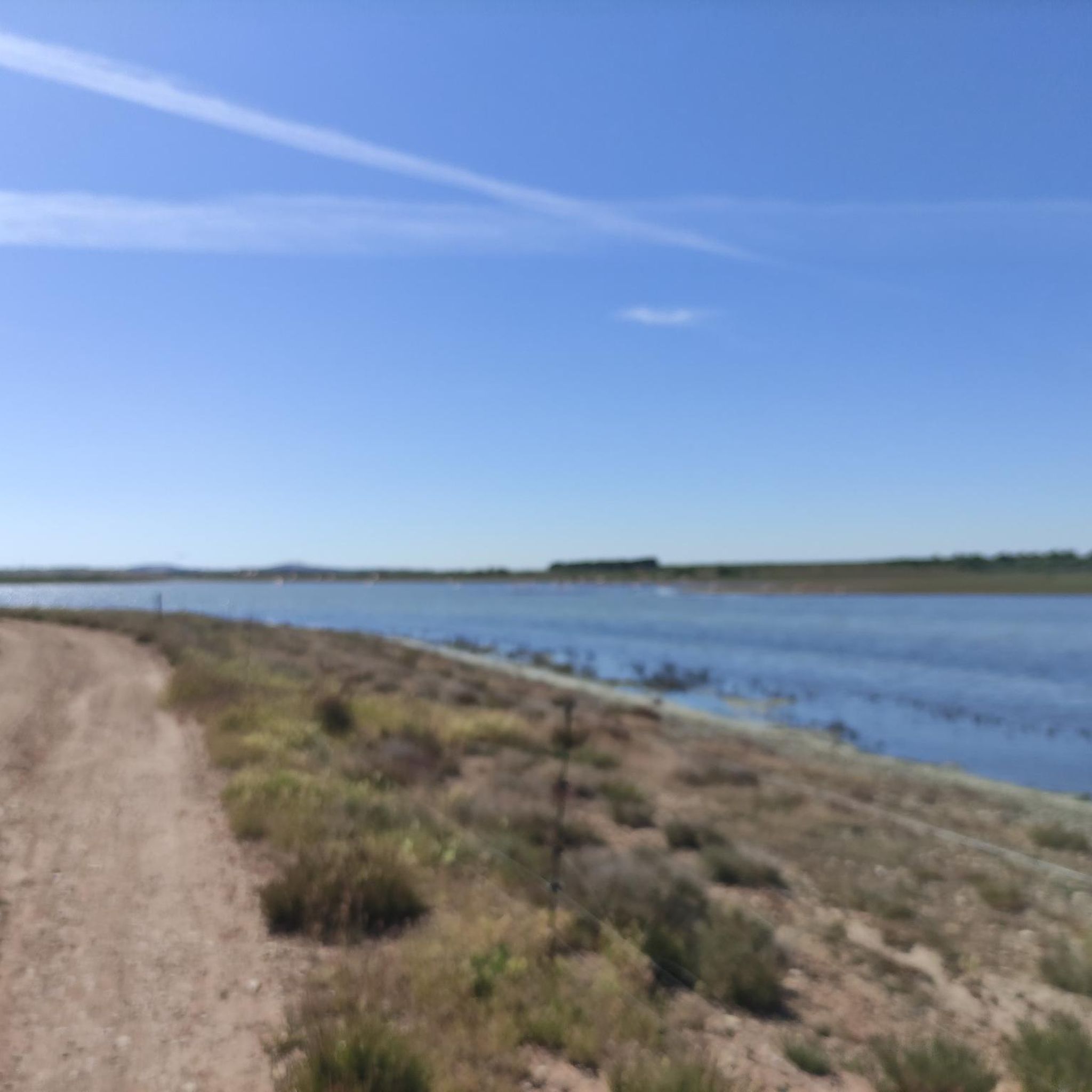
After riding through dry environments, a nice place to stop and watch the birds for a while.
1
1

The Laguna Grande de Villafranca de los Caballeros is one of the largest river lagoons in La Mancha and the only one in the region with recreational use. With its 2.5 km long beach, it is a popular tourist destination, especially in the summer months.
16
0

We are facing the Laguna Grande in the city of Villafranca de los Caballeros, with a more than acceptable water level thanks to the recent rains. This area is very well suited for resting and relaxing as they have numerous roofs with tables and seats to eat and enjoy the surroundings.
10
0
If you visit El Toboso, don't miss the Monastery of the Trinitarian Nuns, the Church of San Antonio Abad, the Cervantino Museum and more...
4
0

The next wetland is the Laguna Grande de Quero, first you have to pass through the town and then the immense endorheic lake emerges surrounded by whitish mountains. The high level of salinity of the water prevents numerous species of birds from abounding, but it has always been a source of resources due to the collection of salt for canning in brine. The path passes the bed of the Cigüela River and enters the surroundings of the Villafranca lagoons, included like all in the Natura 2000 Network within La Mancha Húmeda and declared a Biosphere Reserve by UNESCO. The Fauna Reserve is the artificial union of the Small and Large lagoons, creating a huge swamp surface of permanent, deep waters with abundant aquatic and steppe birds prowling over the reed beds on the banks. In the lagoons it is easy to see red duck, mallard, crested pochard, common pochard, little grebe, common coot, great crested grebe and marsh harrier. The shore of the Laguna Grande is equipped with bathing areas for the summer season, recreational spaces, bird observatories and an interpretation center, maintaining a tradition of public use that dates back to the 18th century, when the inhabitants of Villafranca de los Knights took advantage of the medicinal properties of saline waters to cure rheumatic ailments and skin diseases.
5
0

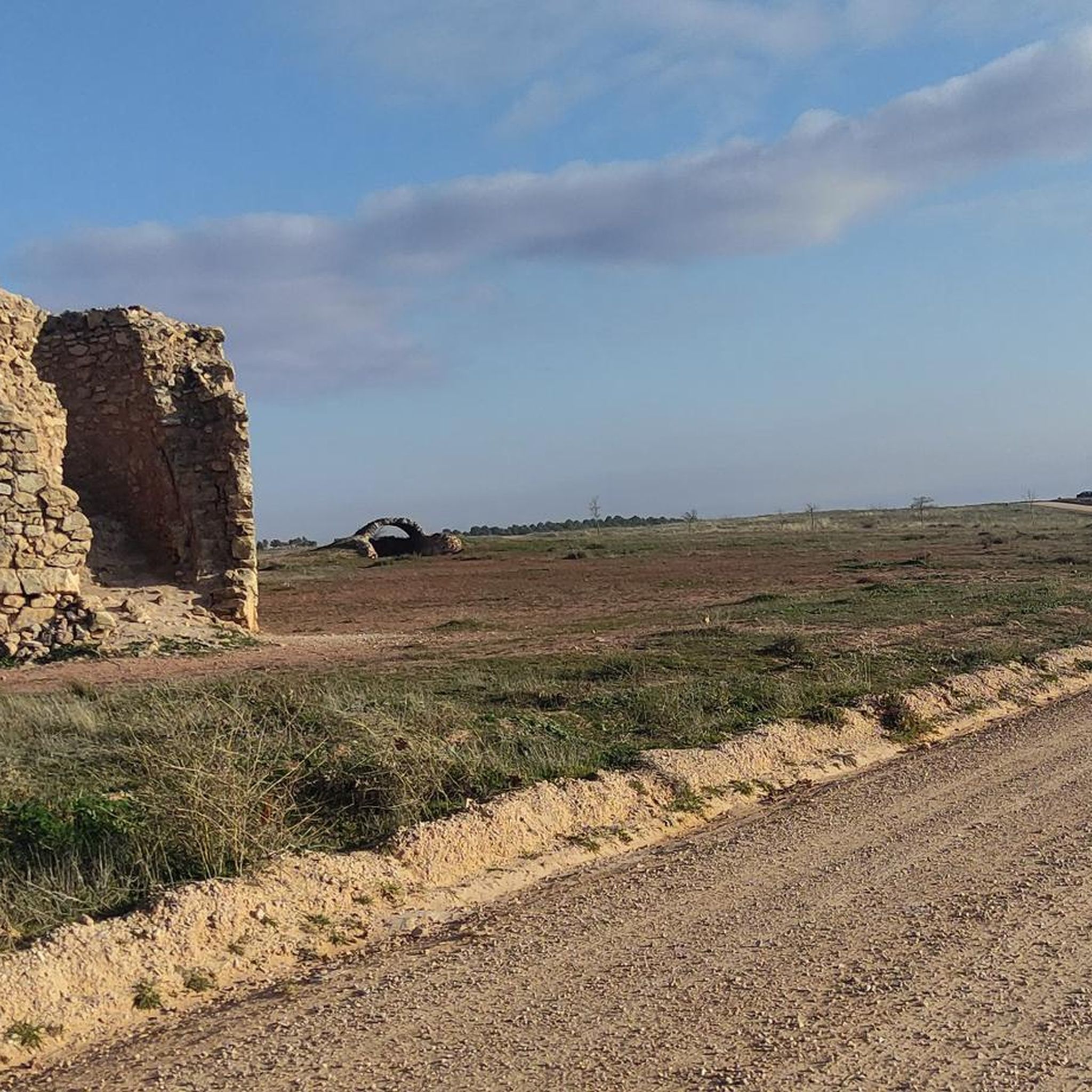
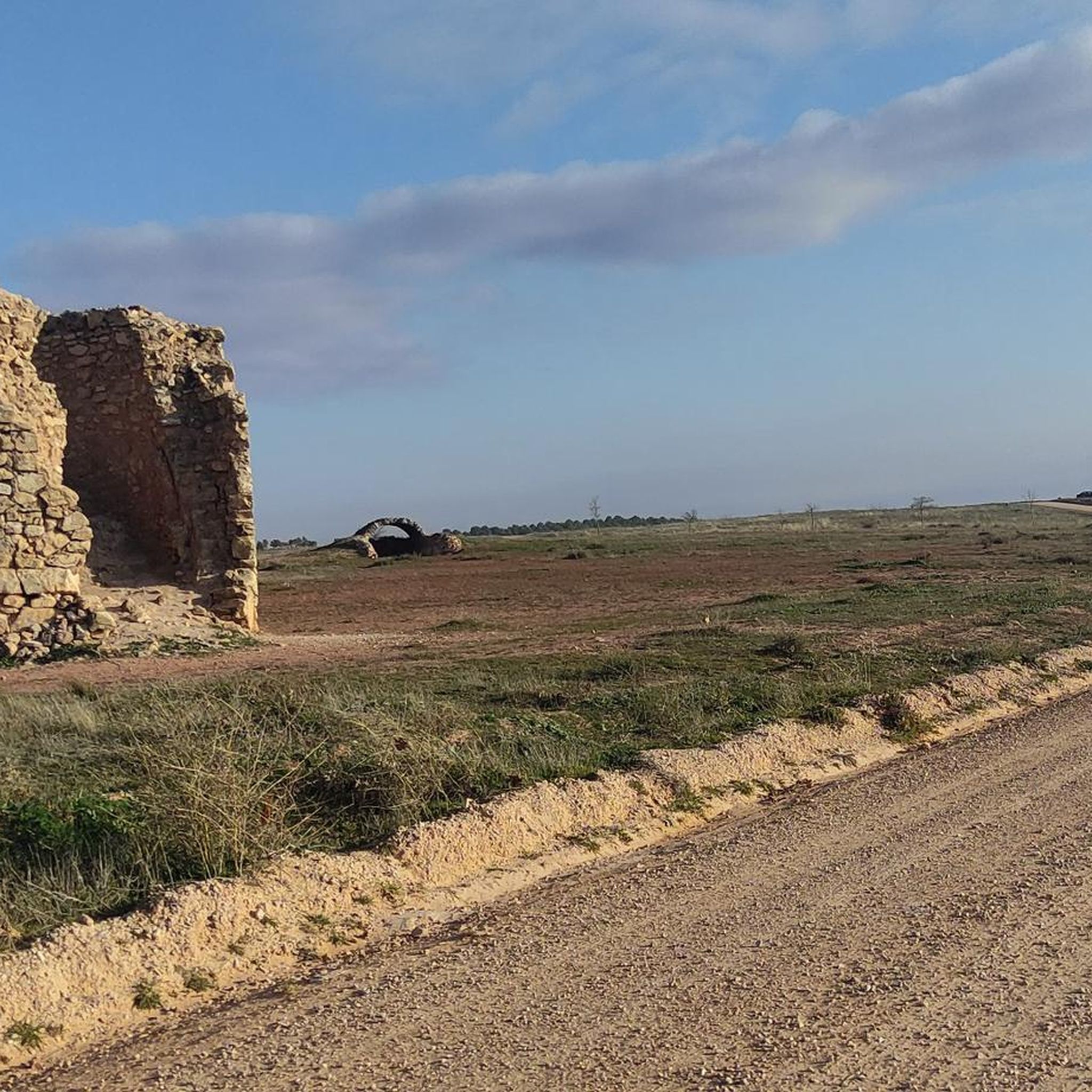
From the Cerro de Las Calaveras you have good views of El Toboso. In the place we find ruins of several buildings.
0
0

It is one of the largest river lagoons in La Mancha. It is the best known and visited. It is part of the Natura 2000 Network and is a Biosphere Reserve, Natural Reserve and Wildlife Refuge. It is an endorheic lagoon, which means that it has no access to the sea, so the water arrives through aquifer 20. Since the 18th century it has been a bathing place, due to the local belief in the healing properties of its waters.
6
0
El Toboso is the town where Dulcinea lived - the lady of Don Quixote from the famous Cervantine work. Here in the square you can find the statue of Quixote and Dulcinea. El Toboso is worth a visit. It is also recommended to see the parish church of San Antonio Abad, called "La Mancha Cathedral".
2
1
Frequently Asked Questions
What kind of terrain can I expect on hiking trails around Miguel Esteban?
Hiking around Miguel Esteban primarily features the expansive plains of the "Heart of La Mancha," characterized by vineyards and cereal fields. You'll also find unique wetland environments, particularly around the Miguel Esteban Lagoons and within the La Mancha Húmeda Biosphere Reserve. The average altitude of 610 meters contributes to an open, expansive feel.
Are there any easy hiking trails suitable for beginners or families in Miguel Esteban?
Yes, there are several easy trails. For instance, the Laguna Grande de Quero Loop is an easy 3.0-mile path within the La Mancha Húmeda Biosphere Reserve, perfect for experiencing the region's wetland environment. Overall, there are 10 easy routes available.
What are the options for more challenging hikes in the Miguel Esteban area?
For those seeking a challenge, the La Mancha Wetlands Natural Trail is a difficult 19.6-mile route. It leads through a restored wetland ecosystem and offers a chance to observe diverse wildlife, typically taking about 8 hours to complete.
Can I find circular hiking routes around Miguel Esteban?
Yes, many trails in the area are circular. A notable option is the El Toboso and Miguel Esteban Lagoons Loop, a moderate 10.5-mile path that combines the natural beauty of the lagoons with varied agricultural landscapes.
What natural features or landmarks can I expect to see while hiking?
The region is renowned for its lagoons, such as the Miguel Esteban Lagoons and the complex of lagoons within the Ornithological Reserve of "Los Charcones." From the Ermita de San Isidro, you can enjoy panoramic views of these wetlands. The La Mancha Húmeda Biosphere Reserve also offers unique wetland ecosystems. Additionally, you might encounter historical landmarks like the Windmills of Campo de Criptana or the Hermitage of Cristo de Villajos nearby.
Is Miguel Esteban a good destination for birdwatching during a hike?
Absolutely. The Miguel Esteban Lagoons and the Ornithological Reserve of "Los Charcones" are significant natural attractions known for birdwatching opportunities. The La Mancha Wetlands Natural Trail also takes you through a restored wetland ecosystem where diverse wildlife, including birds, can be observed.
What do other hikers say about the trails in Miguel Esteban?
The routes in Miguel Esteban are highly rated by the komoot community, with an average score of 3.8 stars from over 3 reviews. Hikers often praise the unique wetland environments and the expansive, open feel of the La Mancha plains.
Are there any trails that pass through vineyards or agricultural landscapes?
Yes, Miguel Esteban is situated in the "Heart of La Mancha," characterized by endless plains filled with vineyards and cereal fields. Many walks, such as the El Toboso and Miguel Esteban Lagoons Loop, offer varied scenery that includes these distinct agricultural landscapes.
What is the best time of year to go hiking in Miguel Esteban?
While specific seasonal recommendations are not provided, the region's open plains and wetland areas suggest that spring and autumn would likely offer pleasant temperatures and vibrant natural scenery, making them ideal for hiking and birdwatching. Summers can be very hot in La Mancha, and winters can be chilly.
Are there any trails suitable for families with children?
Yes, the region offers trails suitable for various skill levels. The Laguna Grande de Quero Loop is an easy 3.0-mile route, making it a good option for families looking for an accessible walk to experience the wetland environment.
How many hiking routes are there in total around Miguel Esteban?
There are over 20 hiking routes available around Miguel Esteban, offering a variety of distances and difficulty levels to explore the region's unique landscapes.
Most popular routes around Miguel Esteban
Most popular attractions around Miguel Esteban

Get inspired with the komoot mobile app


Explore more
Browse the best Hikes in other regions.
