The best cycling routes around Hinojosas De Calatrava
4.2
(28)
609
riders
75
rides
Touring cycling around Hinojosas De Calatrava offers diverse landscapes within the Natural Park of Valle de Alcudia and Sierra Madrona. The region features a mix of vast plains, rugged mountains, and wooded pastures known as dehesas. Cyclists can explore areas characterized by oak groves, a unique volcanic landscape with agricultural fields, and scenic reservoirs.
Best touring cycling routes around Hinojosas De Calatrava
- The most popular touring cycling route is Montoro and Tablillas Reservoirs Loop, a 27.3 miles (44.0 km)…
Last updated: October 10, 2026
24
riders
44.0km
03:10
740m
740m
This difficult 27.4-mile touring cycling route from Puertollano to Montorillo Reservoir features 2438 feet of elevation gain.
13
riders
60.6km
04:37
700m
700m
This difficult 37.7-mile touring cycling route from Fuencaliente offers extreme elevation changes and dramatic volcanic scenery.

5.0
(1)
9
riders
Hard bike ride. Very good fitness required. Mostly paved surfaces. Suitable for all skill levels.
8
riders
59.2km
03:44
700m
700m
This difficult 36.8-mile touring cycling route from Puertollano explores Hinojosas de Calatrava and Almodóvar del Campo, gaining 2290 feet.
4
riders
Moderate bike ride. Good fitness required. Mostly paved surfaces. Suitable for all skill levels.
Get access to more routes and recommendations from other explorers.
Already have an account?
Our route recommendations are based on thousands of hikes, rides, and runs completed by other people on komoot.
Start today with a free account
Your next adventure awaits.


Tips from the Community

The Almodóvar del Campo Lagoon is a unique natural and geological feature located in the province of Ciudad Real, within the Campo de Calatrava region, famous for its volcanic landscapes. It is a lagoon formed in the crater of a volcano after a phreatomagmatic eruption (interaction between magma and groundwater). This type of lagoon is called a maar.
4
0
This castle stands on the impressive Alacranejo hill and, despite its original defensive character, it underwent various modifications. Opposite it there is another hill with the ruins of the Salvatierra Castle, in the lands of Calzada de Calatrava. It probably has Arab origins, but it was deeply remodeled with the transfer of the knights of the Order from the Castle of Calatrava La Vieja (Carrión de Calatrava) in 1217, after the battle of Las Navas de Tolosa with the aim of consolidating the defensive line of Sierra Morena. In turn, it is made up of three walled enclosures and is accessed by the original road that was built on the occasion of the visit of Philip II through the Iron Gate, in red volcanic stone. Afterwards, we can find the Gate of the Arches, which allows entry into the parlatorio or courtyard of the convent, the courtyards, the church, the rooms and the refectory. Really, when you walk through it, you can imagine what happened in
3
0
The monuments and centers of cultural interest are spread throughout its streets: the Palermo Museum, the Casa-Convent of La Merced, current home of the Hieronymite nuns, in a modernist style and dating back to the 19th century. Continuing the visit you can visit the Cervantina Library, inside which countless editions of Don Quixote are collected, in various languages, formats and periods, as well as canvases and drawings related to the Cervantine character. From here you can also see the Municipal Theater, built in 1845 on the site of the old Carmelite Convent.
19
0
In the Alcudia Valley, we find the municipality of Almodóvar del Campo built on the side of a volcano, so present in Campo de Calatrava, and whose crater is now a lagoon. The Arab footprint is the most emblematic of the city, leaving behind the memory of the Castle and above all the unique Parish of Our Lady of the Assumption. There you can see the first videomapping in Spain permanently installed in a closed space, under the theme of the life and work of San Juan de Ávila.
29
0
It is formed by a Strombolian volcanic cone of pyroclasts, and due to the quarry in it, its internal structure is exposed. Attached to the foot of this volcano is the Almodóvar maar, which is a phreatomagmatic explosion crater that erupted at the edge of the Paleozoic series, cutting a substrate of hard lithology and destroying part of the previous volcano. The maar crater is funnel-type (hard-type substrate) and houses an ephemeral lagoon inside. In its southern and eastern contour the maar has a ring of tuffs, with pyroclastic facies. The phreatomagmatic deposits of the maar ring are located on a Cenozoic red colluvium. The main interest is of a volcanological (petrological) type and as a secondary interest the geomorphological interest stands out.
2
0
It is a volcanic formation made up of a crater and the Cerro de los Molinos. The crater gives rise to the lagoon and the hill is composed of solid lava. It is located near Almodóvar del Campo, in an easterly direction and, according to historians, it gave origin and name to the settlement of the population.
1
0

Puertollano is a Spanish town in the province of Ciudad Real, in the autonomous community of Castilla-La Mancha. Traditionally, it has been associated with oil shale and coal mining and industry. The area in which Puertollano is located has been inhabited since prehistory, with archaeological remains found that correspond to Homo heidelbergensis and Homo antecessor. During the Middle Ages the city was born, linked to the repopulation process of Castile during the 13th century. In the 16th century, Puertollano received the rank of town, a privilege granted by Philip II. At that time Puertollano was an important agricultural and livestock center. The demographic consolidation of the city occurred at the end of the 19th century, with the development of coal mining and the inauguration of the train line between Madrid and Badajoz. Its cultural heritage It corresponds mainly to religious buildings, such as the church of Nuestra Señora de la Soledad (14th century), the church of the Virgen de Gracia (15th century) and the church of the Asunción (16th century). There is also a mining museum, and an old medicinal sour water spa, known as the Bath House, which today is a municipal service to citizens.
1
0
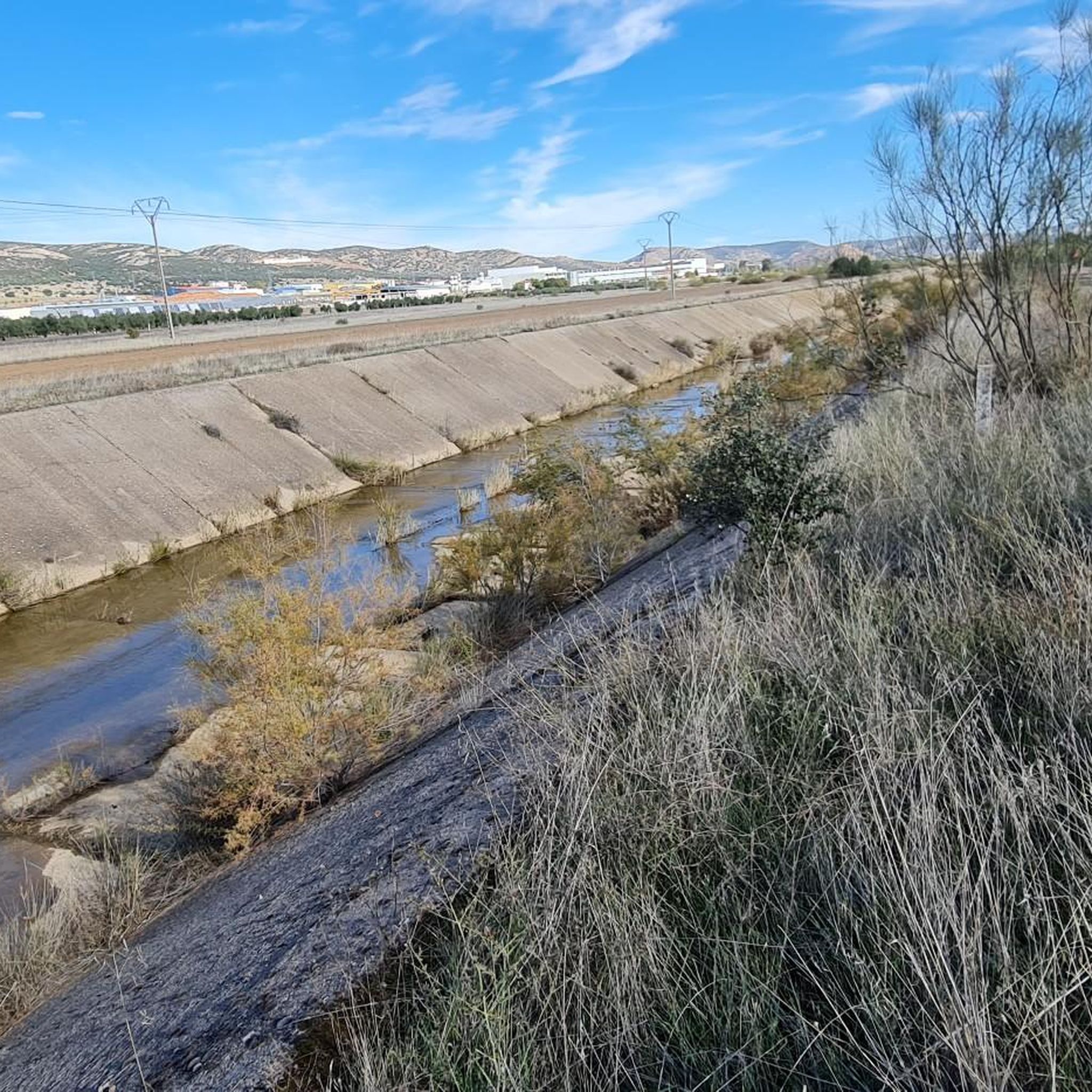
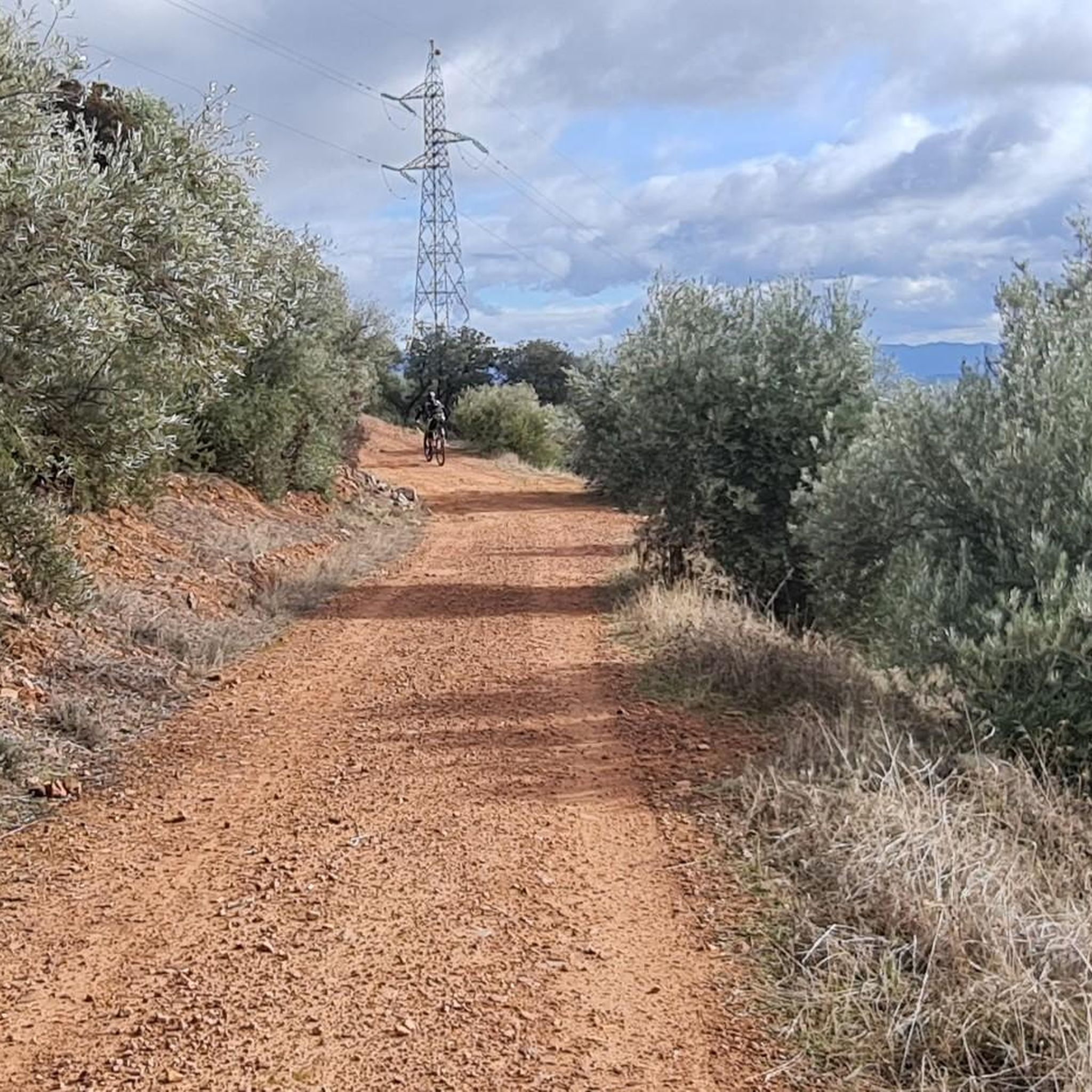
Section of Highway CM-4115 through the Dehesa Labrada, good track and beautiful landscape.
7
0
Frequently Asked Questions
How many touring cycling routes are available in Hinojosas de Calatrava?
There are over 60 touring cycling routes around Hinojosas de Calatrava, offering a wide range of options for different skill levels. You'll find routes ranging from moderate to difficult, with significant elevation changes in some areas.
What kind of terrain can I expect on touring cycling routes in Hinojosas de Calatrava?
The region offers diverse terrain, from vast plains to rugged mountains within the Natural Park of Valle de Alcudia and Sierra Madrona. You'll cycle through oak groves (encinares), dehesas (wooded pastures), and unique volcanic landscapes with agricultural fields, vineyards, and olive groves. Some routes also feature scenic reservoirs.
Are there any family-friendly touring cycling routes in the area?
While many routes in Hinojosas de Calatrava are rated moderate to difficult due to elevation changes, there are 6 routes classified as easy. These typically offer less challenging terrain, making them suitable for families or those seeking a more relaxed ride. Look for routes with lower elevation gains for a more family-friendly experience.
What are some notable natural features or landmarks I can see while cycling?
Cyclists can explore the expansive Valle de Alcudia and Sierra Madrona Natural Park, offering panoramic views. Routes often pass by water bodies like the Embalse de Tablillas and the Pantano del Montoro. You might also encounter historical sites like the Castillete de la Mina de la Simona, a reminder of the region's mining past, or ancient rock paintings at the Peñaescrita Cave Paintings.
What is the best time of year for touring cycling in Hinojosas de Calatrava?
The spring and autumn months are ideal for touring cycling in Hinojosas de Calatrava. During these seasons, temperatures are moderate, making for more comfortable rides. The landscapes are also particularly beautiful, with lush greenery in spring and vibrant colors in autumn.
Are there any circular touring cycling routes available?
Yes, many touring cycling routes in Hinojosas de Calatrava are designed as loops. For example, the Montoro and Tablillas Reservoirs Loop and the Fuencaliente and Conquista Loop are popular circular options that allow you to start and end in the same location.
What do other cyclists say about touring cycling in Hinojosas de Calatrava?
The touring cycling routes in Hinojosas de Calatrava are highly rated by the komoot community, with an average score of 4.3 stars from 18 reviews. Cyclists often praise the diverse landscapes, the challenge of the varied terrain, and the opportunity to explore both natural parks and historical sites.
Are there any routes that pass by reservoirs or water bodies?
Absolutely. The region features several reservoirs that are focal points for cycling routes. The Montoro and Tablillas Reservoirs Loop is a prime example, exploring the scenic Montoro and Tablillas reservoirs and offering beautiful waterside views.
Can I find routes that include historical sites or cultural points of interest?
Yes, touring cycling in Hinojosas de Calatrava can be enriched with cultural and historical stops. The town itself has an enchanting medieval character. Routes like the Climb to the Castle Convent of Calatrava La Nueva — circular from Puertollano lead through historical sites and elevated terrain, offering a glimpse into the region's past.
Are there any routes suitable for advanced touring cyclists?
Yes, Hinojosas de Calatrava offers 31 routes classified as difficult, catering to advanced touring cyclists. These routes often feature significant elevation gains and cover longer distances, such as the Hinojosas de Calatrava and Almod route, providing a challenging and rewarding experience.
What are the options for parking when cycling in Hinojosas de Calatrava?
While specific parking facilities for cyclists are not detailed, Hinojosas de Calatrava is a small town with a medieval urban fabric. You can typically find parking within or near the village center, which serves as a convenient starting point for many routes into the surrounding natural park.
Are there any waterfalls or unique geological features to see?
Yes, the region boasts natural attractions such as the Batanera Waterfall. Additionally, the area is known for its unique volcanic landscape, including features like the Maar and Strombolian volcano of Almodóvar del Campo, which add geological interest to your cycling tours.
Most popular routes around Hinojosas De Calatrava
Most popular attractions around Hinojosas De Calatrava

Get inspired with the komoot mobile app


Explore more
Browse the best Cycling routes in other regions.
