The 8 Most Amazing Peaks around Sant Pau De Segúries
Best mountain peaks around Sant Pau De Segúries are nestled within the scenic Ripollès region of Catalonia, surrounded by a natural amphitheater of mountains. This area offers diverse landscapes and experiences, characterized by rounded hills, beech forests, and significant historical sites. The mountains provide opportunities for hiking and offer impressive panoramic views of the Pyrenees and surrounding valleys. The region's natural and historical features make it a notable destination for outdoor enthusiasts.
Best mountain peaks around Sant Pau De Segúries
…Last updated: June 23, 2026
Hermitage of Sant Antoni
Highlight • Religious Site
Translated by Google •
Tip by

Capsacosta Pass
Highlight • Mountain Pass
Translated by Google •
Tip by

Sign up now to discover places like this
Get recommendations on the best single tracks, peaks, & plenty of other exciting outdoor places.
Sign up for free
The Roca district (Vilallonga de Ter)
Highlight • Settlement
Translated by Google •
Tip by
Puig Estela, 2,013 m
Highlight • Summit
Translated by Google •
Tip by

Coma d'Olla Peak
Highlight • Summit
It is a must-see on the ridge crossing from Coll de Pal to Taga.
Translated by Google •
Tip by

Sign up for free to discover even more peaks around Sant Pau De Segúries.
Sign up for free
Already have an account?
Start today with a free account
Your next adventure awaits.
Login or Signup
Popular around Sant Pau De Segúries
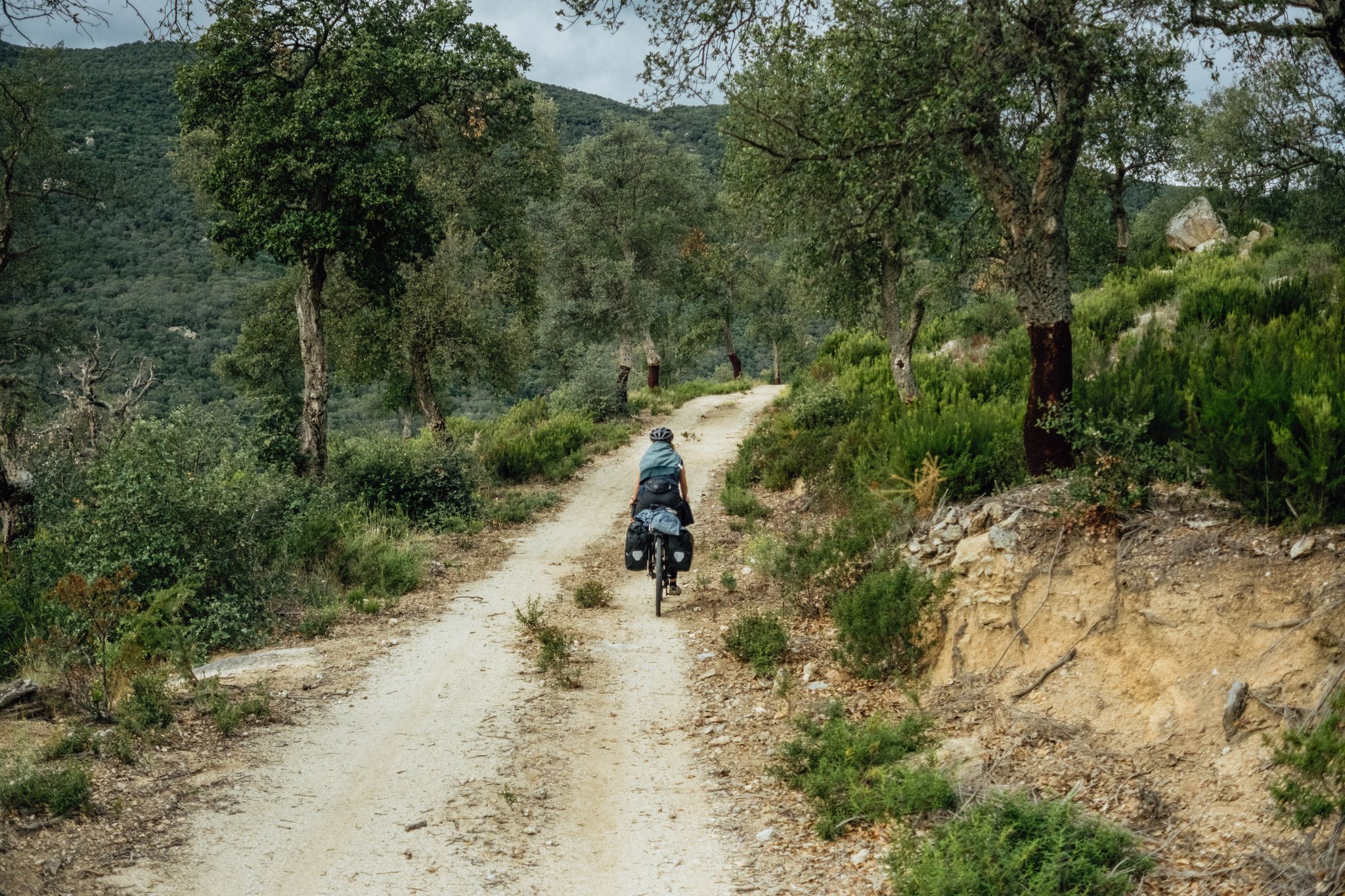
In search of the sun – between the Pyrenees and the Mediterranean
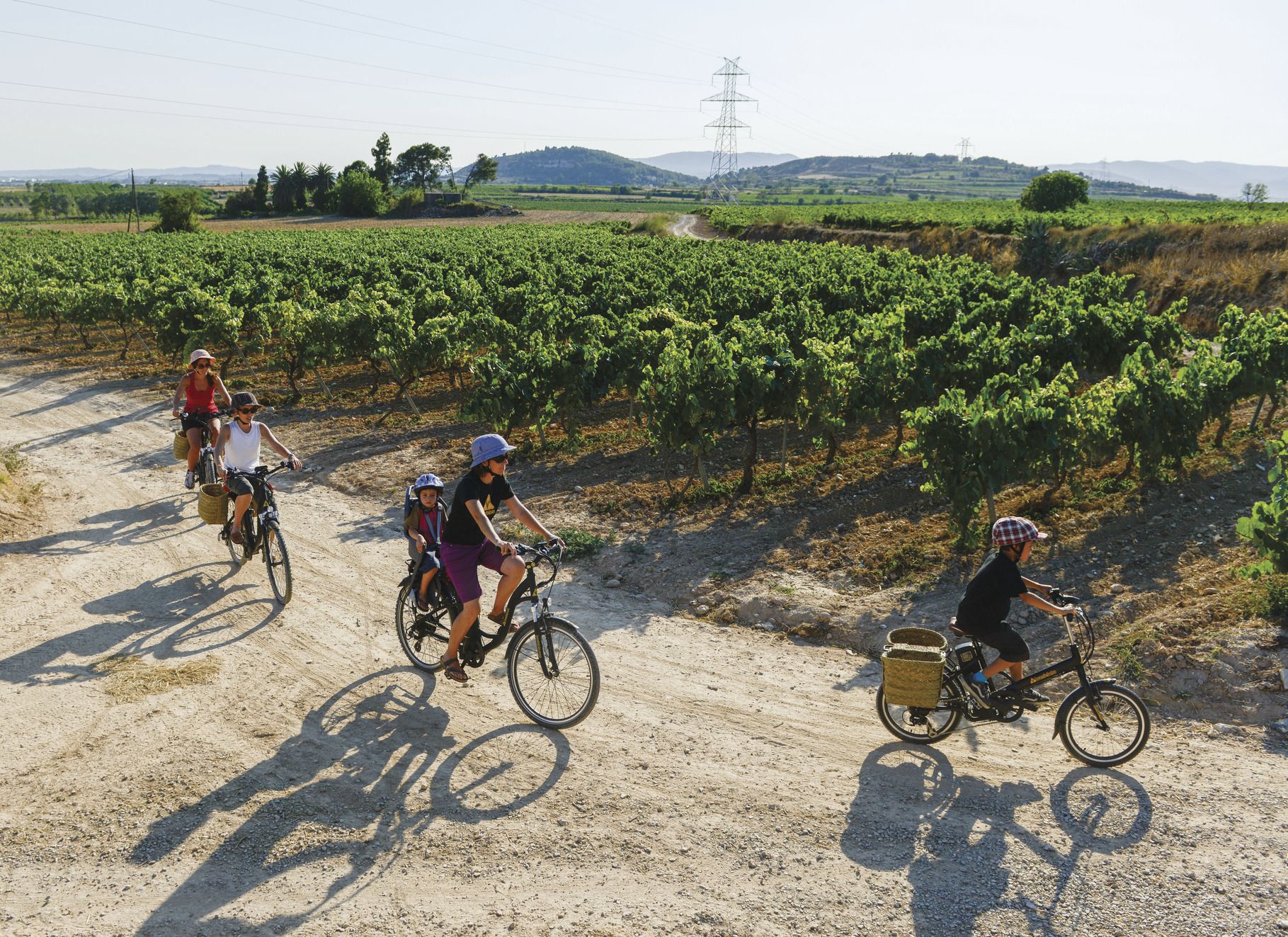
Cycling through Catalonia with your family
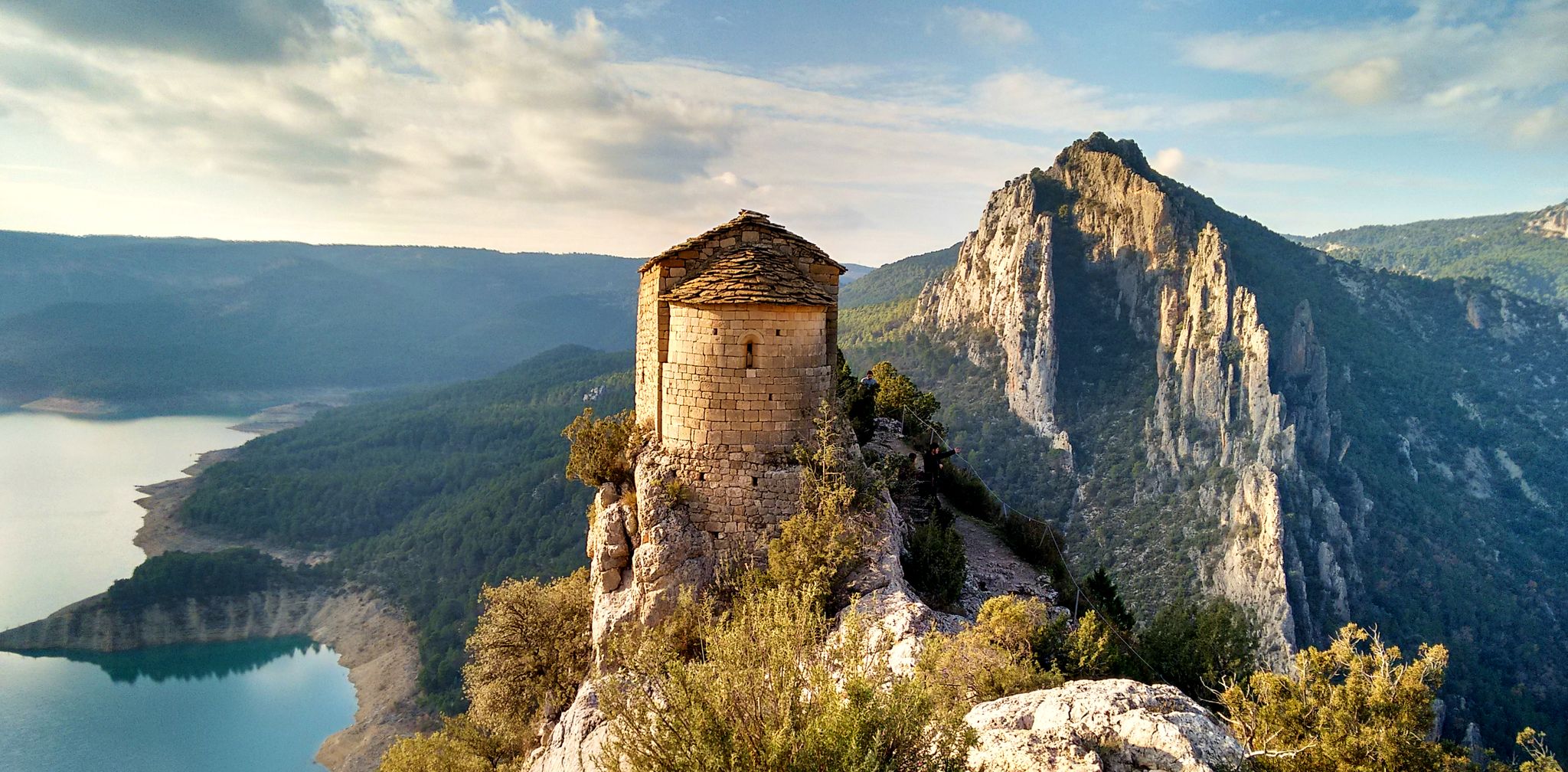
From the Mediterranean to the Pre-Pyrenees – Historical Path in Catalonia (GR 1)
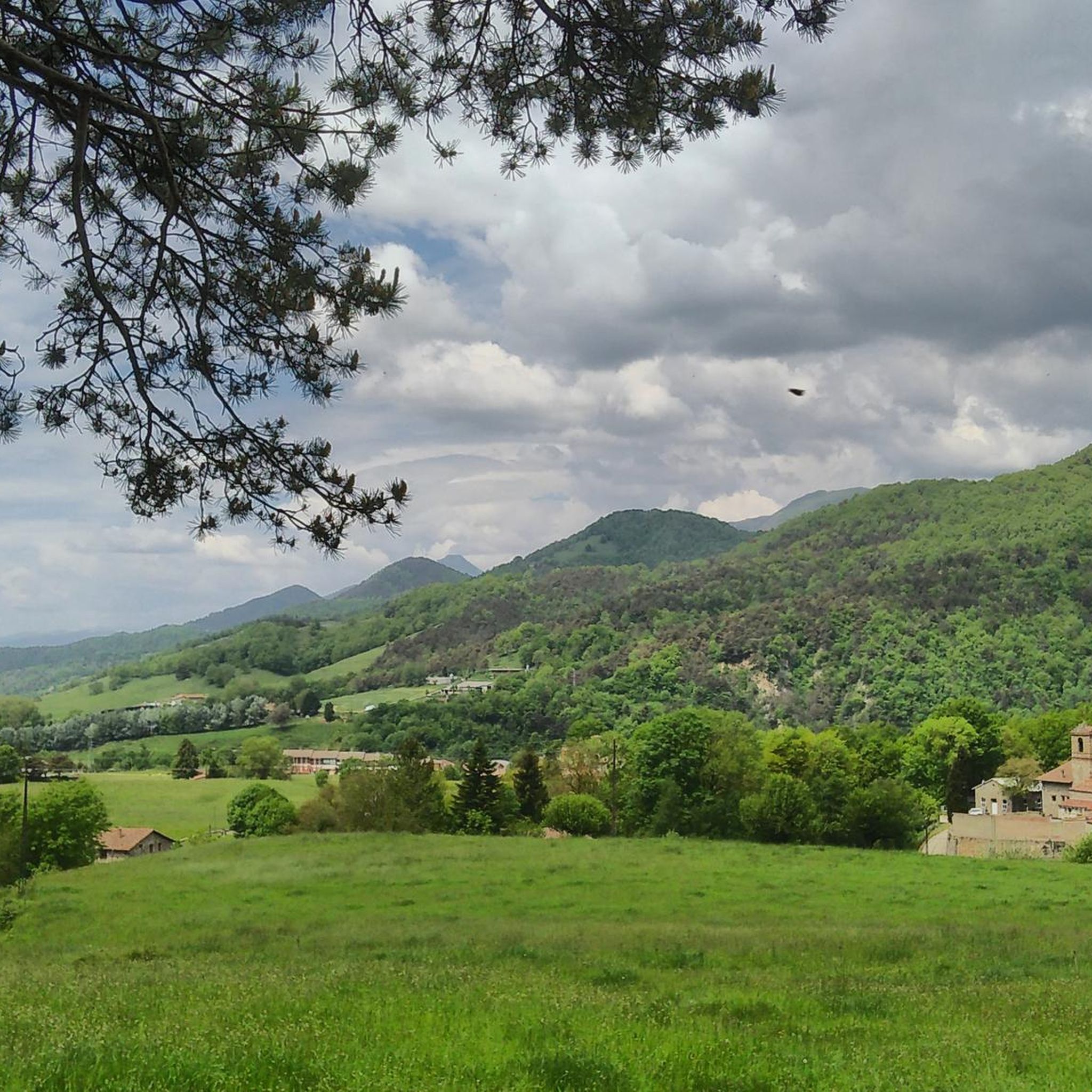
Road Cycling Routes around Sant Pau De Segúries
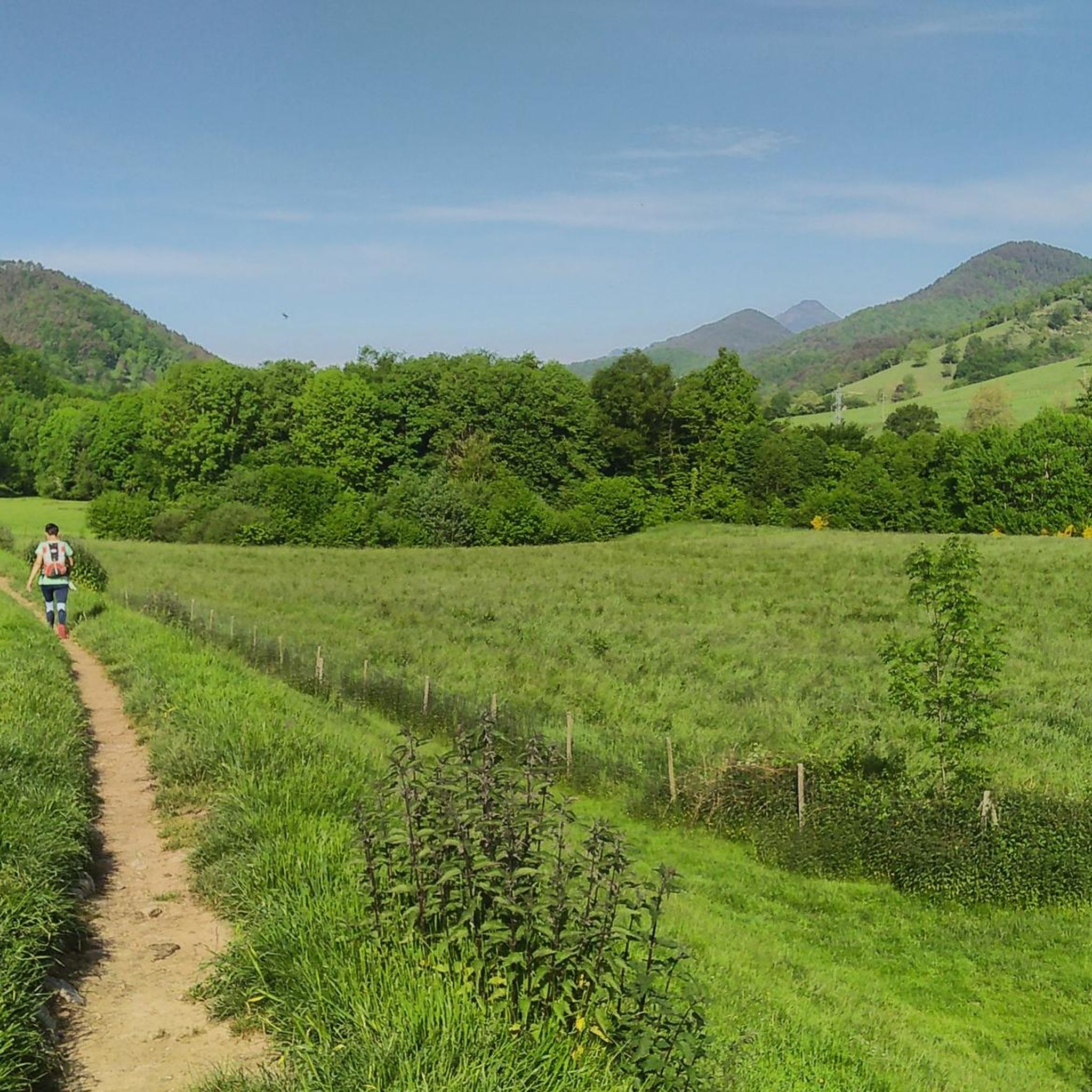
Cycling around Sant Pau De Segúries
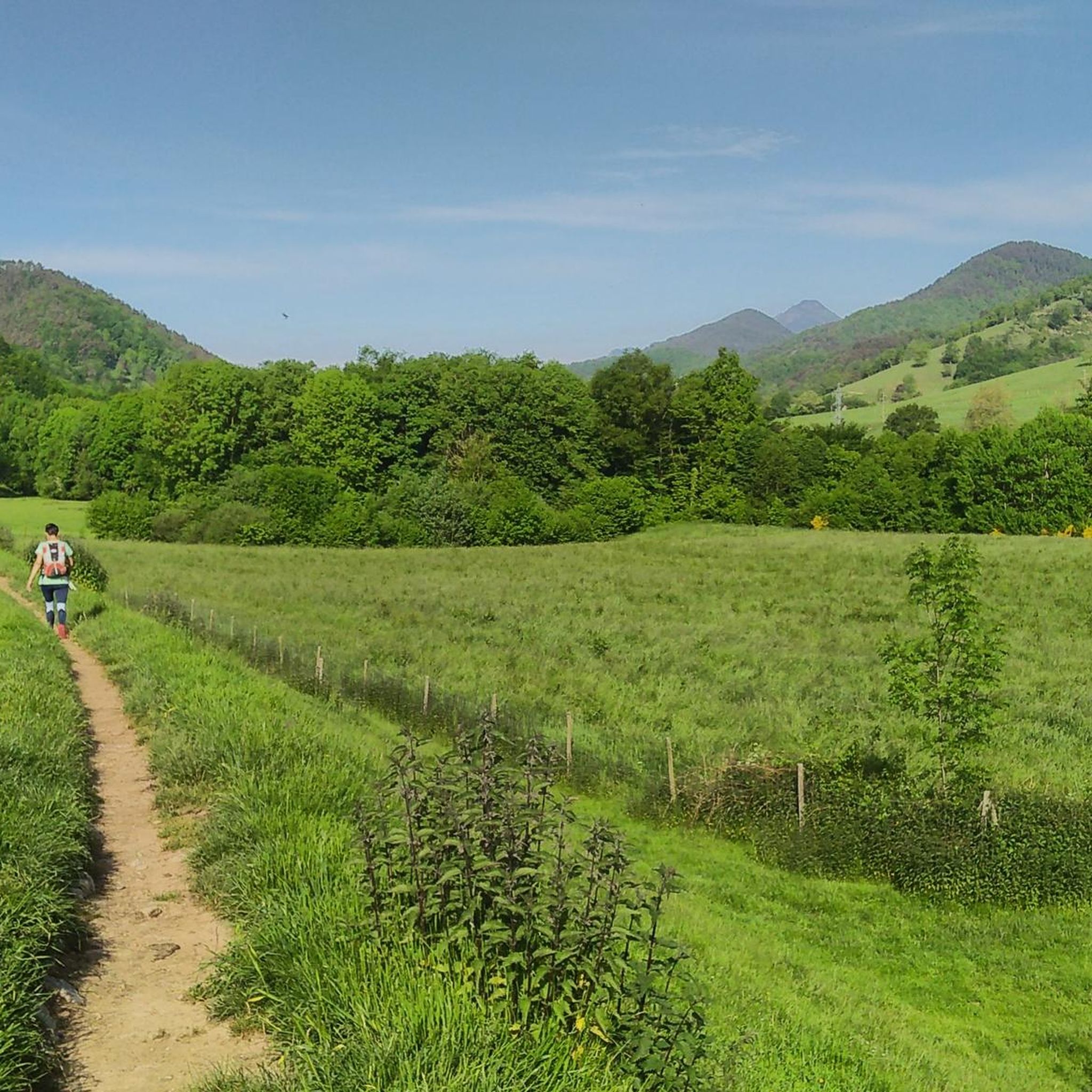
MTB Trails around Sant Pau De Segúries
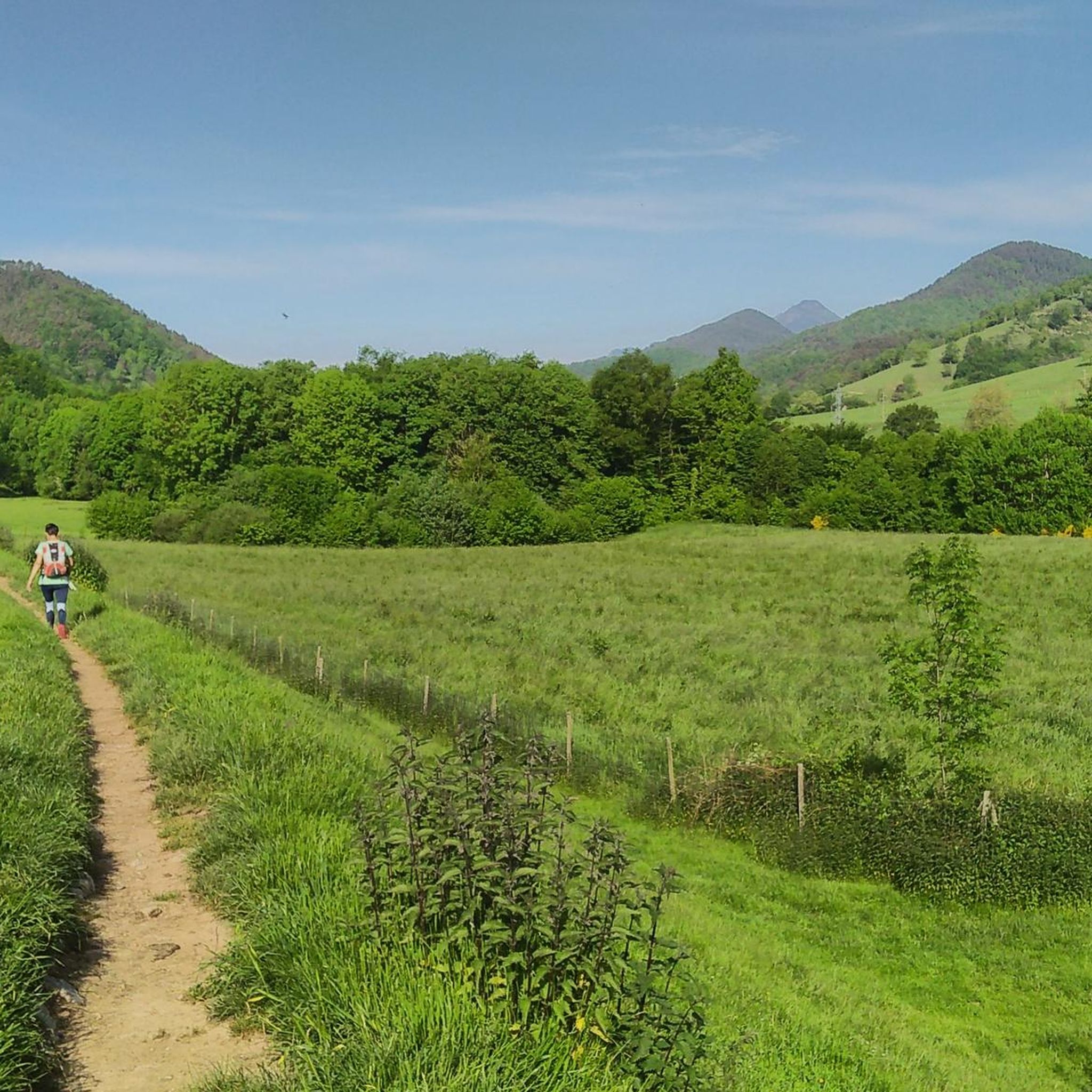
Hiking around Sant Pau De Segúries

Gravel biking around Sant Pau De Segúries
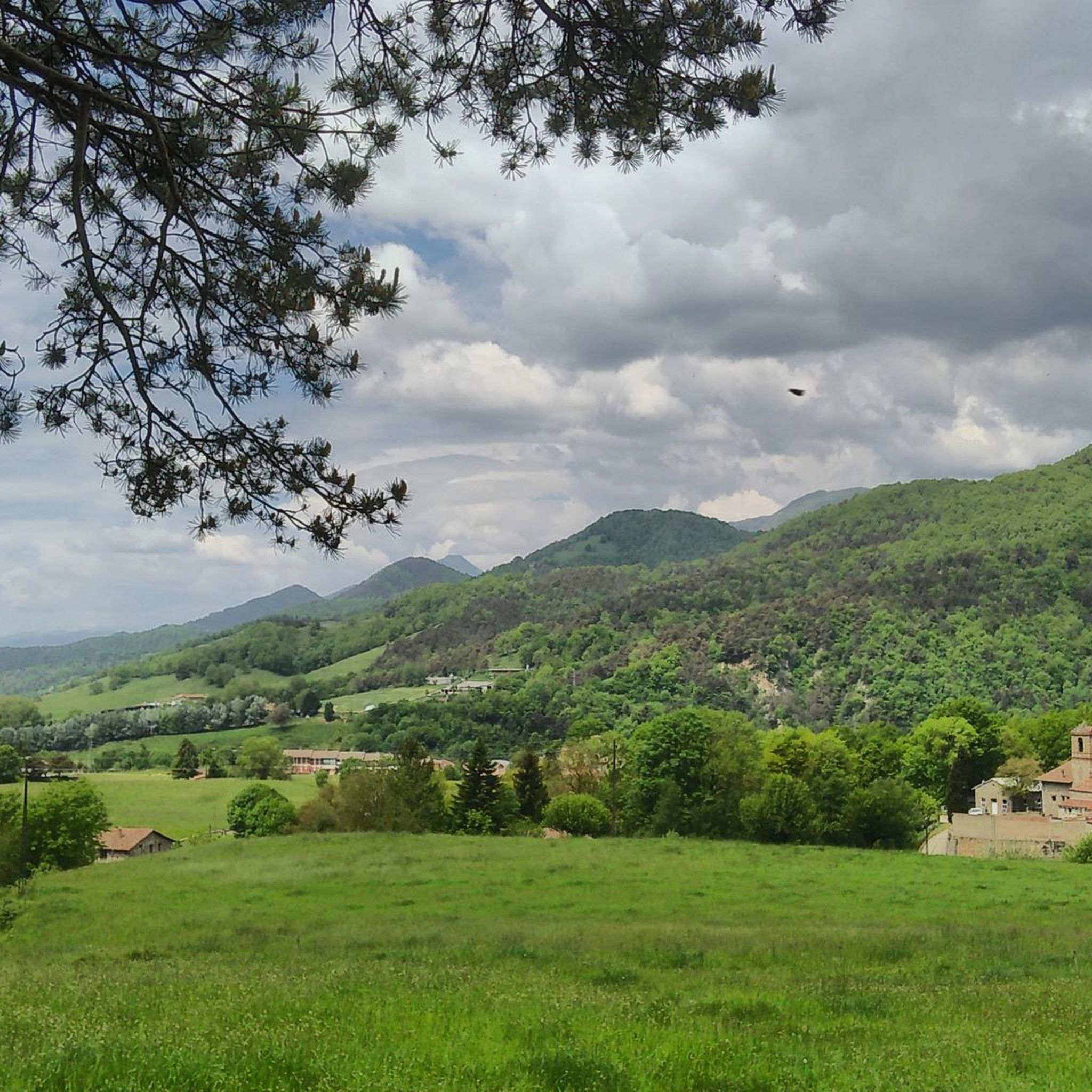
Running Trails around Sant Pau De Segúries
Other adventures around Sant Pau De Segúries


Tips from the Community

Long climb rewarded with a sign telling you how much you have worked.
0
0

The town of La Roca is located on a rocky promontory overlooking the River Ter. Due to its singular location, it has been the protagonist of numerous historical episodes, such as the siege of 1275 by the infante Jaume (son of Jaume I). In the 14th century, during peasant revolts against seigneurial abuses (known as remen wars), it became a captaincy next to Camprodon Castle.
0
0

Monastery from the year 1702 located at the top of the Col de la Brossa near Camprodon. From there you have a panoramic view of the surrounding villages and mountains.
0
0
Mountain pass that crosses the Malforat mountain range, which separates the Bianya valley and the Bac valley, and the Garrotxa and Ripollès counties. It is a very quiet road with little traffic, which on the Olot side is 8.6 kilometers long and has an average gradient of just over 5%, while on the Sant Pau de Segúries side the port has a totally different character: a false flat of just 3 kilometers to the top.
2
0
Peak of 2,013 meters that is between the municipalities of Ogassa and Pardines, in the Catalan region of Ripollès. It belongs to the Sierra Cavallera, separated from the Sierra de Conivella by the Portella de Ogassa
3
0

Puig de Coma d'Olla is a mountain of 1,938 meters located between the municipalities of Ogassa and Pardines, in the Catalan region of Ripollès. It is a must-see on the ridge crossing from Coll de Pal to Taga.
0
0

A hermitage with good 360º views. You can walk.
1
0

Small picturesque village hanging on top of a cliff. Worth a visit
1
0
Frequently Asked Questions
Which mountain peaks offer the best panoramic views around Sant Pau de Segúries?
For exceptional panoramic views, the Hermitage of Sant Antoni is highly recommended. Situated on top of the Col de la Brossa near Camprodon, it provides a 360º vista of surrounding villages and mountains, including the Canigó massif, Sant Pau de Segúries, and the entire valley. Additionally, the summit of Puigsacreu offers impressive views of the Pyrenees.
Are there any mountain peaks with historical significance in the area?
Yes, the Capsacosta mountain is particularly notable for the ancient Capsacosta Pass, which features a well-preserved Roman Road. This historical engineering marvel, part of the Via Annia, offers a unique opportunity to hike on centuries-old cobblestones, showcasing elements like wheel guards and containment walls. The area around The Roca district (Vilallonga de Ter) also has historical significance, having been involved in historical episodes and peasant revolts.
What are some family-friendly mountain walks near Sant Pau de Segúries?
The ancient Roman Road traversing the Capsacosta Pass is generally accessible for hikers of all levels, making it a good option for families. The route from Sant Salvador de Bianya to Sant Pau de Segúries via the Roman road is about 11 km round trip and takes approximately 3.5 hours, offering a blend of history and nature without overly steep ascents.
What kind of terrain can I expect on mountain trails around Sant Pau de Segúries?
The region features diverse terrain, from rounded hills and beech forests to more rugged mountain paths. Trails often wind through forests, providing shade. You can expect ancient cobblestone paths on the Roman Road at Capsacosta, and natural springs like Font de la Puda and Font Fresca along routes to Puigsacreu. Higher peaks like Puig Estela offer more challenging, exposed terrain.
What outdoor activities can I do near these mountain peaks?
Besides hiking, the area around Sant Pau de Segúries is excellent for cycling and mountain biking. You can find various routes, such as the 'Ter Greenway' for moderate MTB or the 'Vía Verde Ruta del Ferro i del Carbó' for easy cycling. For more options, explore the MTB Trails around Sant Pau De Segúries or Cycling around Sant Pau De Segúries guides.
Are there challenging mountain climbs for experienced hikers?
Yes, for experienced hikers seeking a challenge, Puig Estela, 2,013 m, offers demanding routes. This summit, located between Ogassa and Pardines, belongs to the Sierra Cavallera and provides a significant ascent and rewarding views for those prepared for a strenuous trek. Coma d'Olla Peak is another challenging summit at 1,938 meters, often included in ridge crossings.
How long do typical hikes to the peaks near Sant Pau de Segúries take?
Hike durations vary depending on the peak and route. For instance, a popular loop hike from Sant Pau de Segúries to the Puigsacreu Summit takes approximately 2 hours and 23 minutes. The journey along the Capsacosta Roman Road from Sant Salvador de Bianya to Sant Pau de Segúries is about 3.5 hours for an 11 km round trip. More challenging climbs like Puig Estela will naturally require a longer commitment.
What is the best time to hike the peaks around Sant Pau de Segúries?
The region is generally enjoyable for hiking during most of the year. During warmer months, trails that wind through forests, such as those leading to Puigsacreu, offer welcome respite from the sun. While specific winter conditions are not detailed, higher peaks may experience snow and require appropriate gear. Spring and autumn typically offer pleasant temperatures and vibrant natural scenery.
What do visitors enjoy most about the mountain peaks around Sant Pau de Segúries?
Visitors particularly appreciate the diverse experiences offered, from walking on ancient Roman roads to challenging climbs with panoramic views. The blend of history and nature, the impressive vistas from viewpoints like the Hermitage of Sant Antoni, and the variety of trails for different skill levels are frequently highlighted. The natural beauty of the rounded hills and beech forests also contributes to the area's appeal.
Are there any specific mountain passes worth exploring?
The Capsacosta Pass is a significant mountain pass that crosses the Malforat mountain range, separating the Bianya and Bac valleys. It's renowned for the ancient Roman Road that traverses it, offering a unique historical hiking experience. It's also a popular spot for cyclists, known for being part of the Terra de Remences Cycling Tour.
Can I find natural springs or picnic areas on the mountain trails?
Yes, along some routes, particularly those leading to Puigsacreu, you can discover natural springs such as the Font de la Puda and Font Fresca, adding to the natural charm of the excursion. There is also a picnic area located near the summit of Puigsacreu, which is accessible by vehicle, making it convenient for a break.
Most popular routes around Sant Pau De Segúries
Most popular attractions around Sant Pau De Segúries

Get inspired with the komoot mobile app


Explore more
See even more amazing summits around Sant Pau De Segúries with these guides:
