The best road cycling routes around La Póveda De Soria
5.0
(2)
76
riders
2
rides
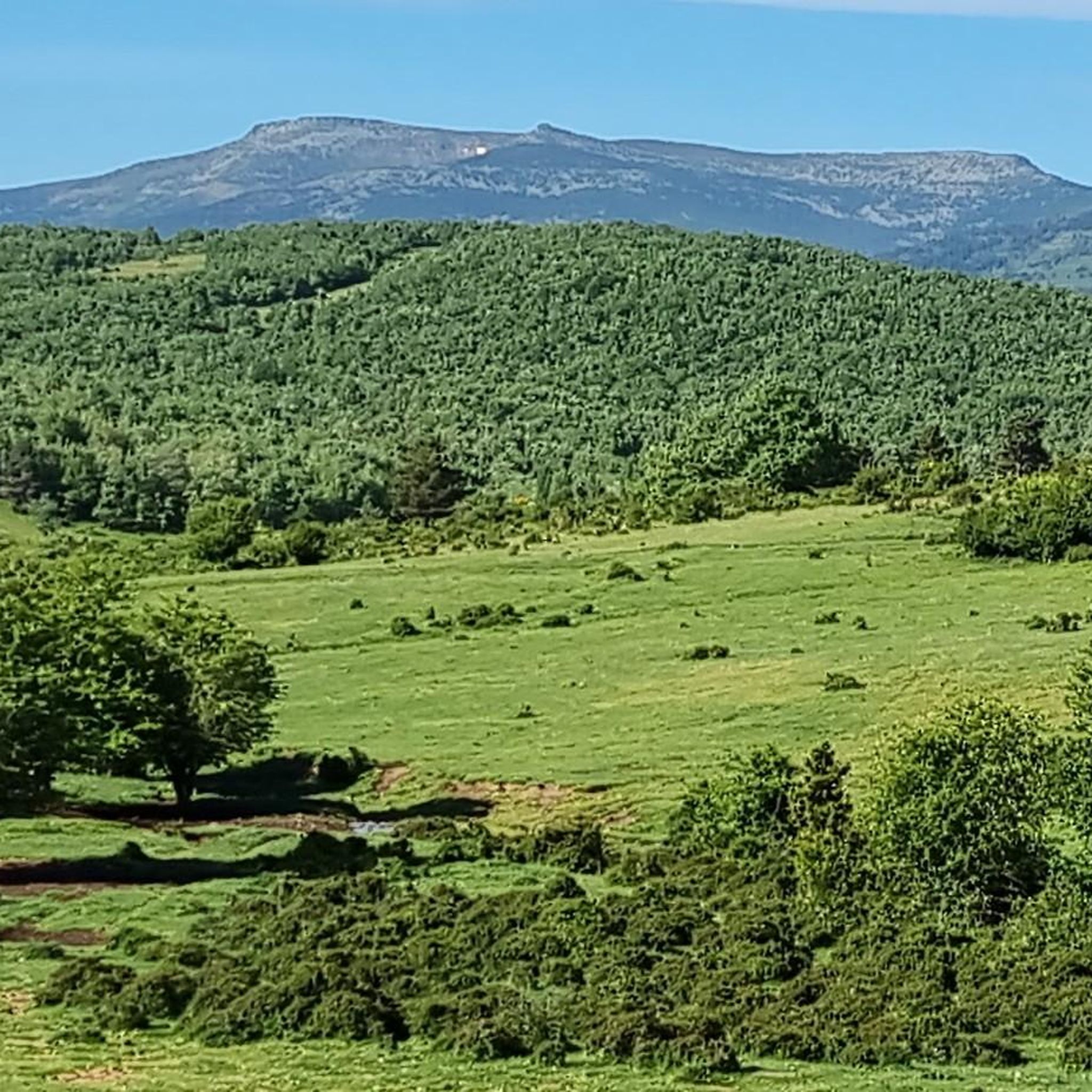
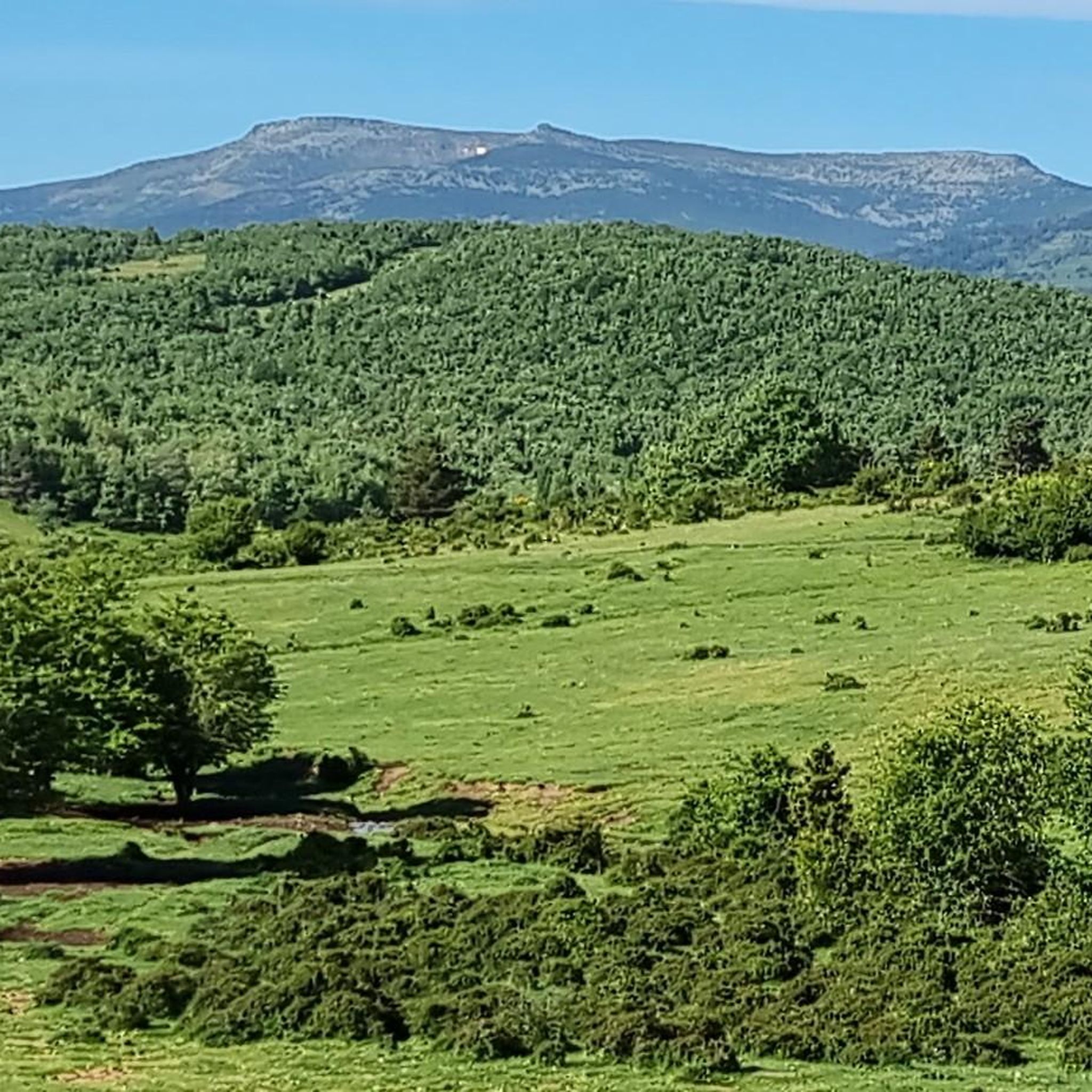
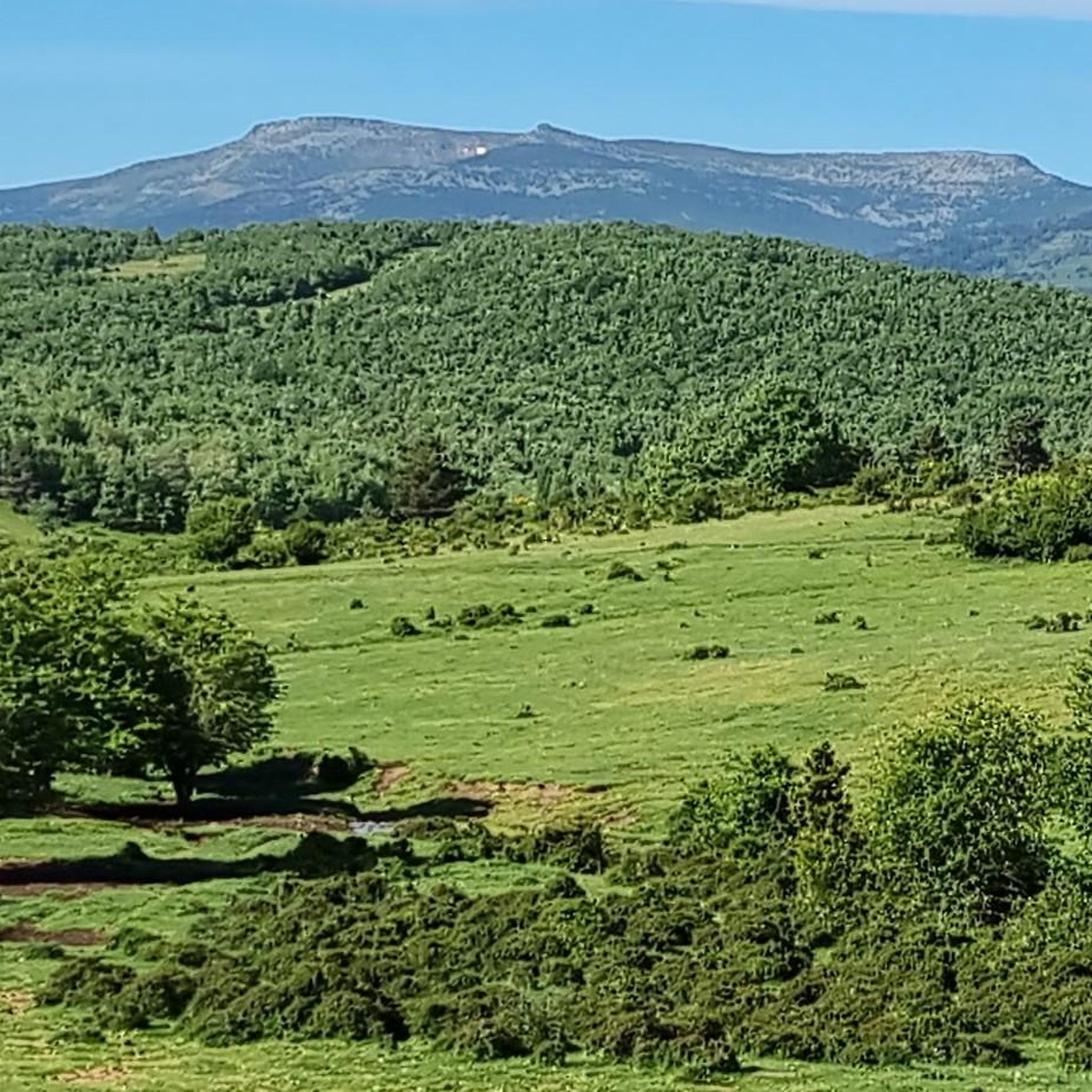
Road cycling routes around La Póveda de Soria are situated in a mountainous environment, characterized by the southern slope of the Piqueras pass and the foothills of the Sierra Cebollera. The region features varied terrain, from paved roads to some unpaved sections, with significant climbs and descents. It is embraced by diverse forests of yew, beech, and Scots pine, and traversed by the Tera River, offering a mix of natural features for road cyclists.
Best road cycling routes around La…
Last updated: July 12, 2026
32
riders
73.9km
03:25
870m
870m
Moderate road ride. Good fitness required. Mostly well-paved surfaces and easy to ride.
5.0
(1)
22
riders
51.0km
02:16
490m
490m
Moderate road ride. Good fitness required. Mostly well-paved surfaces and easy to ride.

Sign up for free
12
riders
79.2km
04:00
1,290m
1,290m
Hard road ride. Very good fitness required. Mostly well-paved surfaces and easy to ride.
5.0
(1)
6
riders
46.2km
02:05
490m
490m
Moderate road ride. Good fitness required. Mostly well-paved surfaces and easy to ride.
4
riders
45.8km
02:09
610m
610m
Moderate road ride. Good fitness required. Mostly well-paved surfaces and easy to ride.
Our route recommendations are based on thousands of hikes, rides, and runs completed by other people on komoot.
Start today with a free account
Your next adventure awaits.
Login or Signup
Popular around La Póveda De Soria
Tips from the Community

There is a fountain and a bar in the center of the village
0
0
Gothic church with a beautiful ribbed vault dedicated to the Virgin of the Pine
0
0

Small and pretty town, area with lots of interesting mountain bike trails
0
0

Almarza is a municipality in the province of Soria, in the Almarza region, community of Castilla y León. The origins of this population can be found in some of the nuclei that make up the term, such as the Celtiberian forts of Gallinero and Tera or the dolmen of San Gregorio. Among its heritage, the Casa Fuerte, the Convent, the church of San Gregorio (in Cubo de la Sierra) and the palace house of the Marquis of Vadillo (in Tera) stand out.
0
0
San Pedro Manrique is a municipality in Soria in the Tierras Altas region, in the community of Castilla y León. Its origin dates back to the Celts, Vascones, Iberians and Romans. With the passage of time, other neighboring towns such as Sarnago, Las Fuentes de San Pedro, Matasejún, Palacio de San Pedro, Taniñe, Valdenegrillos and Ventosa de San Pedro have been incorporated into the municipal area. San Pedro Manrique is well known for his particular way of celebrating San Juan Day. On the night of San Juan the well-known "paso del fuego" is carried out, in which the embers of a bonfire are stepped on by the town's natives, barefoot and carrying someone on their backs. Among its heritage, the hermitage of the Virgen de la Peña, the church of San Miguel, the remains of a castle on the outskirts and the ruins of the convent of San Pedro el Viejo stand out.
0
0
Fuentes de Magaña is a town in Soria in the Tierras Altas region, in the community of Castilla y León. During the Middle Ages it was part of the Community of Villa y Tierra de Magaña. Of its heritage, the church of the Immaculate Conception and the hermitage of San Sebastián stand out. Just 200 meters from the town, to the south, you can see some dinosaur footprints, in the area known as the Miraflores ravine.
0
0
Magaña Castle is a medieval fortress located on a hill overlooking the town of the same name, in the province of Soria, Tierras Altas region, community of Castilla y León. It is believed to have been built during two stages throughout the 15th century. The inner enclosure would be built in the first stage, and the outer barrier in a second. Due to its architectural characteristics, it belongs to the typology of stately castle of the Valladolid school, very common in the north of Castile in the second half of the 15th century.
2
0

Located next to the Remoncillo River, its original function was to wash wool from sheep shearing at the time of the Mesta Council (Middle Ages). Free access. --------- Located next to the Remoncillo River, its original function was to wash wool from sheep shearing at the time of the Mesta Council (Middle Ages). Free access.
0
0
Frequently Asked Questions
What kind of terrain and elevation can I expect on road cycling routes around La Póveda de Soria?
Road cycling routes around La Póveda de Soria are characterized by a mountainous environment, situated on the southern slope of the Piqueras pass and within the foothills of the Sierra Cebollera. You'll encounter varied terrain, including significant climbs and descents, with some routes featuring challenging gradients. The region's altitude is around 1,300 meters, ensuring scenic views but also demanding ascents.
Are there any challenging road cycling routes for experienced cyclists?
Yes, experienced cyclists will find challenging routes in the area. For instance, the Views of the Castillo de Magaña – Puerto de Oncala loop from Arévalo de la Sierra is a difficult 49.3-mile (79.4 km) trail that leads through mountainous terrain and includes significant elevation changes. The Puerto de Piqueras itself is a key mountain pass offering a demanding and scenic ride.
Can I find family-friendly road cycling options near La Póveda de Soria?
While many routes in the immediate mountainous area involve significant climbs, the broader Soria province offers a variety of cycling paths suitable for different fitness levels. For family-friendly options, it's advisable to look for routes with less elevation gain or consider shorter, paved sections away from the main mountain passes. Always check the route's elevation profile before setting out with family.
What natural features or landmarks can I see while road cycling in the region?
The region is rich in natural beauty and historical landmarks. You can cycle through diverse forests of yew, beech, and Scots pine, and along the Tera River valley. Notable natural features include the Sierras de Urbión y Cebollera, part of the Natura 2000 Network. For specific sights, consider routes that pass near the Puerto de Piqueras, or explore areas with highlights like the Cebollera Lagoon or the Acebal de Garagüeta Nature Reserve.
Are there any road cycling routes that are loop trails?
Yes, many of the road cycling routes in the area are designed as loops, allowing you to start and end in the same location. Examples include the Aldealseñor – Church of Santo Domingo loop from Arévalo de la Sierra and the El Royo – Vinuesa loop from Valdeavellano de Tera, both offering varied terrain and scenic views.
What is the best time of year for road cycling around La Póveda de Soria?
The mountainous environment of La Póveda de Soria suggests that spring and autumn are ideal for road cycling, offering milder temperatures and beautiful scenery. Summers can be warm, especially at lower altitudes, while winters may bring snow and colder conditions, particularly on higher passes like the Puerto de Piqueras. Always check local weather forecasts before your ride.
Are there any specific permits required for road cycling in natural parks like Sierra de Cebollera?
The Sierras de Urbión y Cebollera are part of the Natura 2000 Network. While general road cycling on public roads typically doesn't require permits, it's always advisable to check with local authorities or the park management for any specific regulations, especially if you plan to venture off marked routes or into protected areas within the Sierra de Cebollera Natural Park.
Where can I find parking facilities in La Póveda de Soria for my road cycling trip?
La Póveda de Soria is a small village with traditional architecture. While specific dedicated cycling parking facilities might not be explicitly signposted, you can typically find parking within the village itself. Look for available spaces in or near the village center, keeping in mind local parking regulations.
Are there cafes or pubs in La Póveda de Soria where I can stop during my ride?
La Póveda de Soria is a charming village, and while it may not have a wide array of large establishments, you can often find local cafes or bars that cater to residents and visitors. These are great spots to refuel and experience the local atmosphere. It's a good idea to check opening hours, especially during off-peak seasons.
What do other road cyclists enjoy most about road cycling in La Póveda de Soria?
The road cycling experience around La Póveda de Soria is highly rated by the komoot community, with an average score of 5.0 stars. Reviewers often praise the region's varied terrain, the challenging climbs, and the stunning natural beauty, including diverse forests and the Tera River valley. The sense of adventure in a mountainous environment is a recurring highlight.
Can I combine road cycling with exploring historical sites in the area?
Absolutely. The region offers a blend of natural beauty and historical charm. While cycling, you might pass by sites like the Almarza Village Center, or the ruins of the Salcedo Palace in La Póveda de Soria itself. The Ermita de Lomos de Orios is another historical religious building that can be incorporated into a cycling itinerary.
Are there any routes suitable for long-distance road cycling?
The mountainous terrain and extensive network of roads in the Soria province lend themselves well to long-distance road cycling. Routes like the Views of the Castillo de Magaña – Puerto de Oncala loop from Arévalo de la Sierra, at nearly 50 miles (79.4 km) with significant elevation, provide a good foundation for longer rides. You can also combine multiple routes or explore the broader 1,200 km network of roads in the province for extended journeys.
Most popular routes around La Póveda De Soria
Most popular attractions around La Póveda De Soria

Get inspired with the komoot mobile app


Explore more
Browse the best Road cycling routes in other regions.
