Attractions and Places To See around Villanúa - Top 20
Best attractions and places to see around Villanúa include a blend of natural beauty and cultural heritage in the Pyrenean municipality of Huesca, Spain. Nestled at the foot of Mount Collarada, the region features impressive cave systems, ancient Romanesque churches, and historic bridges. It offers diverse landscapes, from high-altitude lakes to significant historical sites along the Camino de Santiago.
Best attractions and places to see around Villanúa
- The most popular attractions is Piedrafita Lake, a lake that offers easy…
Last updated: August 29, 2026
Piedrafita Lake
Highlight • Lake
Translated by Google •
Tip by

Canfranc International Railway Station
Highlight • Monument
It is essential to …
Translated by Google •
Tip by

Sign up now to discover places like this
Get recommendations on the best single tracks, peaks, & plenty of other exciting outdoor places.
Sign up for free
Anayet Lakes
Highlight • Lake
Translated by Google •
Tip by
Estanés Lake
Highlight • Lake
Translated by Google •
Tip by

Somport Pass
Highlight • Mountain Pass
Translated by Google •
Tip by
Sign up for free to discover even more attractions around Villanúa.
Sign up for free
Already have an account?
Start today with a free account
Your next adventure awaits.
Login or Signup
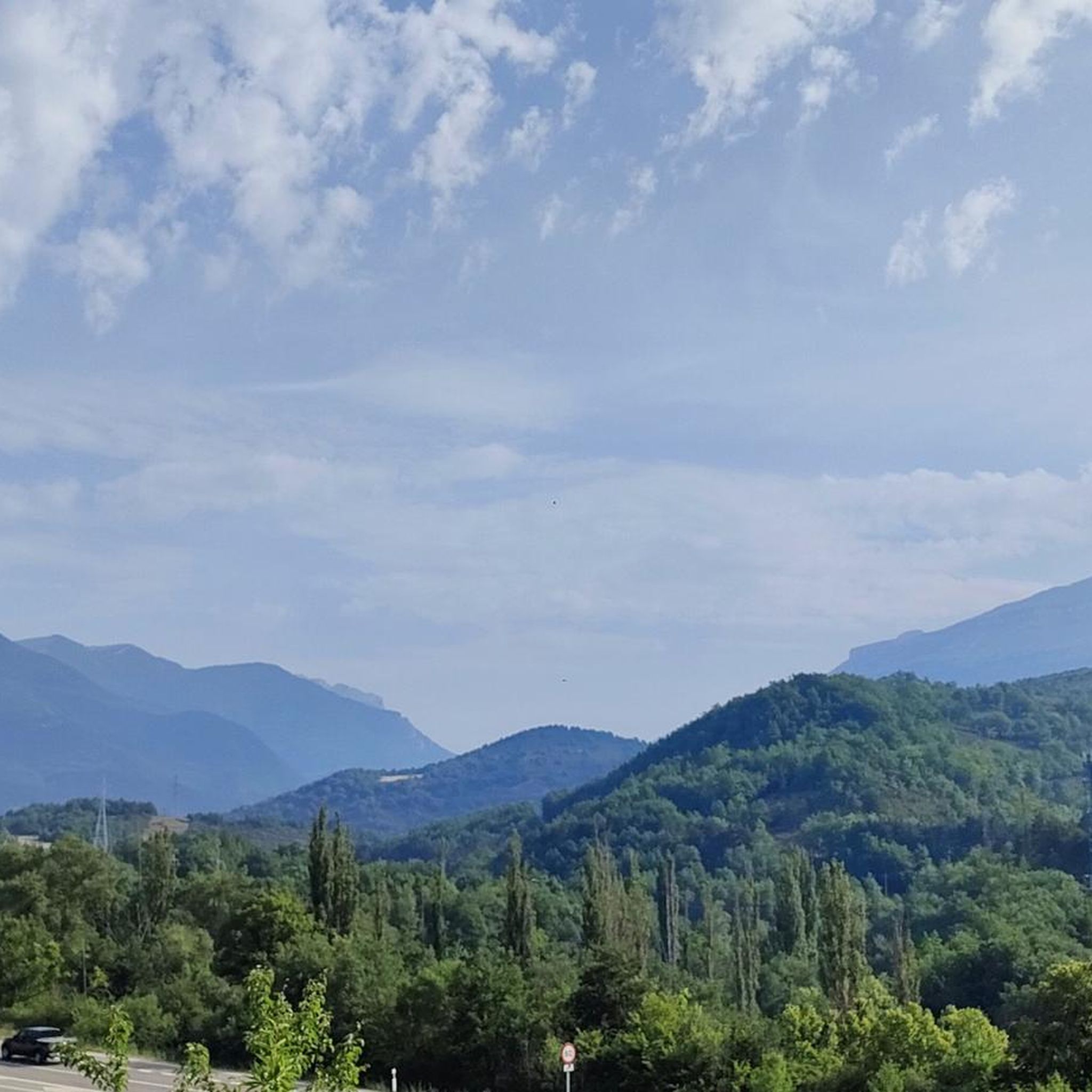
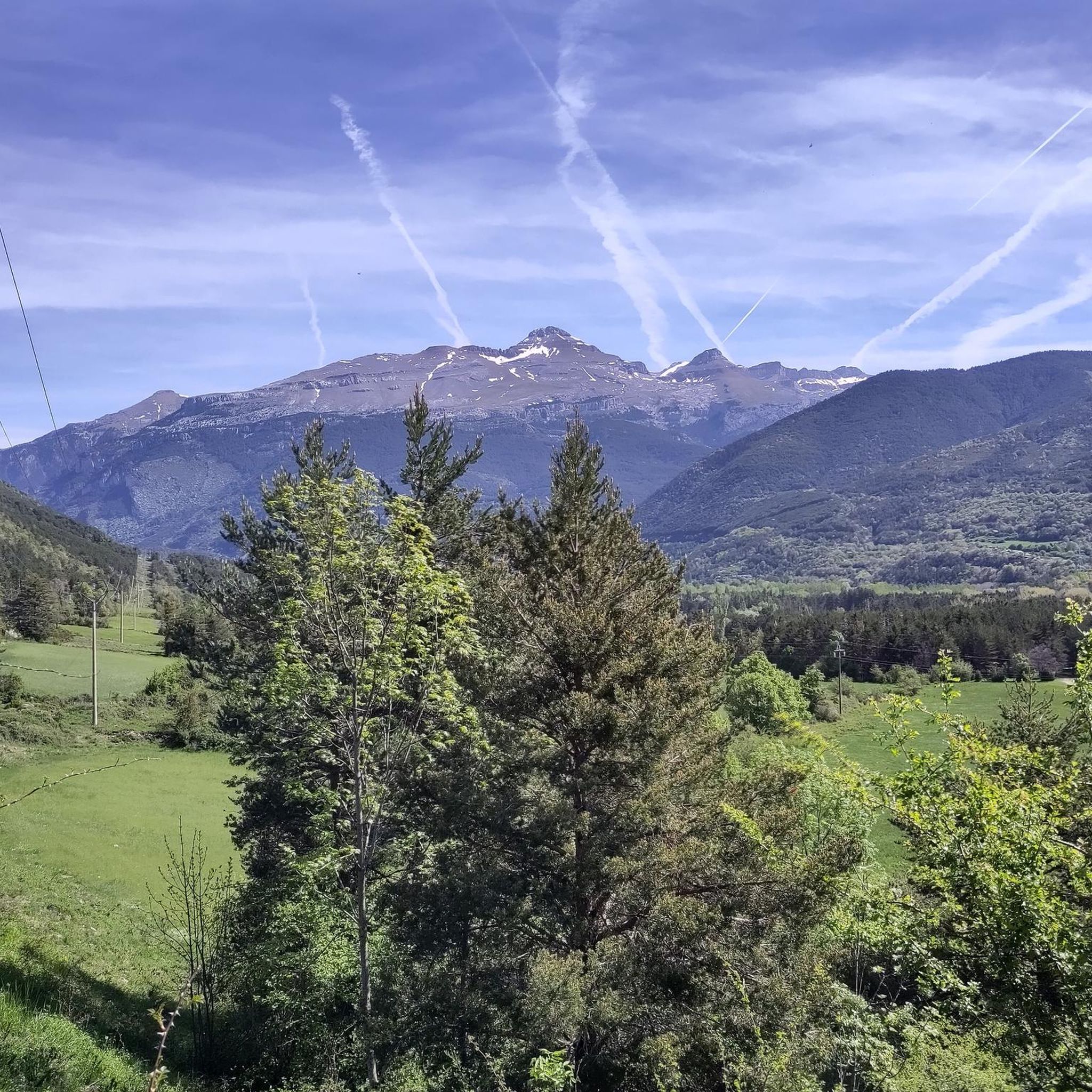
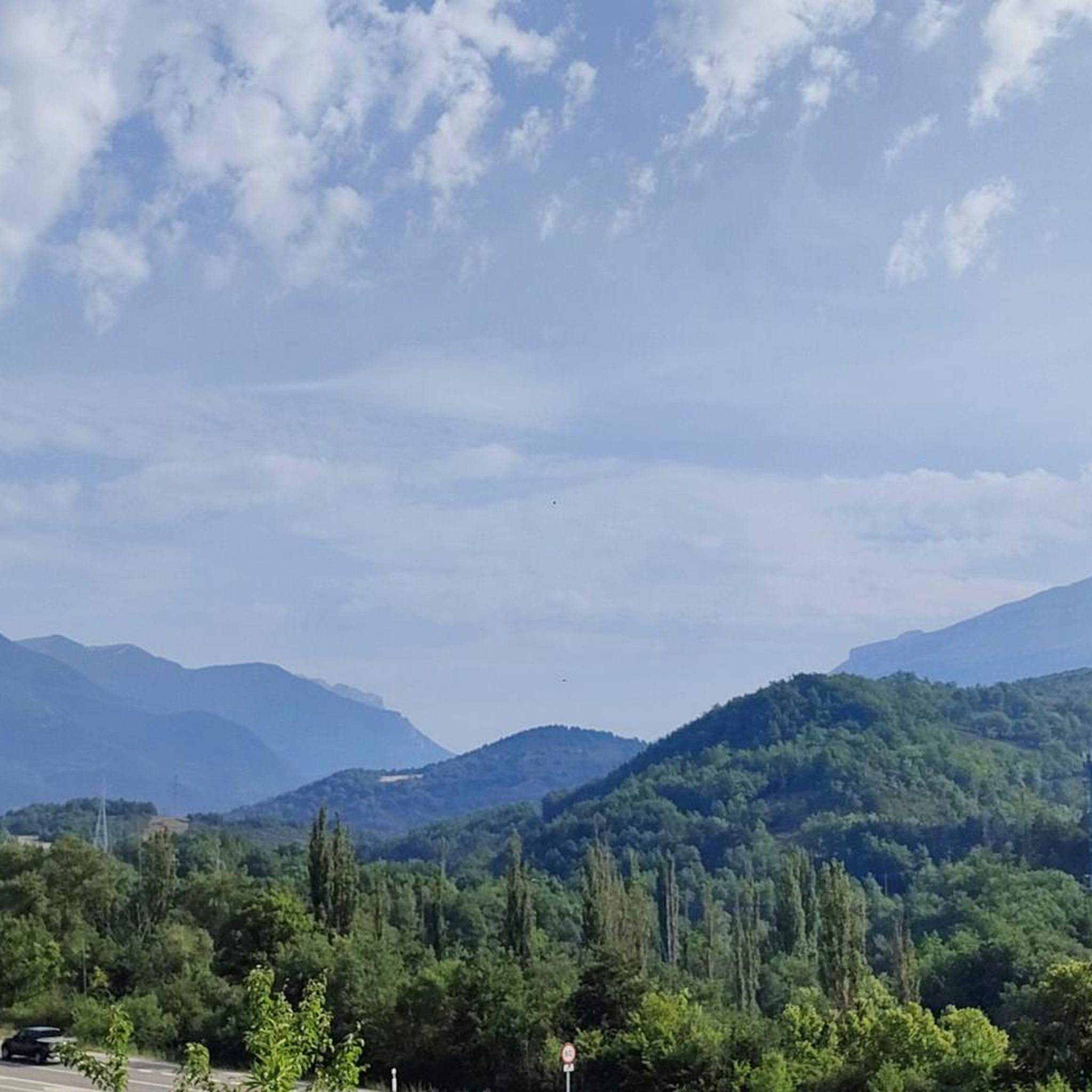
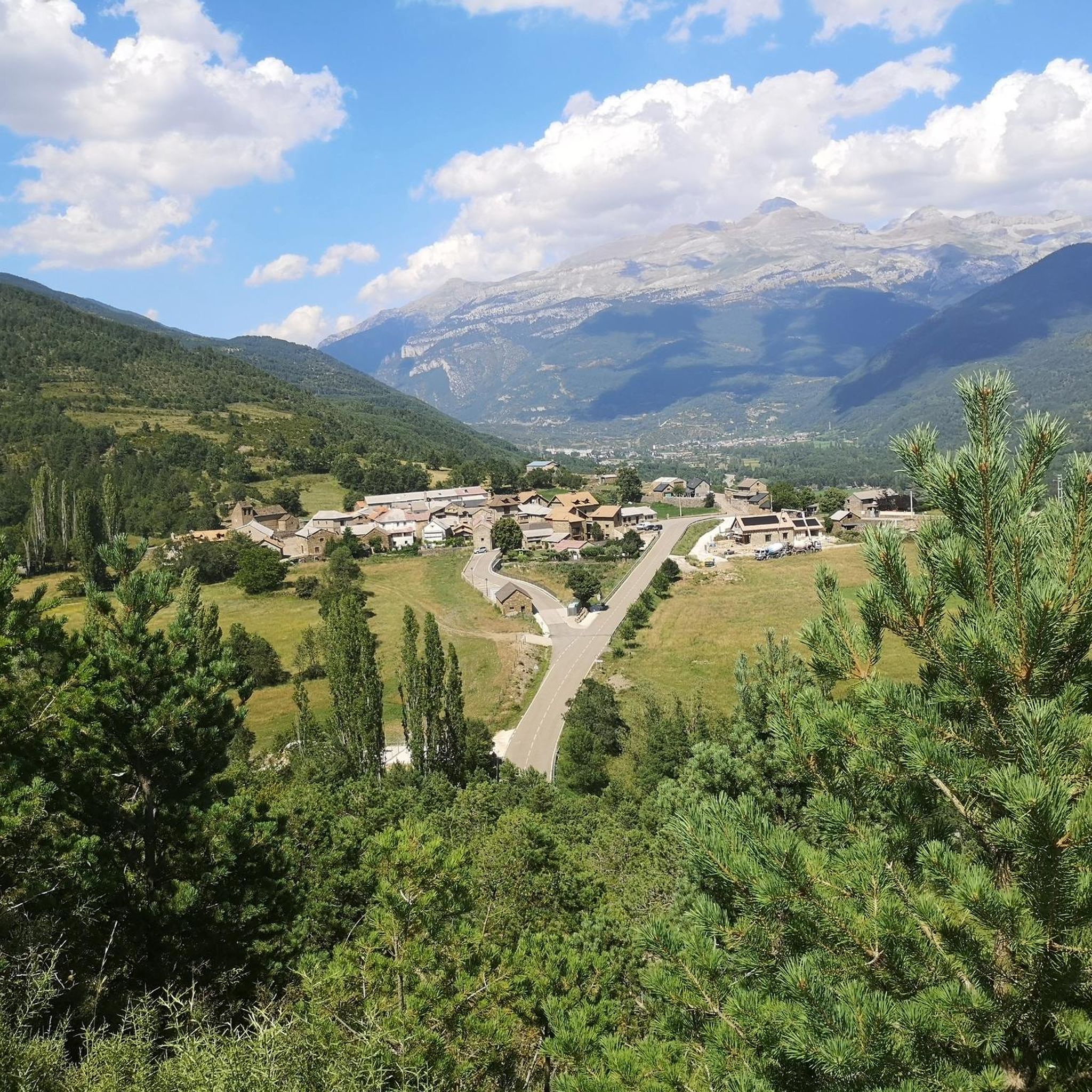


Tips from the Community

Canfranc Station looks like a massive French palace got dropped right into a narrow mountain valley! Nicknamed the "Titanic of the Mountains," this huge Beaux-Arts station opened in 1928 and has a crazy history packed with WWII spy networks and secret gold shipments. It fell into quiet, ghostly ruins for decades after cross-border trains stopped in 1970, but it recently got an epic second life. The whole place was restored into a luxury hotel.
1
0
Sitting right at 1,754 meters on the Spanish side of the border, Lake Estanés (Ibón de Estanés) is a total Pyrenean classic. Grassy basin at the foot of towering, rugged limestone peaks, this spot feels completely timeless the second you step down to the shore. Also it's a local favorite and literally never disappoints!
1
0

Brand new five-star hotel, very fancy. Even butlers in costume!
1
0
Renovated station with normal train traffic.
1
0

Crowded on the way there. Avoid weekends, but the return trip takes you along small paths with magnificent views. https://youtu.be/Ok7Ho9e7DwM?si=Zw-F5dc7hrTHr3sT
0
0


Here the Camino Aragones begins at the top of the pass on the Spanish side of the pass. A great view down into the valley.
1
1
Frequently Asked Questions
What natural attractions can I explore near Villanúa?
Villanúa is surrounded by stunning natural beauty. You can visit the impressive Piedrafita Lake, known for its easy access and beautiful views. The Anayet Lakes, glacial lakes at 2,200m altitude, offer breathtaking scenery below volcanic peaks. Don't miss the Cueva de las Güixas, a fascinating cave system with stalactites and stalagmites, steeped in local legends. Mount Collarada, the highest peak in the Aragón Valley, also offers numerous hiking opportunities.
Are there any historical or cultural sites worth visiting in Villanúa?
Yes, Villanúa boasts a rich historical heritage. The Canfranc International Railway Station is a magnificent man-made monument with a storied past, once a major European railway hub. You can also explore the 11th-century Romanesque Iglesia de San Esteban, home to an ancient wooden Virgin image. The 12th-century Medieval Bridge, part of the Camino de Santiago, and nearby prehistoric dolmens like those of Letranz, Güixas, and Diez Campanas, offer glimpses into the region's ancient history.
What activities are available for families with children in Villanúa?
Families will find plenty to do! The Piedrafita Lake is easily accessible and suitable for all ages, offering beautiful views. Ecoparque El Juncaral provides a range of outdoor activities like zip lines, tree-top circuits, canoing, and fútbol-golf in a forest setting. Many of the hiking trails around Villanúa also offer family-friendly options.
Where can I find hiking trails around Villanúa?
Villanúa is an excellent base for hiking. You'll find numerous routes for all levels, from family-friendly walks to challenging ascents up Mount Collarada. For detailed information and specific routes, explore the Mountain Hikes around Villanúa guide, which includes trails like the challenging Pico Collarada loop.
Are there options for cycling or mountain biking near Villanúa?
Absolutely! The region around Villanúa is popular for both road cycling and mountain biking. The Somport Pass is a significant route for road cyclists. For mountain biking, you can check out the MTB Trails around Villanúa guide, featuring routes like the Espata Refuge – Paco Rock Trail loop. Road cycling enthusiasts can find more options in the Cycling around Villanúa guide.
Can I visit caves in the Villanúa area?
Yes, the Cueva de las Güixas is Villanúa's most famous natural attraction. This impressive cave system, formed during the Quaternary glaciations, features stunning stalactites, stalagmites, and columns. It has historical significance as a refuge since Neolithic times and is associated with local legends. Guided visits are available, and there's an Interpretation Center to learn more about its geology and history.
What is the <a href="https://www.komoot.com/highlight/5013399" target="_blank" rel="noopener">Somport Pass</a> known for?
The Somport Pass, located at 1,632 meters on the border between France and Spain, is a historic crossing point in the Pyrenees. It's a popular destination for road cycling, offering challenging climbs and scenic views. Historically, it was also a crucial section of the Camino de Santiago and is one of the few Pyrenean passes open year-round.
What kind of accommodation or facilities can I find at <a href="https://www.komoot.com/highlight/4414444" target="_blank" rel="noopener">Lizara Refuge</a>?
The Lizara Refuge is a guarded shelter with capacity for 75 people, offering ten rooms with bunk beds, each with a bathroom and shower. It provides a bar, a kitchen for free use, and a dining room where meals are served. You can also order picnic bags for the next day. It's a great starting point for various mountain sports and has nearby parking, though Wi-Fi and mobile coverage can be limited.
What is the best time of year to visit Villanúa for outdoor activities?
Villanúa offers outdoor activities year-round. Summer is ideal for hiking, cycling, and exploring the Ecoparque. In winter, Mount Collarada and the Lizara Refuge area become popular for ski touring, snowshoeing, and cross-country skiing. The shoulder seasons (spring and autumn) provide pleasant temperatures for hiking and fewer crowds, with beautiful natural colors.
What do visitors enjoy most about the attractions around Villanúa?
Visitors frequently praise the stunning natural beauty and the variety of experiences. The easy access and beautiful views at Piedrafita Lake are often highlighted, as are the breathtaking glacial landscapes around the Anayet Lakes. The historical significance and unique architecture of the Canfranc International Railway Station also receive high acclaim from the komoot community.
Are there any abandoned villages to explore near Villanúa?
Yes, the abandoned villages of Cenarbe and Aruej offer a poignant look into the area's past. Aruej features the 12th-century Romanesque church of San Vicente. These sites provide a unique historical exploration opportunity, contrasting with the vibrant natural landscapes.
Most popular routes around Villanúa
Most popular attractions around Villanúa

Get inspired with the komoot mobile app


Explore more
Still not found the Highlight you’re looking for? See guides of the top attractions in other regions:
