The best walks and hikes around Villanúa
4.5
(95)
1,067
hikers
43
hikes
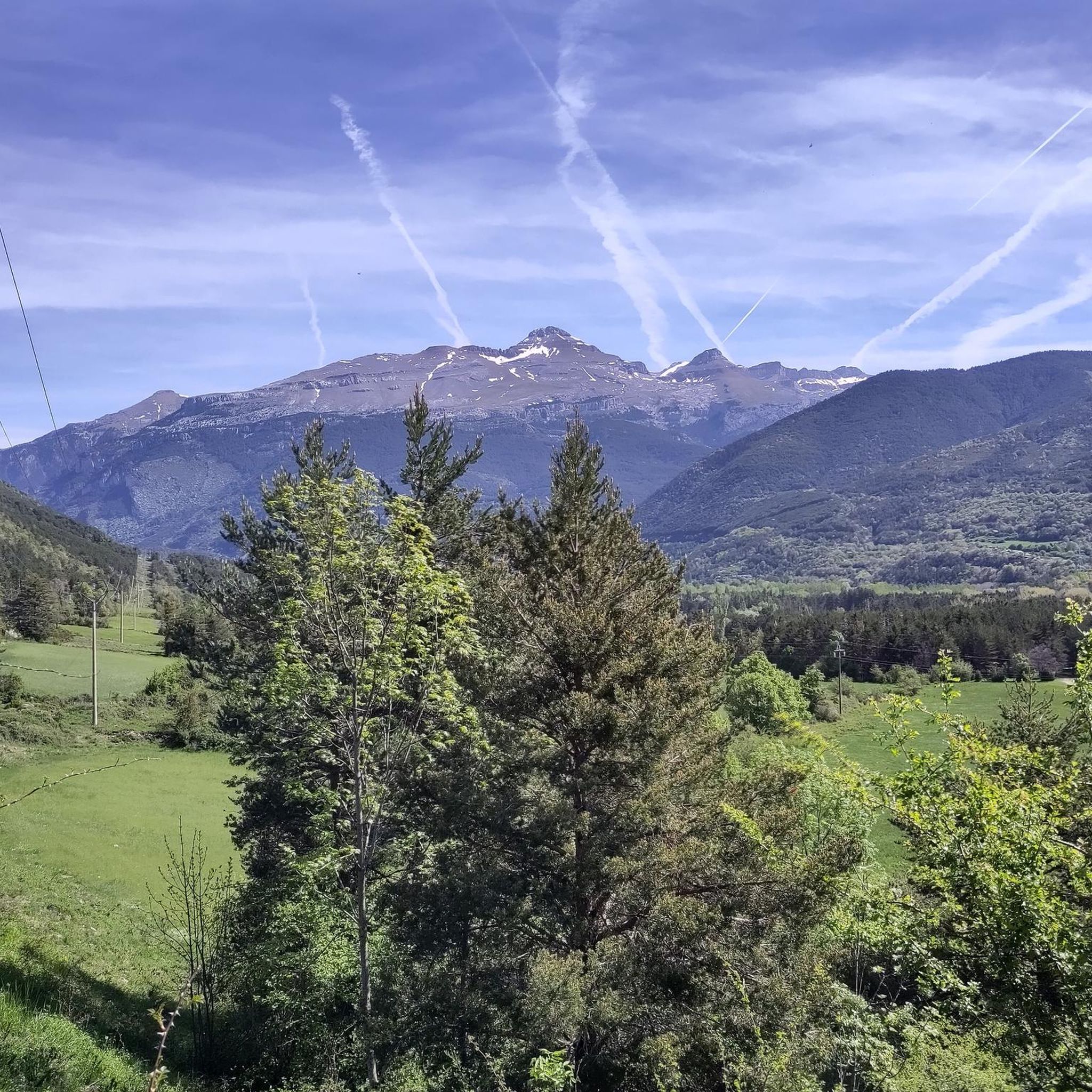
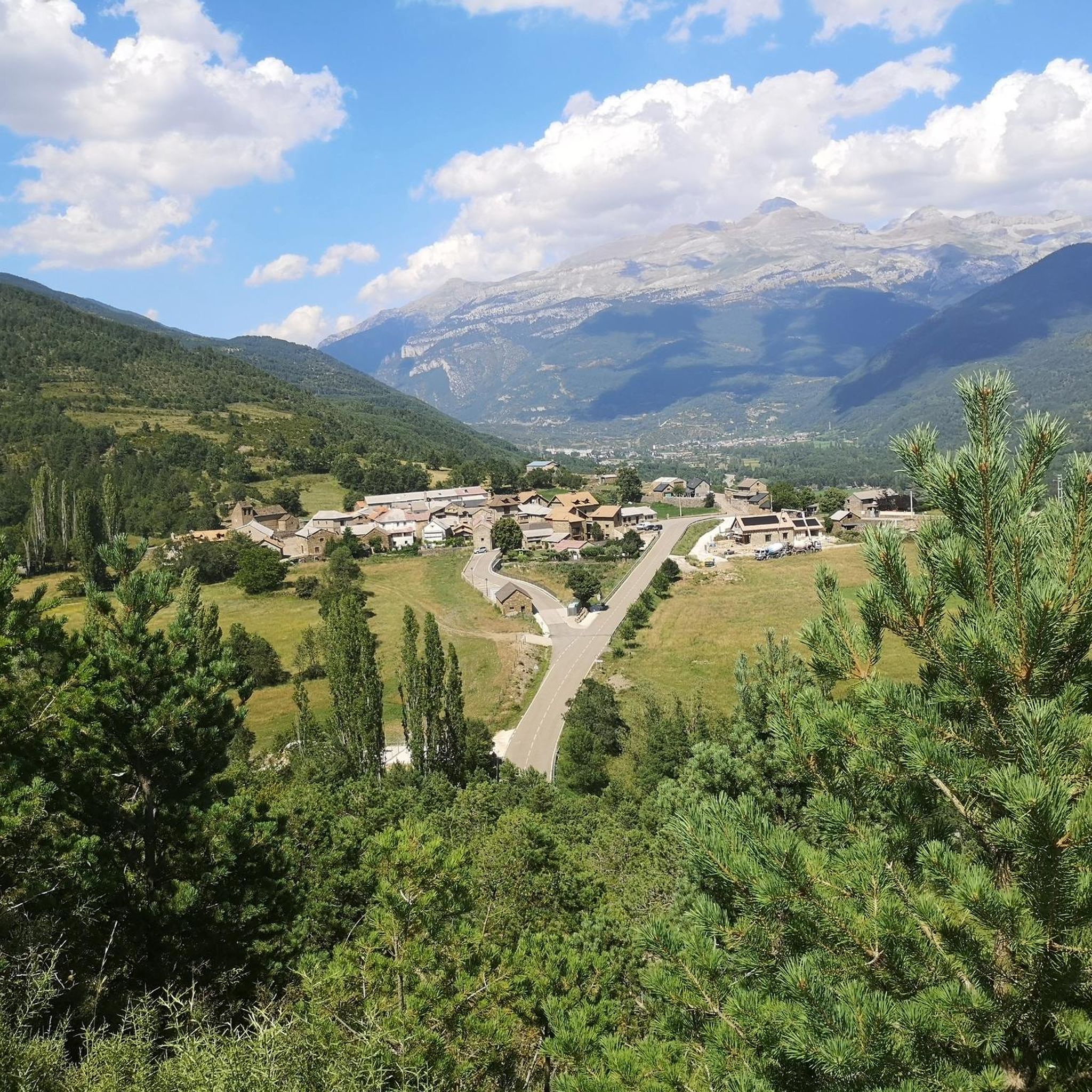
Hiking around Villanúa offers diverse landscapes in the Aragonese Pyrenees, characterized by mountainous terrain and significant natural features. The region is situated at the foot of Mount Collarada, a prominent peak, and features impressive glacial valleys like Canal Roya. The Aragon river flows through the area, complemented by forests and summer pastures.
Best hiking trails in Villanúa
- The most popular hiking route is Peña Collarada – circular desde Villanúa, a 12.1 miles (19.5 km) trail that takes 9 hours 20 minutes to complete. This difficult route offers a challenging high-mountain ascent towards Mount Collarada.
- Another top favourite among local hikers is Cueva de las Guixas – Dolmen de Letranz loop from Villanúa, a moderate 5.3 miles (8.5 km) path. This trail explores historical dolmens and leads towards the Cueva de las Güixas, winding through local forests.
- Local hikers also love the To Villanua – Cueva de las Guixas loop from Villanúa, a 6.1 miles (9.8 km) trail leading through forests and past the Cueva de las Güixas, often completed in about 2 hours 40 minutes.
- Hiking around Villanúa is defined by high mountain peaks, glacial valleys, and historical sites like dolmens and the Cueva de las Güixas. The network offers options for various ability levels, from easy family walks to challenging multi-hour treks.
- The routes in Villanúa are highly rated by the komoot community with an average score of 4.4 stars from over 70 reviews. More than 800 hikers have used komoot to explore Villanúa's varied terrain.
Last updated: September 1, 2026
5.0
(2)
17
hikers
19.5km
09:20
1,860m
1,860m
Hard hike. Very good fitness required. Mostly accessible paths. Sure-footedness required.
3.9
(9)
107
hikers
7.58km
02:30
290m
300m
Moderate hike. Good fitness required. Mostly accessible paths. Sure-footedness required.

Sign up for free
4.0
(4)
52
hikers
15.5km
04:48
480m
480m
Moderate hike. Good fitness required. Mostly accessible paths. Sure-footedness required.
4.8
(9)
60
hikers
10.1km
02:47
160m
160m
Moderate hike. Good fitness required. Mostly accessible paths. Sure-footedness required.
4.8
(4)
49
hikers
14.5km
07:37
1,600m
1,600m
Hard hike. Very good fitness required. Mostly accessible paths. Sure-footedness required.
Get access to more routes and recommendations from other explorers.
Sign up for free
Already have an account?
Our route recommendations are based on thousands of hikes, rides, and runs completed by other people on komoot.
Start today with a free account
Your next adventure awaits.
Login or Signup


Tips from the Community

Impressive wooden sculptures, shade (hence the name, a "paco" is a shady spot) and cool water.
0
0

Or rather, a reception to head towards the guided tour of the Guixas cave.
1
0
Small church, in the center of the village of Villanua.
1
0

We left early to avoid the heat, a pleasant walk and good views
1
0

Hermitage of San Vicente. Today private property.
0
0

Nice refuge in the middle of the forest
0
0

The Puente de los Peregrinos, also known as Puente de Abajo, Puente del Cementerio or historically as Pon Nou (in the extinct Canfranc dialect) is a bridge located in the municipality of Canfranc, Province of Huesca (Spain). It is a bridge of medieval origin, probably from the 12th century although its current construction mostly dates from the late 16th and early 17th centuries. This bridge is historically linked to the Camino de Santiago and due to this it was included in 2014 as part of the catalogue of individual assets inscribed in the World Heritage Site within the site known as Caminos de Santiago in Spain.
1
0

Dolmen that we found integrated into the wall of a field. One of the three that can be visited in the municipality of Villanúa.
0
0
Frequently Asked Questions
How many hiking trails are available around Villanúa?
Villanúa offers a comprehensive network of over 30 marked hiking trails. These routes cater to a wide range of abilities, from easy walks suitable for families to challenging multi-hour treks in the high mountains.
Are there easy or beginner-friendly hiking routes in Villanúa?
Yes, Villanúa has several easy routes perfect for beginners or those seeking a relaxed walk. For instance, trails like "Villanúa - Cenarbe" and "Punta de La Selva in Villanúa" are categorized as easy. Overall, there are at least 3 easy routes available in the area.
What kind of natural landmarks can I see while hiking near Villanúa?
The region boasts stunning natural features. You can explore impressive glacial valleys like Canal Roya and Valle de los Sarrios, or visit beautiful high-mountain lakes such as Estanés Lake, Piedrafita Lake, and Anayet Lakes. The Aragon river also flows through the area, adding to the picturesque landscape.
Are there any historical or cultural attractions accessible via hiking trails?
Absolutely. Villanúa is rich in history. You can hike to the fascinating Cueva de las Guixas, a cave known for its stalactites and stalagmites, and rumored to be a meeting place for witches. The area also features three ancient dolmens—Letranz, Güixas, and Diez Campanas—dating back to 3,000 BC, which can be discovered on pleasant walks through the forests. Additionally, the Aragonese Way of the Camino de Santiago passes through Villanúa, including a 12th-century medieval bridge.
Are there any circular hiking routes in Villanúa?
Yes, many routes in Villanúa are circular, allowing you to start and end in the same location. An example is the To Villanua – Cueva de las Guixas loop from Villanúa, which takes you through forests and past the Cueva de las Güixas.
What is the best time of year to go hiking in Villanúa?
The best time for hiking in Villanúa generally depends on the desired experience. Summer offers access to high-mountain ascents and a 4x4 service to the La Trapa refuge for routes towards Mount Collarada. Spring and autumn provide pleasant temperatures and vibrant scenery for lower and moderate trails. Winter is suitable for ski touring and snowshoeing in higher elevations, but requires appropriate gear and experience.
Are there family-friendly hiking options in Villanúa?
Yes, Villanúa offers several easy walks suitable for families. These trails are generally shorter and have less elevation gain, allowing everyone to enjoy the natural beauty of the Aragonese Pyrenees.
What do other hikers say about the trails in Villanúa?
The hiking routes in Villanúa are highly regarded by the komoot community, holding an average rating of 4.4 stars from over 70 reviews. More than 800 hikers have explored the diverse terrain, often praising the stunning mountain scenery, the well-maintained paths, and the blend of natural and historical attractions.
Can I reach trailheads using public transport in Villanúa?
While Villanúa is a well-known destination, specific public transport options directly to all trailheads might be limited. It's advisable to check local bus schedules or consider the 4x4 service available in summer for access to higher mountain areas like La Trapa refuge, which serves as a starting point for routes towards Mount Collarada.
Are there challenging hikes for experienced trekkers?
Absolutely. Villanúa is an excellent base for challenging high-mountain ascents. For experienced trekkers, the difficult Peña Collarada – circular desde Villanúa is a demanding 19.5 km route with significant elevation gain, offering a true high-mountain experience towards Mount Collarada.
Are there any long-distance hiking opportunities in the area?
For those seeking longer treks, Villanúa is part of the Aragonese Way of the Camino de Santiago, offering a unique long-distance cultural and historical hiking experience. Additionally, some local routes, like the Dolmen de Letranz – Cueva de las Guixas loop from Aruej, extend up to 15 km, providing a good challenge for a day hike.
What wildlife might I encounter on the trails?
While hiking in the Villanúa region, especially around natural features like Lake Estaens and in the summer pastures, you might spot local wildlife. Keep an eye out for grazing herds of horses and cows, and if you're observant, you might even catch a glimpse of marmots and chamois in the higher elevations.
Most popular routes around Villanúa
Most popular attractions around Villanúa

Get inspired with the komoot mobile app


Explore more
Browse the best Hikes in other regions.
