Attractions and Places To See around Gallegos Del Río - Top 17
Best attractions and places to see around Gallegos Del Río include a blend of traditional charm and natural beauty in the province of Zamora, Castile and León, Spain. The region is characterized by its rich heritage, evident in architectural and natural attractions. Visitors can explore traditional stone houses, historical sites, and natural features like the Aliste River, which defines much of the landscape. The area offers diverse outdoor experiences for those seeking cultural immersion and natural exploration.
Best attractions and…
Last updated: June 29, 2026
Alba Castle
Highlight • Castle
Translated by Google •
Tip by

Fidionda Spring
Highlight • Natural Monument
Translated by Google •
Tip by

Sign up now to discover places like this
Get recommendations on the best single tracks, peaks, & plenty of other exciting outdoor places.
Sign up for free
Aliste River in Vegalatrave
Highlight • River
Translated by Google •
Tip by
Castro de Valdemera
Highlight • Historical Site
Before beginning the access to the rocky ridges we find a spring …
Translated by Google •
Tip by
Traditional Stone Architecture of Rabanales
Highlight • Settlement
Translated by Google •
Tip by

Sign up for free to discover even more attractions around Gallegos Del Río.
Sign up for free
Already have an account?
Start today with a free account
Your next adventure awaits.
Login or Signup

Tips from the Community

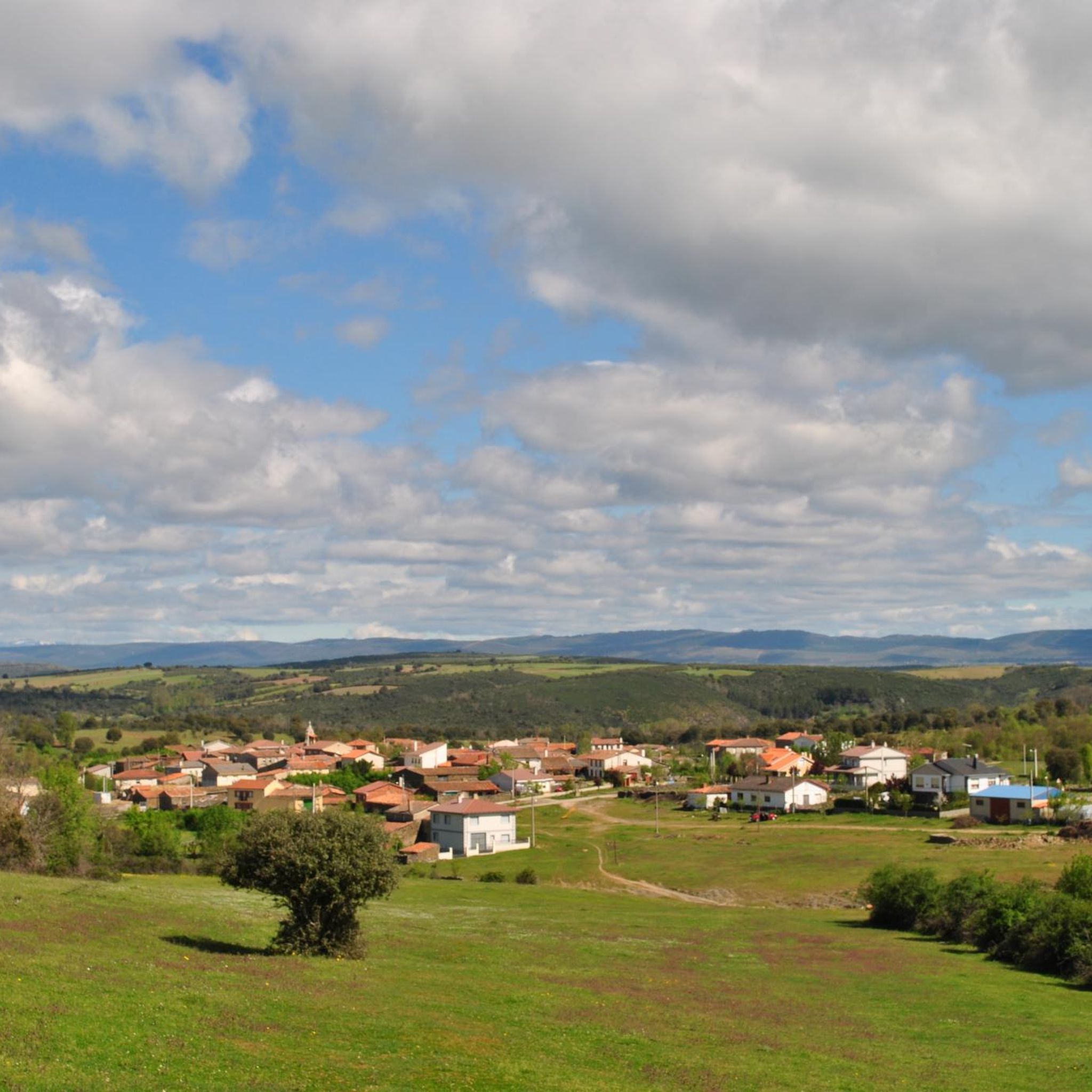
Rabanales is known in the Aliste region for preserving a historic center with abundant examples of traditional stone architecture, a hallmark of western Zamora. This architecture is characterized by its robustness, its integration with the landscape, and the use of local materials. The traditional houses and buildings are constructed primarily with local stone, especially granite, which provides solidity and a distinctive rustic aesthetic.
2
0

Fortress on a defensive hill that dominates the Aliste river. The ruined castle offers spectacular views of the river canyon.
1
0
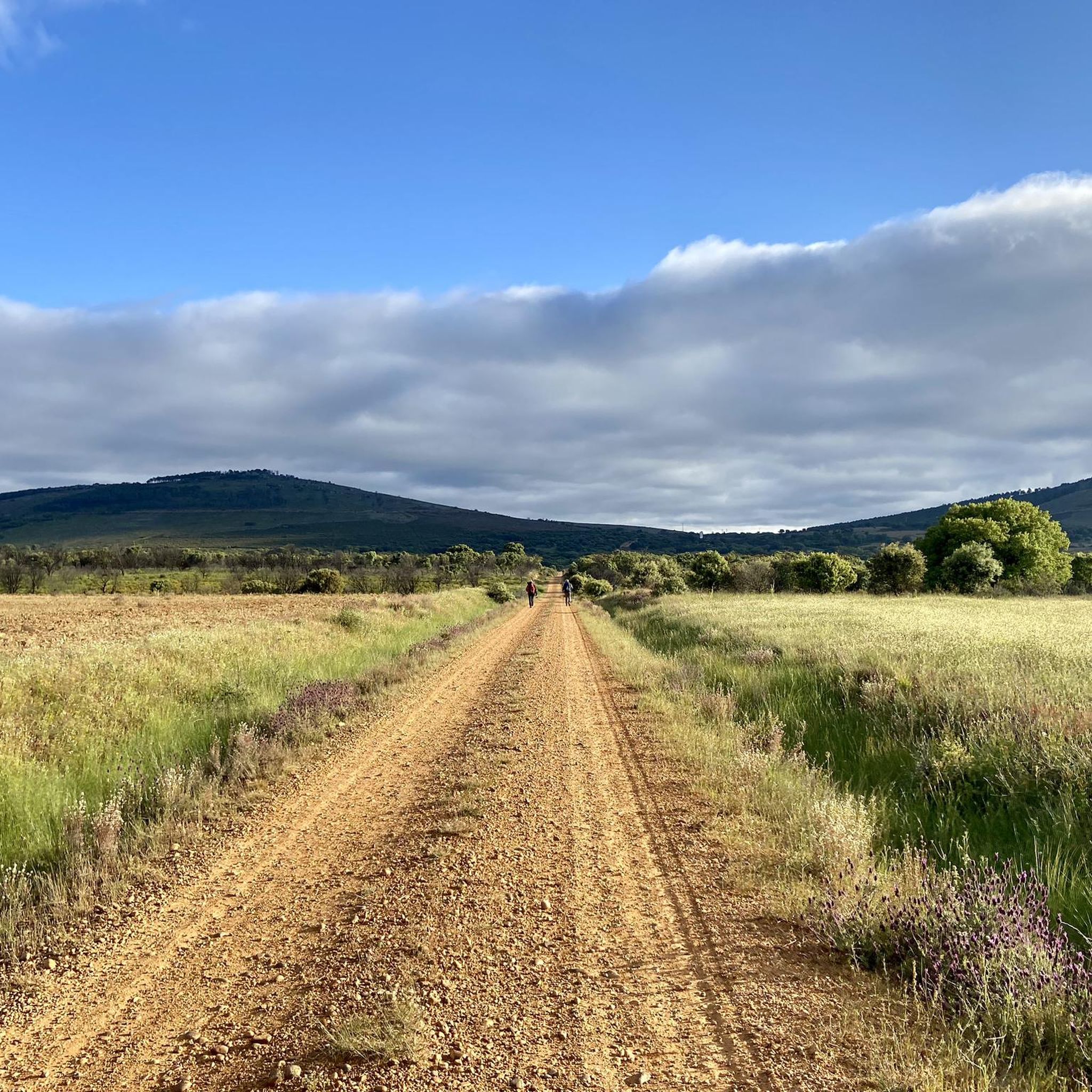
The landscape can be completely different depending on the time of year you travel through this region. The Aliste river changes with the rainy season and could completely dry up around Vegalatrave.
2
0
Rabanales is a small town located in the Aliste region with the typical traditional local architecture of masonry buildings.
1
1

Walking through the dense pine forests, we come across the stone outcrop where the Castro de Valdemera sits. Before beginning the access to the rocky ridges we find a spring in the same rock, surrounded by stones, which rather forms a deep pool. From the top we can see the walled complex of the castro, surrounded by the remains of the wall. Climbing to the top of the stones, we can contemplate the entire Sierra de la Culebra and give you an idea of how big the castro was.
1
0
We are in Rabanales, located in the Aliste region and near the border with Portugal. This town has an urban area with large samples of traditional Aliste stone architecture. It is worth visiting the parish church of El Salvador and next to the church, we will find a phallus, a Roman symbol of fertility.
1
1
The town of Grisuela is well known in the Aliste region for its springs, one of which contains sulfur water, called "La Fidionda", with an unpleasant smell and taste, but appreciated for its healing powers for eczema and skin wounds. Grisuela is located in the Aliste region of Zamora, about 13 km from Alcañices, and borders with Portugal in a place that is difficult to access. For its term it crosses the Cebal river, a tributary of the Aliste.
1
0
Frequently Asked Questions
What historical sites can I explore around Gallegos del Río?
You can visit the ruins of Alba Castle, which stands on a defensive hill overlooking the Aliste River and offers spectacular views. Another significant historical site is Castro de Valdemera, an ancient walled complex nestled within pine forests, providing insights into the region's past. The local Parish Church in Gallegos del Río is also notable for housing the 'Cristo de las Injurias' and a valuable silver cross.
What natural attractions are there to visit in the area?
The Aliste River in Vegalatrave is a central natural feature, with its landscape changing seasonally. You can also discover Fidionda Spring in Grisuela, known for its sulfurous water and traditional healing properties. The surrounding area is rich in flora, especially mushrooms in autumn, and diverse fauna, including the Iberian wolf.
Are there opportunities for outdoor activities like hiking or cycling near Gallegos del Río?
Yes, the region is ideal for various outdoor activities. For hiking, you can explore routes like the 'Castillo de Alba de Aliste Trail' or the 'Rabanales Trail'. Cyclists can enjoy routes such as 'Valle de la ribera del Río Aliste' for road cycling or 'Los Castros' for mountain biking. You can find more details and routes on the Hiking around Gallegos Del Río, MTB Trails around Gallegos Del Río, and Road Cycling Routes around Gallegos Del Río guide pages.
What kind of traditional architecture can I see in the region?
Gallegos del Río and its surrounding hamlet villages, such as Domez de Alba, Flores, and Lober, are characterized by their traditional stone houses, many featuring interesting engravings. The town of Rabanales, in particular, preserves a historic center with abundant examples of traditional Aliste stone architecture, known for its robustness and use of local granite.
What is the best time of year to visit Gallegos del Río for outdoor activities?
The region offers different experiences throughout the year. Autumn is particularly noted for its abundance of mushrooms, making it a great time for nature walks. The Aliste River's landscape changes seasonally, influencing the surrounding environment, so visiting in spring or early summer can offer lush green scenery, while autumn provides vibrant colors.
Are there any easy hiking routes suitable for beginners?
Yes, there are several easy hiking options. Routes like the 'Alba Castle – Castle of Alba de Aliste loop from Los Milanos' and the 'Abejera Shoeing Frame loop from Abejera' are rated as easy, making them suitable for beginners or those looking for a more relaxed walk. You can find these and other routes on the Hiking around Gallegos Del Río guide page.
What are some nearby villages worth visiting for their traditional charm?
Beyond Gallegos del Río itself, exploring the surrounding hamlet villages offers a glimpse into local life and architecture. Villages like Domez de Alba, Flores, Lober, Puercas, Tolilla, and Valer feature local religious buildings, bridges, and mills, all constructed with regional stone and slate, showcasing authentic traditional charm.
What makes the Aliste River significant to the area?
The Aliste River is considered the municipality's greatest natural asset, lending its name to the entire region. It irrigates the surrounding land, contributing to the rich flora and fauna, and its changing landscape throughout the seasons defines much of the natural beauty of the area. It's a focal point for both natural exploration and scenic views.
What kind of wildlife can I expect to see in the region?
The area around Gallegos del Río boasts a diverse fauna. A notable species in the region is the Iberian wolf. Visitors interested in wildlife spotting might also encounter various birds and other local animals in the natural surroundings, particularly along the Aliste River and in the more secluded natural areas.
Are there any local traditions or festivities in Gallegos del Río?
Gallegos del Río celebrates its patron saint, San Pedro, with an important festivity. During this celebration, traditionally cooked octopus is a culinary highlight, offering visitors a taste of local customs and flavors. These festivities provide a vibrant insight into the community's cultural heritage.
Where can I find the best viewpoints in the Gallegos del Río area?
For spectacular views, head to Alba Castle, which offers panoramic vistas of the Aliste River canyon from its defensive hill. Another excellent spot is Castro de Valdemera, where climbing to the top of the stone outcrop allows you to contemplate the entire Sierra de la Culebra.

Get inspired with the komoot mobile app


Explore more
Still not found the Highlight you’re looking for? See guides of the top attractions in other regions:
