Attractions and Places To See around Huércanos - Top 20
Attractions and places to see around Huércanos offer a blend of historical landmarks, cultural sites, and natural beauty in the autonomous region of La Rioja. Situated near the River Yalde, the landscape features extensive vineyards, reflecting the area's viticultural tradition. El Cuento Mountain, at 821 meters, marks the eastern ascent of the terrain. This region provides opportunities to explore historical architecture and scenic routes.
Best attractions and places to see around Huércanos
- The most popular attractions is Poyo de Roldán…
Last updated: June 23, 2026
Poyo de Roldán Stone Hut
Highlight • Structure
Translated by Google •
Tip by

Former hospital of San Juan de Acre
Highlight • Historical Site
Translated by Google •
Tip by
Sign up now to discover places like this
Get recommendations on the best single tracks, peaks, & plenty of other exciting outdoor places.
Sign up for free
Church of Nuestra Señora de la Asunción
Highlight • Religious Site
Translated by Google •
Tip by

Osborne Bull
Highlight • Monument
Translated by Google •
Tip by

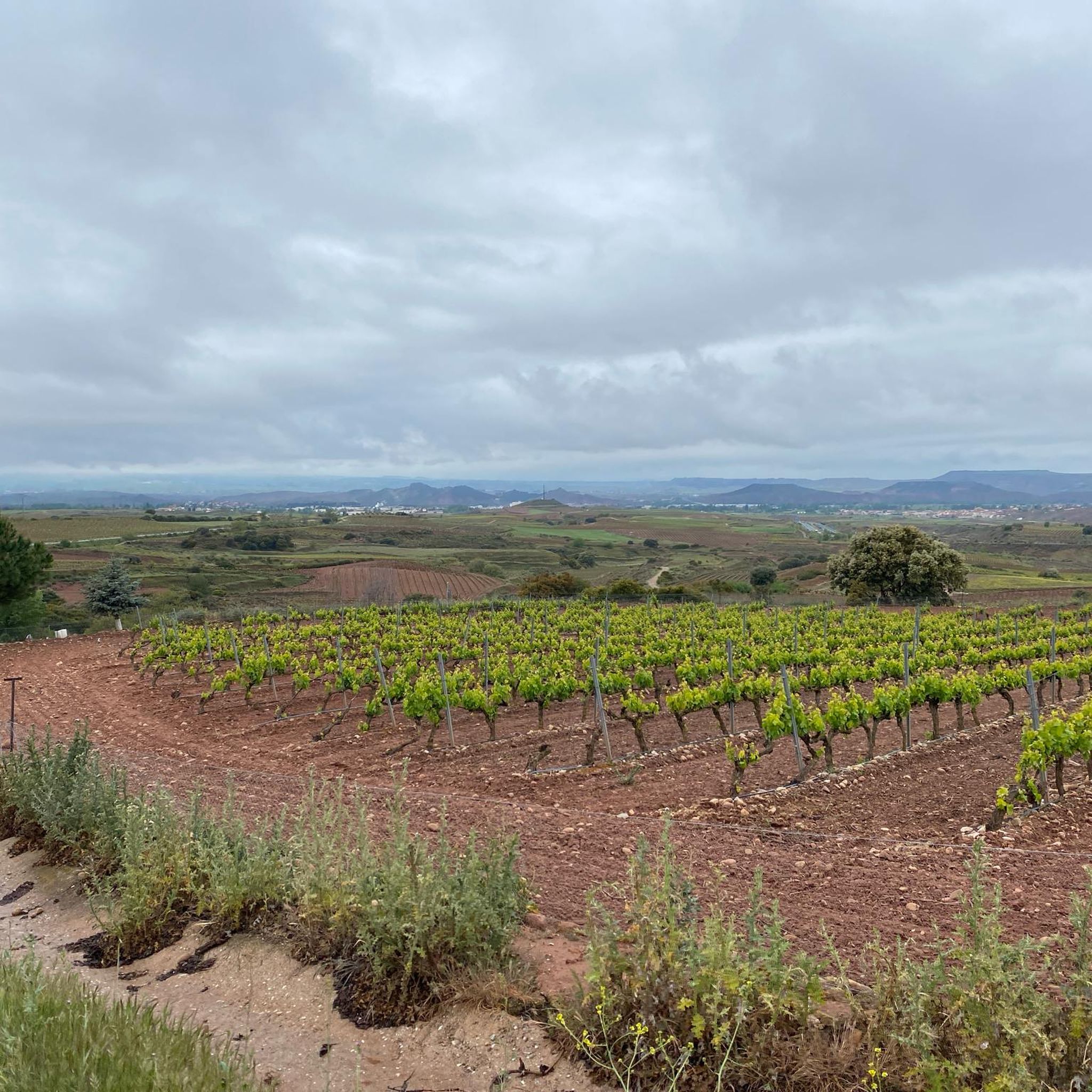
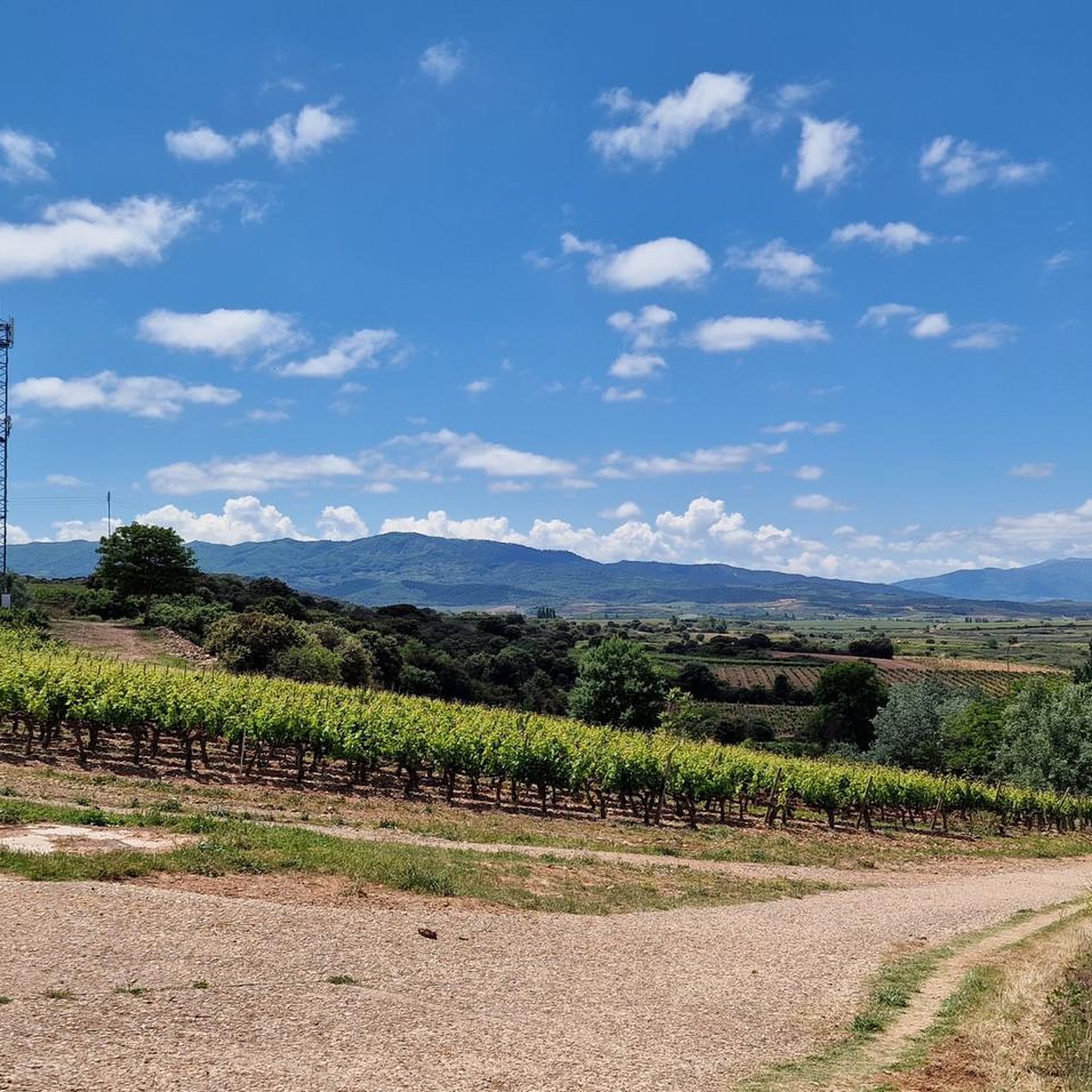
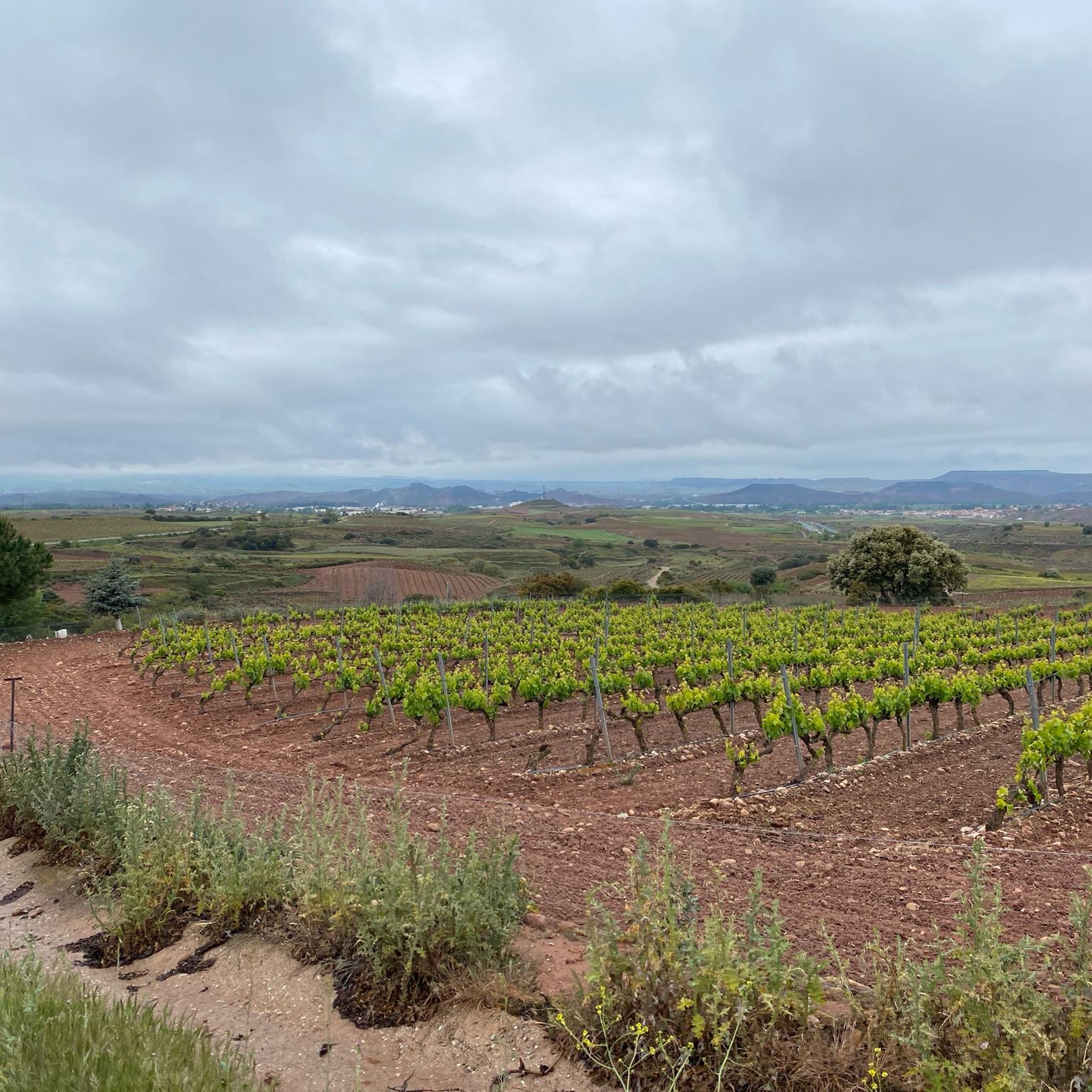
Vineyards Between Logroño and Nájera
Highlight • Natural
Tip by

Sign up for free to discover even more attractions around Huércanos.
Sign up for free
Already have an account?
Start today with a free account
Your next adventure awaits.
Login or Signup
Tips from the Community

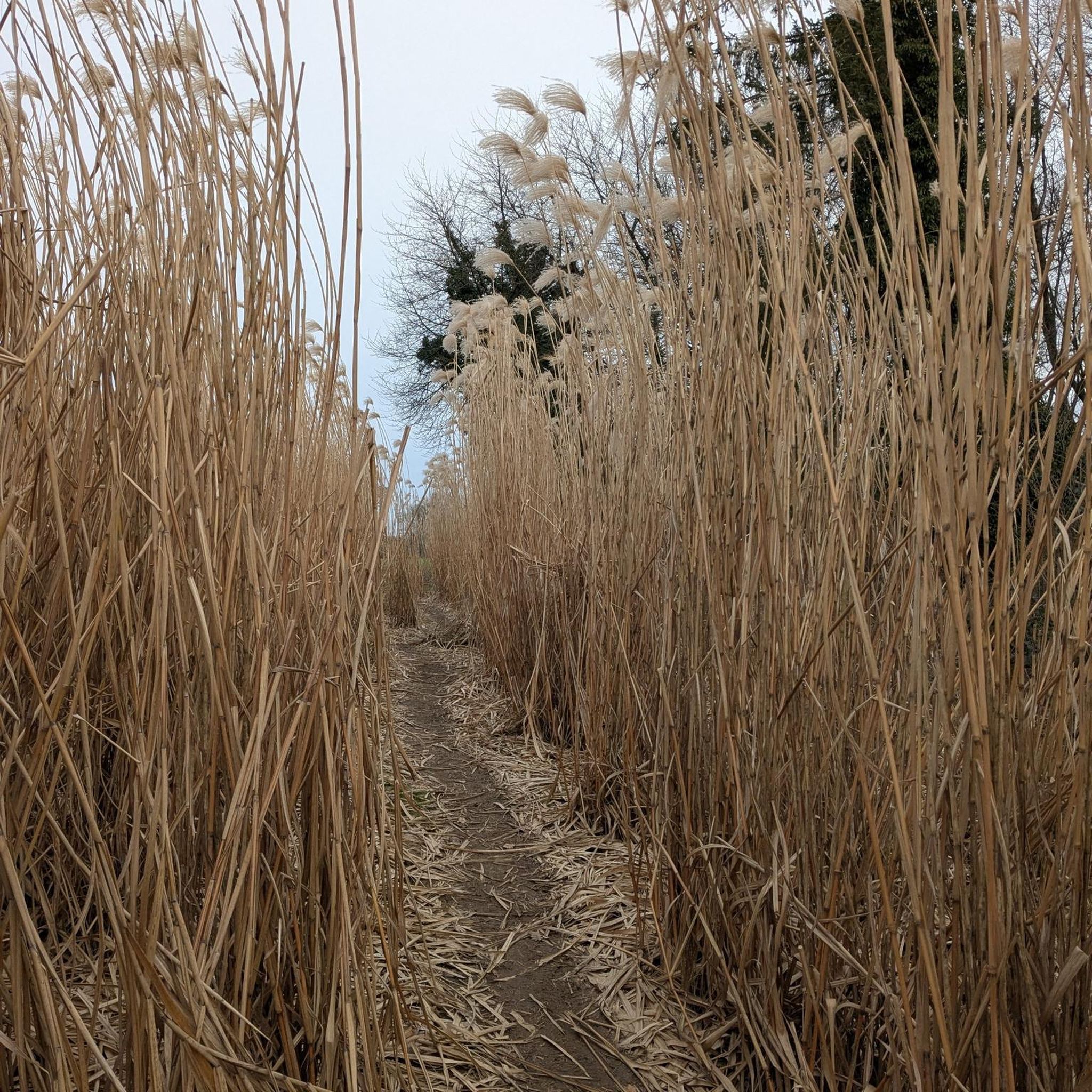
"There remains to be added," writes Sigfried Grän OFM in 'Noah, the Builder of the Ark and Inventor of Viticulture,' "what we omitted above in our summary of the Noah story. Noah not only survives the Flood and, after his rescue, offers a burnt offering to the Creator. He also incidentally becomes the inventor of viticulture. (...) In ancient Israel, the vine was considered the noblest of all plants. To own a vineyard, to enjoy its fruits, and to rest in the peace of its shade was... the epitome of a happy and blessed existence." (Source: "In the Land of the Lord. Franciscan Journal for the Holy Land," Issue 4/2024)
3
2

The Church of Santa María de la Asunción is a parish church in the historic center of the municipality of Navarrete (La Rioja). The Renaissance-style church is located in the highest area of the town. One of the church's notable elements is the Baroque-style main altar. [2] The church has a three-aisled floor plan.
0
0
The Hospital of Saint John of Acre was a medieval pilgrims' hostel in the municipality of Navarrete in La Rioja (Spain). [1] It was founded in 1185 and was a hostel for pilgrims on their way to Santiago de Compostela.
0
0
The Great Black Bull: The story of Spain's most iconic billboards dates back to the founding of a Cadiz brandy and sherry winery by an Englishman named Osborne. The bulls originally stood up to 4 meters tall and bore the Osborne name in red letters. The herd grew to 500 before anti-billboard legislation threatened their existence. Following a public outcry, they were removed from the street, the lettering removed, and rebuilt to a height of 14 meters.
1
0

A very interesting and majestic bull sitting here on the hill.
1
0

It's always amazing what huge churches were built in these small towns along the Camino. It's definitely worth taking a look inside the church.
2
0

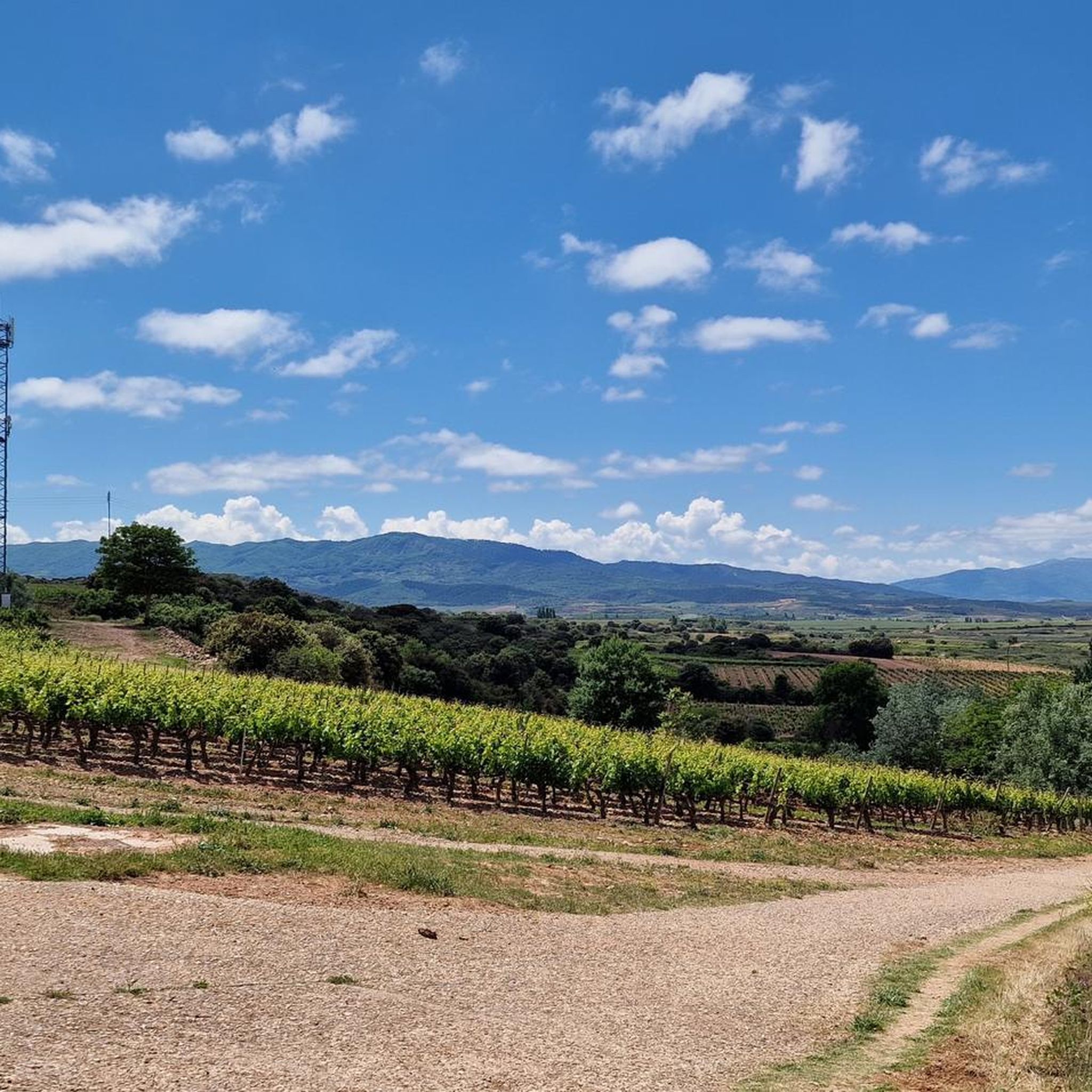
A hill that has its own legend: in the castle of Nájera lived Farragut or Ferragut, a Syrian giant descended from Goliath and stronger than him, who fought and defeated the best warriors of Charlemagne except Roldán, who one day from the poyo spotted the giant sitting at the door of his castle. Roldán picked up a round stone weighing two arrobas (~22kg) and threw it in the direction of the giant, whom he hit in the forehead, knocking him down. Since then the hill has been called Poyo de Roldán.The stone hut is likely a traditional stone vineyard shelter.
2
0
Well preserved ruins of an ancient pilgrims hospital, adjacent to the Don Jacobo bodega, and by the side of the route
0
0
Frequently Asked Questions
What historical sites can I explore in Huércanos?
Huércanos offers a rich history with several notable sites. You can visit the 16th-century Parish Church of San Pedro, known for its impressive star-ribbed vaults, or the San Pantaleón Chapel, built in 1657. The town also features the emblematic Former hospital of San Juan de Acre, a significant historical site that served pilgrims on the Camino de Santiago. Additionally, the reconstructed El Rollo (Jurisdictional Roll) symbolizes the town's historical privileges, and the 16th-century Casa Palacio de los García-Baquero showcases local nobility.
Are there any religious landmarks worth visiting in Huércanos?
Yes, Huércanos is home to several important religious landmarks. The Parish Church of San Pedro, dating back to the 16th century, is a central architectural symbol. Another significant site is the San Pantaleón Chapel, built in the 17th century following a plague. You can also visit the Church of Nuestra Señora de la Asunción, a beautiful religious building dedicated to the Blessed Mother of God Santa Maria, which is appreciated by visitors for its historical significance and architecture.
Where can I experience the vineyard landscapes of La Rioja near Huércanos?
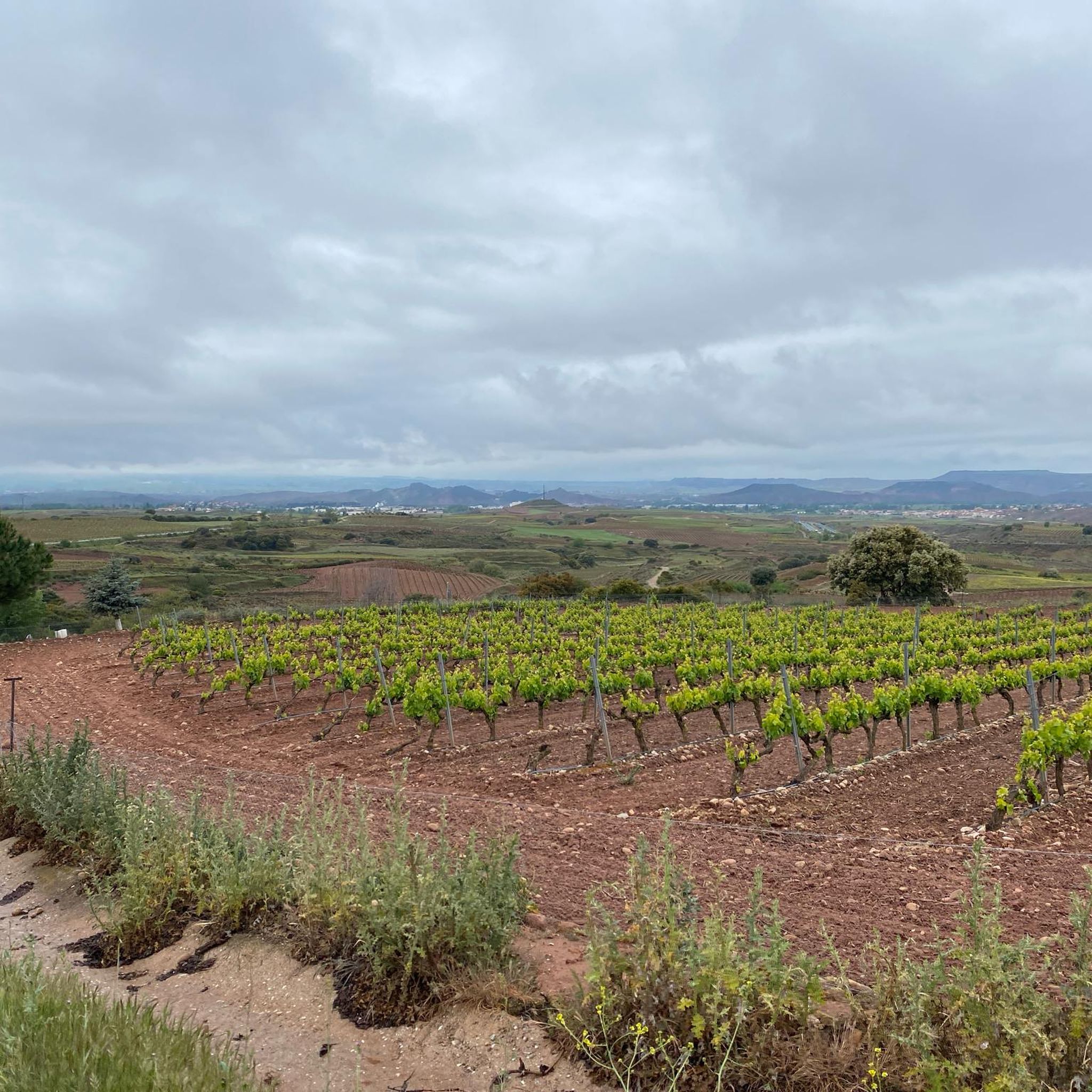
Huércanos is nestled in the heart of La Rioja's wine region, surrounded by extensive vineyards. These landscapes are perfect for experiencing the area's viticultural essence. You can explore picturesque routes through these vineyards, combining natural beauty with rural heritage. A specific highlight is the Vineyards Between Logroño and Nájera, which offers a beautiful landscape on the Camino Francés.
What outdoor activities are available around Huércanos?
The natural environment around Huércanos, including the banks of the River Yalde and the ascent towards El Cuento Mountain, provides excellent opportunities for outdoor activities. You can enjoy hiking through the vineyard landscapes. For cycling enthusiasts, there are numerous routes available, including road cycling, touring bicycle routes, and gravel biking options. You can find more details on these activities in the guides for Road Cycling Routes around Huércanos, Cycling around Huércanos, and Gravel biking around Huércanos.
Are there family-friendly attractions in the area?
Yes, several attractions around Huércanos are suitable for families. The Former hospital of San Juan de Acre and the Church of Nuestra Señora de la Asunción are both marked as family-friendly historical sites. The Vineyards Between Logroño and Nájera also offer a pleasant, family-friendly environment for walks. Additionally, the Osborne Bull is a recognizable landmark that can be a fun stop for families.
What is the legend behind the Poyo de Roldán Stone Hut?
The Poyo de Roldán Stone Hut is associated with a local legend involving Roland (Roldán) and a giant named Farragut. The story tells of Roland spotting the giant from the 'poyo' (hill) and throwing a heavy stone, hitting the giant and knocking him down. Since then, the hill has been known as Poyo de Roldán. The stone hut itself is likely a traditional vineyard shelter, adding to the charm of this legendary spot.
What is the significance of the Former hospital of San Juan de Acre?
The Former hospital of San Juan de Acre holds significant historical importance as it was founded in 1185 along the Camino de Santiago. These 'hospitals' in the Middle Ages were crucial resting places, providing food, security, and care for pilgrims. Archaeological excavations have revealed the well-preserved ruins of the hospital and a large church, offering a glimpse into the life of pilgrims centuries ago.
When is the best time to visit Huércanos to enjoy its attractions?
The best time to visit Huércanos largely depends on your interests. To experience the vibrant vineyard landscapes, late summer and early autumn (around harvest time) are particularly picturesque. For outdoor activities like hiking and cycling, spring and early autumn offer pleasant temperatures. The town also celebrates various festivities, such as those in honor of San Matías in February and the 'Marcha del Agua de las 24 horas' in late April, which could be interesting cultural experiences.
Are there any viewpoints offering scenic panoramas around Huércanos?
Yes, the region around Huércanos offers several scenic viewpoints. The Poyo de Roldán Stone Hut provides beautiful views of the surroundings. Additionally, the extensive vineyard landscapes, such as the Vineyards Between Logroño and Nájera, offer picturesque vistas, especially during harvest season. El Cuento Mountain, at 821 meters, also contributes to the scenic beauty of the area.
What kind of architecture can I see in Huércanos?
Huércanos showcases a blend of historical and civil architecture. The Parish Church of San Pedro is a prime example of 16th-century religious architecture with its impressive star-ribbed vaults. For civil constructions, you can observe the 16th-century Casa Palacio de los García-Baquero and the 17th-century Casa Consistorial (Town Hall), both featuring ashlar details, coats of arms, and decorative openings that reflect the local nobility.
What do visitors enjoy the most about the attractions in Huércanos?
Visitors to Huércanos particularly enjoy the blend of historical and natural beauty. The Poyo de Roldán Stone Hut is appreciated for its legend and beautiful views. The Former hospital of San Juan de Acre is valued for its well-preserved ruins and historical significance along the Camino de Santiago. Many also find the Church of Nuestra Señora de la Asunción to be a significant architectural landmark. The extensive vineyard landscapes, like the Vineyards Between Logroño and Nájera, are also highly praised for their natural beauty and opportunities for outdoor exploration.
Are there options for gravel biking around Huércanos?
Yes, Huércanos and its surroundings offer excellent opportunities for gravel biking. You can explore routes like the 'Mymerak gravel route of the monasteries and pilgrims' or various vineyard loops. These routes allow you to experience the region's natural beauty and rural paths. For detailed routes and difficulty levels, refer to the Gravel biking around Huércanos guide.
Most popular routes around Huércanos
Most popular attractions around Huércanos

Get inspired with the komoot mobile app


Explore more
Still not found the Highlight you’re looking for? See guides of the top attractions in other regions:
