The best road cycling routes around Tapada Nacional de Mafra
4.5
(97)
2,660
riders
145
rides
Road cycling routes around Tapada Nacional de Mafra traverse a diverse landscape characterized by extensive forested areas, including maritime pines and cork oaks, within a preserved natural and cultural heritage site. The region features varied terrain, offering both paved and unpaved segments, with routes that explore different valleys and climb to higher points. This area provides a serene environment for road cyclists, with abundant tree cover offering shade. The terrain includes elevation changes, providing varied challenges for different fitness levels.
…Last updated: August 28, 2026
13
riders
59.6km
03:00
970m
970m
Hard road ride. Very good fitness required. Mostly well-paved surfaces and easy to ride.
12
riders
68.8km
03:22
950m
940m
Hard road ride. Very good fitness required. Mostly well-paved surfaces and easy to ride.

Sign up for free
10
riders
111km
05:28
1,630m
1,630m
Hard road ride. Very good fitness required. Mostly well-paved surfaces and easy to ride.
5
riders
49.7km
02:33
780m
780m
Moderate road ride. Good fitness required. Mostly well-paved surfaces and easy to ride.
5.0
(3)
83
riders
Moderate road ride. Good fitness required. Mostly well-paved surfaces and easy to ride.
Get access to more routes and recommendations from other explorers.
Sign up for free
Already have an account?
Our route recommendations are based on thousands of hikes, rides, and runs completed by other people on komoot.
Start today with a free account
Your next adventure awaits.
Login or Signup
Tips from the Community

The National Palace of Mafra, located in the town of Mafra, Portugal, is a monumental complex that includes a palace, a convent, a basilica, and the Tapada de Mafra (hunting grounds). Construction began in 1717, commissioned by King John V of Portugal in fulfillment of a vow for the succession of his wife, and it is the most important monument of Portuguese Baroque. Since 2019, the Palace has been a UNESCO World Heritage Site.
2
0
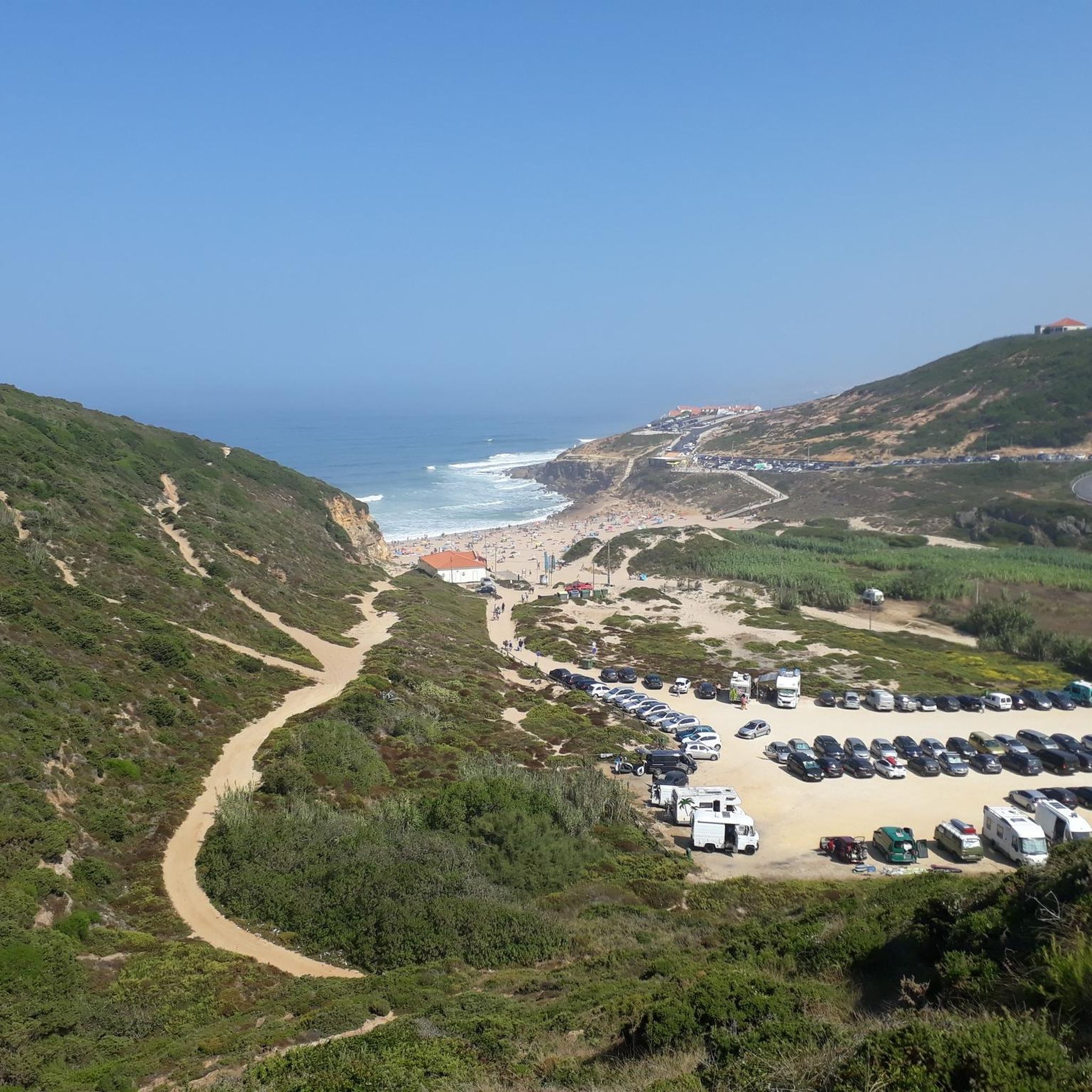
The Miradouro da Praia do Sul viewpoint, located in Ericeira, in the municipality of Mafra, Portugal, is a privileged observation point to admire the Atlantic coast. From there, it's possible to have a panoramic view over Praia do Sul (also known as Praia da Baleia), the village, and the Ericeira World Surfing Reserve. Features and what to see Praia do Sul: The beach, which is about 400 meters long, is visible from the viewpoint. Next to a nearby hotel, there is a natural pool protected by a rocky breakwater, offering calmer conditions for swimming. Ericeira Village: The viewpoint also provides views over the village of Ericeira, known for its fishing tradition and its importance as a surfing destination. Walking path: The beach is crossed by a walking path that connects the village to the viewpoint, making it an easily accessible place for walks. Sunset: The sunset view from the viewpoint is one of the highlights of the visit. Information about access Location: The viewpoint is located at the top of a cliff, at the end of a steep ramp leading to Praia do Sul (South Beach). Accessibility: Although access to the beach can be steep in some places, the viewpoint offers an accessible view. Trails: The region also offers trekking trails that may include the viewpoint and Praia do Sul.
2
0
The Miradouro Praia da Foz do Lizandro is an incredible tourist spot located in Carvoeira, Lisbon, Portugal. It offers stunning views of Foz do Lizandro beach and the Atlantic Ocean. The beach itself is known for its ideal conditions for surfers and bodyboarders, and is also a popular destination for families due to its calm waters and golden sand.
2
0

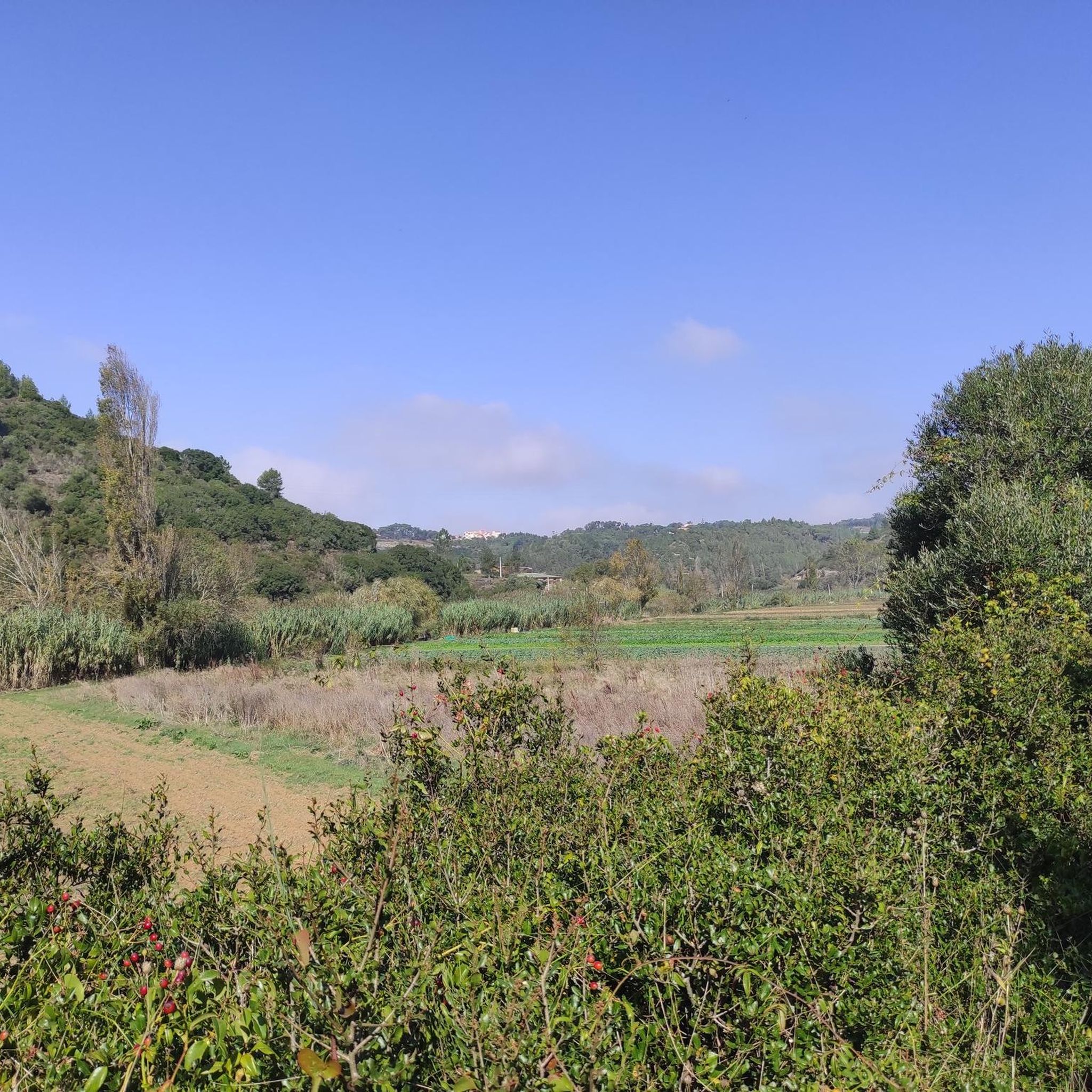
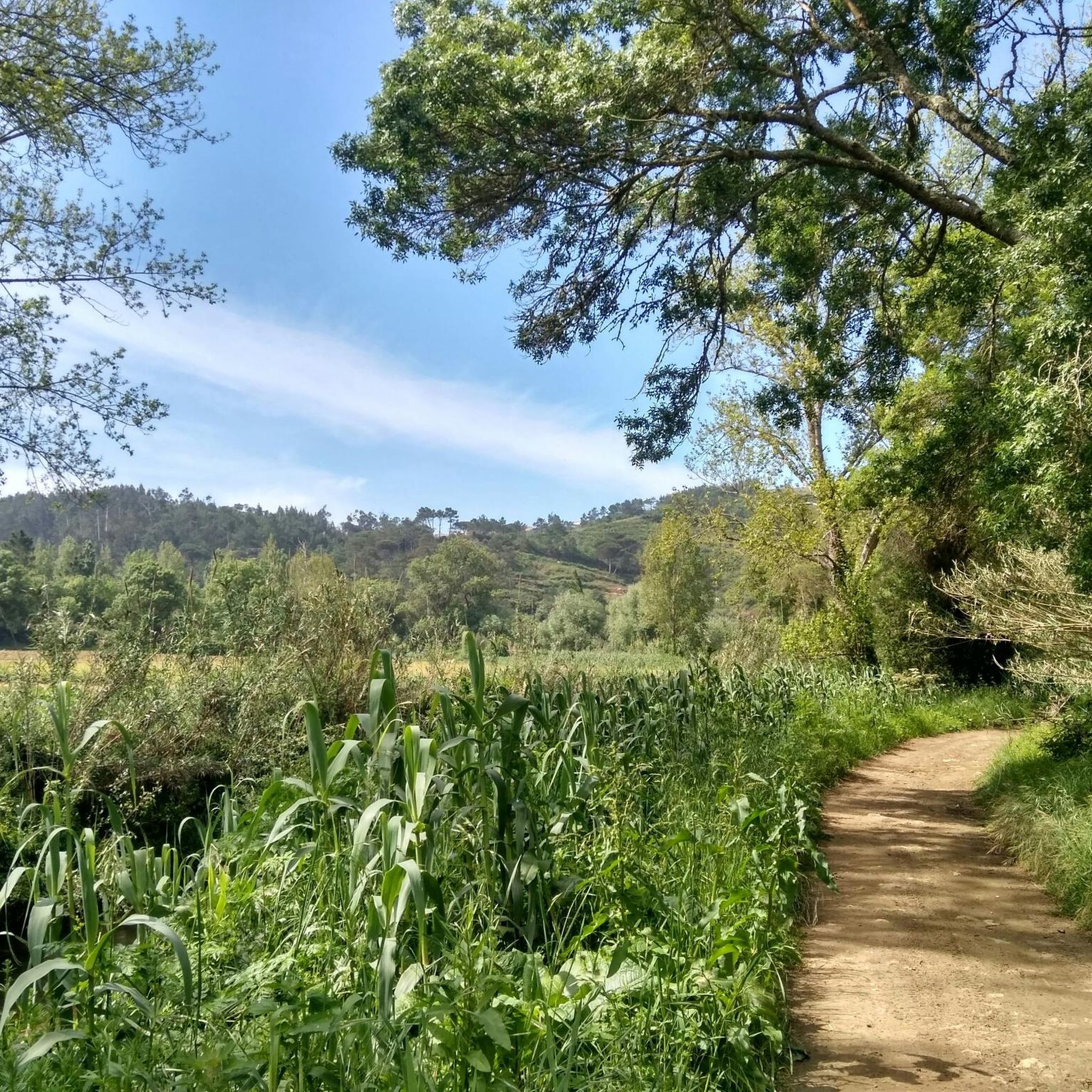
Beautiful area, great floor, exciting climbs and descents.
0
0

Can be seen directly from the parking lot.
8
2

Frequently Asked Questions
How many road cycling routes are available around Tapada Nacional de Mafra?
There are over 150 road cycling routes available around Tapada Nacional de Mafra, catering to various skill levels. You'll find a diverse selection, from easier rides to challenging routes with significant elevation gain.
What kind of terrain can I expect on road cycling routes around Tapada Nacional de Mafra?
The terrain around Tapada Nacional de Mafra is quite varied. You can expect extensive forested areas with maritime pines and cork oaks, offering plenty of shade. Routes often feature both paved and unpaved segments, exploring different valleys and climbing to higher points, providing diverse challenges and panoramic views.
Are there challenging road cycling routes for experienced riders?
Yes, the region offers several challenging routes. For example, the Long Descent – Forte do Mosqueiro loop from Mafra is a difficult 113.1 km path featuring substantial climbs and extended riding. Another demanding option is the Long Descent – Forca Viewpoint loop from Mafra, a 68.9 km trail with significant elevation gain and panoramic views.
Are there any moderate road cycling routes suitable for intermediate cyclists?
Absolutely. A popular moderate route is the Porta do Codecal – Long Descent loop from Mafra, a 49.6 km trail that takes you through forested areas and open terrain. Another great option is the Picanceira Climb – Castelo de Torres Vedras loop from Mafra, covering 63.7 km with varied elevation.
What do other road cyclists enjoy most about cycling in Tapada Nacional de Mafra?
The area is highly rated by the komoot community, with an average score of 4.6 stars from over 80 reviews. Reviewers often praise the diverse landscapes, the serene forested environment, and the varied terrain that offers both challenging climbs and rewarding descents.
What natural features can I see while road cycling in the region?
While cycling, you'll encounter vast forested areas with ancient trees like maritime pines, cork oaks, and Portuguese oaks. The park's ecosystem also includes streams and springs, contributing to the scenic appeal. Keep an eye out for wildlife such as deer, wild boar, and various bird species, especially in quieter areas.
Are there any historical landmarks or points of interest along the road cycling routes?
Yes, the region is rich in history. You can explore the Lime Kiln of Tapada de Mafra, a historical monument within the Tapada. The nearby Mafra National Palace, Basilica, and Convent are also part of the UNESCO World Heritage site, offering insights into Portugal's royal heritage.
Is there parking available for cyclists near Tapada Nacional de Mafra?
Yes, there are parking facilities available, particularly near the main entrances of Tapada Nacional de Mafra. These areas provide convenient starting points for your road cycling adventures.
What is the best time of year to go road cycling around Tapada Nacional de Mafra?
The best time to go road cycling is generally during spring and autumn when the weather is milder. The extensive tree cover provides considerable shade, which is beneficial for longer rides, especially during warmer weather in late spring and early autumn. Summers can be hot, while winters are generally mild but can be wet.
Are there any circular road cycling routes in the area?
Many of the routes around Tapada Nacional de Mafra are designed as loops, offering circular journeys. Examples include the Praia do Sul (Ericeira) – Sintra Air Museum loop from São Miguel de Alcainça, which takes you through diverse landscapes and coastal views, and the previously mentioned loops starting from Mafra.
Can I combine road cycling with other activities in the region?
Absolutely. The Tapada Nacional de Mafra is also known for wildlife observation, with opportunities to spot deer and wild boar. You can also visit the Tapada History Museum or the Mafra National Palace, Basilica, and Convent to delve into the region's cultural heritage, making for a well-rounded day out.
Are there cafes or places to get refreshments near the cycling routes?
Yes, within the Tapada Nacional de Mafra, there are facilities that offer places to purchase snacks and refreshments. Additionally, the town of Mafra and nearby villages provide various cafes and restaurants where you can refuel before or after your ride.
Most popular routes around Tapada Nacional de Mafra
Most popular attractions around Tapada Nacional de Mafra

Get inspired with the komoot mobile app


Explore more
Browse the best Road cycling routes in other regions.
