Attractions and Places To See around Corpa - Top 20
Best attractions and places to see around Corpa include a mix of historical sites, cultural landmarks, and natural features within the autonomous community of Madrid, Spain. This small municipality is characterized by its rural charm, traditional architecture, and a rich natural environment situated in the Campiña del Henares. The area features rugged terrain, numerous springs, and diverse ecosystems, making it an Important Bird Area. Visitors can explore its heritage through designated local routes that highlight significant historical and natural points…
Last updated: May 9, 2026
Goyeneche Palace of Nuevo Baztán
Highlight • Historical Site
Translated by Google •
Tip by

Ruins of Alcalá la Vieja Fortress
Highlight • Historical Site
Translated by Google •
Tip by

Sign up now to discover places like this
Get recommendations on the best single tracks, peaks, & plenty of other exciting outdoor places.
Sign up for free
Cervantes Square
Highlight • Historical Site
Translated by Google •
Tip by

Valmores Fountain
Highlight • Monument
Translated by Google •
Tip by

Pioz Castle
Highlight • Castle
Translated by Google •
Tip by
Sign up for free to discover even more attractions around Corpa.
Sign up for free
Already have an account?
Start today with a free account
Your next adventure awaits.
Login or Signup
Tips from the Community


The Valmores watering hole was restored in 2022, recovering an essential piece in the ethnographic heritage of Pezuela de las Torres. The first references to the fountain appear in the Topographic Relations of 1578. In 1735, reforms and improvements were made to the original spring, making it essential in the daily life of the countryside. The construction has a functional design to water livestock at a crossroads of the Alcarreño moor with trees and benches to take a break.
0
0
The unique urban style of Nuevo Baztán maintains the original Baroque model from the beginning of the 18th century, designed by José de Churriguera by order of Juan de Goyeneche, who had permission from Charles II to build glass, paper and textile factories on Spanish territory. The Navarrese businessman was originally from Arizkun, in the Baztán Valley, but spent time in Madrid because he had other properties and professional relations with the Court. He chose the site of Madrid's Alcarria to found an industrial and rural centre in honour of his homeland and commissioned the Madrid architect to build a glass factory, a farming village of half a thousand inhabitants, a palace, a monumental church and gardens with centuries-old pines and elms. The town preserves cobbled streets, stone squares, rural buildings from the time of its foundation, between 1709 and 1713, and palace gardens, a beautiful heritage complex declared a Historic-Artistic Monument in 1941 and a Site of Cultural Interest in 2000.
0
0

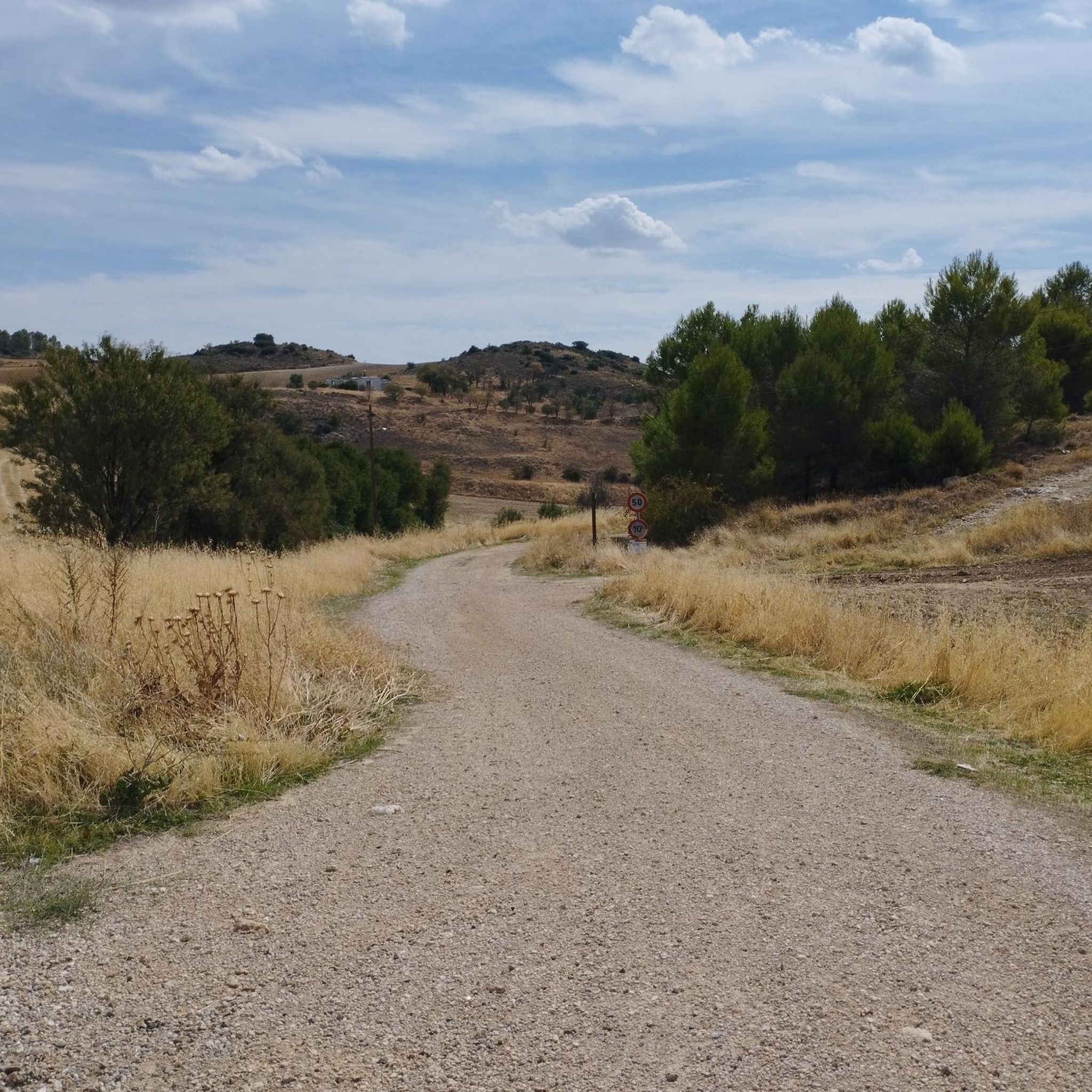
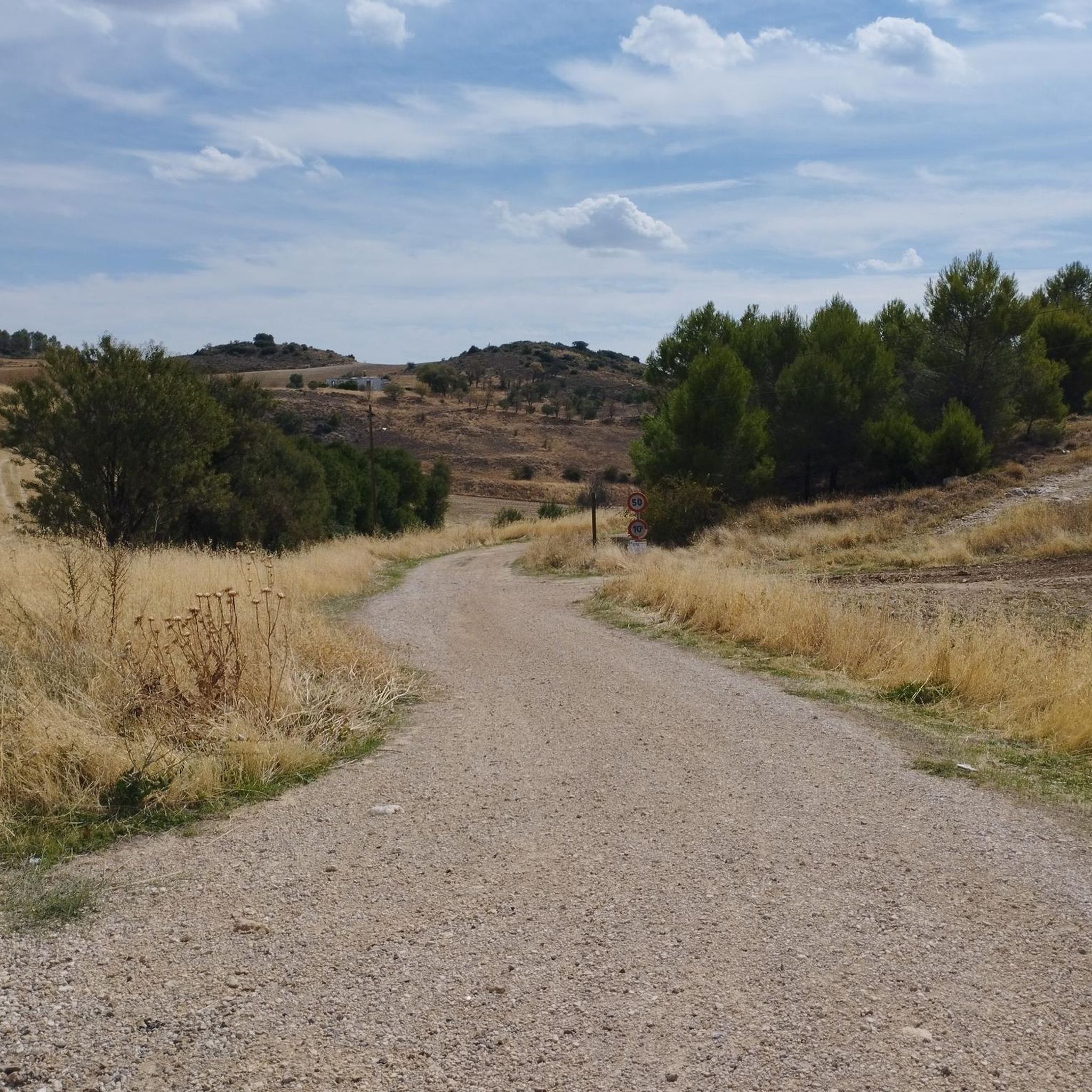
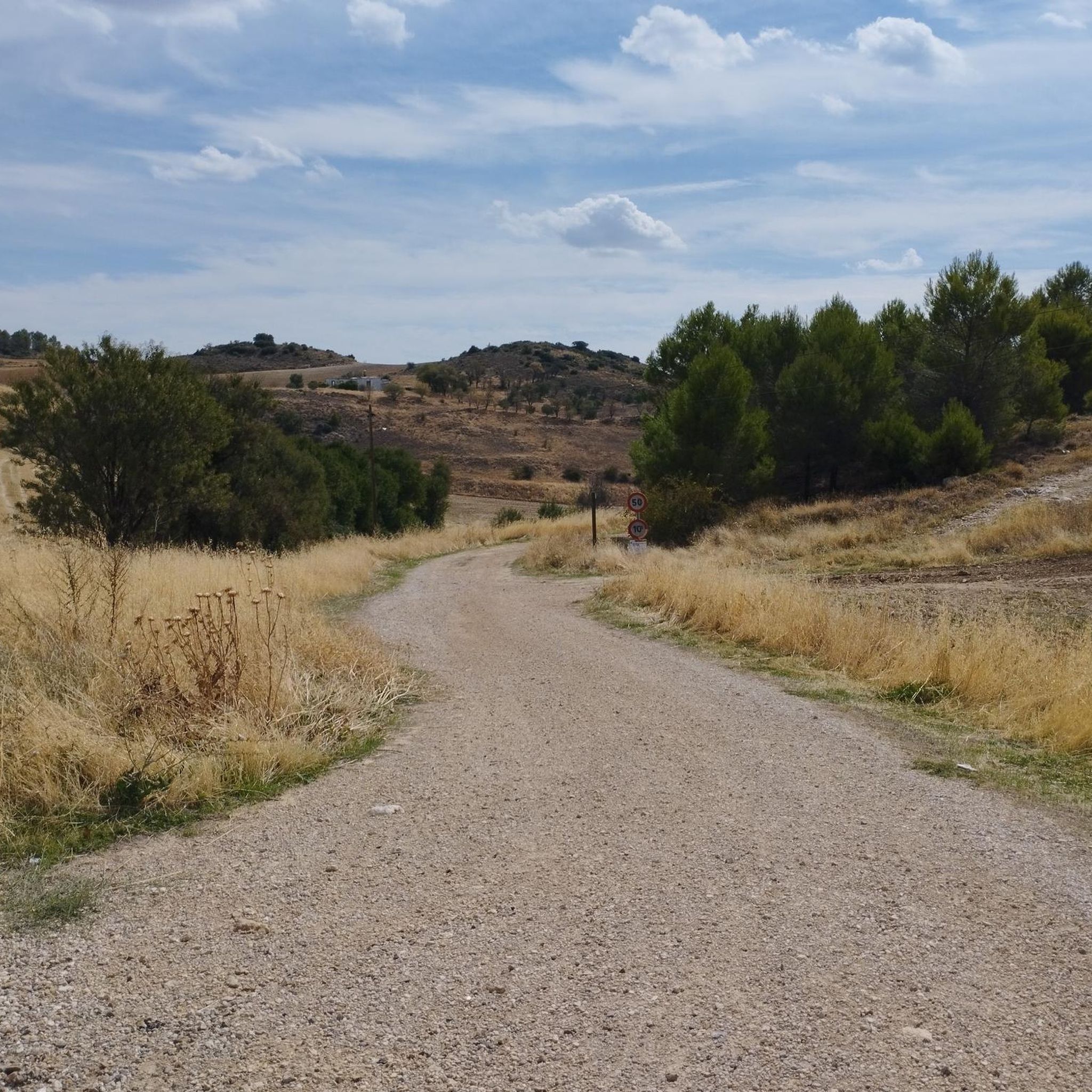
There is a section of the route that is quite out of the way, starting from the passage through the ruins of Alcalá Vieja.
1
0

Ancient Muslim city of the Middle March. Neighbor of Madina Al Faray, which was the most important in the Middle Brand.
1
0

The Valmores fountain, an Asset of Heritage Interest of the Community of Madrid, is a good example of the historical sources existing in the region, closely linked to livestock farming and the livestock routes that facilitated the movement of herds through the territory. It is attached to the base of a bank, a wide unproductive slope that links dry fields arranged at different levels, and preserves the original catchment system intact, maintaining an acceptable flow. Source: https://www.comunidad.madrid/cultura/patrimonio-cultural/restauracion-fuente-valmores-pezuela-torres
0
0

In restoration works, it presents a beautiful appearance
2
0

Fountain in the small park in front of the church.
0
0
Frequently Asked Questions
What historical and cultural sites can I explore in Corpa?
Corpa is rich in history and culture. You can visit the 17th-century Goyeneche Palace of Nuevo Baztán, a significant Renaissance structure. Other notable sites include the Ruins of Alcalá la Vieja Fortress, an ancient Muslim city, and Pioz Castle, a 15th-century castle demonstrating artillery-era architecture. Within Corpa itself, explore the restored Ermita del Santísimo Cristo de la Piedad, the 16th-century Iglesia Parroquial de Santo Domingo de Silos, and the impressive Palacio de los Marqueses de Mondéjar.
Are there any family-friendly attractions or activities in the Corpa area?
Yes, several attractions around Corpa are suitable for families. The Goyeneche Palace of Nuevo Baztán is considered family-friendly, offering a historical experience in a beautiful setting. Cervantes Square in Alcalá de Henares is also family-friendly and a UNESCO World Heritage site. Additionally, the Valmores Fountain, with its historical significance and surrounding natural area, provides a pleasant spot for a family outing.
What natural features and wildlife can be found around Corpa?
Corpa is situated in the Campiña del Henares, characterized by rugged terrain, numerous springs, and streams. The area boasts a diverse ecosystem and is recognized as an Important Bird Area. You might spot wildlife such as foxes, hares, partridges, rabbits, wild boars, wildcats, booted eagles, owls, and various steppe birds, making it an excellent spot for nature observation.
Are there hiking trails or walking paths near Corpa?
Yes, Corpa and its surroundings offer various hiking opportunities. You can find several routes, including easy and moderate options. For detailed information and routes, check out the Hiking around Corpa guide. Locally, you can follow designated routes like 'Walk along the history and culture of Corpa' or 'La Ruta de los Manantiales' starting from Fuente Grande.
What kind of cycling routes are available in the Corpa region?
The Corpa area is well-suited for various cycling activities. You can find dedicated guides for different types of cycling. Explore MTB Trails around Corpa for off-road adventures or the Road Cycling Routes around Corpa for paved road excursions. Routes range from moderate to difficult, catering to different skill levels.
What is the historical significance of the fountains in Corpa?
Fountains in Corpa hold significant historical importance for the community. The emblematic Fuente Grande, constructed in 1897, was vital for daily life, used by women for washing clothes and as a watering hole for livestock. Today, it also marks the beginning of 'La Ruta de los Manantiales.' The Valmores Fountain, an Asset of Heritage Interest, is another example, historically linked to livestock farming and restored in 2022.
Are there any archaeological sites to visit near Corpa?
Yes, the Cerro del Búho (Owl Hill) is an archaeological site near Corpa. It contains vestiges from the Bronze and Iron Ages, and there's also evidence of possible Roman-era channels, offering a glimpse into the region's ancient past.
What is the best time of year to visit Corpa for outdoor activities?
While specific seasonal data isn't provided, the diverse natural environment and historical sites suggest that spring and autumn would be ideal. These seasons typically offer pleasant temperatures for hiking, cycling, and exploring the town's heritage routes without the extreme heat of summer or the chill of winter, allowing you to fully enjoy the Important Bird Area and rugged terrain.
What is the significance of Nuevo Baztán and its palace?
Nuevo Baztán is a town of industrial origin promoted by Juan de Goyeneche. Its central nucleus is formed by the 17th-century Renaissance Goyeneche Palace of Nuevo Baztán and its adjacent church. Declared a historical-artistic monument in 1941, the palace is a key highlight and the town itself has been recognized as one of 'The Most Beautiful Towns in Spain'.
Can I find information about the traditional industries of Corpa?
Corpa has historical ties to olive oil production. You can find remnants of old oil mills, including one that once belonged to the town council, reflecting the region's agricultural heritage and traditional industries. These sites, known as Almazaras y Molinos, offer insight into the town's past economy.
What is the historical context of Alcalá la Vieja Fortress?
The Ruins of Alcalá la Vieja Fortress represent the Arab fortress al-Qal'at abd al-Salam. It was an ancient Muslim city of the Middle March, recovered by the Archbishop of Toledo in 1118. The term 'al-Qal'at' (the fortress) is what gives the modern city of Alcalá de Henares its name, highlighting its deep historical roots.
Is Corpa a good destination for birdwatching?
Yes, Corpa is an excellent destination for birdwatching. The area's diverse ecosystem and natural environment have led to its designation as an Important Bird Area. Visitors can observe a variety of bird species, including booted eagles, owls, and various steppe birds, alongside other wildlife.
Most popular attractions around Corpa

Get inspired with the komoot mobile app


Explore more
Still not found the Highlight you’re looking for? See guides of the top attractions in other regions:
