The best road cycling routes around Corpa
4.6
(7)
559
riders
39
rides
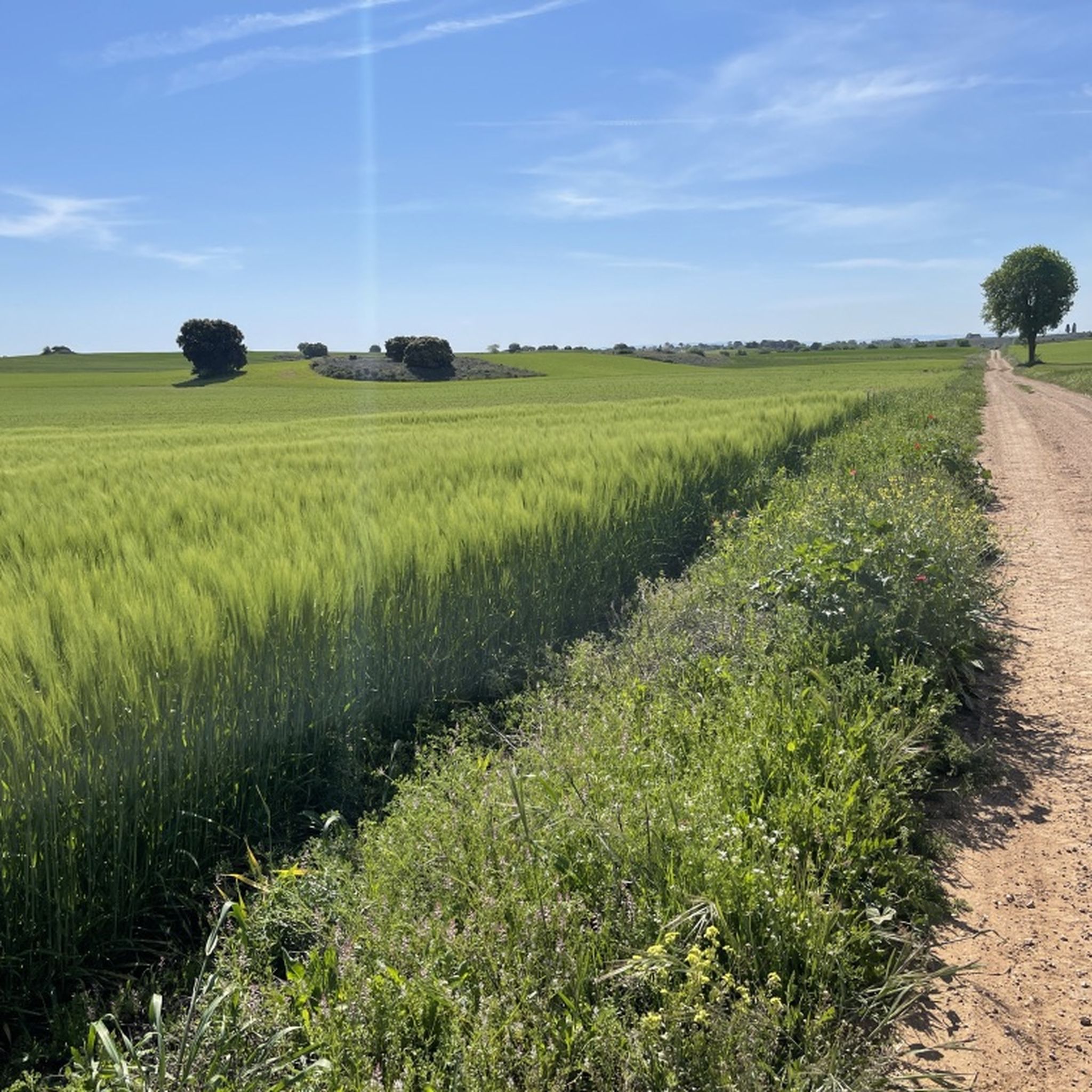
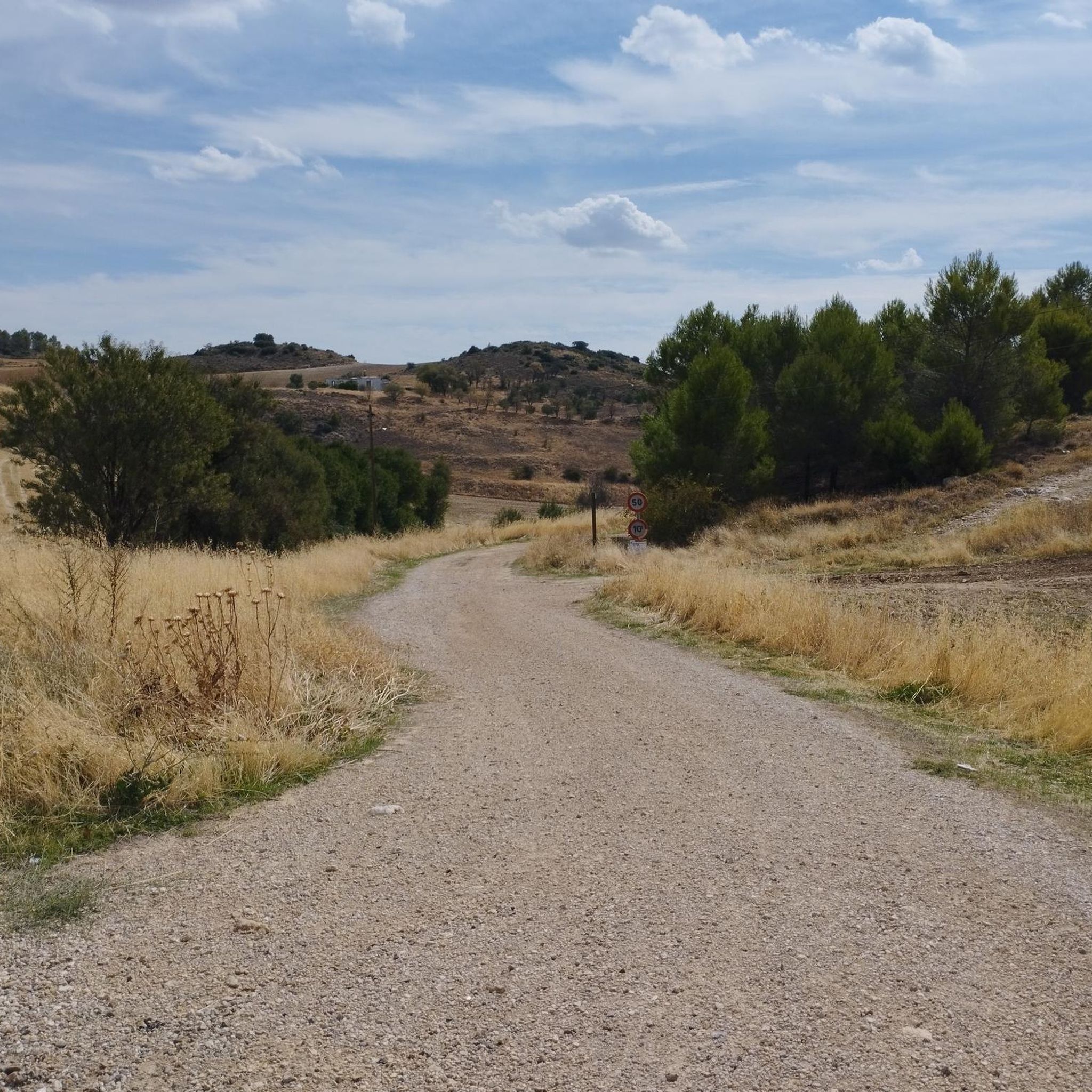
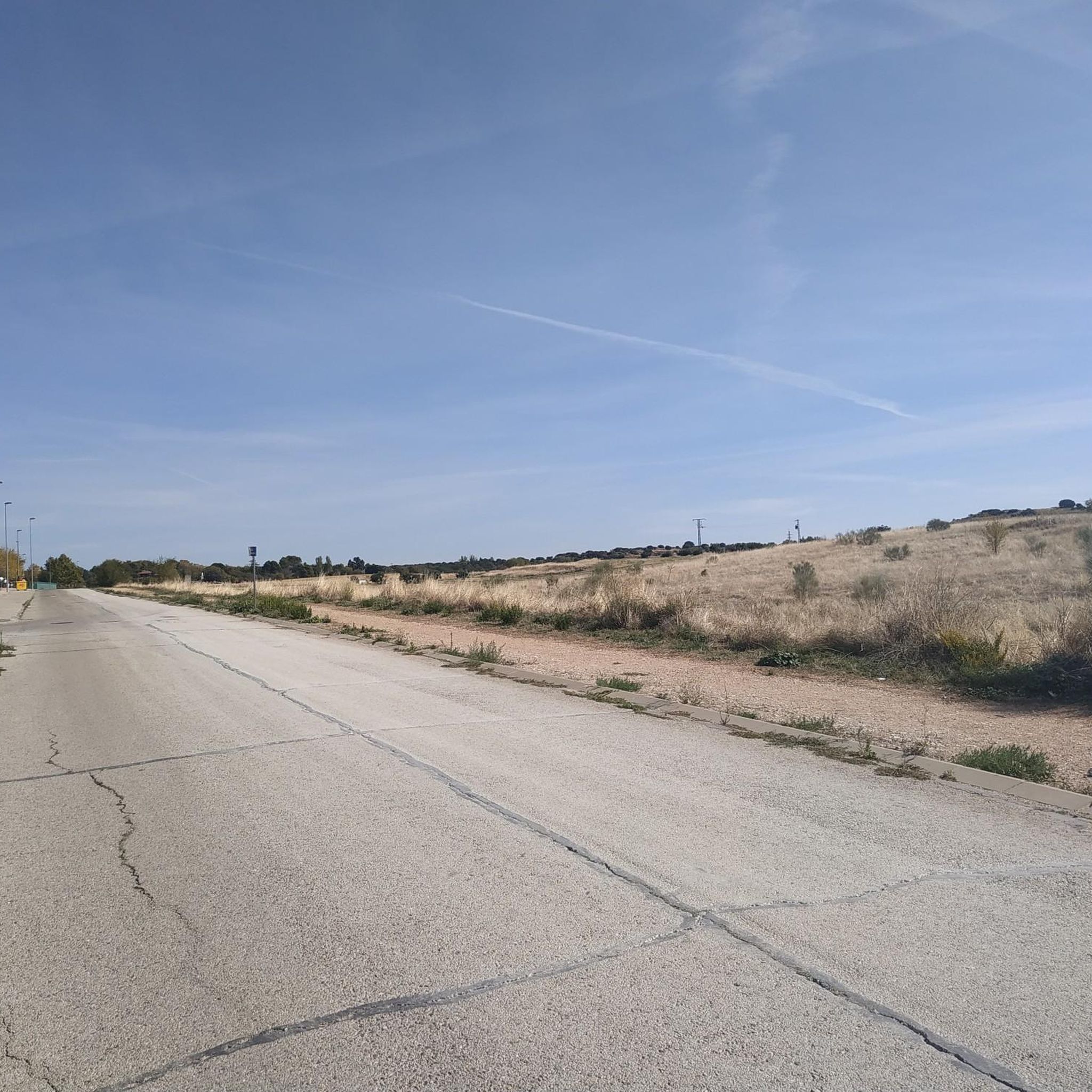
Road cycling routes around Corpa offer varied terrain within the Campiña region of Madrid, featuring a mix of rural and natural landscapes. The area includes relatively flat sections, as well as more demanding climbs towards features like Cerro de La Muela and Cerro de El Viso, which provide elevation gains. Cyclists can explore routes that traverse agricultural lands and natural areas, including segments of the Tajuña Greenway. The landscape provides diverse experiences for different skill levels.
Best road cycling routes…
Last updated: October 29, 2026
35
riders
94.8km
04:18
1,050m
1,050m
Hard road ride. Very good fitness required. Mostly well-paved surfaces and easy to ride.
28
riders
Hard road ride. Very good fitness required. Some segments of this route may be unpaved and difficult to ride.

22
riders
86.1km
03:59
1,050m
1,050m
Hard road ride. Very good fitness required. Mostly well-paved surfaces and easy to ride.
20
riders
44.2km
02:10
520m
510m
Moderate road ride. Good fitness required. Some segments of this route may be unpaved and difficult to ride.
5.0
(1)
16
riders
Moderate road ride. Good fitness required. Mostly well-paved surfaces and easy to ride.
Get access to more routes and recommendations from other explorers.
Already have an account?
Our route recommendations are based on thousands of hikes, rides, and runs completed by other people on komoot.
Start today with a free account
Your next adventure awaits.
Tips from the Community

Super cool water to replenish your strength
0
0

The ethnographic complex of the Fuente Grande de Corpa is an important element of the local heritage. It was built in 1897 by local stonemasons Francisco and Vicente, according to an inscription attached to the wall of the watering hole. The water reaches the stone basins from two different springs in an old cattle rest area at the Cordel de la Senda de la Galiana, although there had been a powerful spring for a long time before. The largest pond was a public washhouse and one of the jets has its own name, it is the Collantes spout and was an old war cannon.
0
0
The Torremocha Castle represents the history and monumentality of Santorcaz. The current construction dates back to the 14th and 15th centuries. It was a fortress for the defence and control of the Anchuelo river plain, built on a previous watchtower of Arab origin that formed part of the strategic line of the Alcalá stronghold. At different times it has been the residence of nobles, the seat of archbishops and a prison for clerics, where Cardinal Cisneros and the Princess of Éboli were among others. Attached to the castle walls is the church of San Torcuato, founded in the 13th century, with a beautiful Mudejar tower.
0
0

At this point you can decide to go to Santorcaz or Santos de la Humosa
0
0

Guadalajara deserves it, we coincide with the story marathon, an event that takes place over three days in this same palace. We stopped by the tourist office and they told us about botargas, about an event prior to the carnival in which you can enjoy botargas from the entire province of Guadalajara.
0
0

In restoration works, it presents a beautiful appearance
2
0

Like the fortified archbishop's palace of Alcalá de Henares, this enclosure was ordered to be built by Archbishop Pedro Tenorio in the 14th century. It is a strong plaza with seven towers, a wall and the church of San Torcuato.
1
0

In the main square, centered by a large fountain with four spouts that ends in a ball on which the date 1832 appears, the clock tower stands out, with several bodies, and the building of the parish church, dedicated to San Pedro Apóstol.
3
0
Frequently Asked Questions
How many road cycling routes are available around Corpa?
Corpa offers a wide selection of road cycling routes, with over 30 options available. These routes cater to various skill levels, including easy, moderate, and difficult trails.
What kind of terrain can I expect when road cycling in Corpa?
The terrain around Corpa is quite varied, characteristic of the Campiña region of Madrid. You'll find a mix of rural landscapes, agricultural lands, and river valleys like the Tajuña. There are relatively flat sections, but also more demanding climbs towards features such as Cerro de La Muela and Cerro de El Viso, offering significant elevation gains and panoramic views.
Are there road cycling routes suitable for beginners or families in Corpa?
Yes, Corpa has routes suitable for different abilities. While many routes are moderate to difficult, there are some easier options. For instance, the area offers 19 moderate routes, which can be a good starting point for those with some cycling experience. For a family-friendly experience, consider routes that follow the Tajuña River, which tend to be less strenuous.
Are there challenging road cycling routes in Corpa for experienced cyclists?
Absolutely. For experienced cyclists seeking a challenge, Corpa offers 14 difficult road cycling routes. These often feature significant elevation gains and longer distances. A notable challenging route is the Church of Santorcaz – Pioz Castle loop from Anchuelo, which covers nearly 95 km with over 1000 meters of elevation gain.
Are the road cycling routes around Corpa typically circular?
Many of the road cycling routes around Corpa are designed as loops, allowing you to start and finish at the same point. This is convenient for planning your ride and returning to your starting location without needing additional transport. Examples include the Corpa – Road Along the Tajuña River loop from Villalbilla and the Pioz Castle – Church Climb loop from Pezuela de las Torres.
What are some scenic viewpoints or attractions along the road cycling routes in Corpa?
The region around Corpa offers several points of interest. You can find natural monuments like Fuente Grande de Corpa and Encina de la Pica. Historical sites include the Goyeneche Palace of Nuevo Baztán and Pioz Castle. The climbs to Cerro de La Muela and Cerro de El Viso also provide excellent panoramic views of the surrounding landscape.
Can I find places to eat or drink along the road cycling routes in Corpa?
Yes, many routes pass through charming villages such as Carabaña and Orusco, as well as Corpa itself. These towns offer opportunities for breaks and refreshments, with local cafes and pubs where you can refuel. Corpa also features a well-preserved urban area with local charm, perfect for a stop.
What is the best time of year for road cycling in Corpa?
The region generally offers pleasant conditions for cycling. Spring and autumn are often ideal, with milder temperatures. While specific weather conditions vary, the varied terrain means you can find suitable routes even in cooler months, though some unpaved sections might be more challenging after rain.
What do other road cyclists say about the routes in Corpa?
The road cycling routes in Corpa are highly rated by the komoot community, with an average score of 4.2 stars from over 4 reviews. Cyclists often praise the diverse terrain, the scenic rural landscapes, and the opportunities to explore river valleys and challenging ascents.
Are there any routes that follow the Tajuña River?
Yes, the Tajuña River is a prominent feature in the region, and several road cycling routes incorporate sections along its course. A popular option is the Corpa – Road Along the Tajuña River loop from Villalbilla, which offers scenic views and a more moderate cycling experience.
Are there any routes that include historical castles or churches?
Yes, the region's rich history is reflected in its cycling routes. For example, the Church of Santorcaz – Pioz Castle loop from Anchuelo allows you to cycle past significant historical landmarks, including Pioz Castle. Another route, the Pioz Castle – Church Climb loop from Pezuela de las Torres, also features a castle and a church.
Most popular attractions around Corpa

Get inspired with the komoot mobile app


Explore more
Browse the best Road cycling routes in other regions.
