The best walks and hikes around Charlottenhofer Weihergebiet
4.5
(3931)
19,329
hikers
15
hikes
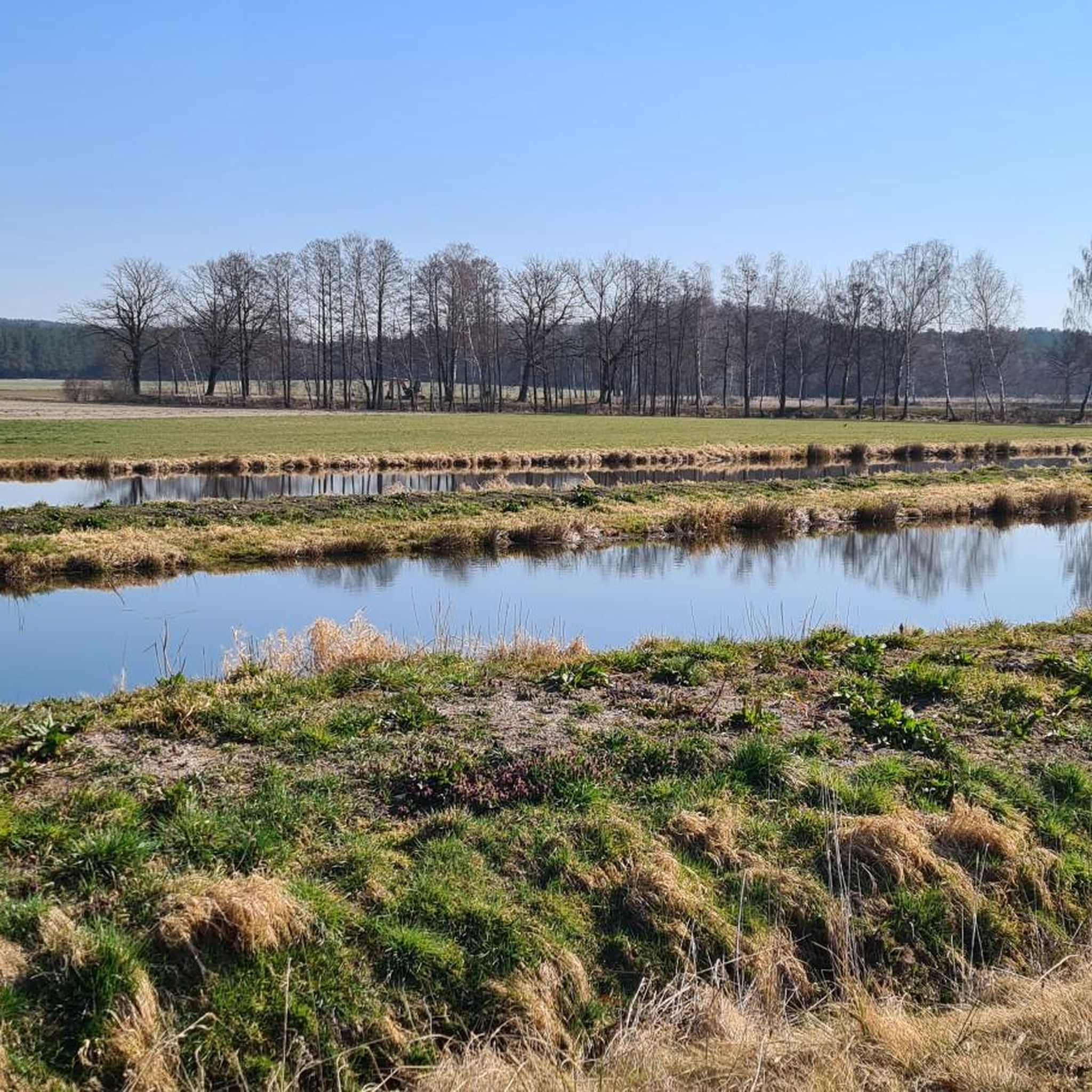
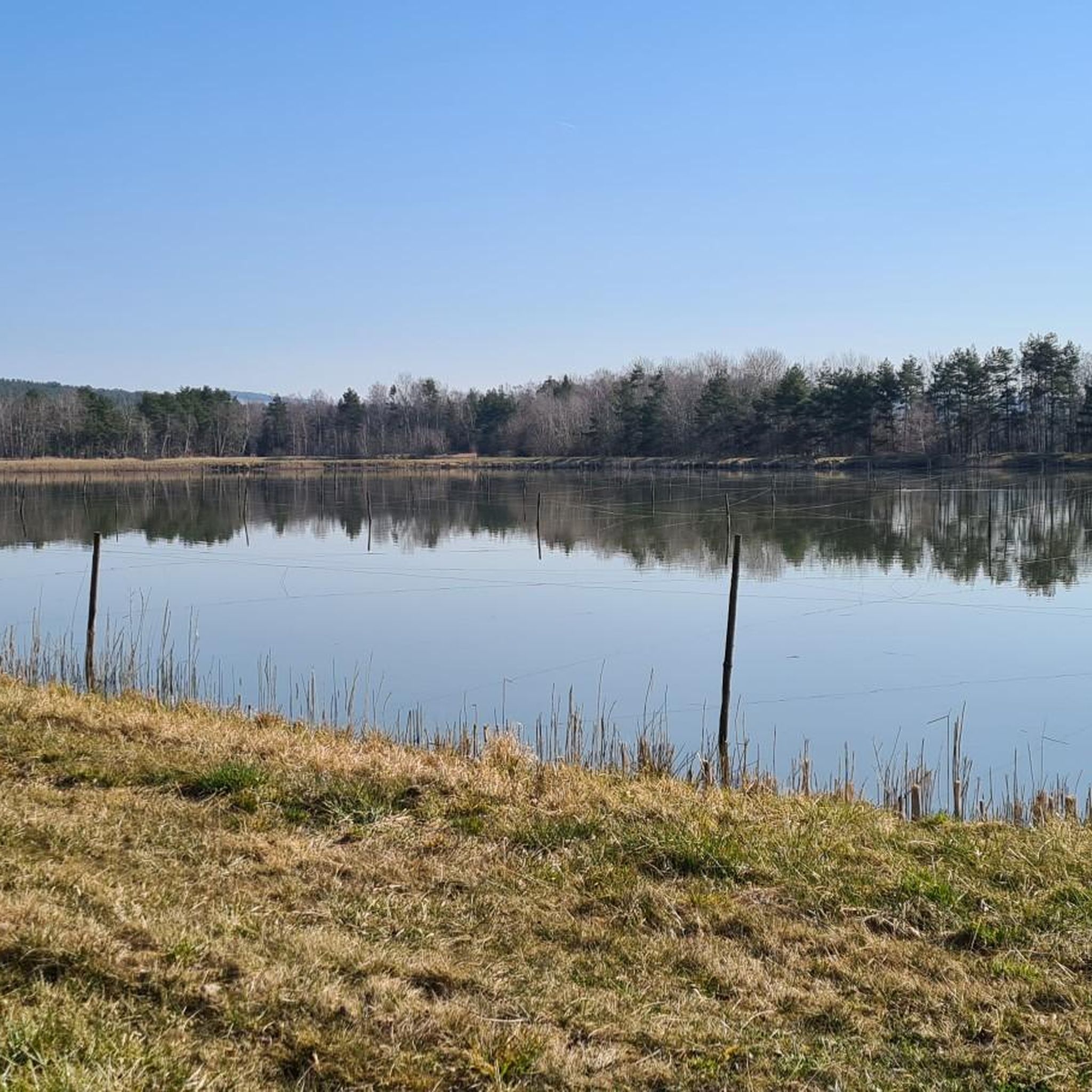
Hiking around Charlottenhofer Weihergebiet offers diverse natural features within the Upper Palatinate, recognized as the region's second-largest nature reserve. The area is characterized by an extensive pond landscape, featuring around 15 larger and 80 smaller ponds, which serve as a crucial habitat for various bird species. This ecologically significant region is protected under the European Union's Natura 2000 project, providing insights into unspoiled nature and rich biodiversity.
Best hiking trails around Charlottenhofer Weihergebiet
- The most popular hiking route is Red…
Last updated: July 5, 2026
4.7
(15)
61
hikers
5.72km
01:28
30m
30m
Easy hike. Great for any fitness level. Easily-accessible paths. Suitable for all skill levels.
4.4
(15)
51
hikers
7.82km
02:01
40m
40m
Moderate hike. Good fitness required. Easily-accessible paths. Suitable for all skill levels.

Sign up for free
4.2
(6)
20
hikers
7.18km
01:51
40m
40m
Moderate hike. Great for any fitness level. Mostly accessible paths. Sure-footedness required.
5.0
(3)
10
hikers
Moderate hike. Good fitness required. Easily-accessible paths. Suitable for all skill levels.
10
hikers
7.29km
01:57
90m
90m
Easy hike. Great for any fitness level. Easily-accessible paths. Suitable for all skill levels.
Get access to more routes and recommendations from other explorers.
Sign up for free
Already have an account?
Our route recommendations are based on thousands of hikes, rides, and runs completed by other people on komoot.
Start today with a free account
Your next adventure awaits.
Login or Signup

Tips from the Community

Charlottenhof Palace The Charlottenhof was built in 1873 by Wilhelm Maximilian von Freiherr von Fronberg, royal chamberlain and retired major. He named it Charlottenhof in honor of his wife, Charlotte Countess von Schönborn-Buchheim. The property was sold to Hedwig Countess Maruschka-Toppolczan from Munich as early as 1890, and on May 7, 1892, the palace was purchased by Alfred Hofmann, first lieutenant in a Ulm cavalry regiment. He had the Charlottenhof rebuilt to its current appearance by 1896. On January 24, 1907, the palace partially burned down; however, its owner had it restored immediately afterwards. On September 22, 1917, First Lieutenant Josef Hesselberger, who came from a family of hop merchants, bought the Hofmann Palace. After the First World War, he set up a pig breeding facility at the Charlottenhof, which gained international recognition. In 1925, at the World Exhibition in Paris, he bought a wooden house, which he had erected near the castle. During the Nazi era, the foundation of the Jew Hesselberger was confiscated, and Hesselberger emigrated to East Africa in 1933. Under pressure from the National Socialists, the Charlottenhof was sold to the Ostmark Self-Help Group on November 28, 1933. On November 17, 1939, the castle was sold to the NSDAP, Gauleitung Bayerische Ostmark, and the Gau training castle was set up in the castle. In 1942, it was used as a reserve hospital. On April 23, 1945, the castle was occupied by US troops, refugees were housed in barracks on the castle grounds until 1953, and from 1947 the castle was used as a home for difficult-to-educate young people. When the barracks surrounding the castle were abandoned by the refugees, training workshops for vocational training in wood and metal could also be accommodated. The Chamber of Crafts of Lower Bavaria-Upper Palatinate acquired the Charlottenhof in 1989. After extensive restoration of the castle and the wooden house, a new building with functional seminar and technology rooms was constructed. Source: Excerpts from www.wikipedia.de
3
0

Very interesting facility, lots of information
1
0

One of the many opportunities to swim in Lake Murn
2
0
There are lots of information boards and sculptures around the lake
2
0

great for families to let off steam
1
0

Infrastructure such as toilets and changing rooms are available.
5
0


Romantically situated place of rest
1
0
Frequently Asked Questions
How many hiking trails are available in the Charlottenhofer Weihergebiet?
The Charlottenhofer Weihergebiet offers a comprehensive network of over 15 hiking trails. These routes cater to various preferences, from easy strolls around the ponds to more moderate, longer excursions through the diverse natural reserve.
What kind of terrain can I expect when hiking in the Charlottenhofer Weihergebiet?
The terrain in the Charlottenhofer Weihergebiet is predominantly flat to gently rolling, characterized by its extensive pond landscape and surrounding pine forests. You'll encounter well-maintained paths, some natural single trails, and areas influenced by wetlands, making for varied and accessible walking conditions. The elevation changes are generally minimal, with most routes featuring less than 90 meters of ascent.
Are there any family-friendly hiking routes in the Charlottenhofer Weihergebiet?
Yes, the Charlottenhofer Weihergebiet is ideal for families. Many of the 11 easy routes are suitable for all ages. A popular choice is the Red Pond – Hausweiher Lake loop from Charlottenhofer Weihergebiet, an easy 5.7 km trail that takes about 1 hour 28 minutes to complete, offering scenic views of the interconnected pond system.
Can I bring my dog on the hiking trails in the Charlottenhofer Weihergebiet?
Yes, dogs are generally welcome on the hiking trails in the Charlottenhofer Weihergebiet. As it is a nature reserve and European bird sanctuary, it is important to keep dogs on a leash to protect the diverse wildlife, especially ground-nesting birds and other sensitive species. Always ensure you clean up after your pet.
What are the best circular hiking routes in the Charlottenhofer Weihergebiet?
The region is known for its excellent circular routes. Besides the popular Red Pond – Hausweiher Lake loop, another highly-rated option is the Hiking loop from Charlottenhofer Weihergebiet, a 7.1 km moderate trail that takes around 1 hour 50 minutes, guiding you through the diverse natural reserve.
What natural features and landmarks can I see along the hiking trails?
The Charlottenhofer Weihergebiet is rich in natural beauty and points of interest. You'll primarily experience the extensive network of ponds and wetlands, which are crucial habitats for numerous bird species. Highlights include the Charlottenhof Pond Area and the Ponds Near Holzhaus. Portions of historic routes like the Rauberweiher Trail Along the Jakobsweg also traverse the area, offering a blend of nature and cultural heritage.
When is the best time of year to go hiking in the Charlottenhofer Weihergebiet?
The Charlottenhofer Weihergebiet offers unique experiences throughout the year. Spring and autumn are particularly beautiful for birdwatching as migratory species pass through. Summer provides lush greenery and pleasant temperatures for walks, while a winter hike can offer a tranquil, serene landscape. The well-developed trail network makes it accessible in most seasons.
Are there opportunities for wildlife spotting in the Charlottenhofer Weihergebiet?
Absolutely. The Charlottenhofer Weihergebiet is a designated nature reserve and European bird sanctuary, making it an excellent spot for wildlife observation. It's a crucial breeding ground and stopover for over 100 bird species, including rare ones like ospreys and sea eagles. You might also spot amphibians, reptiles, and over 40 species of dragonflies. Bringing binoculars and maintaining quiet on marked paths will enhance your chances.
What do other hikers enjoy most about the Charlottenhofer Weihergebiet?
The area is highly rated by the komoot community, with an average score of 4.5 stars from over 3700 reviews. Hikers often praise the peaceful ambiance, the unique pond landscapes, and the rich biodiversity. Many appreciate the well-marked, accessible trails that offer a tranquil escape and excellent opportunities for nature observation.
Are there any longer, more challenging routes for experienced hikers?
While the Charlottenhofer Weihergebiet is known for its accessible trails, there are moderate options for those seeking a longer experience. The Crucifix with Jesus and Mary – Charlottenhof Palace loop from Charlottenhofer Weihergebiet is a moderate 12.5 km route, taking approximately 3 hours 14 minutes, offering a more extended exploration of the area's diverse landscapes and points of interest.
Is there parking available for hikers in the Charlottenhofer Weihergebiet?
Yes, there are designated parking areas available at various entry points to the Charlottenhofer Weihergebiet, making it convenient for hikers to access the trails. Specific parking information can often be found on local signage or detailed route descriptions.
Most popular routes around Charlottenhofer Weihergebiet
Most popular attractions around Charlottenhofer Weihergebiet

Get inspired with the komoot mobile app


Explore more
Browse the best Hikes in other regions.
