Attractions and Places To See around San Esteban De La Sierra - Top 20
Best attractions and places to see around San Esteban De La Sierra include a rich blend of historical landmarks and natural beauty. Located in the Sierra de Francia region of Salamanca, Spain, the area is part of a UNESCO Biosphere Reserve, highlighting its significant natural value. The landscape features the Alagón River valley, characterized by oak and chestnut forests, and traditional terraced vineyards. Visitors can explore ancient churches, unique theme parks, and scenic mountain peaks.
Best attractions and places to…
Last updated: July 6, 2026
Miranda del Castañar
Highlight • Settlement
Translated by Google •
Tip by

Cervero Peak
Highlight • Summit
A protected natural area within the Natura 2000 network, with …
Translated by Google •
Tip by

Sign up now to discover places like this
Get recommendations on the best single tracks, peaks, & plenty of other exciting outdoor places.
Sign up for free
Granite Theme Park
Highlight • Monument
Translated by Google •
Tip by
Ascent to Puerto de Valero
Highlight (Segment) • Mountain Pass
Altitude: 928m
Distance: 6km
Height difference: 345m
Average slope: 5.75%
Translated by Google •
Tip by

Albergue Alba Soraya
Highlight • Mountain Hut
Translated by Google •
Tip by

Sign up for free to discover even more attractions around San Esteban De La Sierra.
Sign up for free
Already have an account?
Start today with a free account
Your next adventure awaits.
Login or Signup
Tips from the Community

What to see in Miranda del Castañar Medieval Walls: Over 600 meters remain intact, with four gates facing the cardinal directions: San Ginés, Nuestra Señora, La Villa, and El Postigo. Zúñiga Castle: A 15th-century fortress, symbol of the former County of Miranda. Although the interior is not open to the public, its exterior and keep are impressive. Square Bullring: Considered one of the oldest in Spain, built in the 16th century on the site of the former parade ground. Church of Santiago and San Ginés: Gothic in style (13th-16th centuries), with a detached 17th-century bell tower. Houses with Coats of Arms: More than 80 noble coats of arms adorn the facades, reflecting the town's aristocratic past.
1
0
Miranda del Castañar, one of the most beautiful villages in Spain, is located in the Sierra de Francia (Salamanca): Founded in 1213 by Alfonso IX of León as a town and council, it was the administrative capital of the Sierra de Francia. In the 15th century, the County of Miranda was created under the control of the Zúñiga family, consolidating its strategic importance.
1
0
Located between the municipalities of Navarredonda de la Rinconada and Escurial de la Sierra, in the Sierra de Francia-Quilamas region. A protected natural area within the Natura 2000 network, with oak and chestnut forests and wildlife such as the golden eagle and griffon vulture.
5
0
It is the only granite theme park in Spain, created to pay homage to the quarrying tradition of the municipality. It occupies a former quarry transformed into an artistic and natural space. Monumental sculptures made from granite blocks by the Salamanca artist Amable Diego. Recreations that evoke menhirs, dolmens, and megalithic structures, including the famous "Salamanca Stonehenge." Explanatory panels on the history of quarrying, from Roman roads to modern industry.
6
0

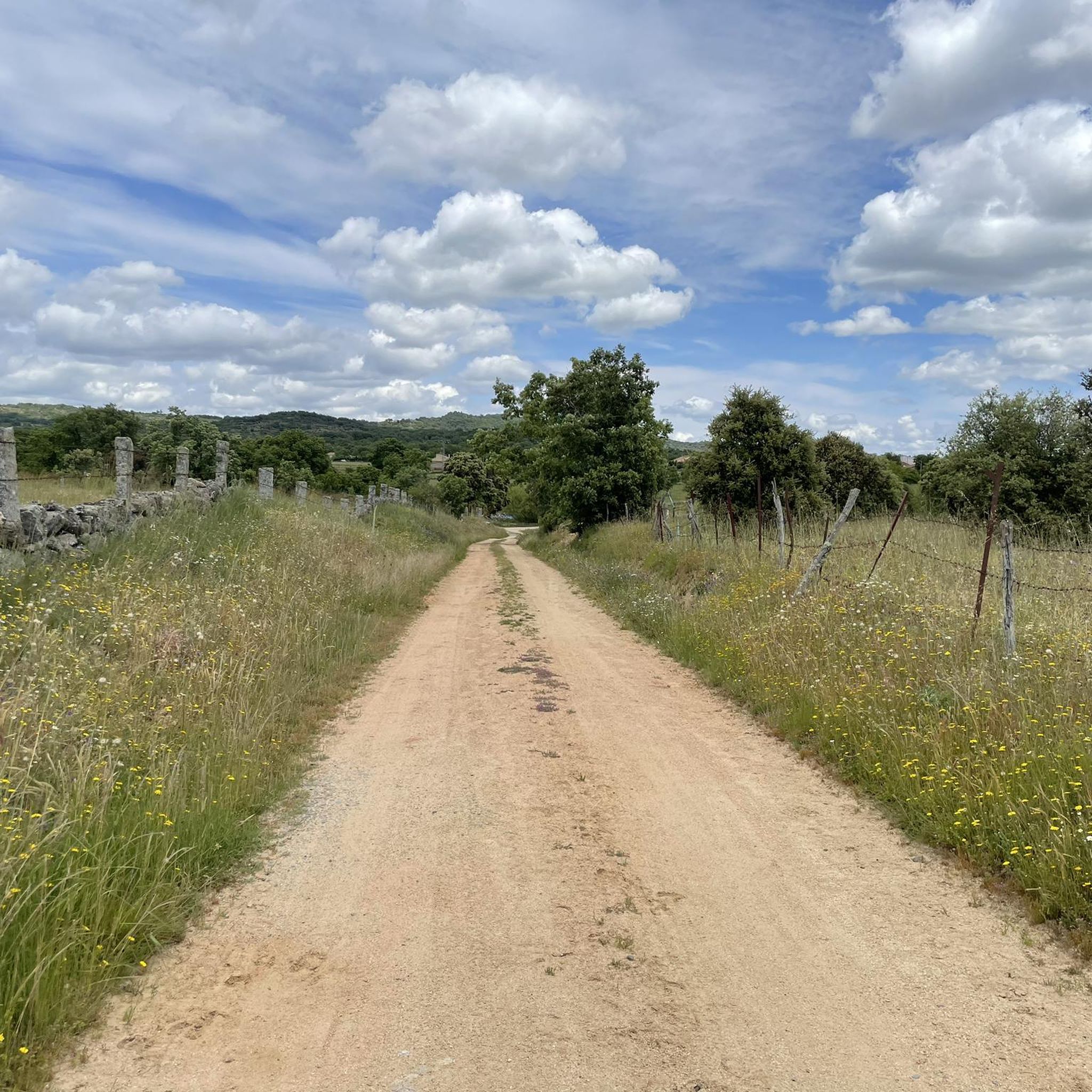
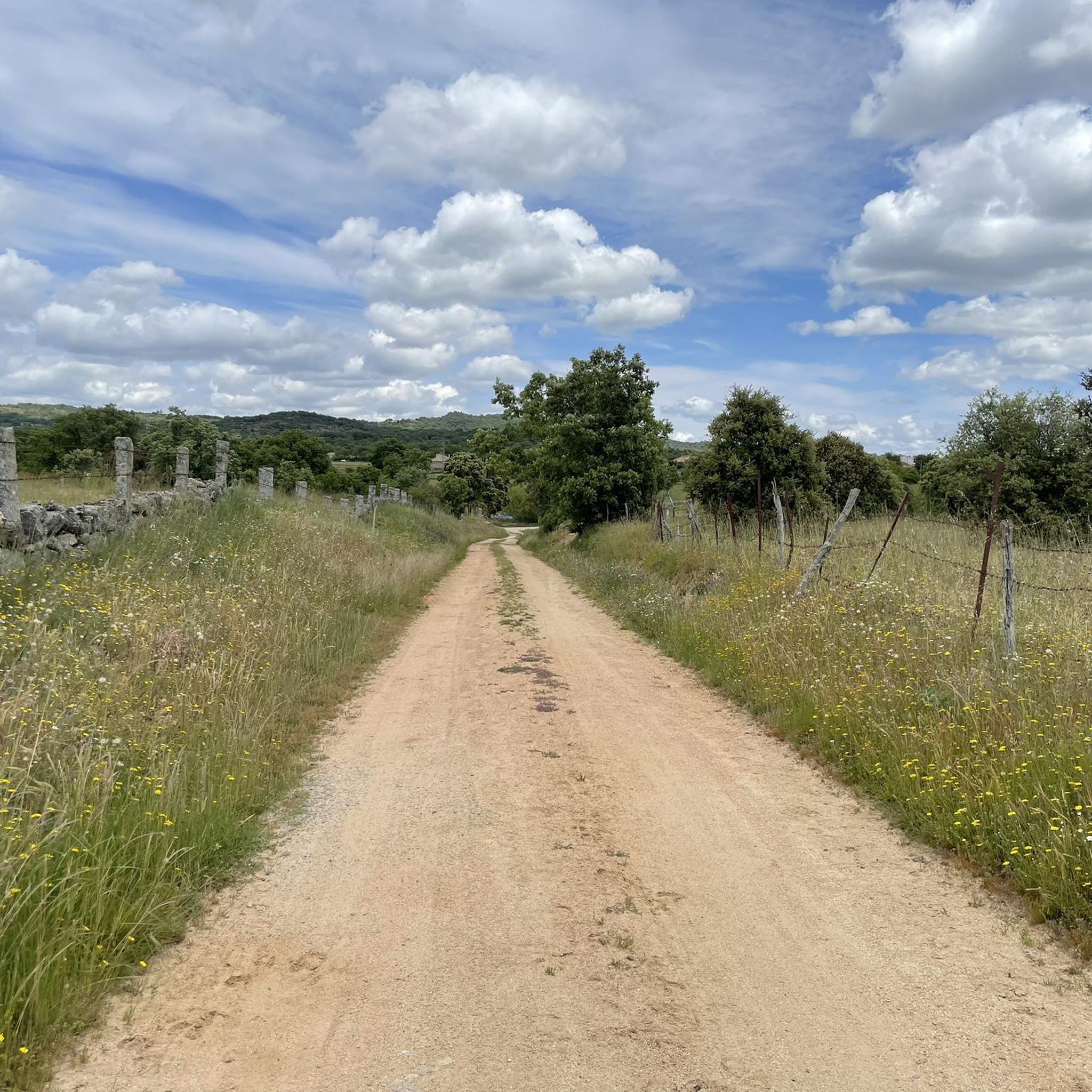
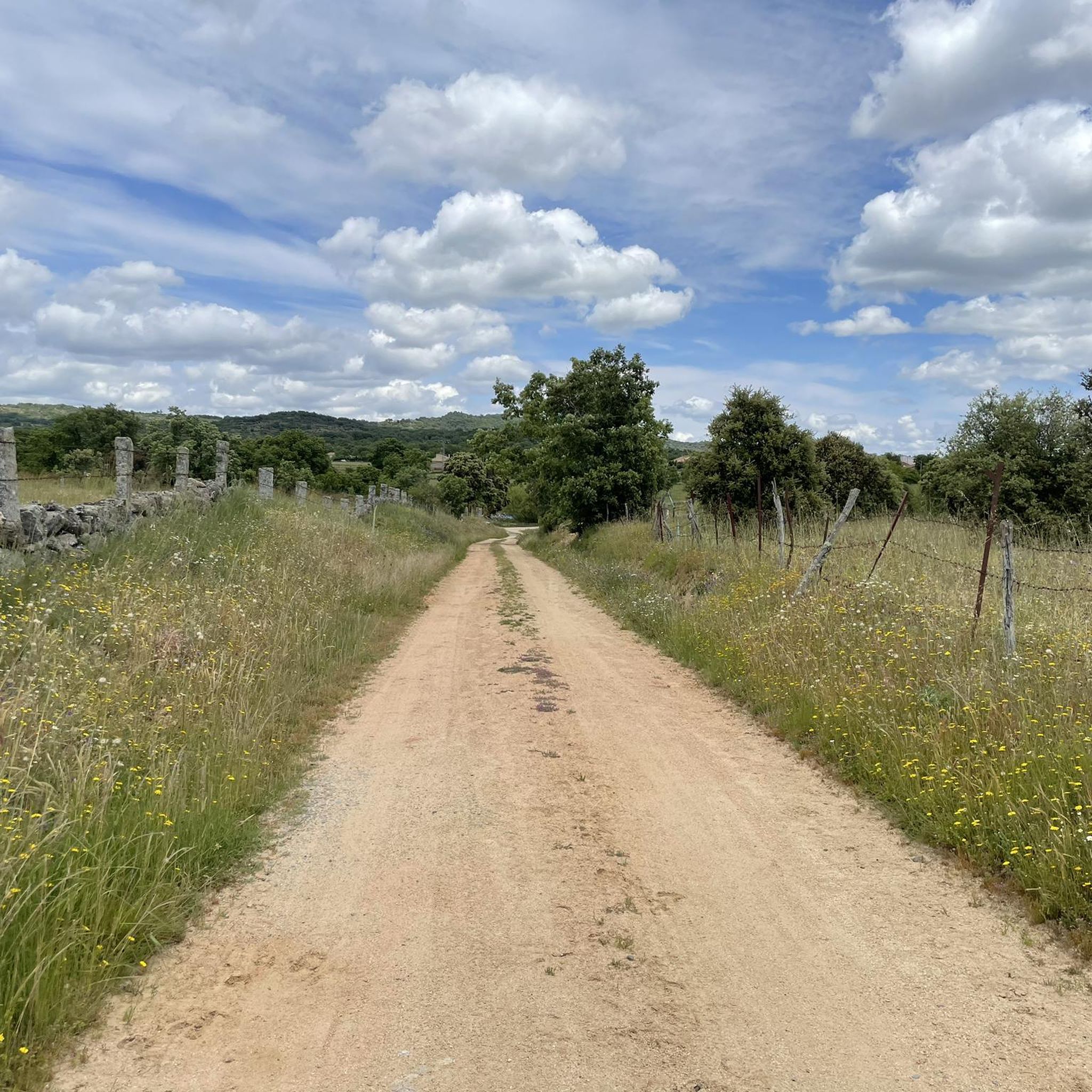
The climb up this narrow valley is a delight, especially on days when there is not much traffic. The views, the sounds of nature, the vegetation, the aromas of rockroses and other wild flowers allow us to almost forget that we are going uphill for a good part of the journey :-D
0
0

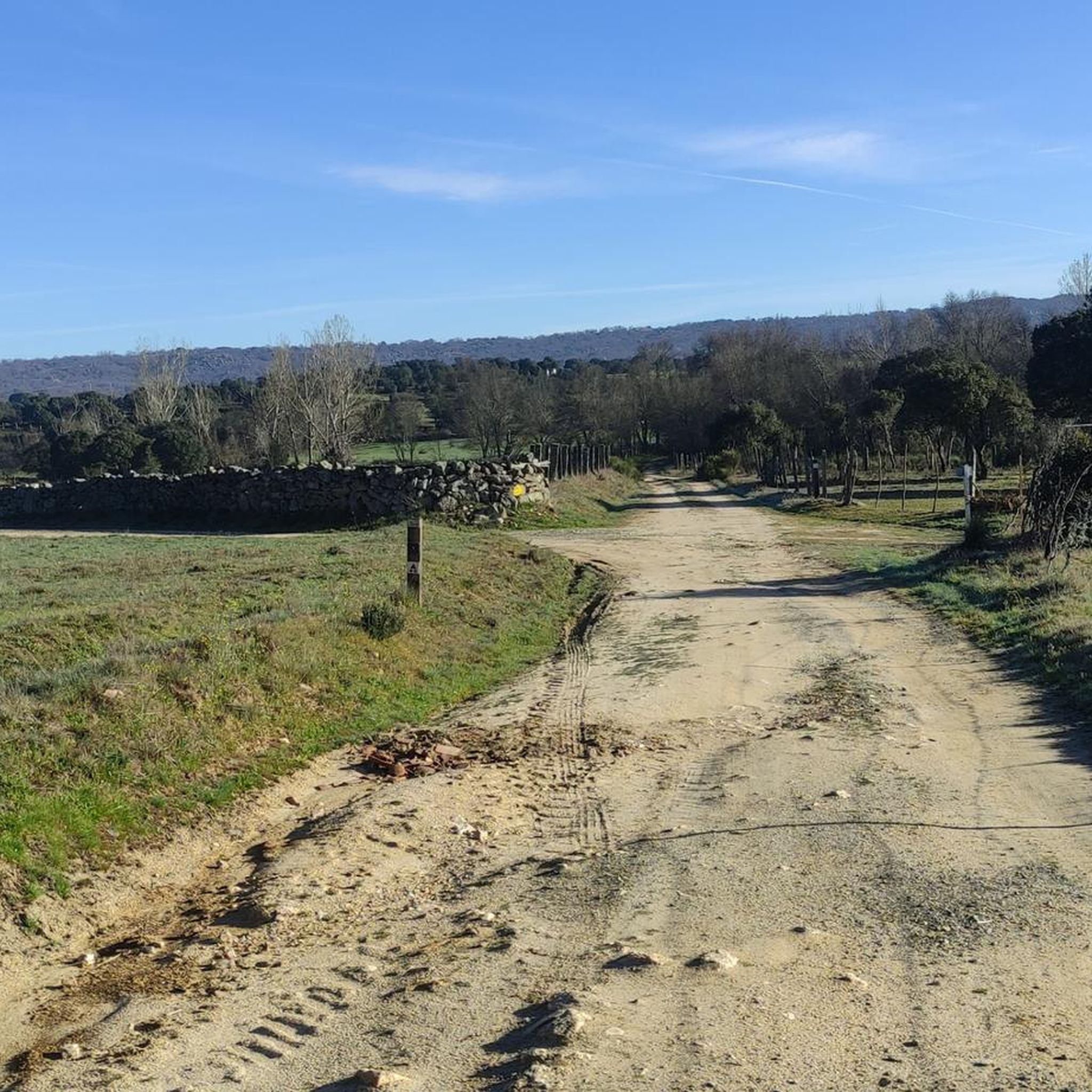
Nice 12 km ascent from the Puentes del Alagón to San Miguel de Valero. Almost 500 m of ascent, so it requires form. More than half of the climb passes next to the banks of the Río de las Quilamas.
1
0

Beautiful walled medieval town; A must for any traveler. Artistic Historical Set. Heart of the Sierra de Francia, close to the beautiful Sierra de Béjar.
1
0

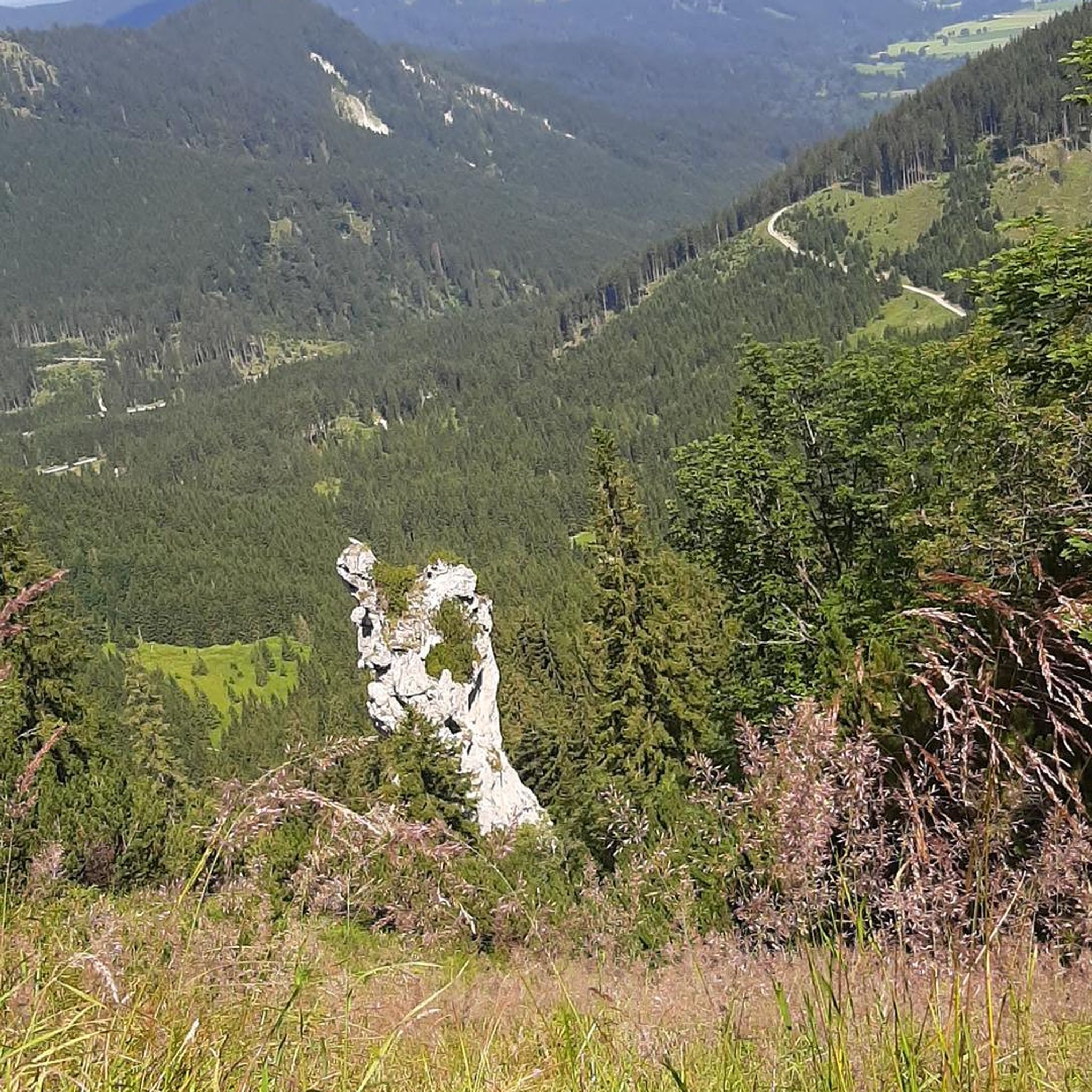
Nice stone formations. might be a good place to stop for a picknick and enjoy the views.
0
1
Frequently Asked Questions
What unique cultural and historical sites can I explore in San Esteban de la Sierra?
San Esteban de la Sierra offers a rich blend of history and culture. You can visit the ancient Iglesia Parroquial de San Esteban, with its Baroque altarpiece and 15th-century carvings. Don't miss the Granite Theme Park, unique in Spain, which showcases the local quarrying tradition with monumental sculptures and megalithic recreations. The town also features the Plaza Mayor, the historic Ermita del Humilladero, and the urban 'Route of the Embroidered Meters' displaying traditional Serrano embroidery.
Are there natural features or viewpoints worth visiting in the area?
Absolutely. The region is part of a UNESCO Biosphere Reserve. You can explore the picturesque Valle del Río Alagón, characterized by oak and chestnut forests. For stunning panoramic views, ascend Cervero Peak, a protected natural area within the Natura 2000 network. Monte El Castañar, located next to the town, also offers spectacular views of the Las Quilamas natural space and the Sierra de Francia and Béjar mountains.
What kind of hiking opportunities are available around San Esteban de la Sierra?
The area is excellent for hiking, with numerous routes through oak and chestnut forests, terraced fruit orchards, vineyards, and olive groves. Notable routes include the Ruta de los Lagares Rupestres, which explores over 100 ancient rock presses, and the Ruta de los Miradores de las Sierras, a circular route offering panoramic views. You can find more details and specific routes in the Hiking around San Esteban De La Sierra guide.
Are there any family-friendly attractions or activities?
Yes, several attractions are suitable for families. The Granite Theme Park is an engaging open-air museum with impressive sculptures and educational panels. The nearby settlement of Miranda del Castañar, a walled medieval town, offers charming cobbled streets and historical exploration. For outdoor fun, El Plantío is a riverside picnic area by the Alagón River with tables, seating, and a swimming area during summer.
Can I learn about local traditions and products?
Yes, the region offers insights into its agricultural heritage. You can visit the Centro de Interpretación del Aceite (Oil Interpretation Center), an old olive oil mill, to learn about olive oil production. The local wine cooperative provides an opportunity to taste wines made from the Rufete grape, characteristic of the Sierras de Salamanca Designation of Origin. The terraced vineyards and centuries-old olive trees also showcase traditional agricultural practices.
What other outdoor activities can I do besides hiking?
Beyond hiking, the area is popular for mountain biking and running. You can find challenging MTB trails, such as the 'Pico Cervero desde San Esteban de la Sierra – circular completa al Espacio Natural de las Quilamas', and various running routes. Explore more options in the MTB Trails around San Esteban De La Sierra guide and the Running Trails around San Esteban De La Sierra guide.
Are there any ancient bridges or historical routes to explore?
Yes, the area is home to two significant medieval bridges: the Puente Medieval (Roman Bridge) and Puente de Rando, both crossing the Alagón River. These bridges were part of a branch of the Vía de la Plata, a historic route for trade, livestock, and pilgrimages, offering a glimpse into the region's past connectivity.
What do visitors particularly enjoy about the attractions in San Esteban de la Sierra?
Visitors frequently praise the spectacular 360º views from spots like Cervero Peak. The unique charm of the Miranda del Castañar with its cobbled streets and picturesque houses is also highly appreciated. The Granite Theme Park is noted for its originality and artistic value, offering an alternative way to engage with the region's history and geology.
When is the best time to visit San Esteban de la Sierra for outdoor activities?
The region's diverse landscapes, including forests and river valleys, make it enjoyable across multiple seasons. Spring and autumn generally offer pleasant temperatures for hiking and exploring the natural features like Monte El Castañar and the terraced vineyards. Summer is ideal for enjoying the swimming area at El Plantío, while the rich biodiversity, including oak and chestnut forests, provides beauty year-round.
Are there any hidden natural gems or less-known spots?
Beyond the main attractions, the area holds several natural treasures. The Olivos Centenarios (Centuries-old Olive Trees) with trunks exceeding 3 meters in perimeter are a testament to the region's ancient agricultural roots. The emblematic mountains of El Cancho and Tiriñuelo, along with Castañar and Riscos de los Pajares, offer beautiful views and natural spaces slightly off the beaten path, providing a tranquil escape.
Most popular routes around San Esteban De La Sierra
Most popular attractions around San Esteban De La Sierra

Get inspired with the komoot mobile app


Explore more
Still not found the Highlight you’re looking for? See guides of the top attractions in other regions:
