The best cycling routes around Brea De Tajo
5.0
(19)
171
riders
13
rides
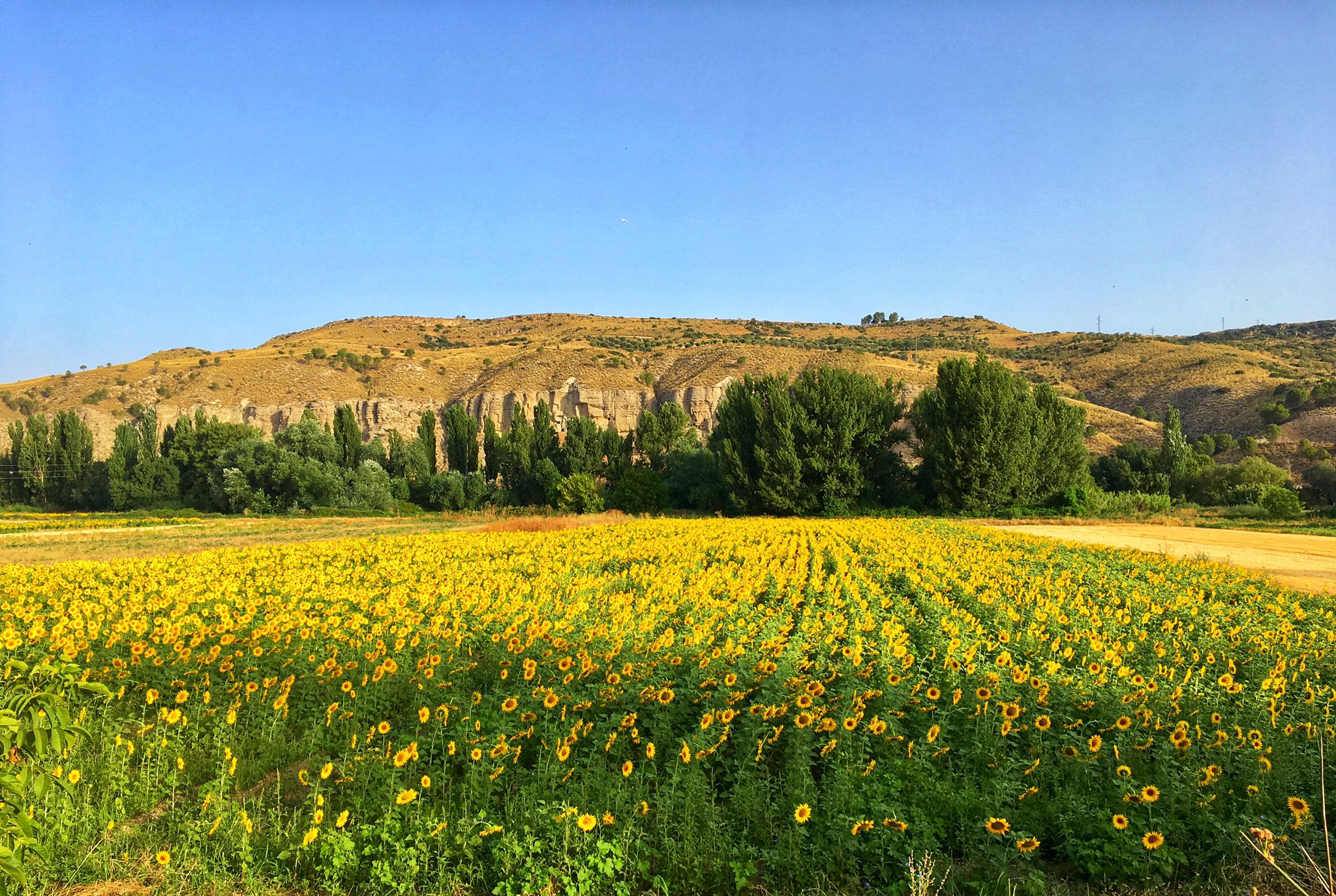
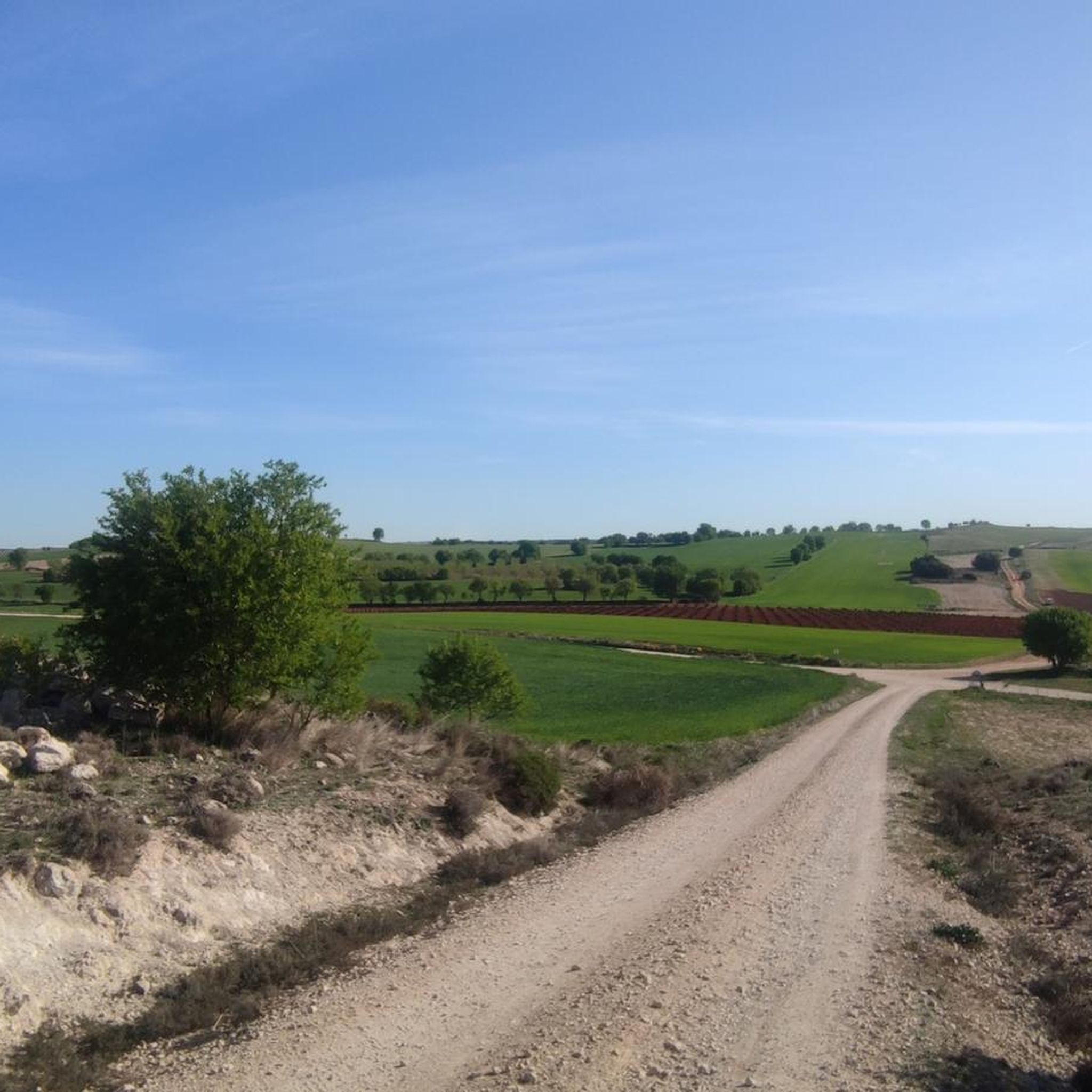
Touring cycling routes around Brea De Tajo traverse the Alcarria region, characterized by a blend of natural landscapes and traditional agrarian areas. The terrain features expansive olive groves, cereal fields, and dryland crops, alongside reforested zones and vineyards. A notable feature is the Cañada Real Soriana Oriental, a historic drover's road reconditioned into a natural trail suitable for cycling. The region also includes areas of Mediterranean forest, such as El Robledal, with centenarian holm oaks and gall oaks.
Best touring…
Last updated: June 27, 2026
4.8
(13)
88
riders
68.7km
04:02
340m
340m
Moderate bike ride. Good fitness required. Mostly paved surfaces. Suitable for all skill levels.
21
riders
Hard bike ride. Very good fitness required. Mostly paved surfaces. Suitable for all skill levels.

Sign up for free
5.0
(2)
12
riders
50.5km
03:03
390m
390m
Moderate bike ride. Good fitness required. Mostly paved surfaces. Suitable for all skill levels.
5.0
(2)
12
riders
49.8km
03:00
380m
380m
Moderate bike ride. Good fitness required. Mostly paved surfaces. Suitable for all skill levels.
5.0
(1)
10
riders
20.5km
01:11
100m
100m
Easy bike ride. Great for any fitness level. Mostly paved surfaces. Suitable for all skill levels.
Get access to more routes and recommendations from other explorers.
Sign up for free
Already have an account?
Our route recommendations are based on thousands of hikes, rides, and runs completed by other people on komoot.
Start today with a free account
Your next adventure awaits.
Login or Signup
Other adventures around Brea De Tajo

Tips from the Community

Flat and accessible route that follows the old railway line between Arganda del Rey and Ambite, ideal for e-bikes, amidst fields, charming villages, and illuminated tunnels.
0
0

The paved section ends here.
0
0
Easy and comfortable route along this old railway line
0
0

Unfortunately, this is still closed.
0
0

The Old Cornicabra Station is a site steeped in railway history located in Morata de Tajuña, in the Community of Madrid. Cornicabra Station was a railway siding that formed part of the Tajuña Railway, a narrow-gauge line connecting Madrid with the Tajuña Valley and the Alcarria region. This railway was crucial for the transport of goods and people in the area during the 20th century. Today, the station is disused, but it is located next to the Tajuña River Greenway, a natural and tourist route that utilizes the old railway line. It is an interesting place for: Walking or cycling Photographing industrial heritage Connecting with nature and local history
1
0
The Old Cornicabra Station is a site steeped in railway history located in Morata de Tajuña, in the Community of Madrid. Cornicabra Station was a railway siding that formed part of the Tajuña Railway, a narrow-gauge line connecting Madrid with the Tajuña Valley and the Alcarria region. This railway was crucial for the transport of goods and people in the area during the 20th century. Today, the station is disused, but it is located next to the Tajuña River Greenway, a natural and tourist route that utilizes the old railway line. It is an interesting place for: Walking or cycling Photography of industrial heritage Connecting with nature and local history
1
0

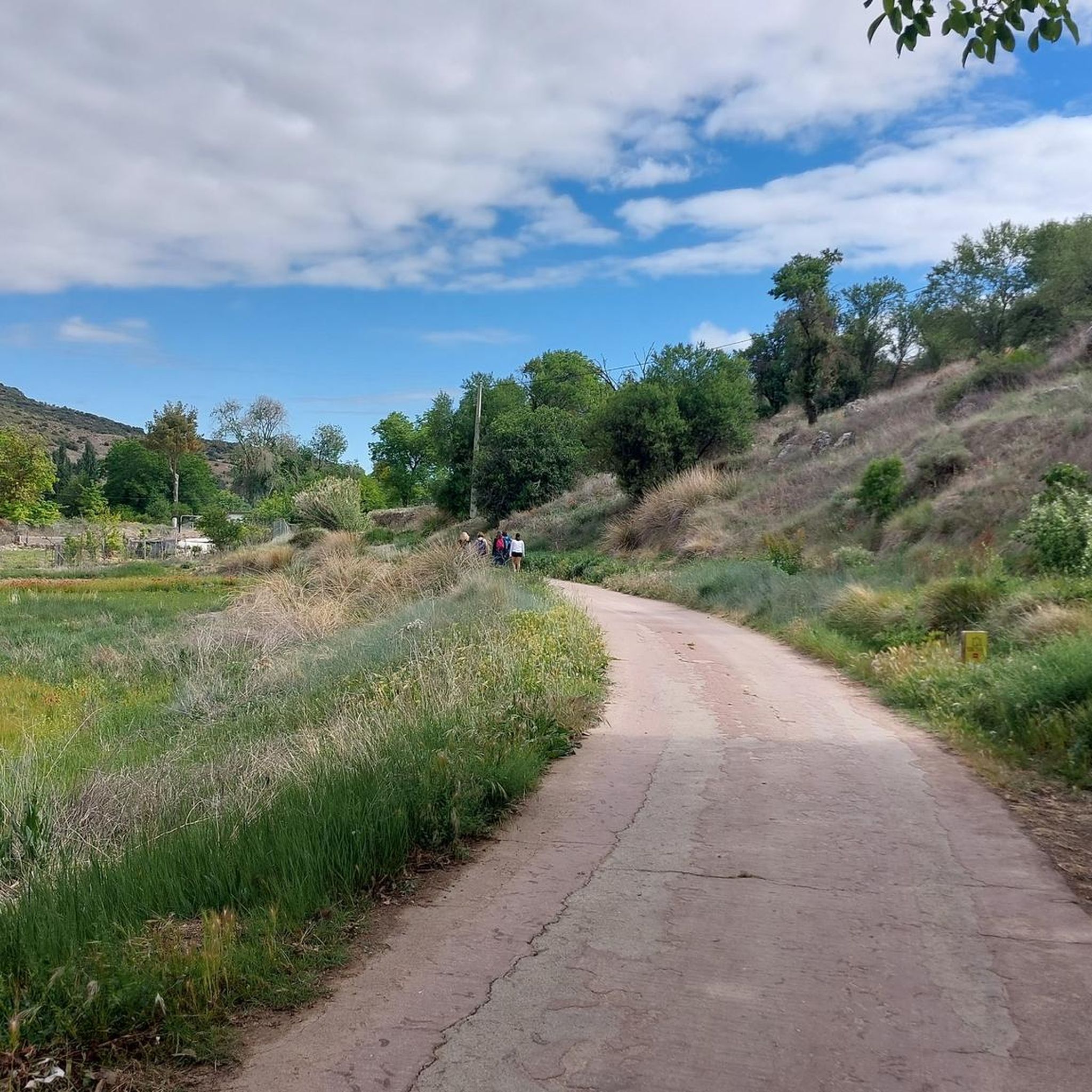
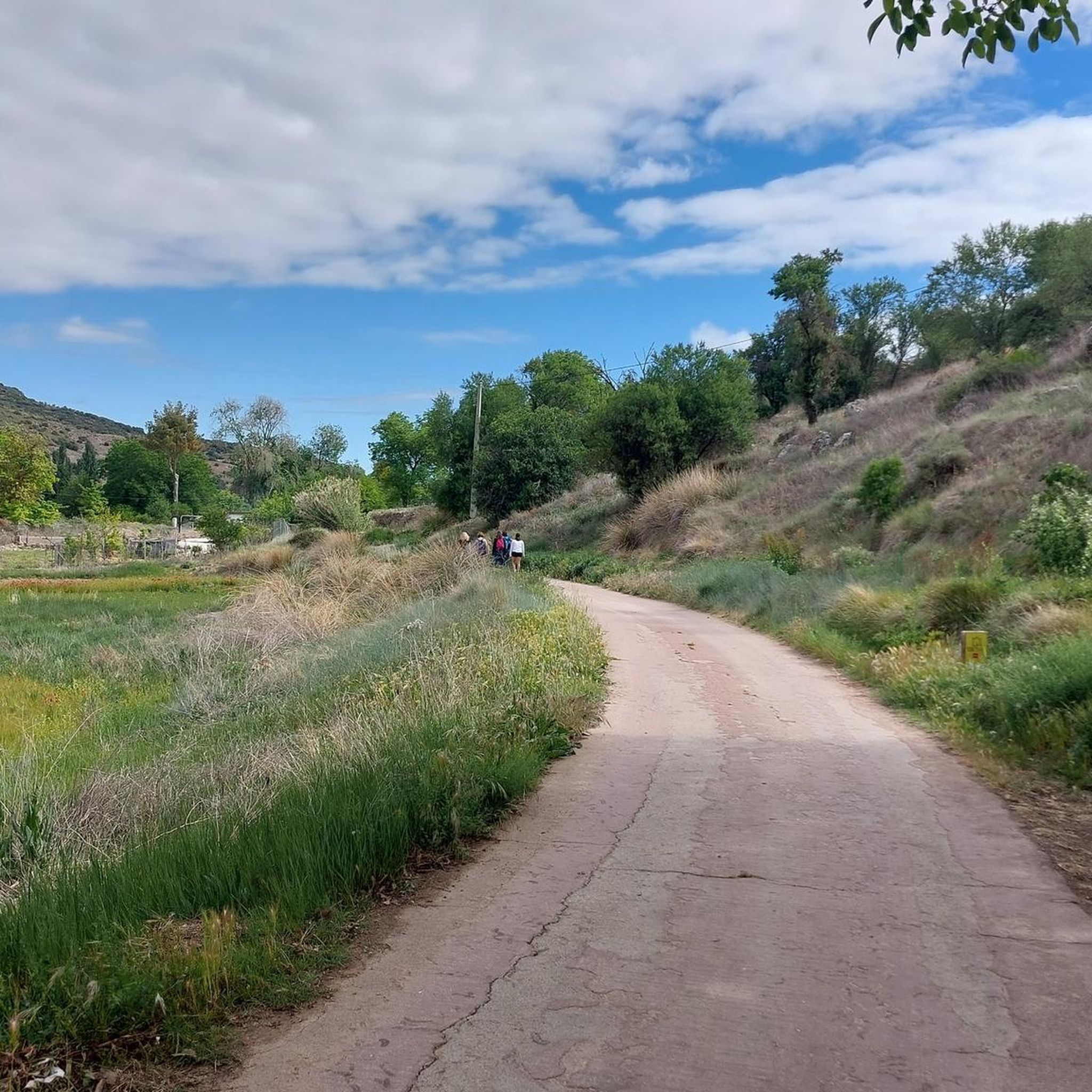
The section of the Tajuña Green Route in La Marañana de Carabaña runs along the old Vereda de Tielmes, now known as Camino de Vaciabotas. The Arganda railway ran along the opposite bank, where the Chávarri Central station is located. In the current section of the Green Route you can visit the historic Puente del Palo, of Roman origin, old mills and several dams and waterholes, one of them known as the Tajuña waterfall.
0
0
The Tajuña bridge is a careful reconstruction of the original 17th century bridge. It has a single arch and is in medieval style. It suffered serious damage during the War of Succession and has been restored several times as an essential passage in the Tajuña plain. The last repair was in 2013, maintaining the original structure.
0
0
Frequently Asked Questions
What kind of terrain can I expect on touring cycling routes around Brea de Tajo?
The region offers a diverse landscape for touring cyclists. You'll primarily encounter expansive olive groves, cereal fields, and dryland crops. There are also reforested zones, vineyards, and significant sections of Mediterranean forest, such as El Robledal, which features centenarian holm oaks and gall oaks. The historic Cañada Real Soriana Oriental, a reconditioned drover's road, provides a natural trail experience, though some marl-clayey sections can be slippery in wet conditions.
Are there routes suitable for beginners or families in Brea de Tajo?
Yes, there are routes suitable for various ability levels. For an easier option, consider the Chapel of the Holy Children – Tajuña Greenway loop from Carabaña. This route is rated as easy and covers a distance of approximately 20.5 km (12.7 miles).
What are some of the longer or more challenging touring cycling routes in the area?
For those seeking a more challenging ride, the Fountain of the Five Spouts – View of the Monastery of Uclés loop from Urb. El Ballestar - Barajas de Melo is a difficult 76.6 km (47.6 miles) path that offers rewarding views towards the Monastery of Uclés. Another popular, moderate option is the Chapel of the Holy Children – Tajuña Greenway loop from Ambite, which is 68.7 km (42.7 miles) long.
Are there any circular touring cycling routes available?
Yes, many of the touring cycling routes in the Brea de Tajo area are designed as loops. For example, the Picturesque bridge – Pine Forest Trail loop from Estremera is a moderate 49.7 km (30.9 miles) trail that takes you through a pine forest and returns to your starting point.
What natural features or landmarks can I see along the cycling routes?
The routes offer glimpses of the region's natural beauty. You can encounter traditional 'chozas merineras' (shepherd's huts) along the Cañada Real Soriana Oriental. The area is also known for its diverse scenery, including the vibrant autumn colors of La Vega del Tajuña and the ancient trees of El Robledal. You might also spot local wildlife such as rabbits, hares, and foxes. Specific highlights include the Encina de la Pica and the Ancient Holm Oak of Ambite.
Are there any historical or cultural points of interest accessible by bike?
Yes, the region blends natural beauty with rich heritage. Along the Cañada Real, you can see traditional rural structures. The village of Brea de Tajo itself boasts the Neoclassical Church of the Asunción and 19th-century hermitages. While not directly on a cycling route, the Oleic Museum offers insights into local history. You can also pass by the Picturesque bridge, a notable landmark.
What is the best time of year for touring cycling in Brea de Tajo?
The region's landscapes, particularly La Vega de Brea de Tajo, are especially striking in autumn when vibrant colors blanket the area, making it an inviting time for exploration. Generally, spring and autumn offer pleasant temperatures for cycling. Be aware that marl-clayey surfaces on trails like the Cañada Real Soriana Oriental can become slippery in wet or frosty conditions.
What do other touring cyclists say about the routes in Brea de Tajo?
The touring cycling routes around Brea de Tajo are highly regarded by the komoot community, with an average rating of 5.0 stars from over 10 reviews. Cyclists often praise the varied terrain, which includes expansive olive groves, cereal fields, and sections of Mediterranean forest, providing a unique and enjoyable experience.
Is there public transport available to reach the cycling routes?
While the region is well-suited for cycling, specific public transport options directly to trailheads are limited. It's advisable to check local bus schedules for connections to Brea de Tajo or nearby towns like Ambite and Estremera, which serve as starting points for several routes.
Where can I park my car when starting a cycling tour?
Many routes start from villages such as Ambite, Estremera, or Carabaña. These towns typically offer public parking areas where you can leave your vehicle before beginning your ride. It's always recommended to check local signage for parking regulations.
Are there any specific greenways or dedicated cycle paths in the area?
Yes, the Tajuña Greenway is a significant feature, offering a dedicated path for cyclists. Routes like the Picturesque bridge – End of VV del Tajuña loop from Ambite incorporate sections of this greenway, providing a smooth and enjoyable cycling experience. You can also find the Junction of the Tajuña Greenway and the Tren de los 40 Días Greenway.
Most popular routes around Brea De Tajo
Most popular attractions around Brea De Tajo

Get inspired with the komoot mobile app


Explore more
Browse the best Cycling routes in other regions.
