The best walks and hikes around Brea De Tajo
4.8
(4)
33
hikers
14
hikes
Hiking around Brea De Tajo offers exploration through a landscape characterized by ancient oak forests, scenic river plains, and historical pathways. The region features El Robledal de Brea de Tajo, a unique Pyrenean oak forest, and the natural beauty of La Vega. Trails often incorporate centenarian holm oaks and connect to the broader Tajo river basin.
Best hiking trails around Brea De Tajo
- The most popular hiking route is Ambita and the Vía Verde de Tajuña — round trip,…
Last updated: June 28, 2026
4
hikers
10.7km
02:55
150m
150m
Moderate hike. Good fitness required. Easily-accessible paths. Suitable for all skill levels.
4.5
(2)
12
hikers
16.8km
04:30
190m
190m
Moderate hike. Good fitness required. Easily-accessible paths. Suitable for all skill levels.

Sign up for free
5.0
(1)
8
hikers
11.2km
02:54
70m
70m
Moderate hike. Good fitness required. Easily-accessible paths. Suitable for all skill levels.
3.0
(2)
3
hikers
6.87km
02:03
210m
210m
Moderate hike. Good fitness required. Easily-accessible paths. Suitable for all skill levels.
5.0
(1)
3
hikers
12.9km
03:31
190m
190m
Moderate hike. Good fitness required. Easily-accessible paths. Suitable for all skill levels.
Get access to more routes and recommendations from other explorers.
Sign up for free
Already have an account?
Our route recommendations are based on thousands of hikes, rides, and runs completed by other people on komoot.
Start today with a free account
Your next adventure awaits.
Login or Signup
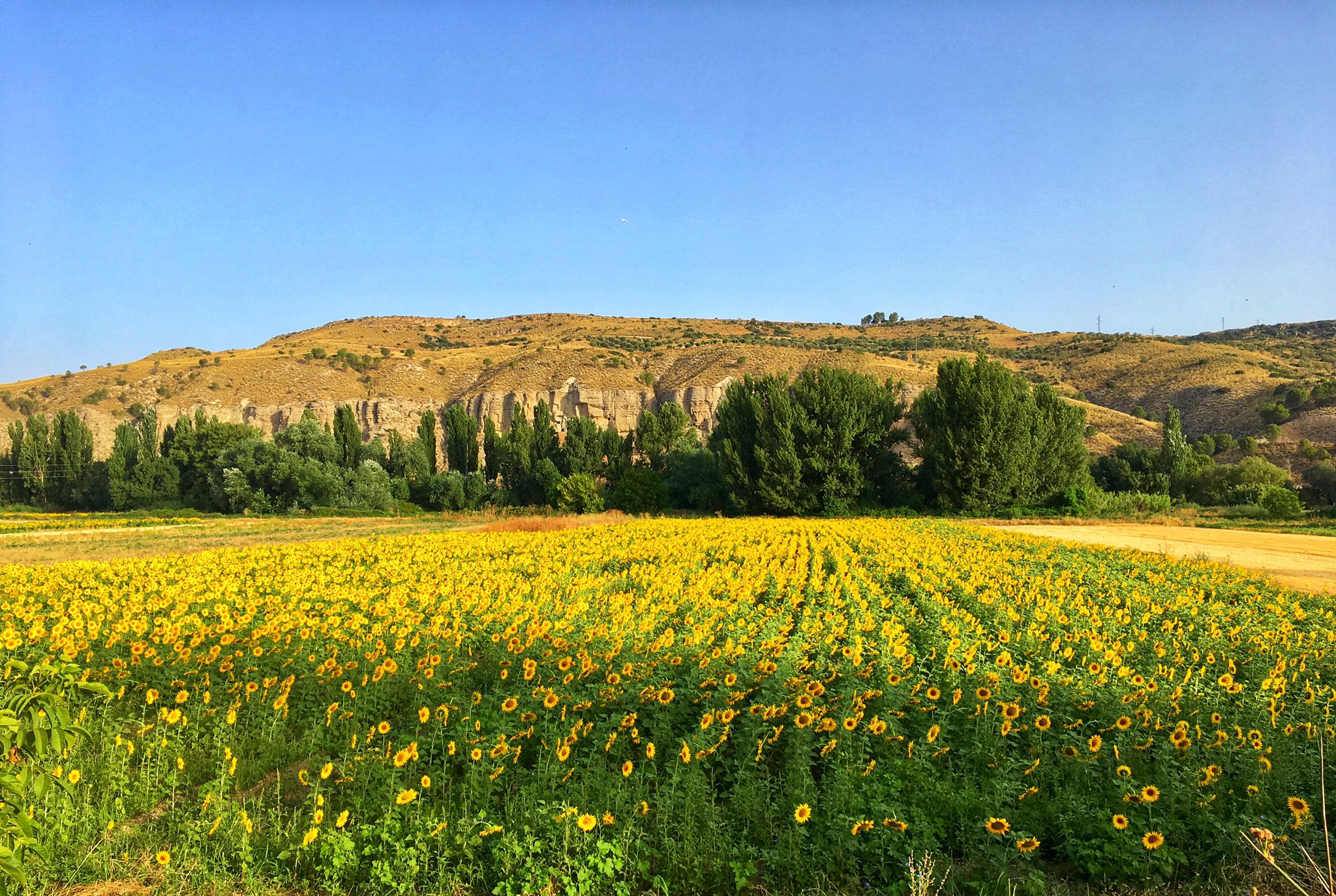
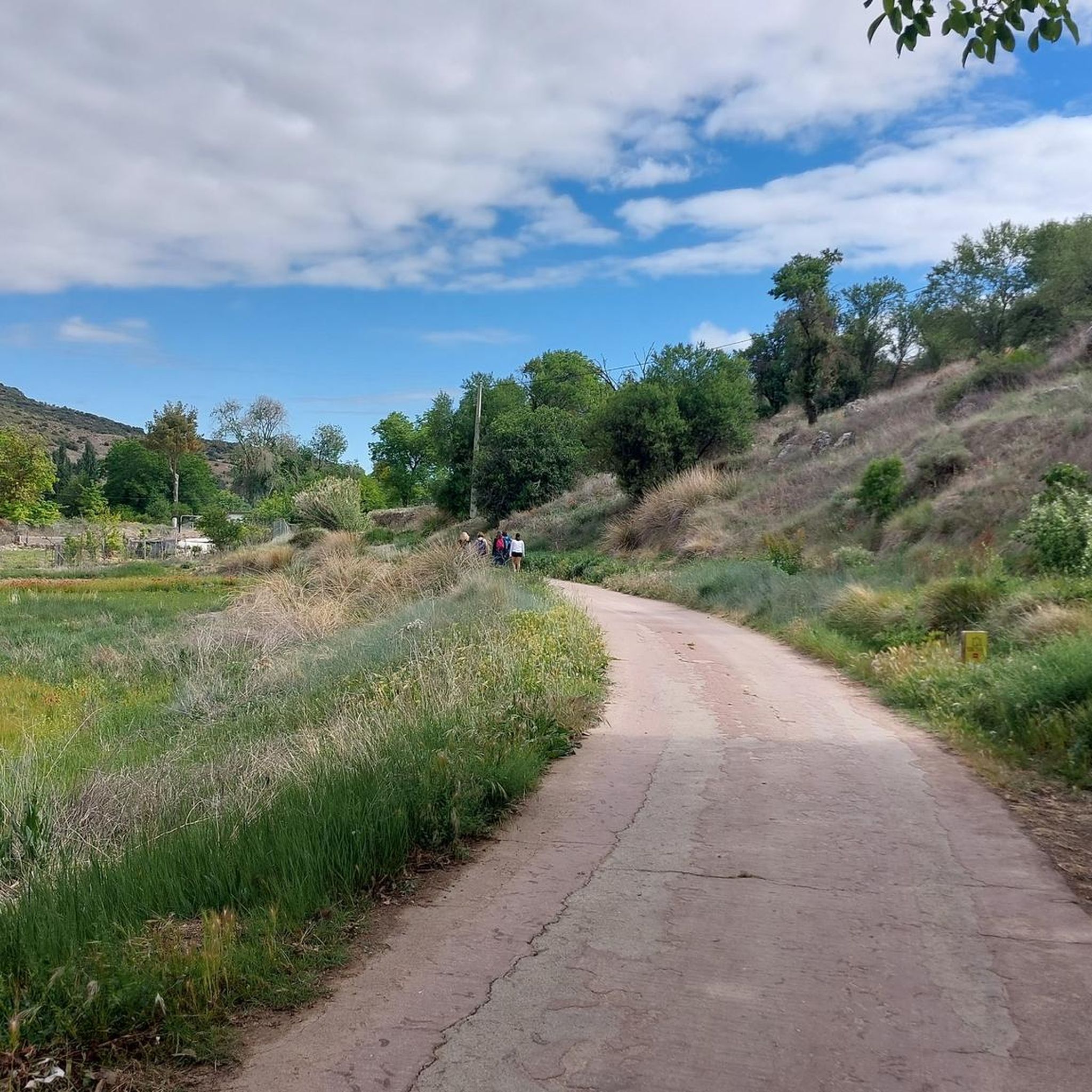
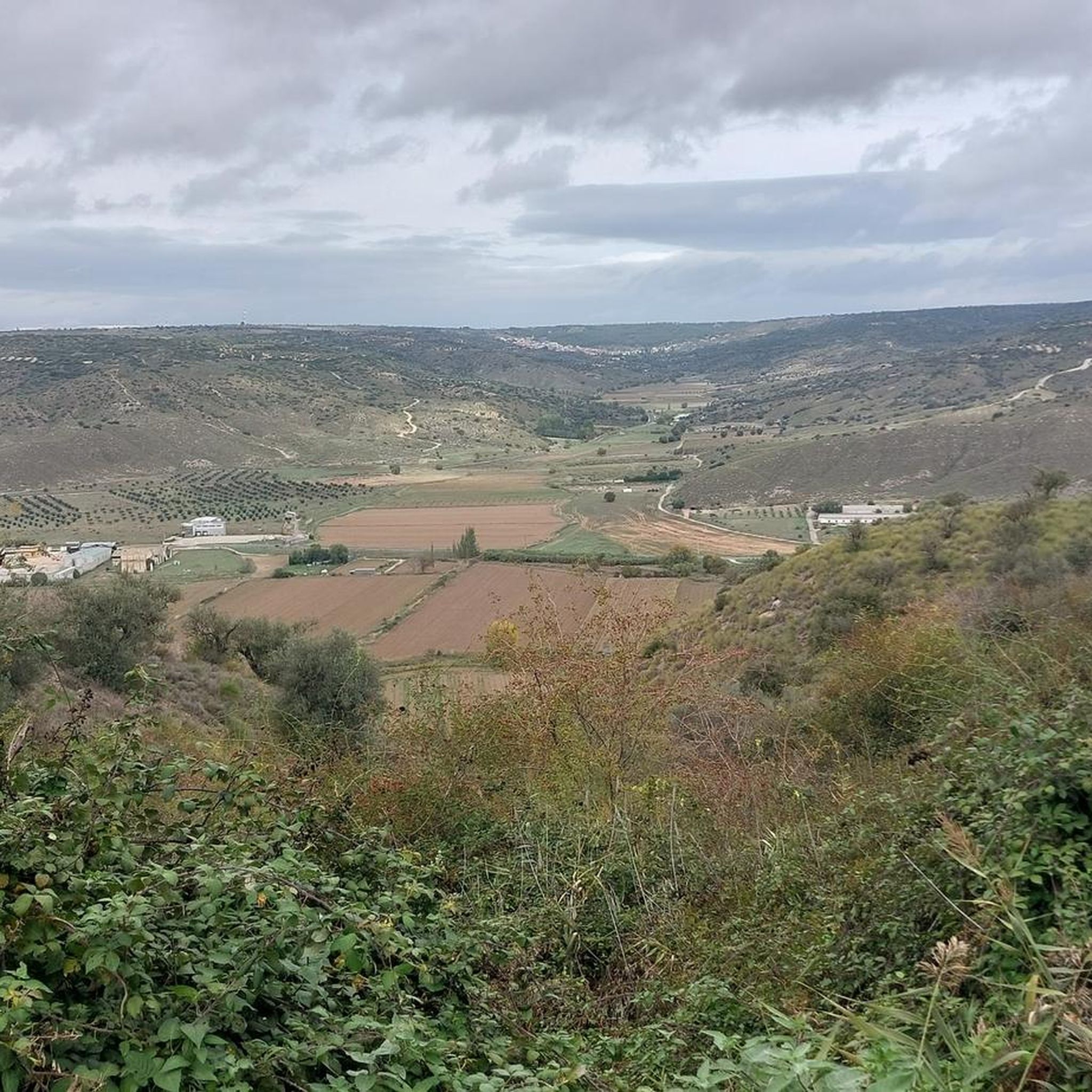
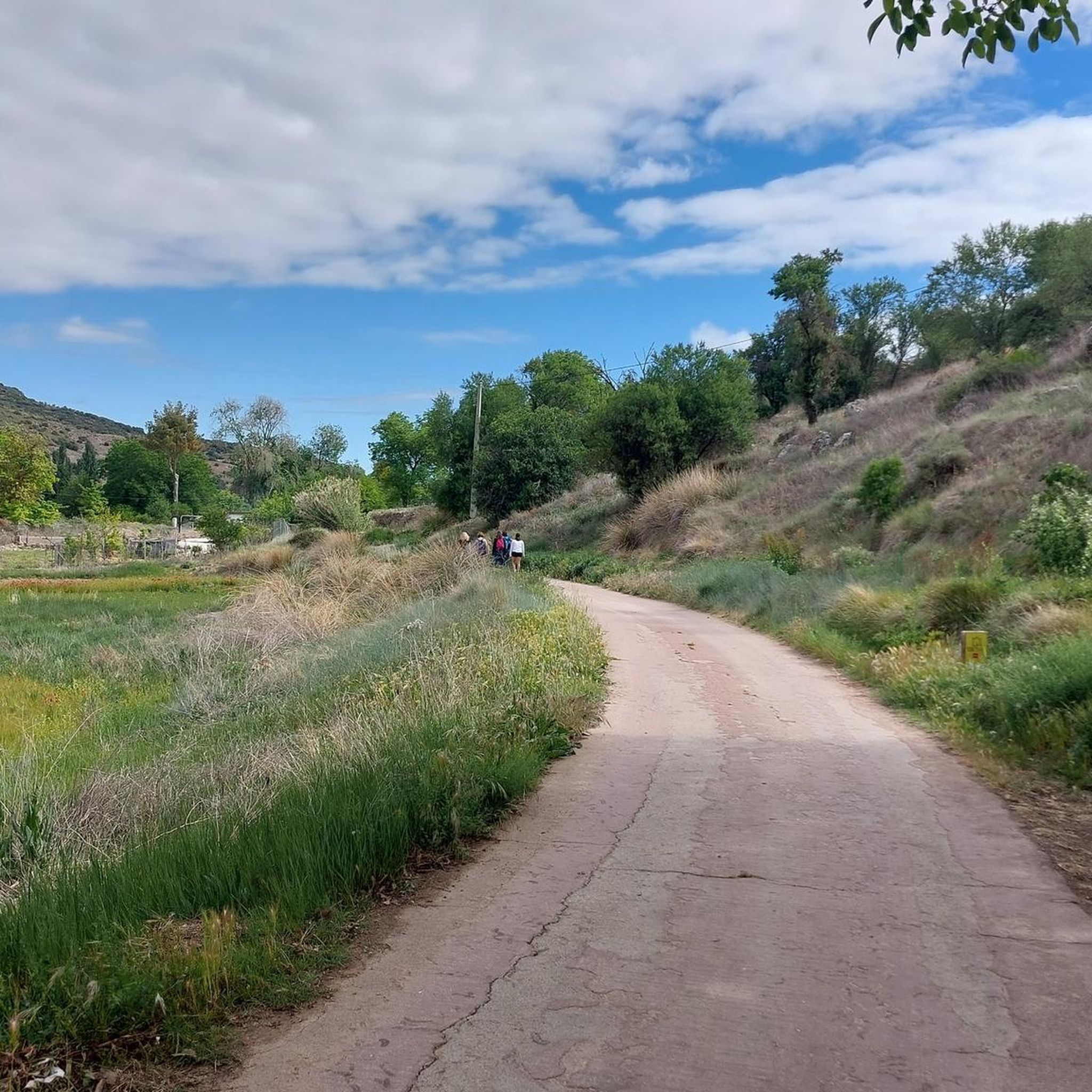
Other adventures around Brea De Tajo

Tips from the Community

The landscapes from Ambite to Mondejar are worth seeing.
0
0

The beautiful Fuente del Arca (Ark Fountain) is one of the historic springs of the Tajuña Valley. It lies along the Cordel de las Merinas, a notable drove road used during the transhumance era, and for centuries it was one of the main sources of drinking water for the town of Ambite. The basin itself is a small water garden, nestled in a pleasant setting of poplars, fig trees, willows, elms, and plants associated with springs, such as the maidenhair fern, a fern unique to the region.
0
0

The Pinar del Parque Forestal de Carabaña is a large forest of Aleppo pine on the slopes of the Huevo Rodado ravine, an essential forest lung in the Tajuña river basin and a pleasant space for walking and recreation for the inhabitants of Carabaña.
0
0
The liveliest places in Carabaña are the Plaza de Joaquín Orea, on one side of the Asunción church, and the Plaza de España, where the Town Hall is located, a beautiful neoclassical stone fountain with a circular basin, built in 1798 during the reign of Charles IV, and the Ara Romana de Carabaña, a museum dedicated to local history from Roman times, with an altar from the 3rd century BC dedicated to the god Mithras. The streets slope down towards the Fonginena ravine and the Tajuña plain, seeking the passage of the river over a bridge that they call Roman because it already existed in those times, but the current construction is from the 16th century. Towards the moor, neighbourhoods of modern houses have developed, on hillsides with disturbing names such as Valdequitapán, Mata Asnos and Calvario, where the hermitage of Santa Bárbara is located, one of the town's viewpoints and a passage for the Peña Bermeja hiking route.
0
0
Part of the old Tajuña Train station has been converted into a bar, but nothing remains of the loading docks or the rest of the facilities, except for the water tank, which stands alone on a nearby esplanade and has maintained its masonry construction and sheet metal roof quite well.
0
0
In the 16th century it was an important flour mill and fulling mill in the municipality of Orusco. A century later it was transformed into a paper factory to meet the needs of modern society at the time. Now it is a carpet factory but the original weir, the waterfall, the grove and the traditional irrigation channels used in the Tajuña plain for centuries have been preserved.
0
0
It is one of the original bridges on the Arganda Train railway line over the Tajuña River. It has three semicircular arches with the central eye of greater size and a segmental arch, built in ashlar and a stone voussoir on the edge of the arches. Further on, the greenway passes over two bridges built in the same architectural style.
0
0
The main settlement of Orusco in the Tajuña valley is linked to the community of anchorites of the Order of San Jerónimo who founded the hermitage of Villaescusa in the 13th century, then moved to Lupiana and the population grew during the Middle Ages on the slopes of the Tajuña. In the 16th century it was given the title of town and lordship, it has been a crossroads on the historic railways of the southeast of Madrid and now it is a lively and prosperous agricultural town in Las Vegas madrileñas. It is the town of fountains, they are distributed in squares, corners and strategic places to supply drinking water to the different neighborhoods. The parish church of San Juan Evangelista is from the 16th century and preserves attractive walls of brick and masonry made of Toledo masonry.
0
0
Frequently Asked Questions
How many hiking trails are there in Brea de Tajo?
Brea de Tajo offers a selection of over 10 hiking routes. These trails cater to various preferences, with 2 easy routes and 10 moderate options, ensuring there's something for every hiker.
What is the best time to visit Brea de Tajo for hiking?
The region's natural beauty, particularly the oak forests and La Vega, changes beautifully with the seasons. Autumn is especially vibrant with color, making it a highly recommended time for hiking. Spring also offers pleasant temperatures and blooming flora.
What kind of natural features can I expect to see on the trails in Brea de Tajo?
Hikers can explore diverse landscapes, including the unique El Robledal de Brea de Tajo, a rare Pyrenean oak forest. You'll also encounter centenarian holm oaks, the native Zumaque shrub, and the scenic beauty of La Vega. Some routes may lead to ruins along the broader Tajo river basin.
Are there any easy hikes suitable for beginners in Brea de Tajo?
Yes, Brea de Tajo has 2 easy hiking routes perfect for beginners or those looking for a relaxed stroll. These trails offer a gentle introduction to the region's natural beauty without significant elevation changes.
Are there any circular hiking routes in Brea de Tajo?
Yes, many of the trails in Brea de Tajo are designed as loops, allowing you to start and finish at the same point. For example, the Hiking loop from Mondéjar and the Picturesque bridge – Pine Forest Trail loop from Orusco de Tajuña are popular circular options.
Can I hike with my dog in Brea de Tajo?
While specific regulations for dogs on trails are not detailed, generally, dogs are welcome on many outdoor paths in Spain, especially in natural areas. It's always advisable to keep your dog on a leash, especially in areas with wildlife or livestock, and to clean up after them. The natural environment of Brea de Tajo, with its forests and open spaces, can be enjoyable for dogs.
Are there family-friendly walks in Brea de Tajo?
Yes, Brea de Tajo offers routes suitable for families. The 2 easy trails are particularly good for younger children or those seeking a less strenuous outing. The Ambita and the Vía Verde de Tajuña — round trip, which follows a former railway line, provides accessible paths that are often ideal for families.
What historical sites or landmarks can I explore while hiking in Brea de Tajo?
Along the trails, you can discover ancient 'chozos' (shepherds' huts) and 'corrales' (corrals), which are remnants of historical transhumance routes like the Cañada Real Soriana Oriental. You might also encounter natural monuments such as the Encina de la Pica or the Ancient Holm Oak of Ambite. The Picturesque bridge is another notable landmark.
What do other hikers enjoy the most about hiking in Brea de Tajo?
The hiking routes in Brea de Tajo are highly rated by the komoot community, with an average score of 4.5 stars from 9 reviews. Hikers often praise the unique oak forests, the tranquil atmosphere, and the well-maintained trails that offer a blend of natural beauty and historical elements.
Is there parking available near the trailheads in Brea de Tajo?
While specific parking areas for each trailhead are not detailed, Brea de Tajo is a municipality that caters to visitors. You can typically find parking in or near the village centers from which many routes begin, or at designated points along the main access roads to the natural areas. It's advisable to check local signage upon arrival.
How can I get to the hiking trails in Brea de Tajo using public transport?
Brea de Tajo is accessible by public transport, typically via bus services from Madrid or nearby towns. Once in the village, many trailheads are within walking distance. For routes starting further afield, such as those near Orusco de Tajuña or Ambite, you would need to check local bus schedules to those specific locations. Planning your journey in advance is recommended.
What are some notable attractions or points of interest near the hiking routes?
Beyond the trails, you can explore several points of interest. The Junction of the Tajuña Greenway and the Tren de los 40 Días Greenway is a significant spot for cycling and walking enthusiasts. Nature lovers might appreciate the Vega del Tajuña Nature Center. Additionally, the Fuente del Arca offers a natural spring.
Most popular routes around Brea De Tajo
Most popular attractions around Brea De Tajo

Get inspired with the komoot mobile app


Explore more
Browse the best Hikes in other regions.
