Top 15 Lakes around Campillos
Best lakes around Campillos are found within a significant natural reserve in Málaga, characterized by a complex of endorheic lakes. These lakes, primarily fed by rainfall, exhibit seasonal variations in water levels and varying degrees of salinity, creating a unique ecosystem. The area is renowned for its diverse birdlife, including flamingos, and offers opportunities for hiking and connecting with nature. Visitors can explore a landscape featuring Mediterranean scrubland, reedbeds, and panoramic views of surrounding mountains.
Best lakes around Campillos
- The…
Last updated: July 7, 2026
Gaitanejo Reservoir Dam
Highlight • Structure
Translated by Google •
Tip by

Tajo de la Encantada Reservoir
Highlight • Lake
Translated by Google •
Tip by

Sign up now to discover places like this
Get recommendations on the best single tracks, peaks, & plenty of other exciting outdoor places.
Sign up for free
Conde de Guadalhorce Reservoir
Highlight • Lake
Translated by Google •
Tip by

Fuente de Piedra Lagoon
Highlight • Lake
Translated by Google •
Tip by

Bird Observation Tower, Laguna de Fuente de Piedra Nature Reserve
Highlight • Viewpoint
Translated by Google •
Tip by

Sign up for free to discover even more lakes around Campillos.
Sign up for free
Already have an account?
Start today with a free account
Your next adventure awaits.
Login or Signup
Popular around Campillos


Tips from the Community

Here the amount of water that should flow through the canyon is regulated. The water is regulated via a funnel-shaped outlet.
2
0

There is a wide selection of restaurants in the area around the El Chorro reservoir.
4
0
The reservoir, located 600 meters from Caminito del Rey, is a tourist attraction.
4
0

Designated trails run around the lagoon, leading directly to observation points and birdwatching towers. From there, flamingos and numerous other bird species can be observed undisturbed.
1
0
The Laguna de Fuente de Piedra is also ideal for exploring by bike. The nature reserve is accessible via well-maintained roads and paths that lead through the surrounding Andalusian countryside. The lake itself features designated trails and birdwatching towers, from which flamingos and other bird species can be observed undisturbed. A tour allows for flexible exploration of the reserve, enjoying the tranquil nature while also experiencing the diverse birdlife up close. The lagoon is particularly vibrant in spring and autumn, when numerous birds use the protected area as a breeding or resting place.
2
0
The Laguna de Fuente de Piedra is the largest natural lagoon in Andalusia and an important wetland in the northwest of the province of Málaga. It is best known for its large colony of greater flamingos, which nest here in spring and provide one of the region's most impressive natural spectacles. The shallow salt lagoon also attracts nearly 200 species of birds and is an important resting place for migratory birds. Surrounded by salt marshes, reed beds, and Mediterranean vegetation, the area offers ideal conditions for wildlife. A visitor center provides information about the flora and fauna, while birdwatching platforms and guided tours offer nature lovers exciting insights. The lagoon is an ideal spot for nature photography amidst a fascinating landscape. The Laguna de Fuente de Piedra is also an ideal destination for cyclists who want to combine nature experiences with physical activity. The area offers a variety of cycling routes of varying difficulty levels, leading through the picturesque landscape and along the largest natural lagoon in Andalusia. The “José Antonio Valverde” visitor center serves as a good starting point for cycling tours and offers information about the flora and fauna of the region.
4
0
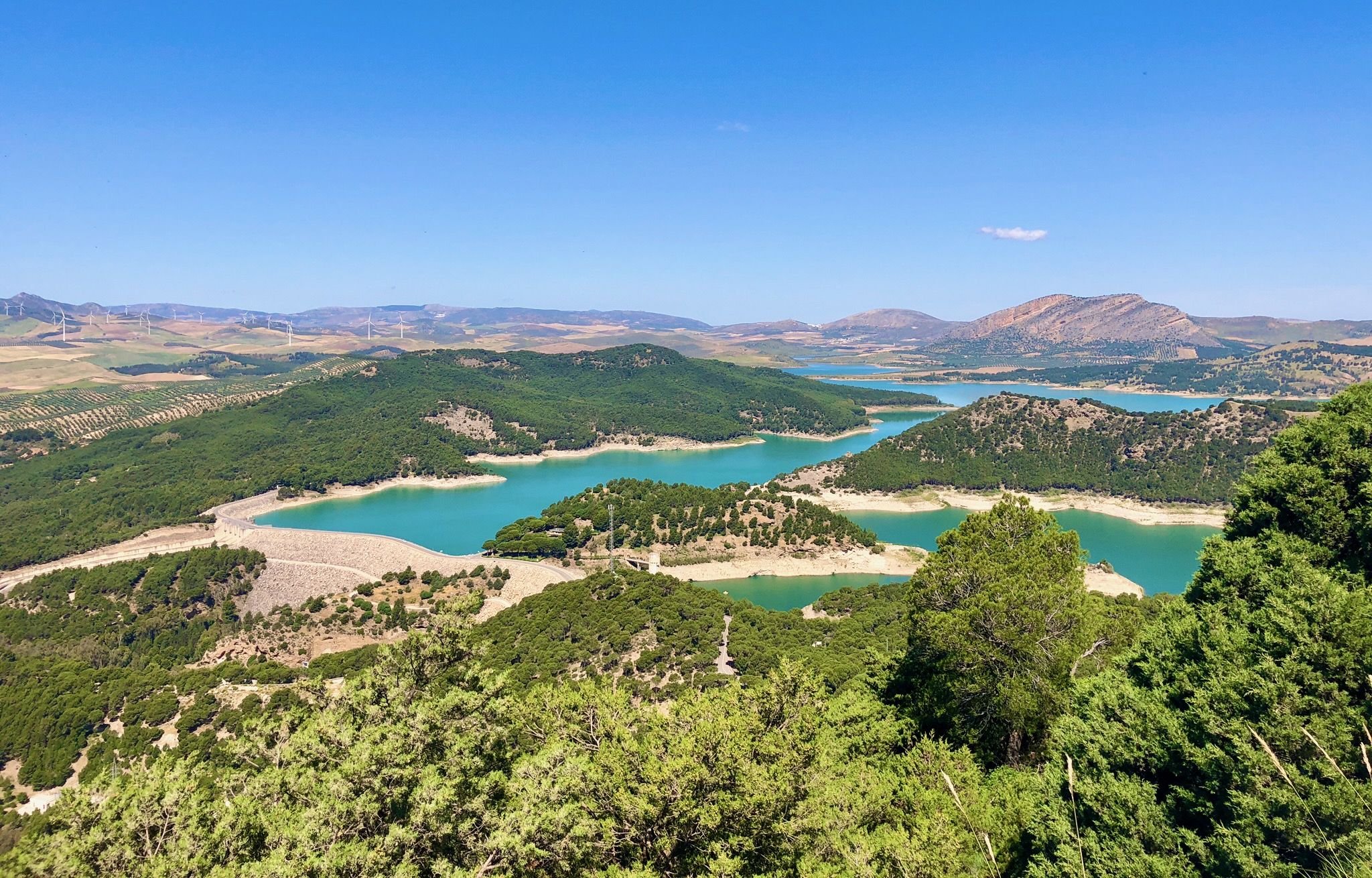
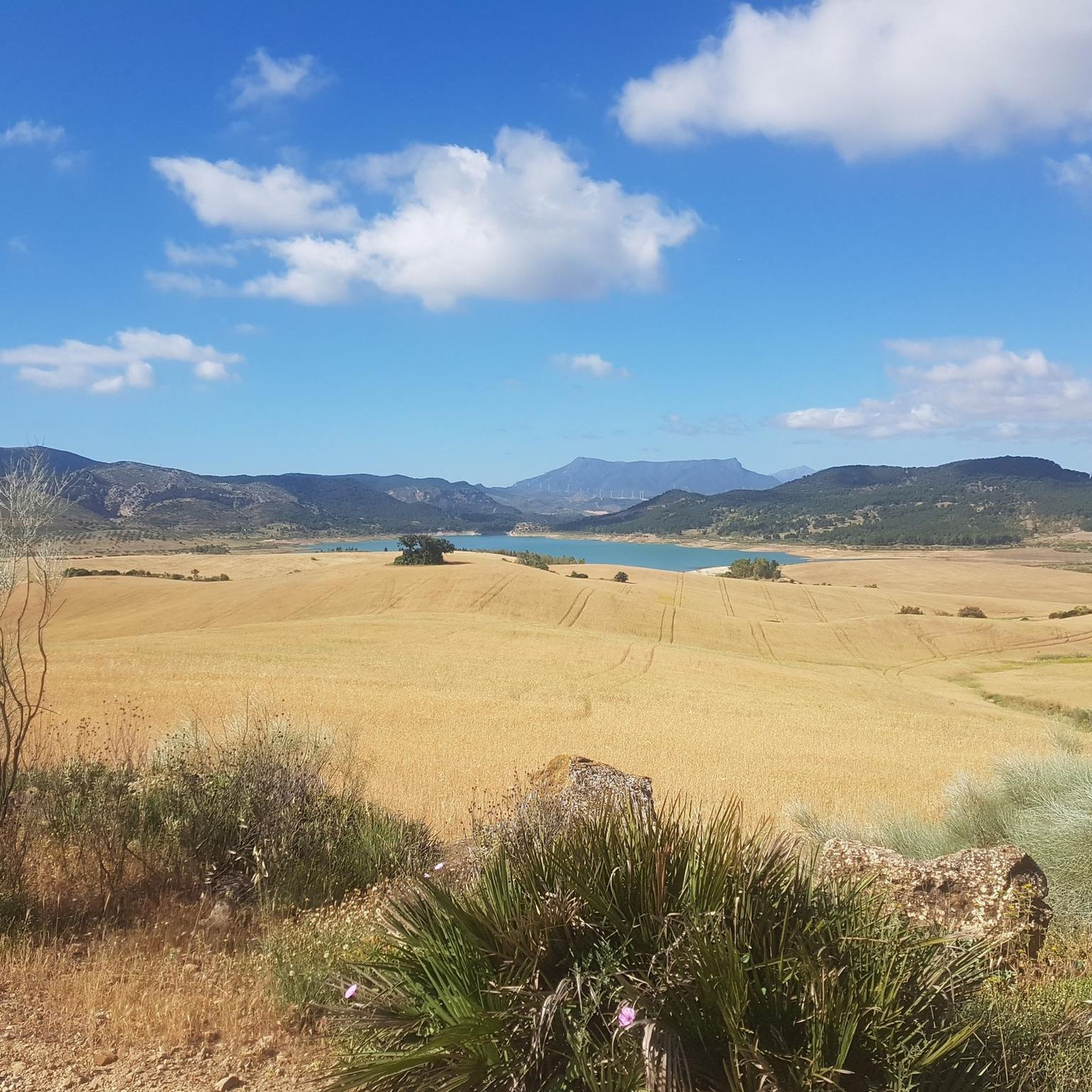
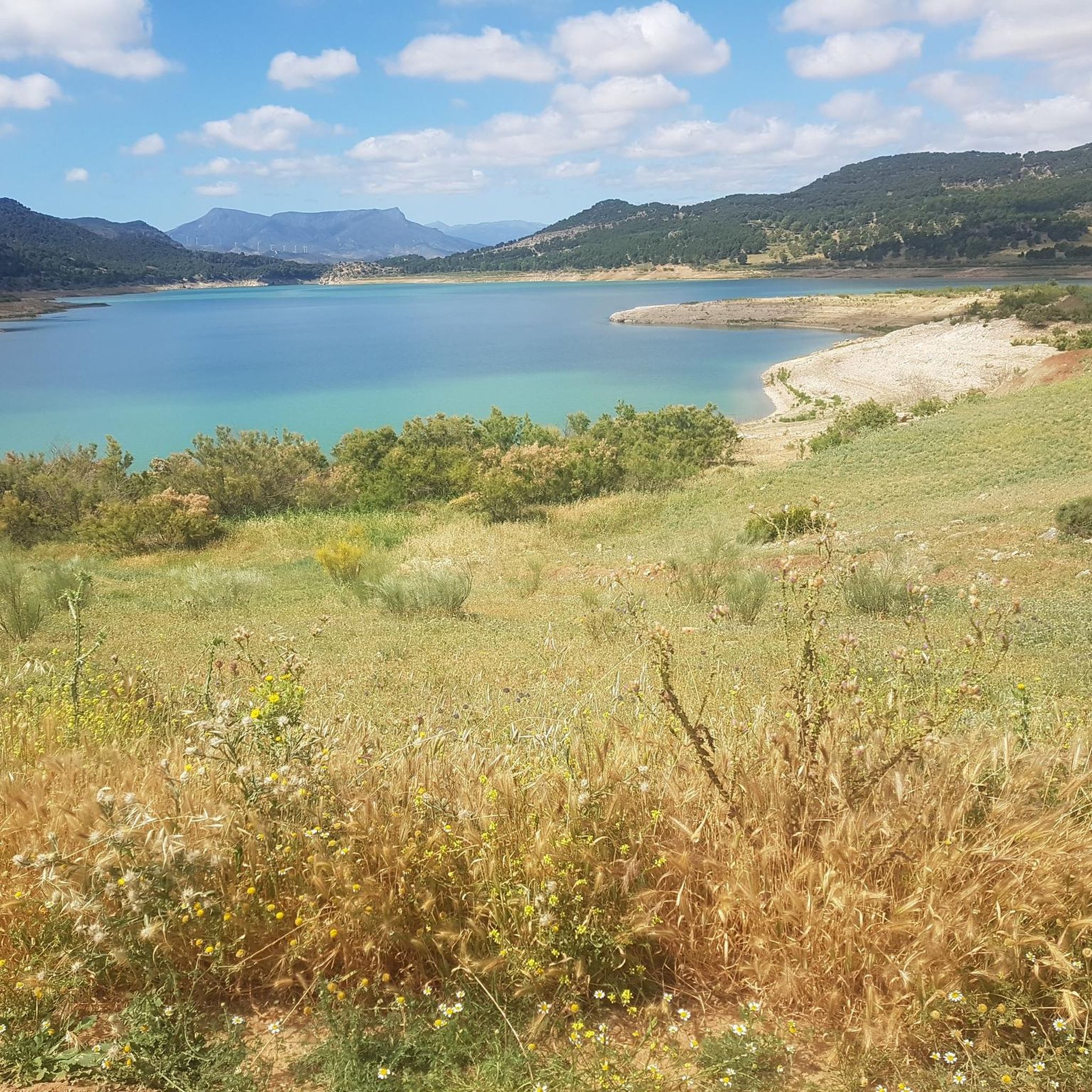
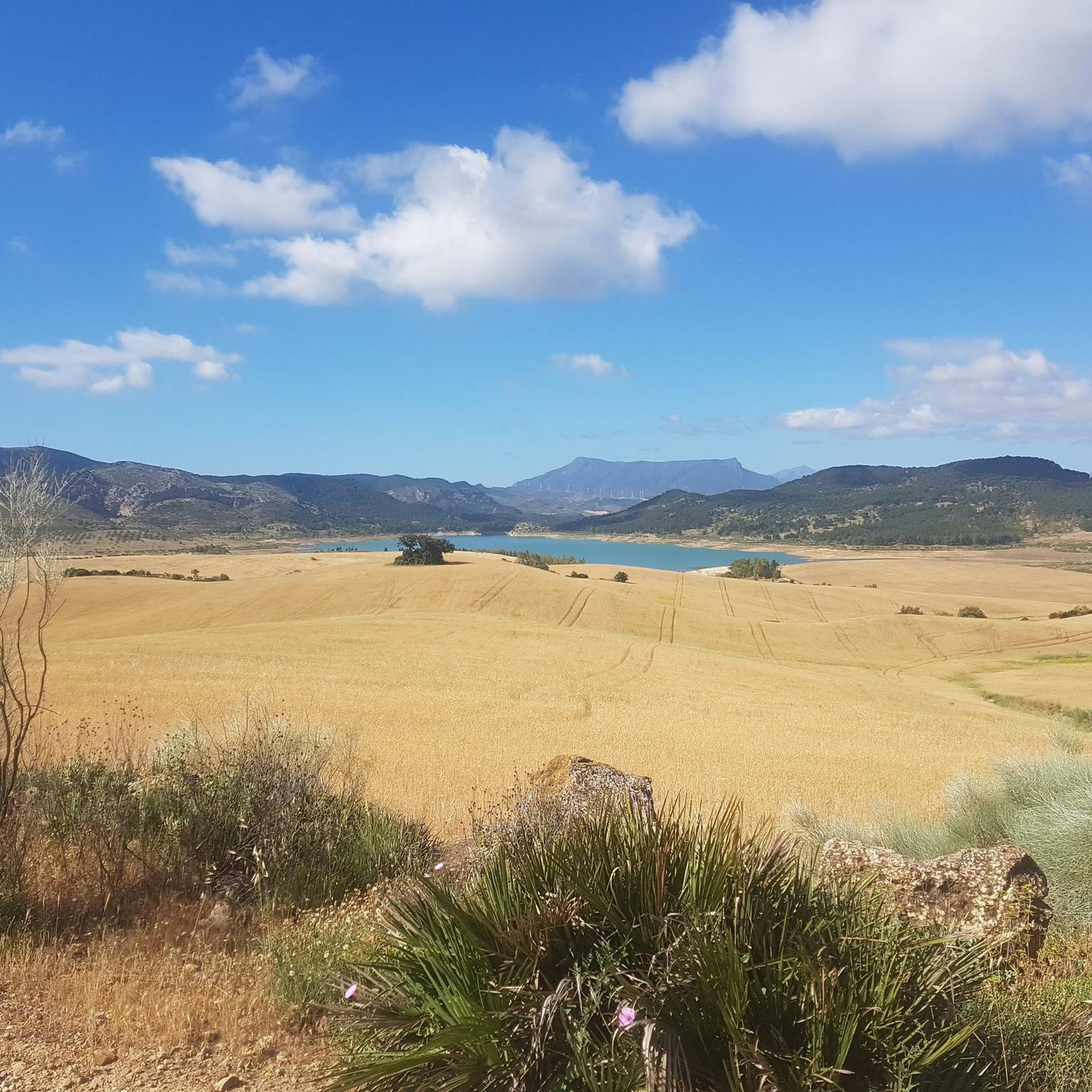
Great photo point! The Embalse del Conde de Guadalhorce is one of the most famous and picturesque reservoirs in the province of Málaga. It is located in the Ardales region and is part of a network of reservoirs that contribute to the water supply and irrigation in the area. Together with the neighboring Guadalteba and Gaitanejo reservoirs, it forms the so-called Pantano del Chorro. The reservoir has an impressive body of water surrounded by dense pine forests and rocky landscapes. It is used for water supply, irrigation and partly for generating electricity. There are hiking and cycling trails around the reservoir that lead through the beautiful nature and pine forests. There are numerous picnic areas.
11
2
Frequently Asked Questions
What makes the Campillos Lakes Nature Reserve unique for visitors?
The Campillos Lakes Nature Reserve is unique due to its complex of endorheic lakes, which are primarily fed by rainfall and have no outlet to the sea. This creates a distinctive ecosystem with varying salinity levels and seasonal water fluctuations. It's a crucial habitat for diverse wildlife, especially birds, and offers scenic views of the surrounding mountains.
Which lakes are best for birdwatching in the Campillos area?
The entire Campillos Lakes Nature Reserve is renowned for birdwatching. Laguna de Fuente de Piedra is particularly famous for hosting a large colony of greater flamingos, especially between March and June, and is an important resting place for migratory birds. You can find excellent observation points, including the Bird Observation Tower at Laguna de Fuente de Piedra. Other lakes like Laguna Salada also attract a variety of aquatic birds.
Are there hiking trails around the Campillos lakes?
Yes, the area around the Campillos lakes offers various hiking opportunities. You can explore ancient livestock tracks and trails that connect fields and farms, providing scenic views. For specific routes, you can find options like the 'Guadalhorce and Guadalteba reservoirs - circular via viewpoints' or 'Three Reservoirs Viewpoint' trails. Discover more hiking routes in the area on the Hiking around Campillos guide.
What kind of wildlife can be seen at the Campillos lakes, besides birds?
Beyond the abundant birdlife, the Campillos Lakes Nature Reserve is home to various other animals. You might spot reptiles such as the common lizard, Spanish Psammodromus, and Montpellier snake. Mammals like foxes, weasels, hares, rabbits, voles, and water rats also inhabit the area.
What is the best time of year to visit the Campillos lakes?
The best time to visit depends on your interest. For birdwatching, spring and autumn are ideal due to migratory birds, and flamingos are particularly prominent from March to June. The lakes experience seasonal variations, with some drying out in summer, so spring and autumn generally offer more consistent water levels and vibrant nature.
Are there any family-friendly activities or lakes suitable for families?
Yes, the area around the Campillos lakes offers family-friendly options. The flat landscape is suitable for easy walks, and the natural beauty provides a great setting for outdoor exploration. Conde de Guadalhorce Reservoir is noted as family-friendly, with picnic areas and trails through pine forests. The Fuente de Piedra Lagoon also has designated trails and birdwatching towers that are accessible for families.
Where can I learn more about the ecology of the Campillos Lakes?
To gain a deeper understanding of the reserve's ecology and biodiversity, you can visit the Campillos Lakes Interpretive Centre. It provides information and exhibits on the lakes, their unique flora (like *Althenia orientalis* and *Ruppia maritima* found in Laguna Salada), and fauna, including life-sized bird replicas and interactive displays.
Are there opportunities for cycling or gravel biking near the lakes?
Yes, the region around Campillos offers excellent opportunities for cycling and gravel biking. You can find routes that take you through the picturesque landscape and along the reservoirs. For example, there are challenging gravel biking loops around the Caminito del Rey area. Explore more options in the Gravel biking around Campillos guide.
Which lake is known for its consistent water levels, even during dry periods?
Among the endorheic lakes in the Campillos Nature Reserve, Laguna Salada is particularly notable. It is one of the few lakes that hardly ever dries out, providing a more consistent aquatic habitat compared to other seasonal lakes in the complex.
What are some notable man-made structures or viewpoints in the lake area?
The area features impressive man-made structures that are also popular viewpoints. The Gaitanejo Reservoir Dam is often the first feature seen at the beginning of the Caminito del Rey. Another significant structure is the Tajo de la Encantada Reservoir, an engineering work designed for electricity generation with amazing views, located at the foot of the Caminito del Rey.
What kind of vegetation can be found around the Campillos lakes?
The vegetation around the Campillos lakes is characterized by Mediterranean scrubland, reedbeds, reedmace, and rushes, especially in the immediate vicinity of the water. The wider area includes olive groves and herbaceous crops, contributing to the diverse natural landscape.
How accessible are the Campillos lakes for visitors?
The lakes are generally accessible, with viewpoints over lakes like Laguna Dulce. Many lakes can be reached via dirt tracks from main roads such as the MA452. There are also designated trails and paths, including sections of the Great Málaga Path, that lead through the reserve, making it easy to explore.
Most popular routes around Campillos
Most popular attractions around Campillos

Get inspired with the komoot mobile app


Explore more
Still not found your perfect lake around Campillos? Check out the guides of these regions to see even more beautiful places.
