Attractions and Places To See around Burbáguena - Top 14
Best attractions and places to see around Burbáguena include a blend of historical landmarks, cultural sites, and natural beauty within the Jiloca River valley in Teruel, Spain. This region is characterized by its picturesque landscapes, including orchards and poplar groves along the Jiloca River. Visitors can explore ancient history, religious architecture, and significant natural features, offering a diverse range of experiences.
Best attractions and places to see around Burbáguena
- The most popular attractions is Aguallueve de Anento, a waterfall…
Last updated: July 2, 2026
Aguallueve de Anento
Highlight • Waterfall
The Aguallueve is a spring that continuously falls in the …
Translated by Google •
Tip by

Calamocha
Highlight • Settlement
Translated by Google •
Tip by
Sign up now to discover places like this
Get recommendations on the best single tracks, peaks, & plenty of other exciting outdoor places.
Sign up for free
Roman bridge of Luco de Jiloca
Highlight • Bridge
Translated by Google •
Tip by

Santander–Mediterranean Nature Trail – Villanueva del Jiloca
Highlight • Cycleway
Translated by Google •
Tip by

Santander–Mediterranean Greenway
Highlight • Cycleway
Translated by Google •
Tip by
Sign up for free to discover even more attractions around Burbáguena.
Sign up for free
Already have an account?
Start today with a free account
Your next adventure awaits.
Login or Signup


Tips from the Community

In addition to its natural value, the itinerary allows you to discover the historical richness of Daroca, one of the most emblematic medieval towns in Aragon, known for its walls, churches, and monumental legacy.
0
0

A must-see to listen to the flow of the Pancrudo River. And seeing the beauty of the Jiloca River banks in autumn is special.
0
1

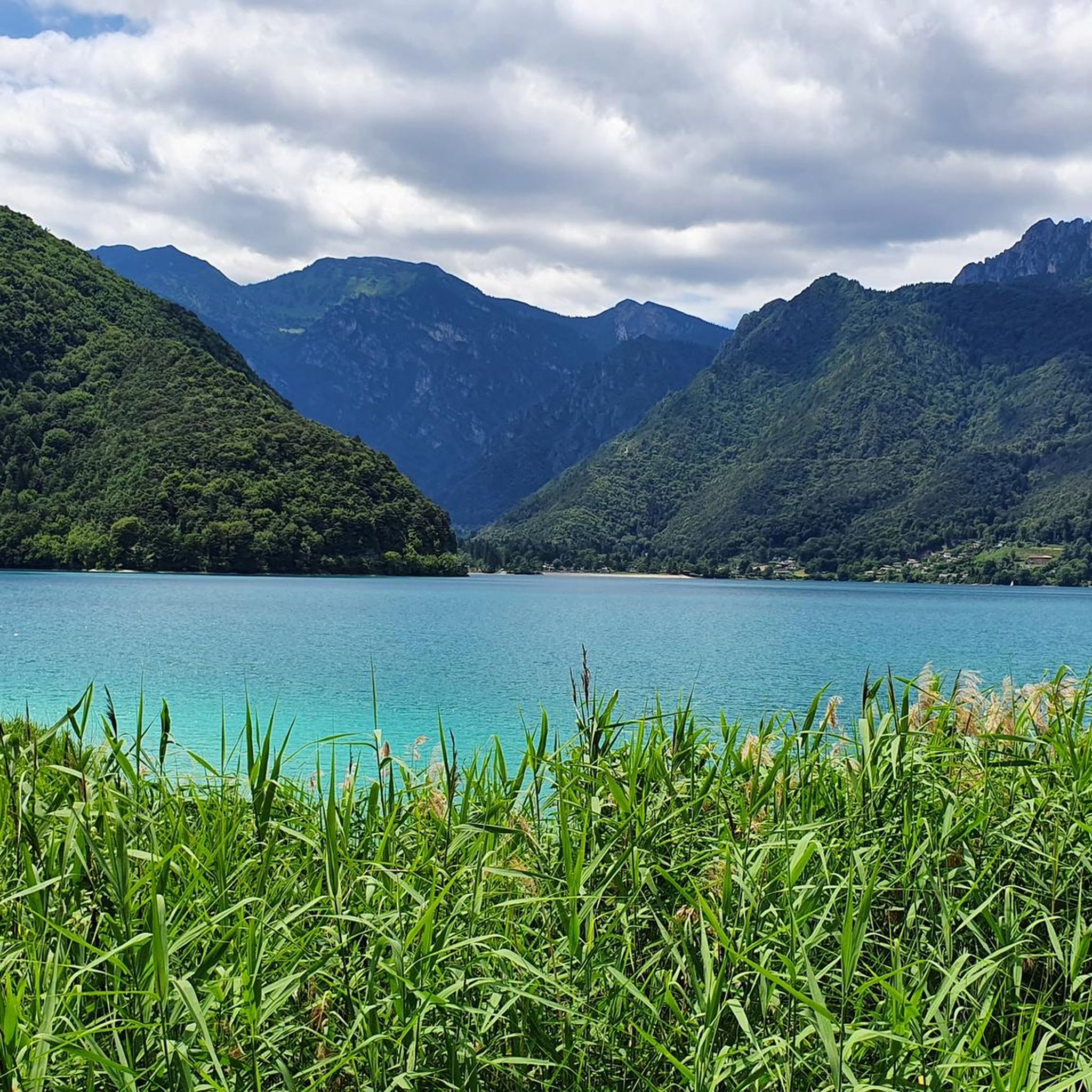
The Aguallueve de Anento is a beautiful spring located in the picturesque town of Anento, in the province of Zaragoza. The Aguallueve is a spring that continuously falls in the form of drops of water, creating a spectacular relief with walls of stone and moss, and small caves hidden inside. It is a limestone formation where several springs have created an impressive karst relief.
5
0
The Aguallueve de Anento is a beautiful spring located in the picturesque town of Anento, in the province of Zaragoza. The Aguallueve is a spring that continuously falls in the form of drops of water, creating a spectacular relief with walls of stone and moss, and small caves hidden inside. It is a limestone formation where several springs have created an impressive karst relief.
7
0

repair station and drinking water fountain
0
0

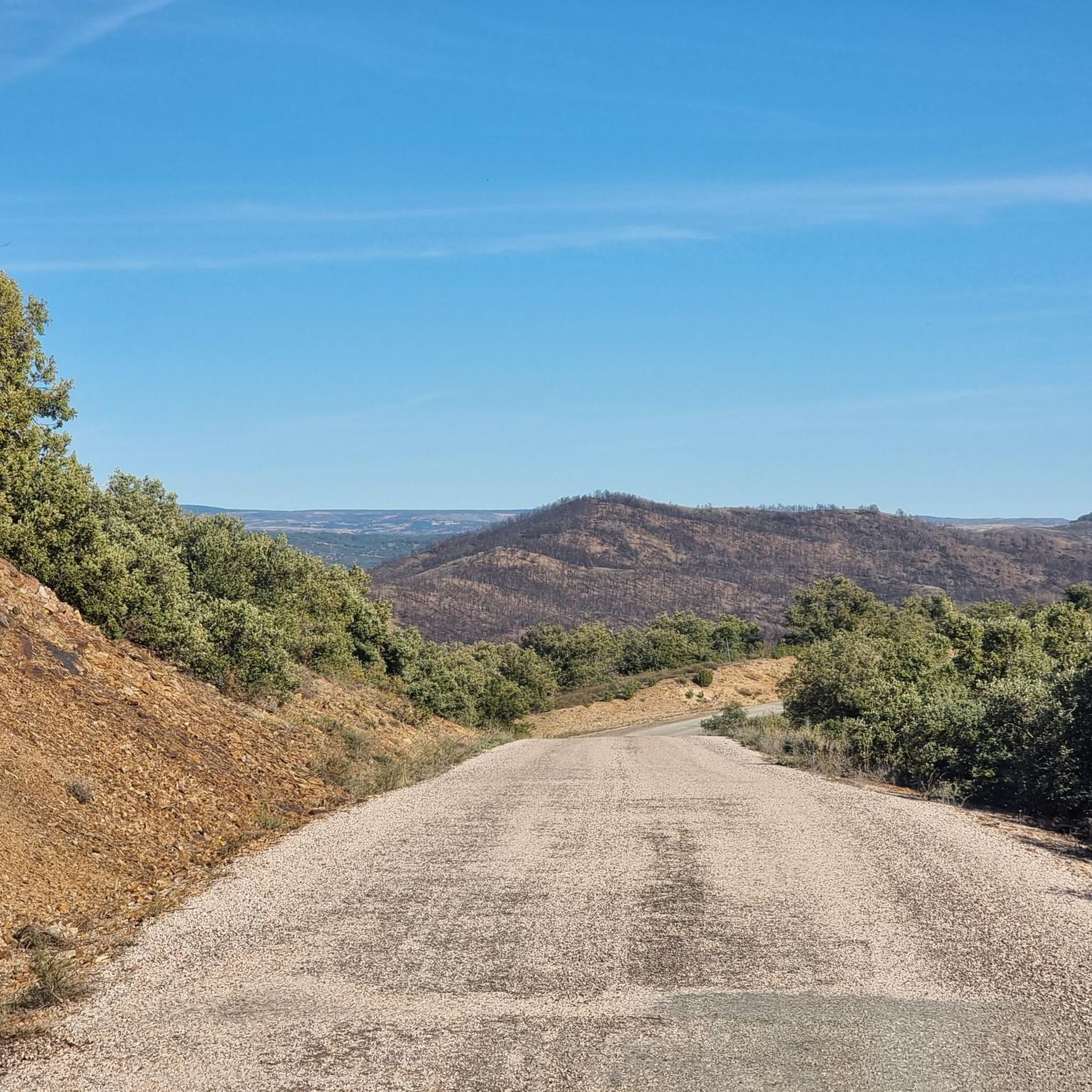
Unfortunately, there are still many interruptions on the almost 600 km long Via Verde Santander Mediterraneo railway line. It would be great to be able to travel from the Atlantic to the Mediterranean without car traffic. If this tourist potential is understood by the various regional parliaments, the entire cycling and gravel world would come to Spain and use this ingenious connection.
0
0

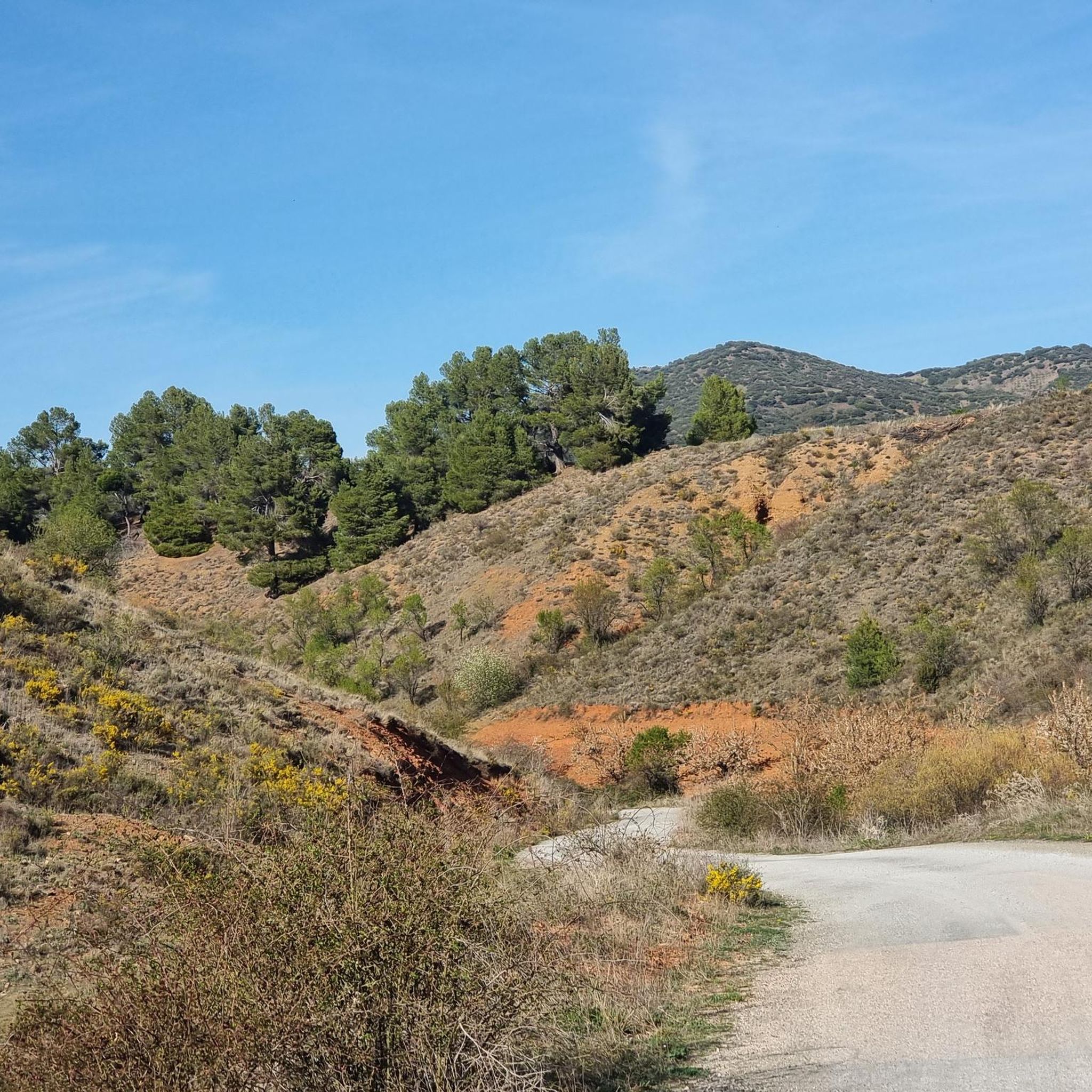
It is still under construction and only partially accessible (gravel road).
0
0

Images are there for a reason...take a photo and find out what they mean to you
0
0
Frequently Asked Questions
What unique natural attractions can I find near Burbáguena?
One of the most popular natural attractions is Aguallueve de Anento, a fascinating spring where water continuously drips, creating a spectacular karst relief with stone and moss walls and small hidden caves. Additionally, the impressive Gallocanta Lagoon, a significant natural reserve and Europe's largest saltwater lagoon, is a crucial stopover point for migratory birds, particularly cranes. The picturesque Jiloca River Valley itself, with its orchards and poplar groves, offers beautiful natural scenery.
What historical landmarks are there to explore in Burbáguena and its surroundings?
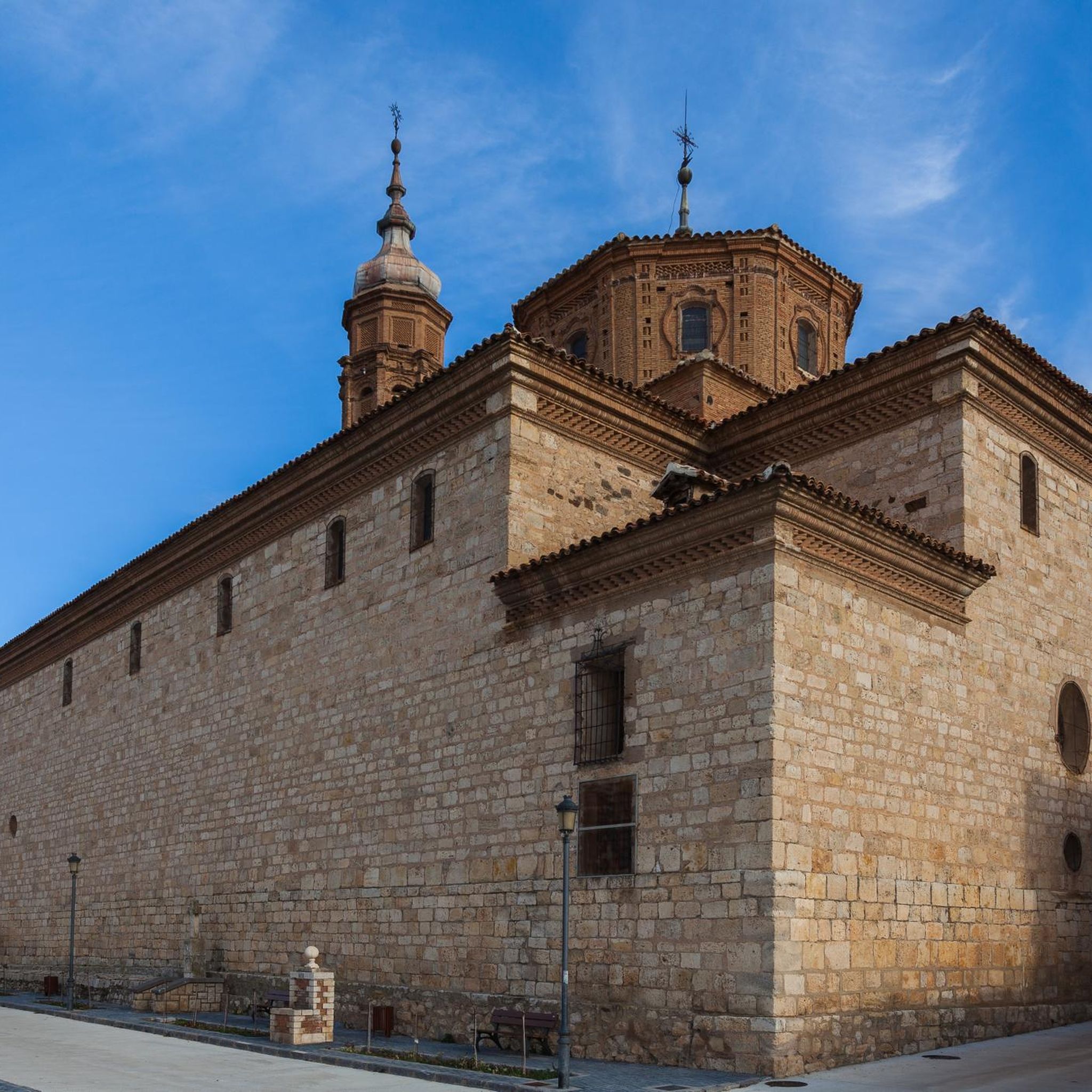
Burbáguena boasts several historical sites, including the medieval Burbáguena Castle, dating back to the 12th century, though largely in ruins. The impressive Church of Nuestra Señora de los Ángeles, built in the 18th century, features a spectacular Baroque-Mudéjar tower. You can also visit the well-preserved Palace of the Latorre (Marquises of Montemuzo) and other stately homes from the 16th and 17th centuries. Nearby, the Roman bridge of Luco de Jiloca, part of an ancient Roman road, is a notable historical structure.
Are there good cycling routes or greenways around Burbáguena?
Yes, the region is well-suited for cycling. The Santander–Mediterranean Nature Trail, an unfinished railway line converted into a path for cyclists and hikers, passes nearby. This greenway offers sections for cycle tourism. The area is also part of the Camino del Cid, a popular route for cyclists. For more detailed cycling options, you can explore road cycling routes or gravel biking routes in the area.
Where can I find hiking trails near Burbáguena?
The area around Burbáguena offers several hiking opportunities. You can find trails leading to the neighboring village of Báguena, featuring a fountain and an old flour mill. The natural spring of Aguallueve de Anento also has trails around it. For a comprehensive list of options, check out the hiking guide for Burbáguena, which includes routes like the 'Aguallueve and Arguilay Circular Trail' and the 'Burbáguena - Luco de Jiloca Trail'.
Are there family-friendly attractions suitable for children?
Many attractions in the area are suitable for families. The Aguallueve de Anento is a natural wonder that children often enjoy exploring due to its unique dripping water and small caves. The town of Calamocha, with its historical significance and recreational areas along the Jiloca River, can also be a pleasant family visit. Gentle walks along the Jiloca River Valley or sections of the Santander–Mediterranean Nature Trail are also good options.
What is the best time of year to visit Burbáguena for outdoor activities?
The region's climate makes spring and autumn ideal for outdoor activities like hiking and cycling, when temperatures are milder and the natural landscapes are vibrant. The Jiloca River Valley is particularly pleasant during these seasons with its lush poplar groves and orchards. For birdwatching at Gallocanta Lagoon, late autumn and winter are best to see migratory cranes.
Can I find religious architectural sites in Burbáguena?
Yes, Burbáguena has a rich religious heritage. The most prominent is the Church of Nuestra Señora de los Ángeles, an 18th-century structure with a distinctive Baroque-Mudéjar tower. The area also features several historical hermitages, including San Bernabé (1636), San Pedro Mártir de Verona (1632), and San Nicolás (1774), which often have unique architectural details and serene settings.
What is the significance of the Jiloca River in Burbáguena?
Burbáguena is nestled in the picturesque Jiloca River valley, which is central to the region's natural beauty and agricultural life. The river banks are characterized by small orchards (cherry, pear, and apple trees) and lush poplar groves, including ancient 'chopo cabecero' (pollarded poplars). The river provides a scenic backdrop for excursions, hiking, and offers a tranquil environment for visitors.
Are there any notable historical residences or palaces in Burbáguena?
Burbáguena is home to several significant noble houses. The most notable is the Palace of the Latorre, also known as the Marquises of Montemuzo, recognized for its large size and well-preserved characteristics, featuring an extensive facade. A walk through the town reveals other stately homes from the 16th and 17th centuries, such as the Casa de Don Juan and the Casa Liñán, showcasing traditional Aragonese palace architecture.
What kind of terrain and difficulty can I expect on hiking trails near Burbáguena?
Hiking trails around Burbáguena vary in terrain and difficulty. For example, the 'Aguallueve and Arguilay Circular Trail' is rated as moderate, while the 'Burbáguena - Luco de Jiloca Trail' is considered difficult, covering a distance of nearly 19 km. Shorter loops around Aguallueve de Anento can also be challenging despite their shorter distance due to the karst relief. You can find more details on specific routes in the hiking guide.
What is the town of Calamocha known for?
Calamocha, located on the right bank of the Jiloca River, has a rich history as a transit city and an important fortified enclave. It was part of the Albarracín taifa before being reconquered in the 12th century. Visitors can explore its historical sites, including a Roman bridge over the river, and enjoy recreational areas along the riverbanks.
Are there any unique monuments or stone crosses in the Burbáguena area?
Yes, beyond the main historical buildings, the area around Burbáguena features several traditional religious monuments known as peirones. There are two inventoried peirones dedicated to the Virgen de Herrera and San Antón, which are stone crosses or monuments often found at crossroads or entrances to villages, reflecting local religious traditions.

Get inspired with the komoot mobile app


Explore more
Still not found the Highlight you’re looking for? See guides of the top attractions in other regions:
