Top 20 Natural Monuments around Álora
Best natural monuments around Álora are found within the Guadalhorce Valley, characterized by its dramatic gorges and prominent mountain peaks. The region features significant natural landmarks such as the Desfiladero de los Gaitanes, Pico Huma, and El Hacho de Álora. These areas offer diverse landscapes shaped by geological processes and the Guadalhorce River. The natural environment provides a setting for various outdoor activities.
Best natural monuments around Álora
- The most popular natural monuments is Caminito del Rey, a trail…
Last updated: August 19, 2026
Caminito del Rey
Highlight • Trail
Translated by Google •
Tip by

Balcon de cristal
Highlight • Gorge
Translated by Google •
Tip by
Sign up now to discover places like this
Get recommendations on the best single tracks, peaks, & plenty of other exciting outdoor places.
Sign up for free
The Torcal of Antequera
Highlight • Natural Monument
Translated by Google •
Tip by

The Cathedrals of El Torcal
Highlight • Natural Monument
Translated by Google •
Tip by

Gaitanejo Reservoir Dam
Highlight • Structure
Translated by Google •
Tip by

Sign up for free to discover even more natural monuments around Álora.
Sign up for free
Already have an account?
Start today with a free account
Your next adventure awaits.
Login or Signup
Popular around Álora
River path to the sea in Andalusia – Gran Senda del Guadalhorce (GR 248)
Andalusia without limits – Tarifa to La Puebla de Don Fabrique on the GR 7
Hike between sea and mountains — Gran Senda de Málaga (GR 249)
Seven days walking along the Gran Senda de Málaga (GR 249)
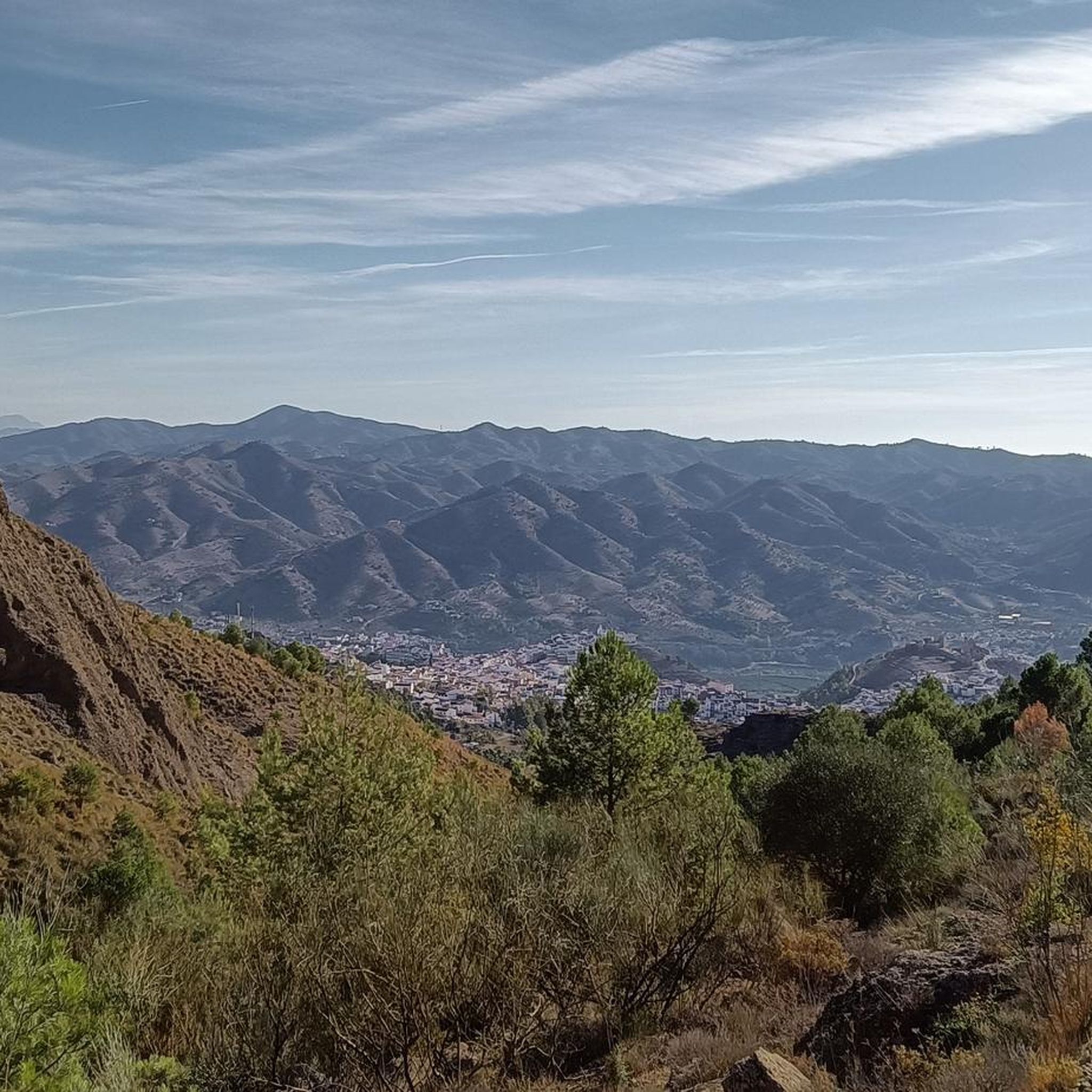
Hiking around Álora
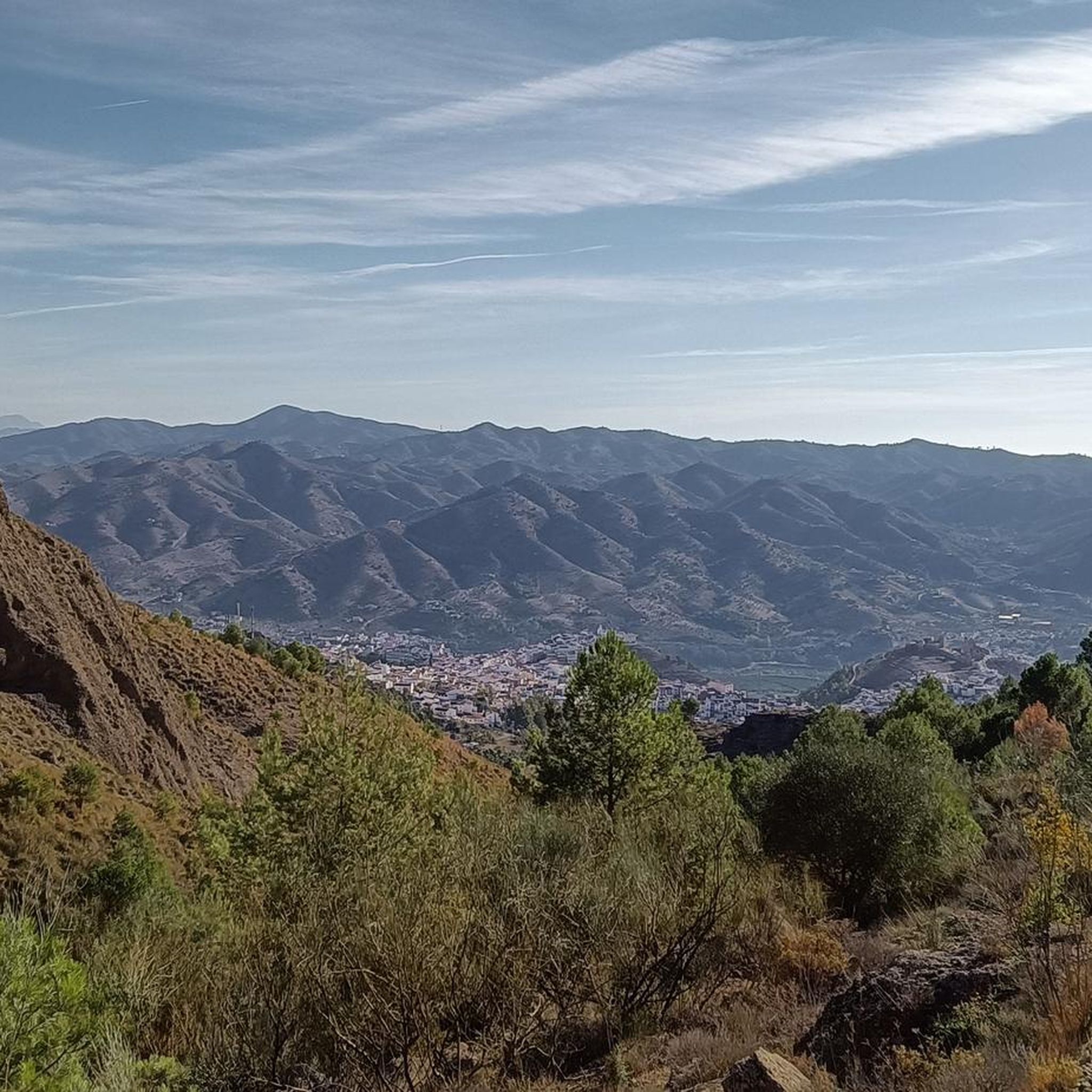
Road Cycling Routes around Álora
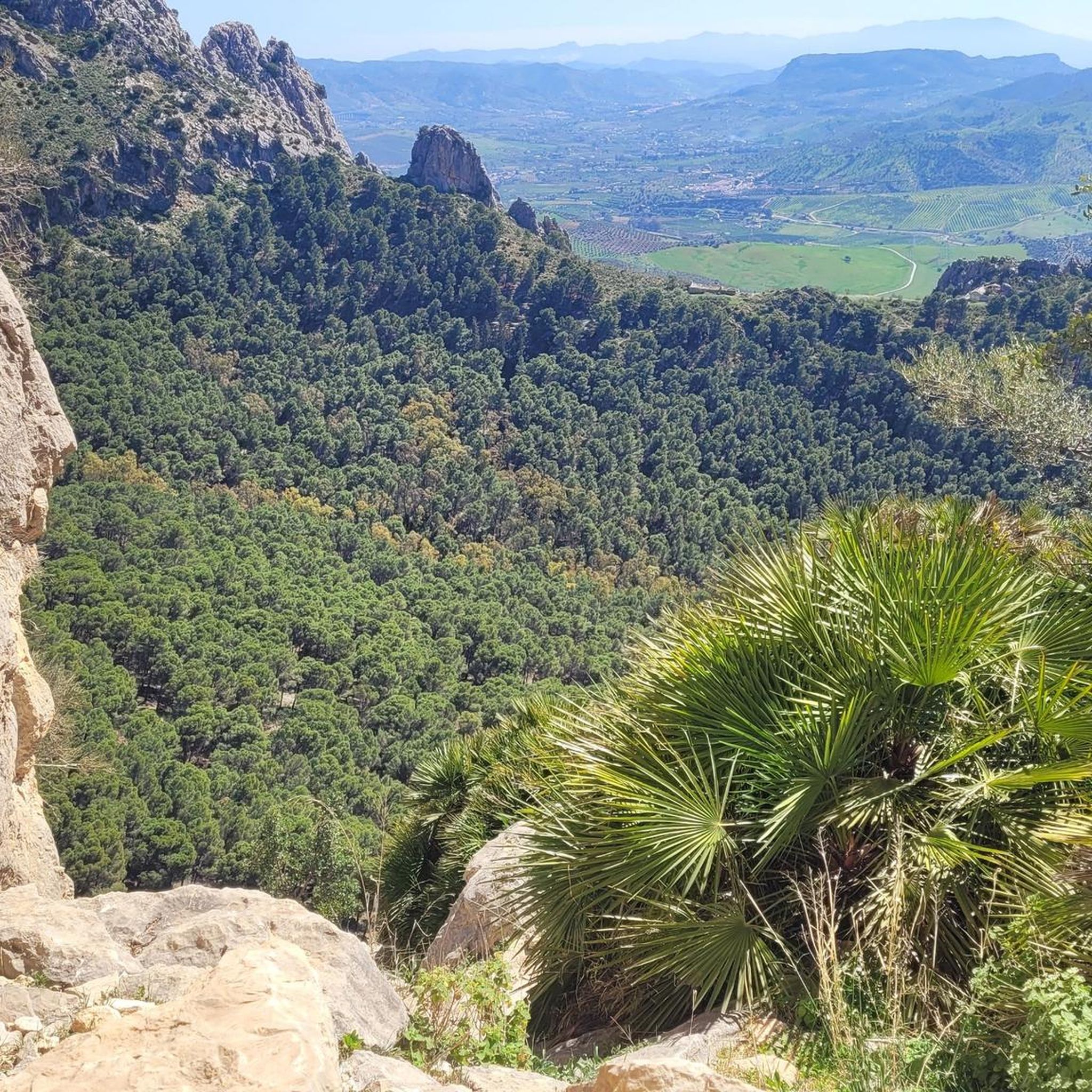
Cycling around Álora
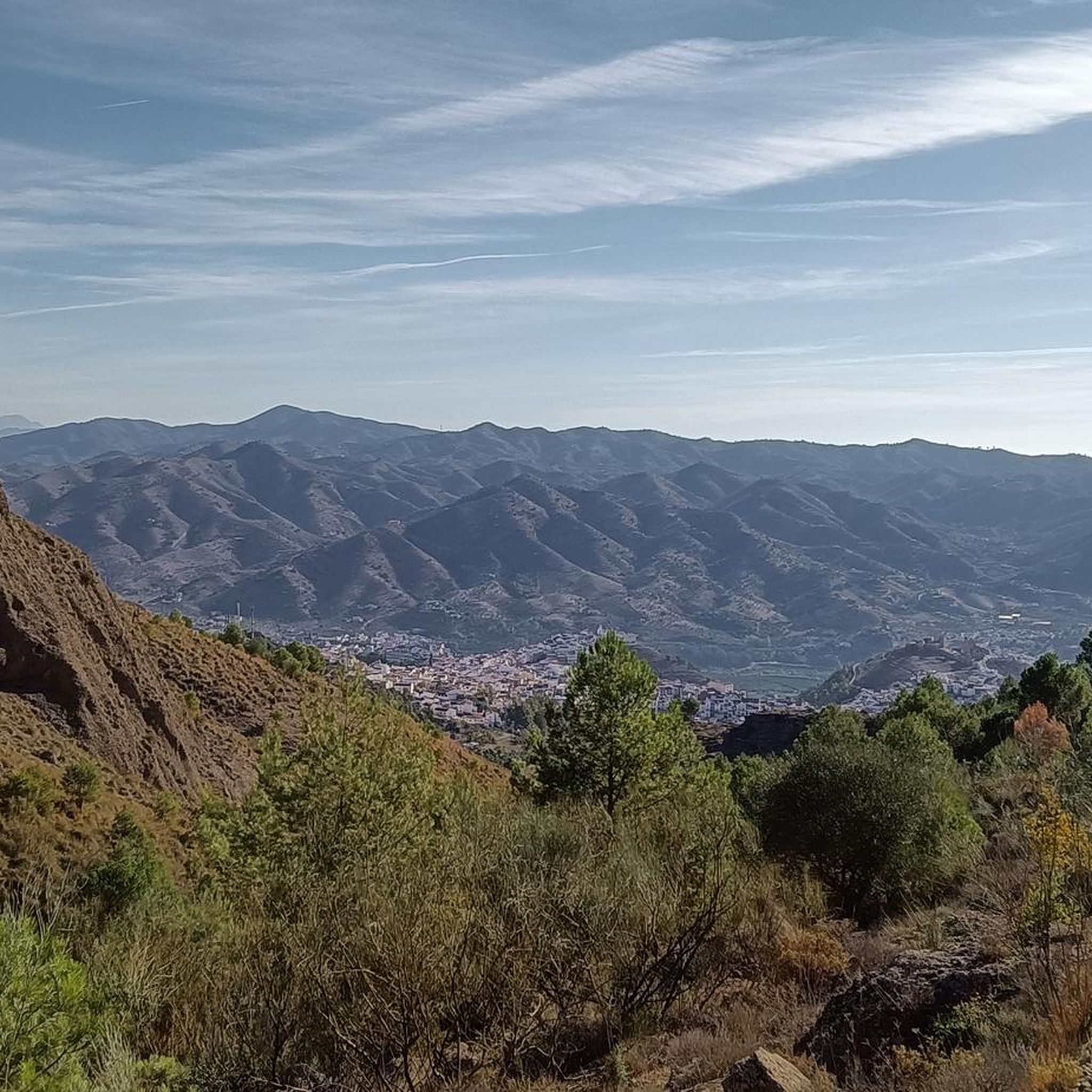
MTB Trails around Álora
Running Trails around Álora

Gravel biking around Álora
Other adventures around Álora


Tips from the Community

The Balcon de Crystal is a small balcony with a transparent plexiglass floor. Therefore, a maximum of 4 people are allowed on the balcony at any one time.
4
0
Here the amount of water that should flow through the canyon is regulated. The water is regulated via a funnel-shaped outlet.
2
0

There is a wide selection of restaurants in the area around the El Chorro reservoir.
4
0
The reservoir, located 600 meters from Caminito del Rey, is a tourist attraction.
4
0

Short video about hiking in this area could be found on my YouTUBE Channel under the following https://www.youtube.com/watch?v=O9pw2RlrLgA
3
1

A hiking and nature experience you won't forget. It's worth it in every way. You're guided in small groups. On the last and arguably most difficult section (the bridge and the steep, narrow stairs down), there were guides who supervised and provided reassurance. I wasn't fully recovered from a flu infection on the day of the hike, but I would have been very upset if I had missed this holiday highlight.
5
0
Frequently Asked Questions
What are some of the most popular natural monuments around Álora?
The region around Álora is rich in natural beauty. Among the most popular are the dramatic Caminito del Rey, a suspended walkway through the Desfiladero de los Gaitanes gorge, and the Balcon de cristal, a stunning viewpoint over the Guadalhorce river and the gorge. Visitors also frequently access the Caminito del Rey via the Northern Entrance to Caminito del Rey.
What unique natural features can I expect to see in the Álora region?
The area boasts a variety of unique natural features. The Desfiladero de los Gaitanes is known for its dramatic rock walls, deep caves, and layered geological formations carved by the Guadalhorce River. Pico Huma offers vast limestone plateaus and impressive rock formations, while the Sierra de las Nieves Natural Park is famous for its rare 'pinsapo' fir forests and extensive karstic landscapes with sinkholes and chasms.
Are there family-friendly natural monuments around Álora?
Yes, several natural monuments offer experiences suitable for families. While the Caminito del Rey has age restrictions, the ascent to El Hacho de Álora is generally not technically complex and can be enjoyed by families. The Conde del Guadalhorce Reservoir, near the Desfiladero de los Gaitanes, provides opportunities for water sports and picnics in a picturesque setting.
What kind of wildlife can be observed in the natural monuments near Álora?
The natural monuments around Álora are home to diverse wildlife. In the Desfiladero de los Gaitanes, you might spot golden eagles, Bonelli's eagles, falcons, Eurasian eagle-owls, and wild goats. Pico Huma is known for golden eagles and Iberian ibex. The Sierra de las Nieves Natural Park hosts mountain goats, roe deer, wild cats, and numerous bird species, including various birds of prey.
What outdoor activities can I do near these natural monuments?
Beyond exploring the monuments themselves, the region offers a wide range of outdoor activities. You can find numerous cycling routes, including challenging touring bicycle loops around the Guadalhorce Reservoir, as well as mountain biking trails like the Tajo de la Encantada Dam loop. For runners, there are trails like the El Chorro Gorge loop. You can find more details on these activities in the Cycling around Álora, MTB Trails around Álora, and Running Trails around Álora guides.
Are there hiking trails near these natural monuments, and what is their difficulty?
Yes, the area is a hiker's paradise. Pico Huma offers diverse trails ranging from casual walks to challenging treks, including routes with moderate difficulty due to loose stones and steep sections. El Hacho de Álora provides accessible hiking paths suitable for many. The Caminito del Rey is a unique suspended walkway, considered an intermediate trail. The Sierra de las Nieves Natural Park also features various hiking trails, from easy routes to challenging climbs.
Where can I find the best panoramic views around Álora?
For breathtaking panoramic views, Pico Huma is often called 'The balcony of Andalusia,' offering 360-degree vistas of the El Chorro gorges, the Caminito del Rey, surrounding villages, and on clear days, even the Mediterranean Sea. El Hacho de Álora provides superb views of the Hoya de Málaga and Álora itself. Additionally, the Balcon de cristal offers a spectacular gorge viewpoint.
What historical points of interest are associated with the natural monuments?
The region blends natural beauty with history. The Caminito del Rey itself has a rich history, originally built for hydroelectric plant workers. Near the Conde del Guadalhorce Reservoir, you can find the 'Sillón del Rey,' a stone bench where King Alfonso XIII signed the completion of the reservoir works. On Pico Huma, some trails, like the one via Escalera Árabe (Arabic Stairs), offer a journey through historical paths.
What is special about the Sierra de las Nieves Natural Park?
The Sierra de las Nieves Natural Park, a UNESCO Biosphere Reserve, is renowned for its unique 'pinsapo' fir forests, a rare Mediterranean fir species. It also features impressive karstic landscapes with peaks, sinkholes, and a complex network of caves. The park is home to approximately 1,500 plant types and diverse wildlife, including the emblematic mountain goat.
What is the best time to visit the natural monuments around Álora?
The best time to visit is generally during the spring (March to May) and autumn (September to November) months. During these periods, the weather is milder, making outdoor activities like hiking and exploring more comfortable. Summers can be very hot, and some areas might be less accessible due to heat, while winters can bring cooler temperatures and occasional rain.
How long does it take to experience the Caminito del Rey?
The complete route of the Caminito del Rey, including the walk to and from the main entrance, typically takes between 3 and 4 hours. This allows ample time to enjoy the suspended walkway and the stunning views of the Desfiladero de los Gaitanes gorge.
Are there any geological curiosities or paleontological interests in the area?
Yes, the region is a geological marvel. The Desfiladero de los Gaitanes showcases millions of years of erosion, with layered rock formations and deep caves. On Pico Huma, hikers can discover marine fossils, particularly ammonites, embedded in the sedimentary rocks, offering a glimpse into prehistoric times. The Sierra de las Nieves also features peridotites, magmatic rocks that create striking green, brown, and reddish hues in the hills.
Most popular attractions around Álora

Get inspired with the komoot mobile app


Explore more
Extend your search for the best caves by checking out these guides of the top ones around Álora:
