Attractions and Places To See around Haza - Top 20
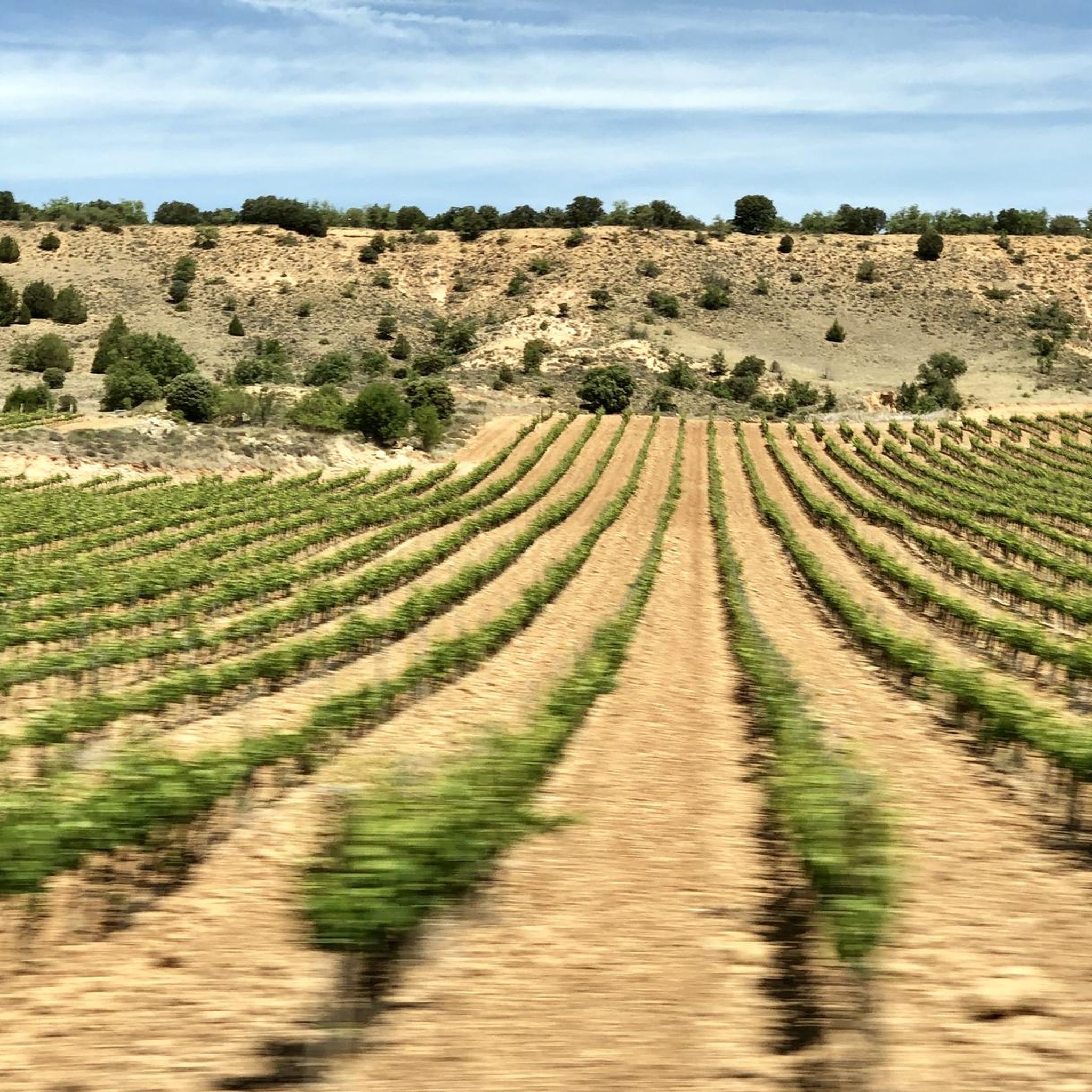
Best attractions and places to see around Haza, a historic town in Burgos, Spain, are concentrated in the Ribera del Duero wine region. The area is characterized by its position on a hill above the fertile plain of the Riaza river. Visitors can explore a landscape rich in cultural heritage, including medieval structures and historical settlements. The region offers a blend of architectural landmarks and natural features, making it a destination for those interested in history and local culture.
Best…
Last updated: August 25, 2026
Aranda Bridge
Highlight • Bridge
It is a symbol of the city and its heritage, …
Translated by Google •
Tip by

Church of Santa María la Real of Aranda de Duero
Highlight • Religious Site
Translated by Google •
Tip by
Sign up now to discover places like this
Get recommendations on the best single tracks, peaks, & plenty of other exciting outdoor places.
Sign up for free
Aranda de Duero Street Art Murals
Highlight • Monument
Translated by Google •
Tip by
Medieval Bridge of the Tanneries
Highlight • Bridge
Showing Translation
Tip by

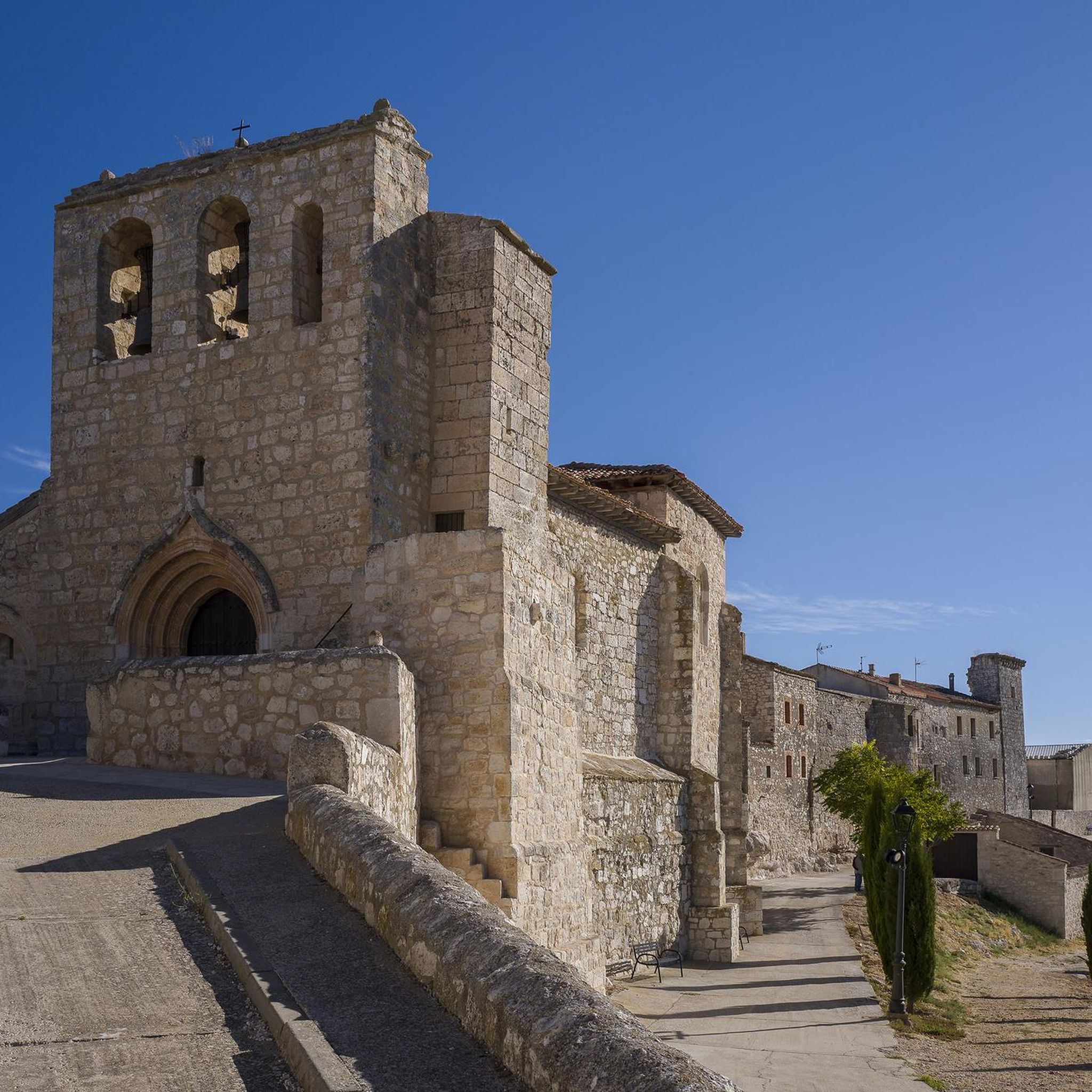
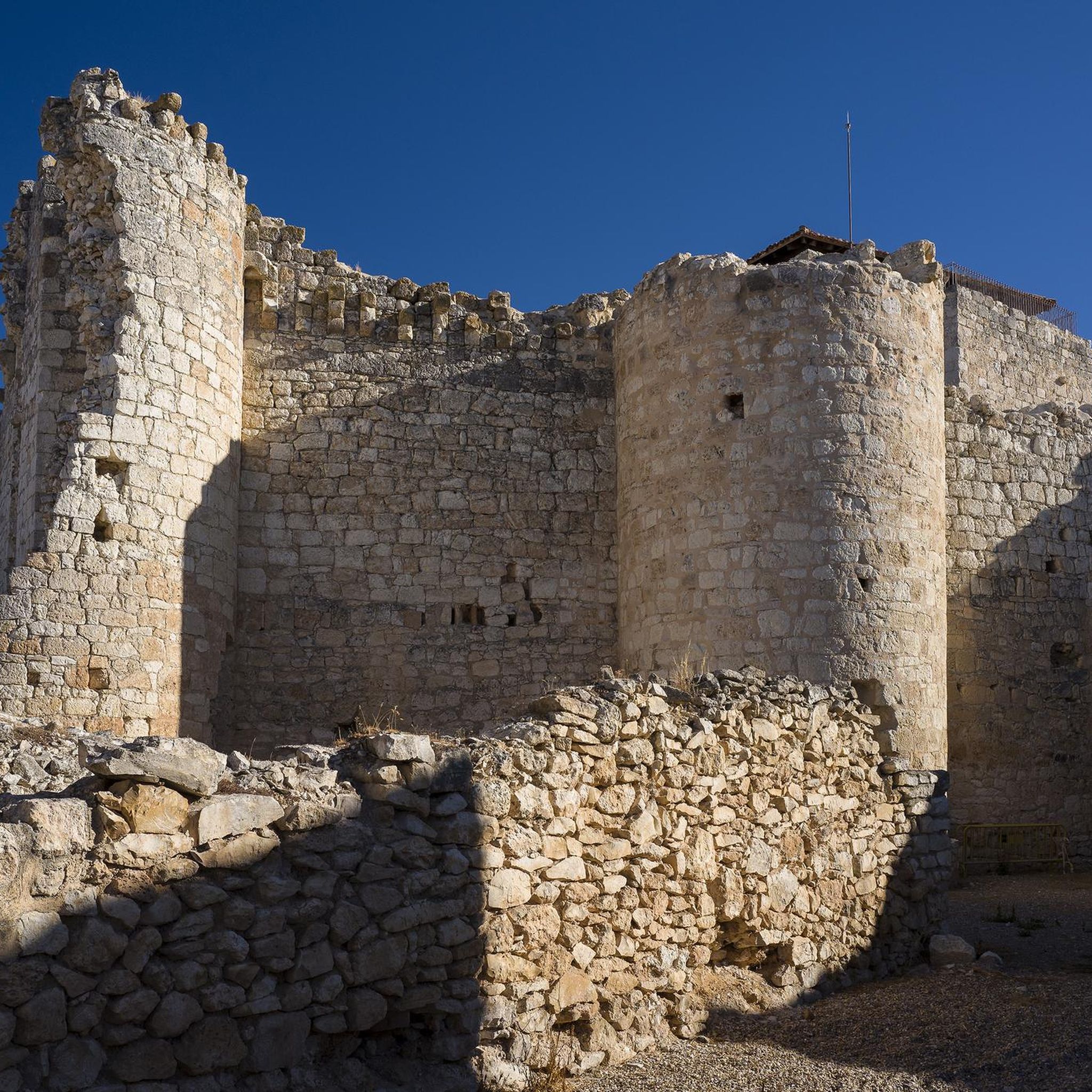
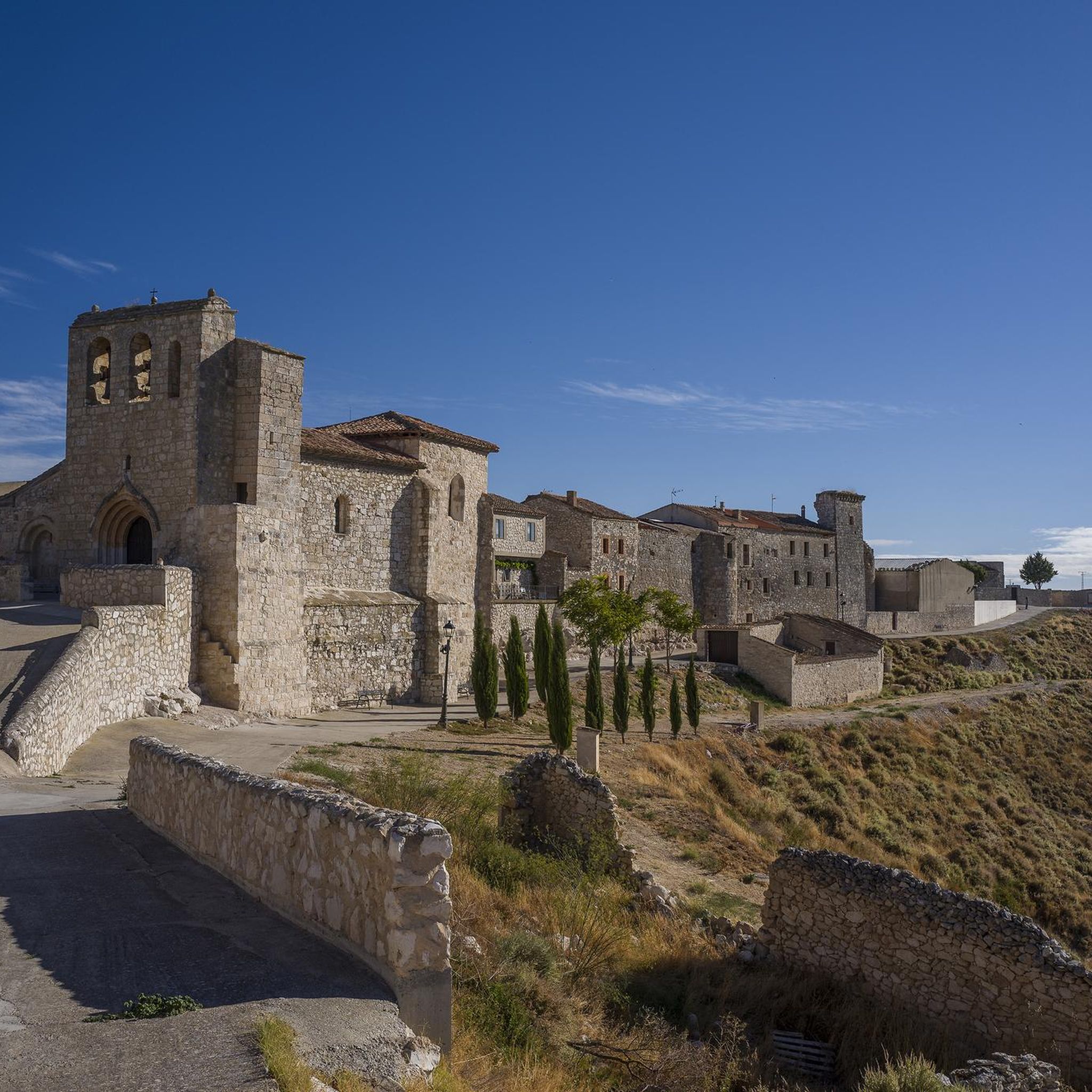
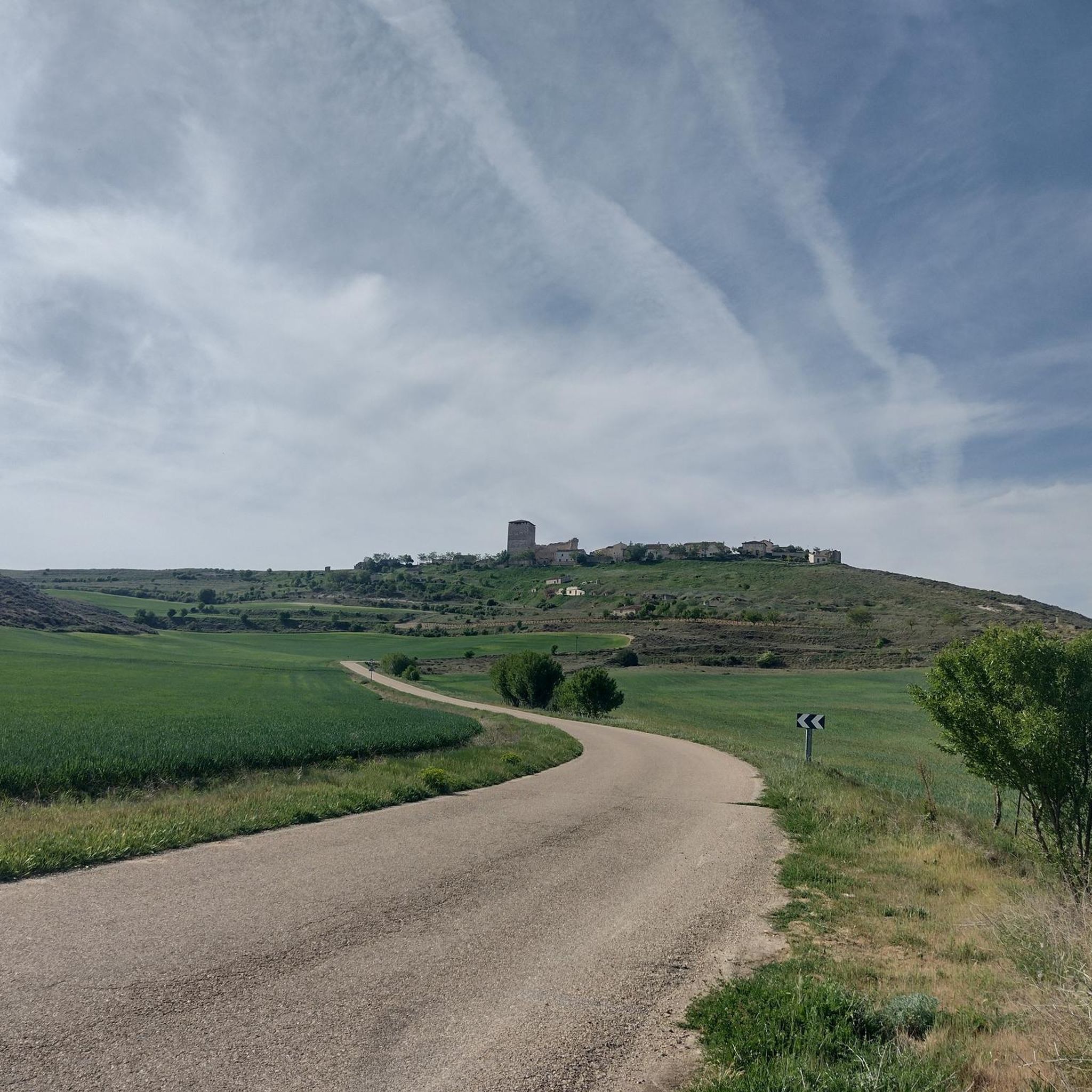
Haza and its castle
Highlight • Castle
This small walled town of the Ribera del Duero …
Translated by Google •
Tip by

Sign up for free to discover even more attractions around Haza.
Sign up for free
Already have an account?
Start today with a free account
Your next adventure awaits.
Login or Signup
Tips from the Community

Built of stone and with several semicircular arches, it is a good example of medieval civil engineering and has withstood the test of time thanks to its solidity, although it has been restored at different times. At one time it was key for the transit of workers and goods between neighborhoods, contributing to the economic growth of Aranda. Today it is preserved as a heritage element and is a pleasant place to walk, forming part of the city's historic complex and allowing visitors to learn about its industrial and medieval past along the river.
2
0
The medieval Puente de las Tenerías, located in Aranda de Duero over the Bañuelos river, is one of the most interesting historical corners of the city, although less known than the Duero bridge. It is a construction of medieval origin, linked to the urban and industrial development of the town, as it takes its name from the old tanneries (leather tanning workshops) that were in the area and that needed abundant water for their activity.
2
0
These large-format murals cover a wide variety of themes such as wine culture, the city's history, popular traditions, or social issues like equality and gender-based violence, combining contemporary art with local identity. Some outstanding works, such as Old to the new or Poseidón y Medusa, convey messages about the city's evolution or social denunciations, adding a reflective component to the tour. Overall, this initiative has transformed Aranda into a benchmark for urban art in the Ribera del Duero, offering a different kind of visit that can be done on foot while discovering lesser-known corners of the city.
2
0
The urban art murals of Aranda de Duero are one of the city's most curious cultural attractions, as they have turned its streets into an authentic open-air gallery. Since 2016, the so-called Mural Route has been developed, a tour with more than 20 works spread across different neighborhoods —especially in Santa Catalina— created by local, national, and international artists.
2
0
The bridge is built of stone and is characterized by its semicircular arches; it originally had four, although today it retains three due to later renovations. Over the centuries it has undergone numerous restorations, especially due to the floods of the Duero, one of the most important being the expansion and widening in the 19th century. In addition to its architectural value, it has been a strategic point for the passage of people, goods and herds, and today it is a symbol of the city and a very pleasant place to walk and enjoy the views of the river and Aranda de Duero. [iglesiaslocales.com], [edadesdelh...ogspot.com]
2
0
The Aranda de Duero Bridge, also known as Puente Mayor, is one of the city's most important historical elements, as it crosses the Duero River and has been key to its development. Although often called "Roman", it is actually a bridge of medieval origin, with references from the 12th-14th centuries, when it served as a fundamental crossing point on trade routes and the old Royal Road that connected the center and north of Spain.
2
0

The Aranda de Duero Bridge, also known as the Puente Mayor, is a medieval stone bridge over the Duero River. It is a symbol of the city and its heritage, connecting the old town with the modern areas. Although it has been renovated over time, it retains its historic essence.
4
1
In Aranda de Duero, you can find a "Mural Route" of urban art, mainly in the Santa Catalina neighborhood. The route features works by various artists who have transformed the streets into an open-air gallery.
4
1
Frequently Asked Questions
What historical attractions can I explore around Haza?
The region around Haza is rich in history. You can visit Haza and its castle, a small walled town with a castle prominent since 912, perched on a hill above the Riaza plain. Also, explore the medieval Aranda Bridge over the Duero River, a symbol of the city's heritage.
Are there any significant religious buildings to see?
Absolutely. The most prominent religious site is the Church of Santa María la Real of Aranda de Duero. It's a magnificent Gothic monument featuring a richly decorated 15th-century Isabelline Gothic façade, making it a key architectural landmark.
What kind of outdoor activities can I do near Haza?
The area offers various outdoor activities. For hiking, consider routes like the 'Riberas del Riaza Trail' or the 'Home and its castle - circular along the Riaza riverbank'. If you enjoy running, try the 'Haza y Valle del Rio Riaza' loop. Cyclists can explore the 'Ribera del Duero Castles Loop'. You can find more details on these and other routes in the hiking, running, and road cycling guides for Haza.
Are there family-friendly attractions in the Haza area?
Yes, Aranda de Duero itself is considered family-friendly, offering a blend of cultural and culinary experiences. Additionally, the Aranda de Duero Street Art Murals provide an engaging open-air gallery experience that families can enjoy.
What is Aranda de Duero known for, besides its church?
Aranda de Duero is the capital of the famous Ribera del Duero wine region, renowned for its excellent wines and a unique network of underground wine cellars. It's also a top culinary destination, famous for its roast lamb and blood sausage.
Can I find any unique cultural experiences in the area?
Beyond historical sites, you can discover the vibrant Aranda de Duero Street Art Murals. This 'Mural Route' in the Santa Catalina neighborhood transforms the streets into an open-air art gallery, showcasing works by various artists.
What natural features can I see around Haza?
Haza is situated on a hill overlooking the fertile plain of the Riaza river, offering scenic views of the landscape. The Aranda Bridge also provides views of the Duero River, one of the most important rivers in the Iberian Peninsula.
Are there any accessible attractions for visitors with mobility considerations?
The Aranda Bridge is noted as wheelchair accessible, allowing visitors to enjoy views of the Duero River and connect between parts of Aranda de Duero.
What is the significance of Haza's location?
Haza's historical significance stems from its strategic location on top of a hill above the fertile plain of the Riaza river. This small walled town gained prominence in 912, playing a crucial role during the Christian advance.
What do visitors enjoy most about the attractions around Haza?
Visitors particularly appreciate the rich architectural heritage, such as the intricate Gothic façade of the Church of Santa María la Real. The historical essence of the Aranda Bridge and the charm of the walled town of Haza and its castle are also highly valued. Many also enjoy the culinary and wine experiences offered in Aranda de Duero.
Can I combine cultural visits with gastronomic experiences in the Haza area?
Absolutely. Aranda de Duero, the capital of the Ribera del Duero wine region, is famous for its gastronomy, including roasted lamb and blood sausage, and its extensive underground wine cellars. You can enjoy these culinary delights after exploring historical sites like the Church of Santa María la Real.

Get inspired with the komoot mobile app


Explore more
Still not found the Highlight you’re looking for? See guides of the top attractions in other regions:
